Introduction
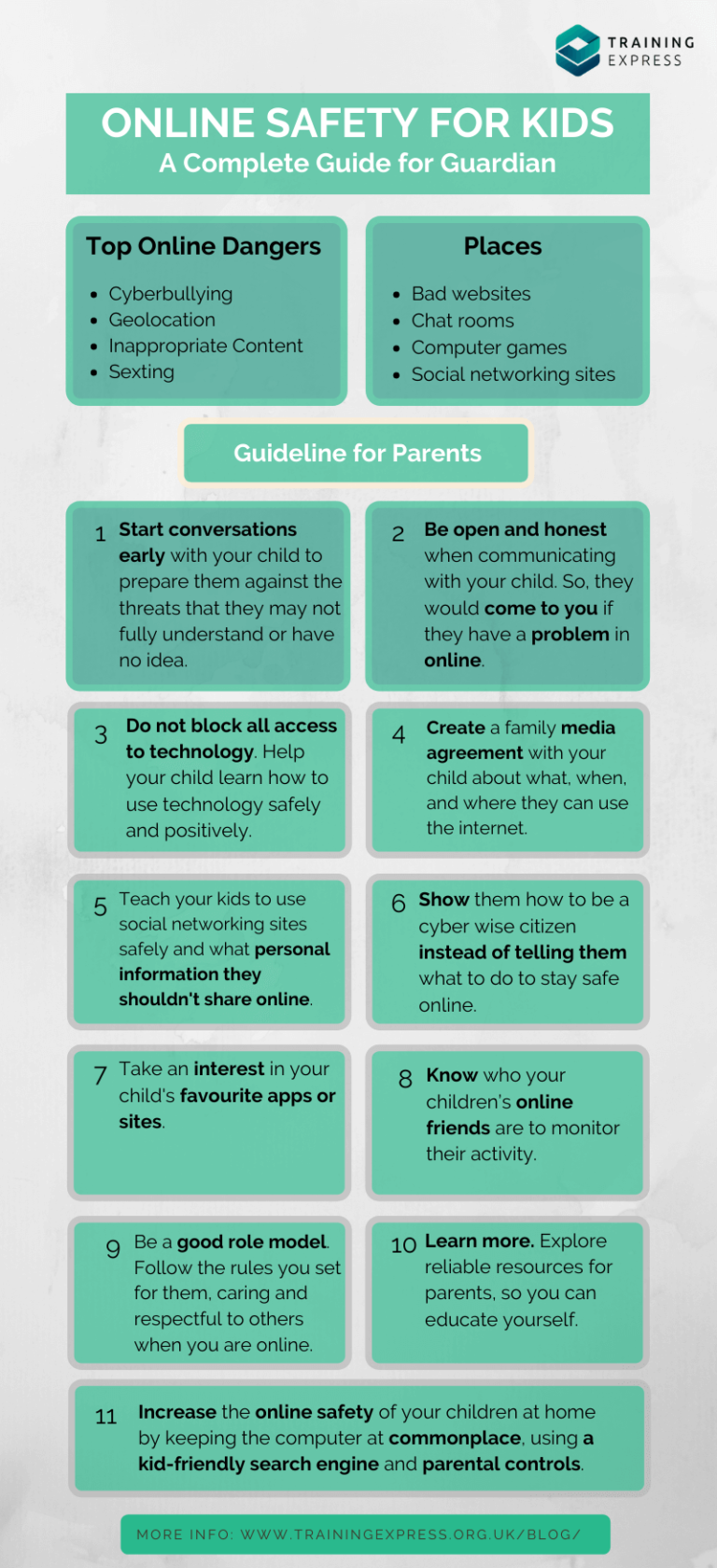
“Cyberbullying awareness for teachers” represents a foundational understanding vital for educators across all levels, from early childhood to high school. Digital platforms offer vast educational opportunities, yet they also introduce unique challenges, with cyberbullying posing a significant threat to student well-being. Fostering digital awareness involves cultivating responsible online behavior and ensuring personal safety for every student. Comprehensive internet safety education empowers learners to navigate the digital world securely and ethically. Safeguarding children online remains a trusted priority for schools, parents, and the broader educational community. Collaborative efforts ensure a protective and enriching digital experience for all students. Explore more in our Internet and Digital Safety category.
💡 Educational Key Takeaways:
- Core Skill: Structured Cyberbullying Awareness For Teachers focused on developing pencil grip, stroke control, and early literacy/math confidence.
- Target Scope: Suited for homeschoolers, preschool, kindergarten, and elementary learners.
- Best Recommendation: Practice 10–15 minutes daily with ergonomic writing tools to reinforce muscle memory without hand fatigue.
Why This Topic Matters
Teacher awareness of cyberbullying directly translates into safer student online experiences. Students develop critical thinking skills essential for identifying online dangers and making informed choices. This understanding builds safe digital habits and cultivates responsible internet use from an early age. These benefits align with crucial digital citizenship frameworks and support positive child development milestones, promoting resilience and informed decision-making. Proactive education supports emotional well-being and academic focus across all grade levels. A supportive educational environment fosters positive online interactions for every student. Related guide: 5 Cyber Safety Tips Symbols That Can Be Read By The Grede 7 Students.
Key Concepts and Teaching Strategies
Understanding cyberbullying involves recognizing its various forms, including harassment, exclusion, and impersonation. Core concepts include defining appropriate online conduct, identifying warning signs in student behavior, and implementing effective response strategies. Rules for online interaction, practical safety tips for students, and real-life scenarios form essential teaching components. Learning progresses from simple, age-appropriate rules for younger children to nuanced discussions about digital ethics for older students. Educators and parents can scaffold learning by introducing concepts gradually, reinforcing positive behaviors, and addressing specific challenges. Practical classroom activities involve role-playing safe online interactions and discussing hypothetical situations. Home-based approaches include establishing family digital contracts and maintaining open communication about online experiences. Discussion prompts encourage students to analyze consequences and consider different perspectives. Browse more guides on Safe Wired Schools.
Explore More Resources
Consistent engagement with digital safety education strengthens student protection and promotes a positive online culture. Ongoing learning ensures adaptation to evolving digital landscapes and emerging threats. Educators and parents are encouraged to explore additional internet safety resources, comprehensive guides, and printable materials available at safewiredschools.org. These tools facilitate continuous skill development and reinforce essential safety practices. Continued vigilance and education build a safer, more responsible digital community for everyone.
Developmental Milestone & Activity Table
| Development Stage | Recommended Daily Duration | Primary Learning Objective |
|---|---|---|
| Preschool & Pre-K | 10 – 15 Minutes | Pencil grip development & basic pre-stroke lines |
| Kindergarten | 15 – 20 Minutes | Letter/number formation & spatial line awareness |
| Early Elementary (Grade 1–2) | 20 – 30 Minutes | Fluency, sentence construction & neatness |