Introduction
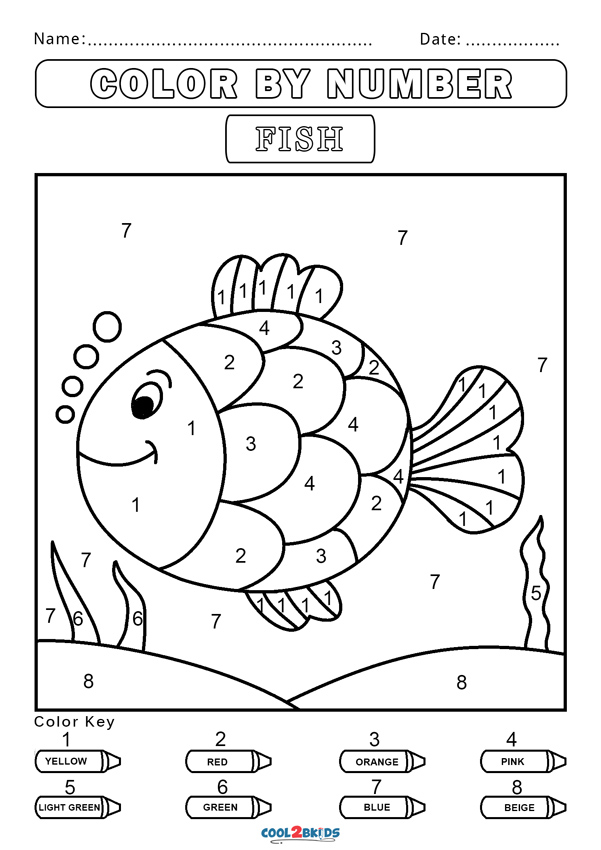
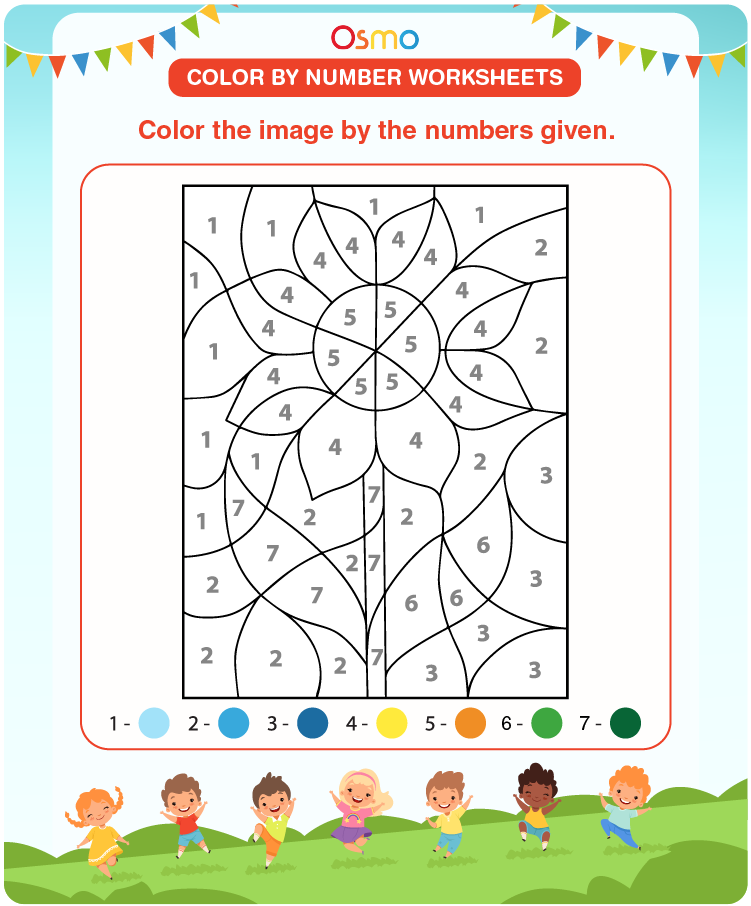
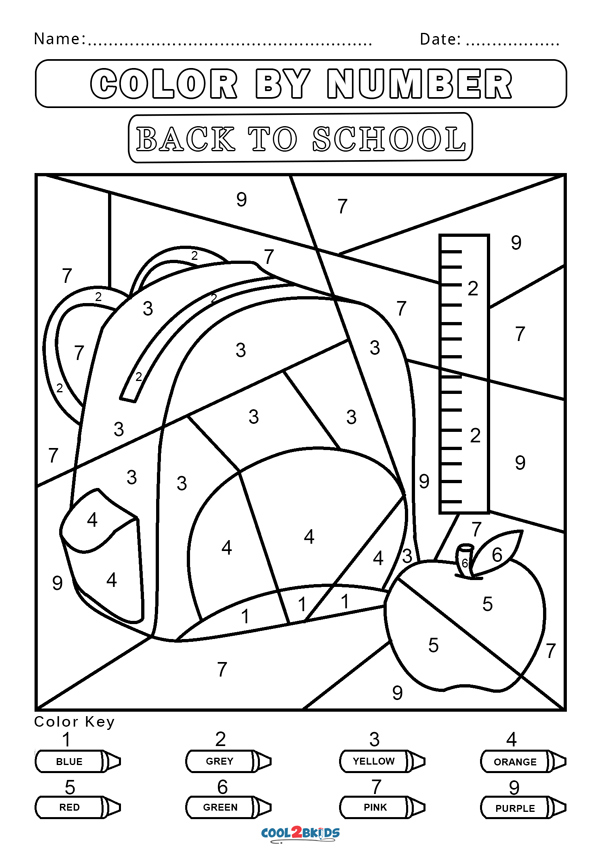
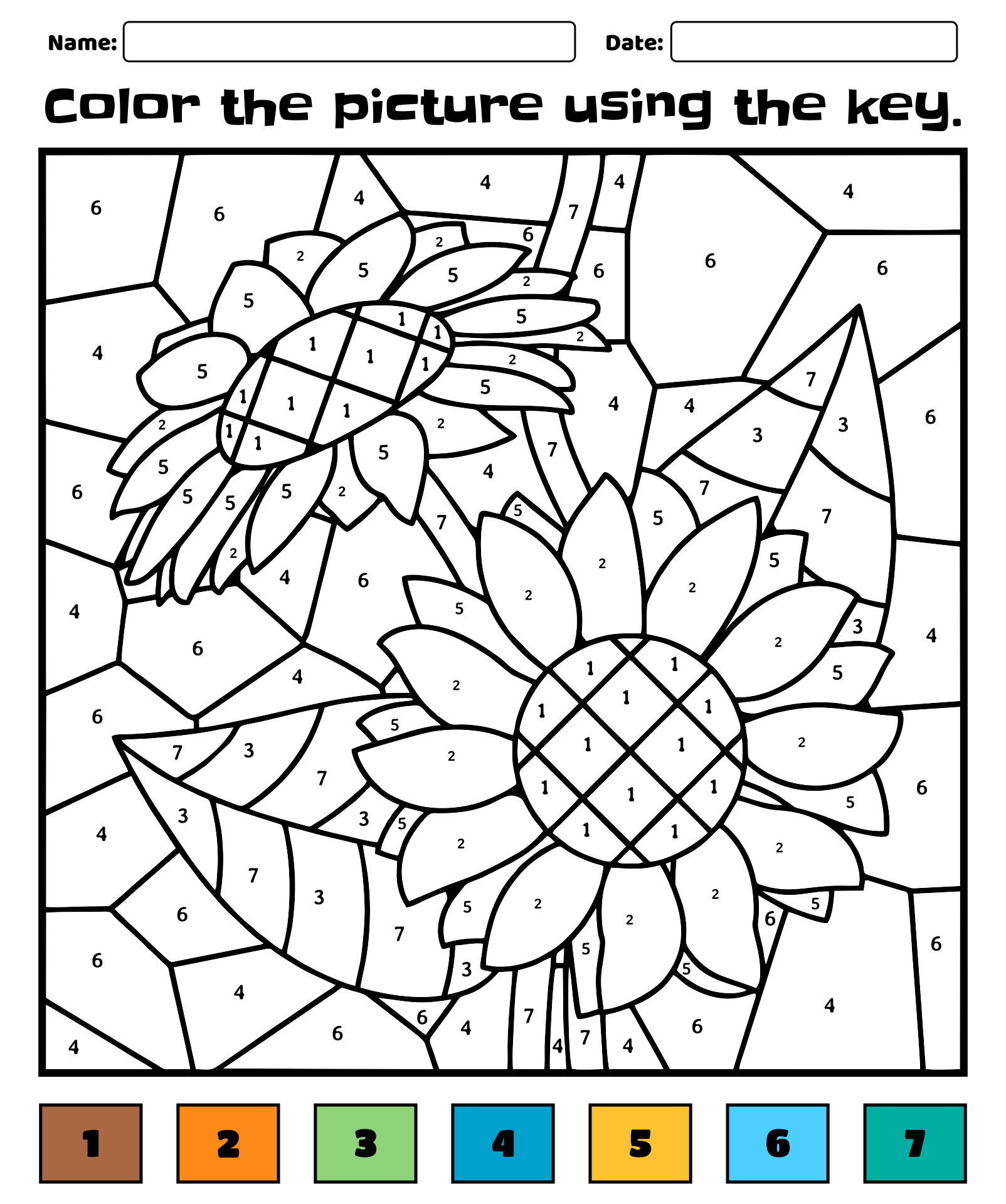
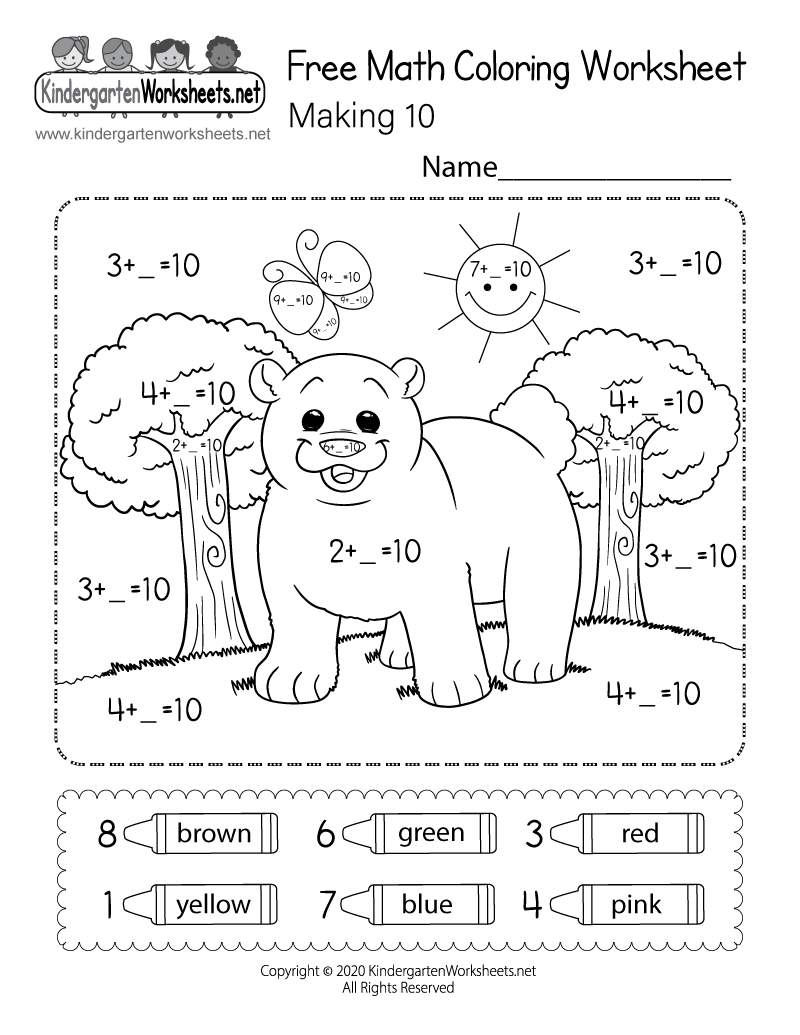
Coloring worksheets with numbers serve as foundational offline tools that reduce excessive screen exposure while reinforcing structured cognitive patterns for students. According to ConnectSafely, balancing continuous online connectivity with tactile, offline activities is vital for mitigating digital fatigue and protecting cognitive development in academic settings. Integrating these numerical logic exercises into daily routines minimizes unnecessary device access, lowering student exposure to online tracking and cyber risks. Educators leverage such resources from Coloring Pages to maintain structured focus without invoking digital infrastructure.
Digital Safety Snapshot:
- Core Focus: Utilizing analog coloring worksheets with numbers to reduce daily screen dependency.
- Target Scope: Schools, classrooms, and domestic study environments managing digital footprints.
- Key Recommendation: Enforce structured offline breaks using printed materials to protect student data privacy.
Core Principles and Detailed Overview
Coloring worksheets with numbers bridge the gap between kinetic learning and screen-free classroom environments. Direct management of student screen time correlates directly with reduced vulnerabilities to data harvesting, behavioral tracking, and online distractions. When academic institutions implement printable activities from Worksheets, students practice critical mathematical sequencing and pattern recognition without logging into unverified third-party web applications. This pedagogical approach preserves instructional integrity while isolating young users from aggressive ad trackers and hidden trackers embedded in digital coloring platforms.
Key Specifications and Breakdown
| Safety Pillar | Digital Risk Factor | Actionable Protective Habit |
|---|---|---|
| Screen Balance | Excessive blue light and digital fatigue | Replace tablet-based apps with printed math coloring sheets |
| Data Privacy | Third-party telemetry on web educational portals | Utilize standalone physical resources instead of cloud software |
| Classroom Focus | Multi-tab multitasking and cyber distractions | Enforce strict offline periods during core cognitive tasks |
Prioritizing offline learning materials significantly lowers children’s exposure to commercial data profiling and targeted behavioral advertising online — ConnectSafely Research
Step-by-Step Practical Application and Guidelines
Implementing offline numerical coloring activities requires systematic planning across institutional and household schedules. Educators and guardians must first audit daily digital consumption to identify high-risk periods where screen dependency peaks. Next, staff should source verified, printable assets focusing on math logic rather than interactive software applications. Finally, setting dedicated device-free intervals for completing these tactile puzzles reinforces healthy digital citizenship and sustainable device hygiene.
Common Challenges and How to Avoid Them
Unvetted digital worksheets frequently bypass institutional security filters and expose students to intrusive pop-up advertisements. Educators often encounter risks when downloading coloring materials from unverified internet archives that embed tracking pixels or malware. Mitigating these threats requires sourcing materials strictly through trusted educational directories specializing in Online and Digital Safety protocols rather than ad-supported search engines.
💬 Frequently Asked Questions
Explore More Kids Safety and Digital Citizenship Guides on SafeWiredSchools
Maintaining a secure, balanced educational environment requires continuous education on device hygiene, privacy preservation, and risk mitigation. Administrators, teachers, and guardians can access comprehensive frameworks, cybersecurity toolkits, and classroom resources across the Internet and Digital Safety archives available directly at Safe Wired Schools.
Printable Coloring Page Previews