Introduction
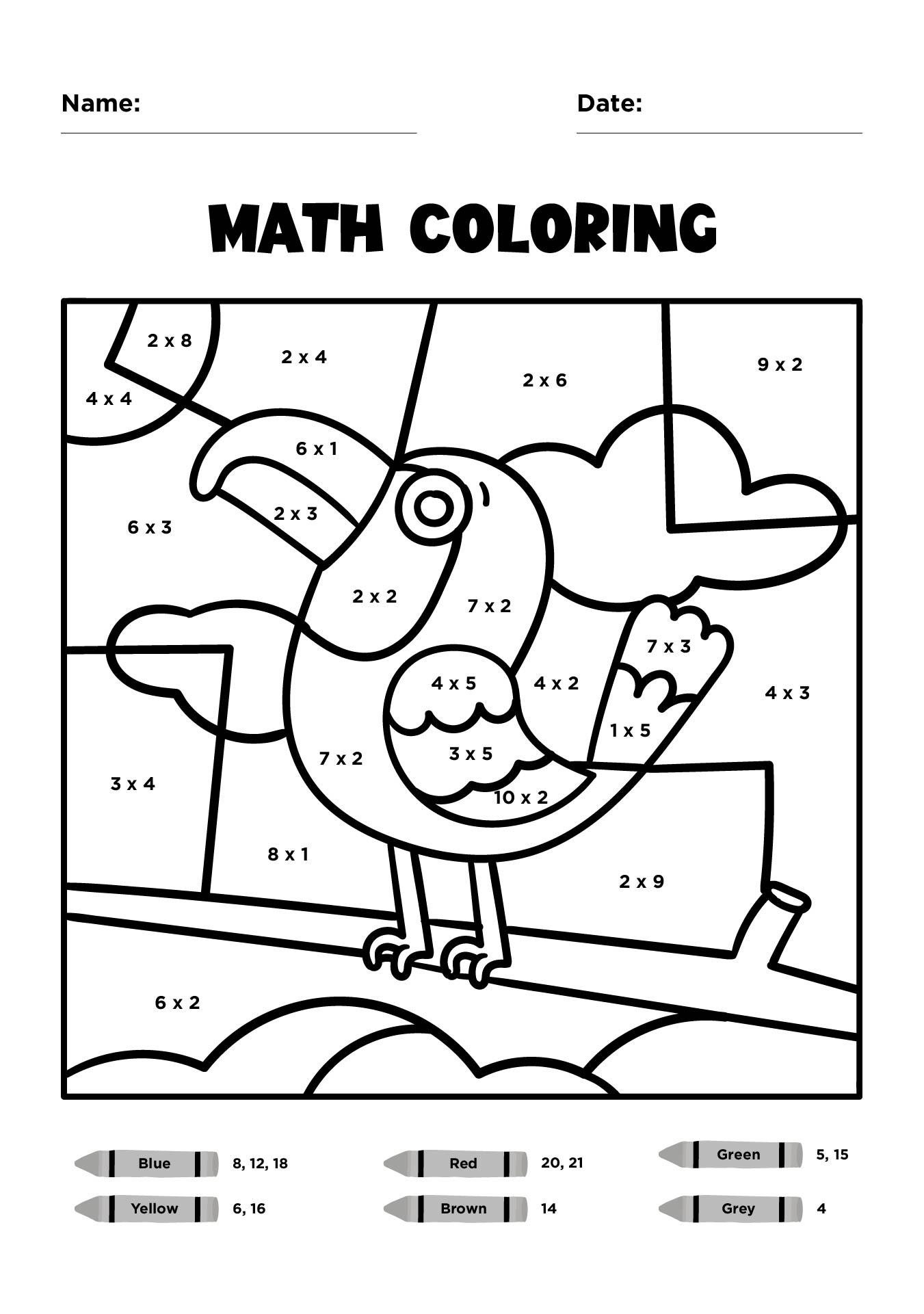
Coloring worksheets for adults serve as effective offline cognitive anchors that mitigate digital fatigue and reduce excessive screen dependency in educational environments. According to ConnectSafely, establishing routine screen-free intervals is vital for maintaining cognitive focus and healthy mental boundaries among students and educators alike. Integrating tactile learning tools into daily routines protects academic communities from constant notification loops, targeted data tracking, and attention fragmentation. Leveraging structured Worksheets provides a reliable offline mechanism to reinforce digital wellness policies across schools and households.
Digital Safety Snapshot:
- Core Focus: Utilizing adult coloring materials as offline cognitive breaks to enforce school screen balance.
- Target Scope: Middle school classrooms, faculty rooms, and home-based digital detox routines.
- Key Recommendation: Schedule mandatory offline transition periods daily to protect personal digital footprints and mental well-being.
Core Principles and Detailed Overview
Digital safety relies heavily on intentional device detachment, making offline creative activities essential for institutional device hygiene. Constant connectivity increases vulnerability to cyberbullying, privacy breaches, and obsessive smartphone habits during critical developmental years. Introducing complex geometric illustrations and intricate mandala designs offers a concentrated tactile focus that diverts student and faculty attention away from addictive social media algorithms. Implementing structured educational Coloring Pages within daily schedules reinforces essential boundaries regarding classroom device usage and digital overload.
Key Specifications and Breakdown
| Safety Pillar | Digital Risk Factor | Actionable Protective Habit |
|---|---|---|
| Screen Balance | Dopamine fatigue from endless scrolling and notification alerts | Enforce mandatory 30-minute tactile breaks utilizing offline art sheets |
| Device Hygiene | Malware exposure and data leakage via unsecured web browsing apps | Store digital devices securely in designated charging docks during creative sessions |
| Digital Footprint | Accidental oversharing on social networks during study breaks | Maintain strict device separation during relaxation periods to eliminate online exposure |
Routine device detachment significantly enhances cognitive retention and mitigates online behavioral risks. — Cybersecurity & Infrastructure Security Agency (CISA)
Step-by-Step Practical Application and Guidelines
Establishing consistent offline transition protocols requires deliberate institutional planning and clear physical resource management. Educators and administrators must designate specific periods during the academic day where all personal electronics are stored away from desks. Distributing physical creative prompts ensures that students engage in calming motor tasks without relying on tablet applications or digital drawing tools that track user metadata. Pairing these offline exercises with discussions found in Internet and Digital Safety modules helps bridge the gap between physical mindfulness and responsible cyber citizenship.
Common Challenges and How to Avoid Them
Resistance to mandatory offline intervals typically stems from ingrained habituation to portable smart devices and constant peer connectivity. Administrators can prevent pushback by framing these tactile exercises as voluntary wellness privileges rather than punitive device confiscations. Furthermore, schools must ensure that printed activity materials do not inadvertently drive students back to online platforms via QR codes or digital reference links. Maintaining strict separation between physical relaxation tools and web-based resources preserves the integrity of a secure digital learning ecosystem.
💬 Frequently Asked Questions
Explore More Kids Safety and Digital Citizenship Guides on SafeWiredSchools
Promoting comprehensive digital citizenship requires a balanced approach combining technical safeguards, mindful device habits, and continuous educational resources. School leaders, teachers, and guardians can access a vast library of expert-verified safety guides by visiting Safe Wired Schools. Explore specialized frameworks covering Online and Digital Safety to protect the entire school community from emerging cyber threats.
Printable Coloring Page Previews