Introduction
Navigating the digital landscape alongside young children requires practical tools that bridge the gap between abstract concepts and everyday actions. Long before children encounter complex online environments, they learn fundamental safety rules through tactile, repetitive play and visual storytelling. Physical worksheets and creative resources help ground these early lessons. Coloring reinforces safety messages and opens conversation in a low-pressure environment where young minds can process rules without feeling lectured. When children sit down with crayons, adults gain a natural window to introduce vital concepts regarding internet and digital safety habits. It sounds simple, and that’s the point. Young learners absorb complex behavioral expectations best when paired with creative focus and gentle, guided dialogue.
💡 Activity Key Takeaways:
- Core Focus: Printable Coloring Pages For Traffic Safety designed for creative expression and fine-motor coordination.
- Target Scope: Ideal for toddlers, preschool, kindergarten, and classroom art activities.
- Best Recommendation: Use standard heavy printer paper (24–28 lb) or cardstock for vibrant results with crayons, colored pencils, or washable markers.
What This Printable Covers
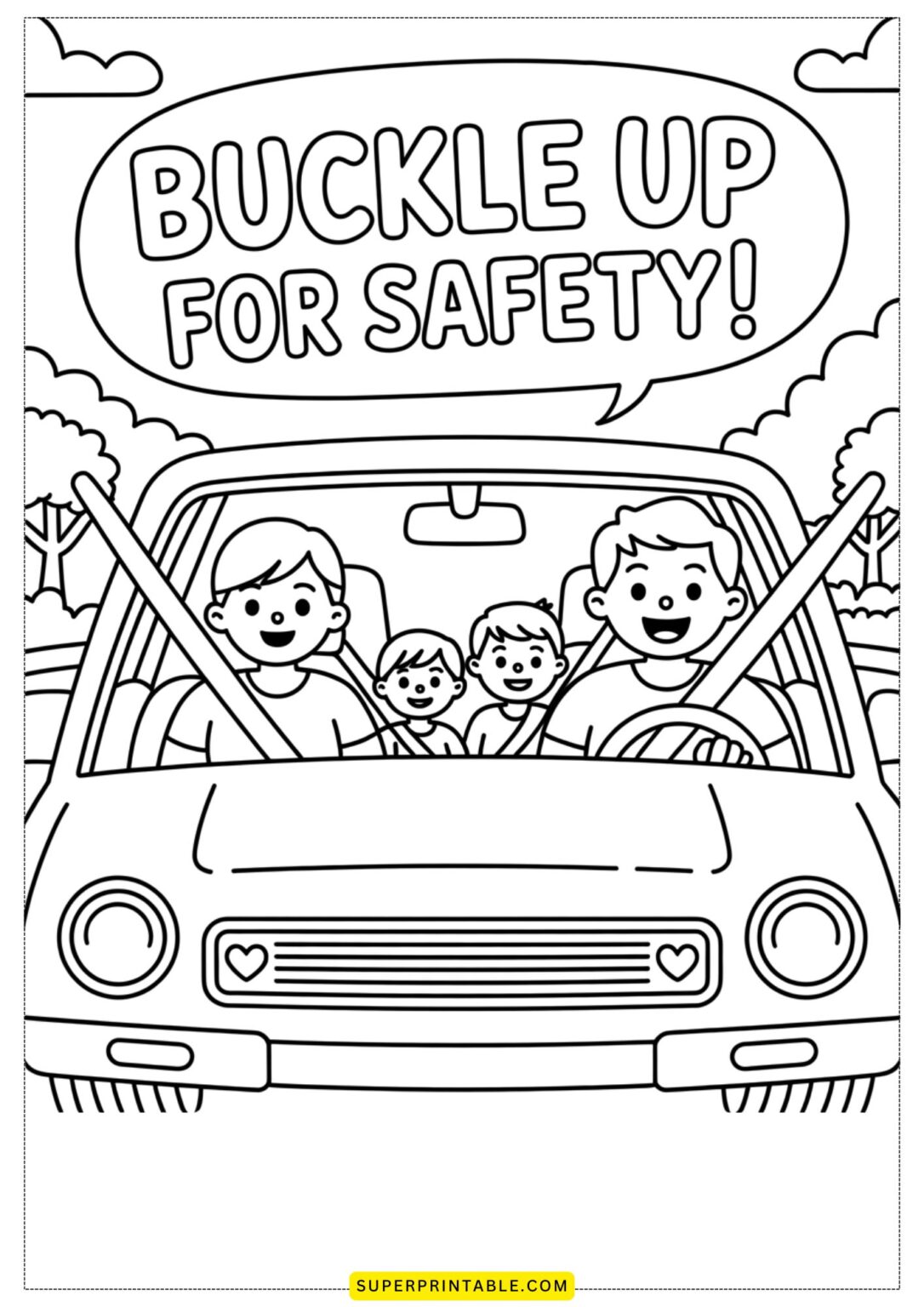
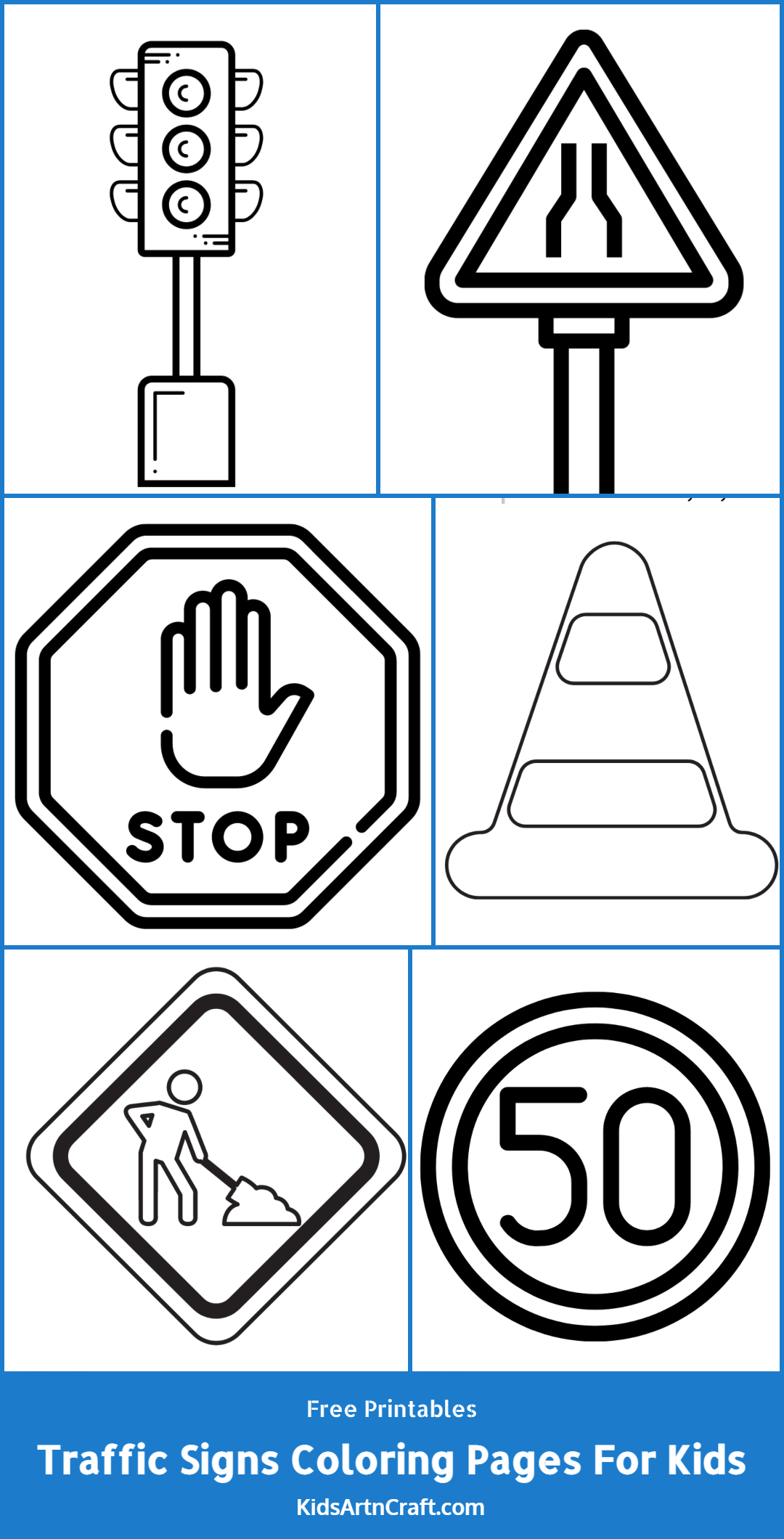
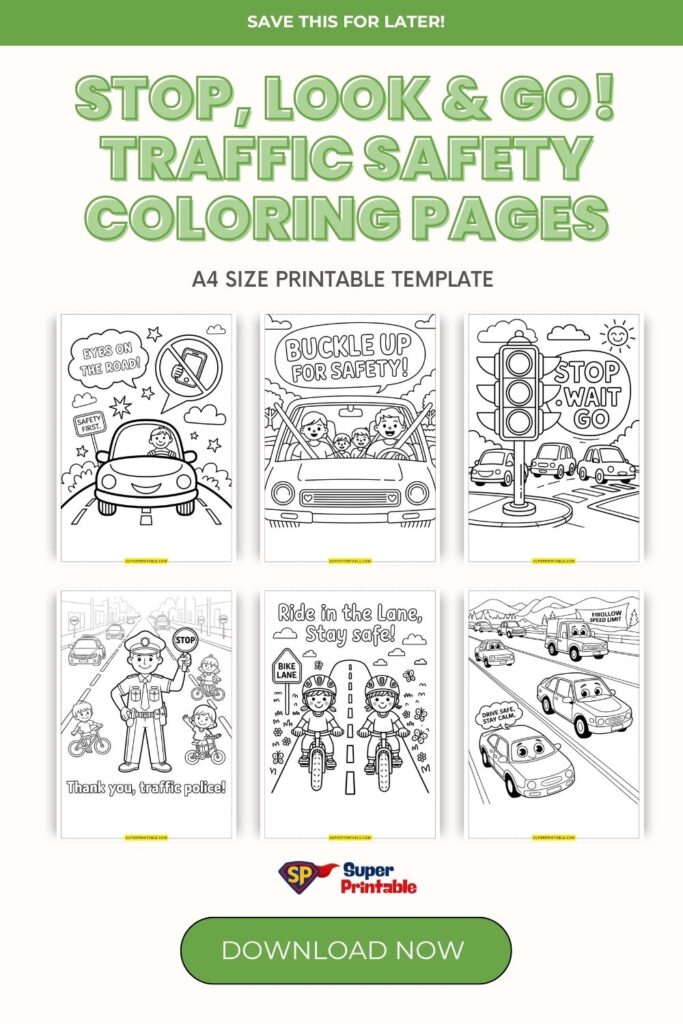
The free printable coloring pages for traffic safety use familiar street metaphors to explain digital boundaries. Just as traffic lights tell pedestrians when to stop, look, and proceed safely, digital traffic signs help children recognize when a situation requires caution. The illustrations feature friendly characters navigating neighborhood crossings, street signs, and traffic signals, translating physical navigation into digital navigation. Children often meet online risks unexpectedly through shared family devices, in-game chat features, or open video platforms where boundaries blur. By coloring scenarios involving crosswalks and stop signs, learners build intuitive cognitive bridges toward recognizing digital stop signs, such as pop-ups asking for personal details, unfamiliar chat requests, or uncomfortable content.
Key Learning Outcomes
Working through these creative sheets builds several foundational competencies for modern children. Learners discover the importance of pausing before taking action online, mirroring the pedestrian habit of looking both ways. The activities emphasize keeping personal information private, establishing the rule that full names, addresses, and school names stay off public platforms. Furthermore, the resource normalizes checking in with a trusted adult before proceeding past unfamiliar digital intersections. Children learn that they are never in trouble for reporting something confusing or uncomfortable online, framing reporting as a proactive habit rather than a punitive measure.
How to Use This Printable
Educators and caregivers can integrate these pages into morning tubs, quiet stations, or family evening routines to spark meaningful discussions. Adults should sit alongside learners during the coloring process, asking open-ended questions about the depicted street signs and how those rules apply to screen time. Here’s what makes this resource different: it relies on tactile engagement rather than screen-based lectures, keeping the focus entirely on interpersonal connection and shared understanding. As children shade in the traffic signals, adults can gently guide the conversation toward safe digital navigation practices found across various worksheets designed for early childhood development.
Practical Tips for Parents and Teachers
Maximizing the impact of this printable involves creating a relaxed atmosphere where children feel safe sharing their thoughts and digital experiences. Avoid turning the coloring session into a strict quiz; instead, use the artwork as a storytelling prompt. Ask the child what the character on the page should do next when a strange pop-up appears, encouraging them to voice their own protective strategies. Reinforce that asking questions is a superpower, and pausing to check in with a parent or teacher is always the smartest choice on any digital roadway.
Age-Appropriate Recommendations
For children ages five to seven, focus heavily on concrete rules like stopping when something feels wrong and finding an adult immediately. Eight to twelve-year-olds can engage in deeper discussions regarding digital footprints, peer pressure in online gaming, and password security. Aligning these lessons with the Common Sense Education Digital Citizenship Curriculum helps structure progressive learning milestones that grow alongside the child. According to Pew Research Center, a vast majority of parents of young children report that their kids interact with digital devices regularly, making early habit-formation essential. Safety is built through consistent, age-appropriate reinforcement rather than a single conversation.
The vast majority of young children interact with digital devices and online platforms regularly, making early habit-formation essential for long-term digital well-being. — Pew Research Center
Frequently Asked Questions
Parents and educators frequently ask how to best integrate creative printables into broader safety curricula. The answers below address common questions regarding access, implementation, and foundational research supporting digital citizenship education.
Explore More Free Kids Online Safety Printables
Expanding a child’s digital literacy toolkit requires a diverse array of engaging resources tailored to different developmental stages. Educators and parents can browse additional tools, including specialized coloring pages and comprehensive guides dedicated to fostering healthy, balanced technology habits. Exploring these supplementary materials ensures that children continue building resilience, critical thinking, and safe habits for online and digital safety across every classroom and home environment.
Key Specifications & Age-Group Overview
| Age / Grade Group | Target Skill Focus | Recommended Medium |
|---|---|---|
| Toddlers (Ages 2–4) | Hand-eye coordination & broad motor grasp | Jumbo crayons & washable finger paints |
| Early Elementary (Ages 5–7) | Line boundaries & fine pencil control | Standard colored pencils & fine-tip markers |
| Intermediate (Ages 8+) | Color blending, shading & artistic patience | Watercolor pencils, gel pens & dual-brush markers |
Images References