Introduction
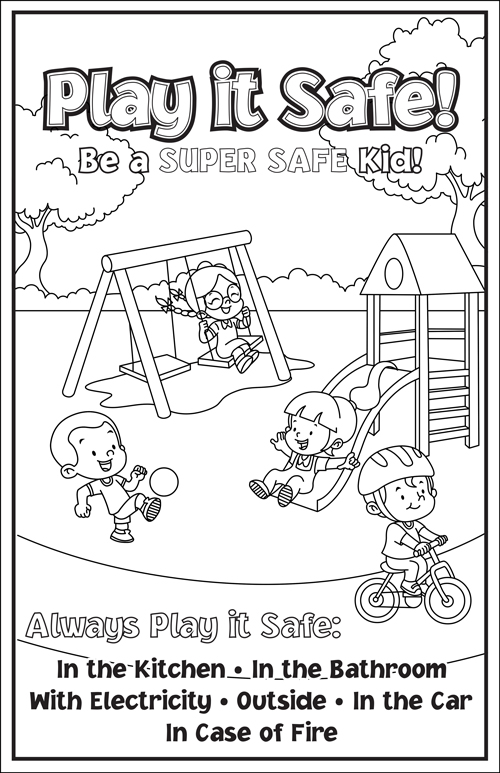
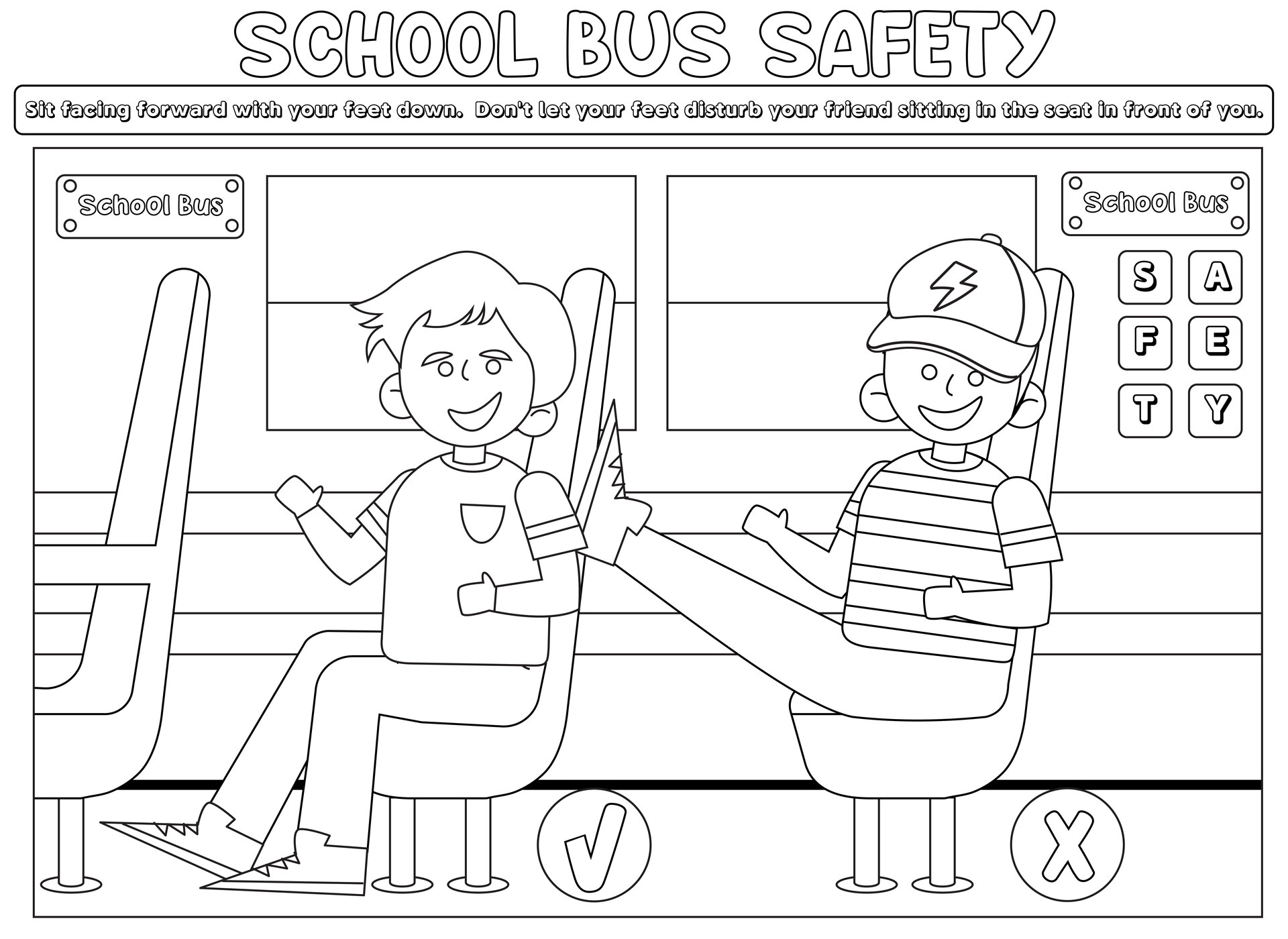
Digital engagement begins earlier than ever, often starting on shared living room tablets, family gaming consoles, and educational video platforms. Children frequently navigate virtual spaces long before possessing the developmental maturity to fully comprehend invisible digital boundaries. Teaching young minds how to navigate these environments requires patience, consistent repetition, and tools that meet them at their developmental level. The amrize kids for safety team up coloring contest provides educators and caregivers with an engaging avenue to introduce vital protective habits. Coloring reinforces safety messages and opens conversation in a low-stakes, highly creative format. Related guide: Two Factor Authentication Coloring Page Kids.
💡 Activity Key Takeaways:
- Core Focus: Printable Amrize Kids For Safety Team Up Coloring Contest designed for creative expression and fine-motor coordination.
- Target Scope: Ideal for toddlers, preschool, kindergarten, and classroom art activities.
- Best Recommendation: Use standard heavy printer paper (24–28 lb) or cardstock for vibrant results with crayons, colored pencils, or washable markers.
WhatThis Printable Covers
Artistic expression acts as a natural bridge for complex conversations about digital privacy and respectful communication. Children often process abstract concepts much better when they can visualize characters working together to solve everyday challenges. This resource centers on teamwork, highlighting the importance of looking out for peers and relying on designated grown-ups when something feels confusing online. It sounds simple, and that is the point. By focusing on tangible themes like keeping personal information private, choosing strong passwords, and pausing before sharing, the artwork translates abstract rules into concrete, memorable actions. Furthermore, exploring related creative safety sheets can deepen these early lessons.
Key Learning Outcomes
Young learners absorb lessons best through active participation rather than passive listening. Here is what makes this resource different: it transforms safety protocols from a list of intimidating restrictions into a collaborative mission. Children internalize the golden rule of never sharing home addresses, full names, or school details with online strangers. They also practice the critical understanding that reporting an uncomfortable interaction will never result in getting into trouble. According to the National Center for Missing & Exploited Children, open communication between youth and trusted adults remains one of the strongest protective factors against online exploitation.
How to Use This Printable
Successful implementation relies on creating an inviting, relaxed atmosphere around the kitchen table or classroom desk. Adults can introduce the sheet by asking open-ended questions about favorite games and how characters cooperate to win. As children color, facilitators can weave in gentle reminders about digital citizenship, connecting the teamwork theme on the paper to real-world multiplayer chat platforms. For broader classroom integration, pairing this activity with targeted interactive exercises helps reinforce memory retention across different learning styles.
Practical Tips for Parents and Teachers
Facilitating these discussions does not require a background in computer science or cybersecurity. Educators find success by keeping language simple, positive, and empowering rather than fear-based. Caregivers should use the coloring time to establish a household tradition where children feel safe approaching an adult about strange pop-ups, mean comments, or unfamiliar requests. Keeping the coloring supplies accessible invites organic questions and turns a single worksheet into an ongoing, healthy dialogue about everyday digital habits.
Age-Appropriate Recommendations
Younger children in early elementary grades benefit most from foundational concepts, focusing heavily on identifying trusted adults and understanding physical versus virtual boundaries. Older elementary students can transition from basic coloring to deeper discussions regarding digital footprints and respectful online communication. Aligning these lessons with the Common Sense Education Digital Citizenship Curriculum provides a structured pathway that adapts seamlessly to various developmental milestones. Frame safety as a skill to build, never a threat to dread, ensuring students feel confident and supported.
According to Common Sense Media research, a significant percentage of children begin using mobile devices before entering kindergarten, making early foundational safety habits more essential than ever. — Common Sense Media
Frequently Asked Questions
Navigating digital safety education often brings up logistical questions for busy educators and parents. Quick answers help streamline lesson planning and home routines. The following FAQs address common inquiries regarding downloading materials, educational goals, and alignment with recognized safety organizations.
Explore More Free Kids Online Safety Printables
Building lasting digital habits requires a diverse library of creative tools and ongoing practice. Caregivers and teachers can discover additional resources by browsing comprehensive collections focused on internet and digital safety strategies. Expanding this foundation ensures children remain equipped, confident, and prepared for every new digital adventure.
Key Specifications & Age-Group Overview
| Age / Grade Group | Target Skill Focus | Recommended Medium |
|---|---|---|
| Toddlers (Ages 2–4) | Hand-eye coordination & broad motor grasp | Jumbo crayons & washable finger paints |
| Early Elementary (Ages 5–7) | Line boundaries & fine pencil control | Standard colored pencils & fine-tip markers |
| Intermediate (Ages 8+) | Color blending, shading & artistic patience | Watercolor pencils, gel pens & dual-brush markers |
Images References