Why Structured Learning Materials Matter for Artificial Intelligence Literacy
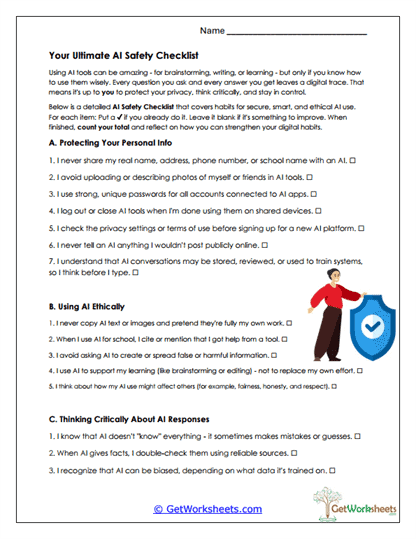
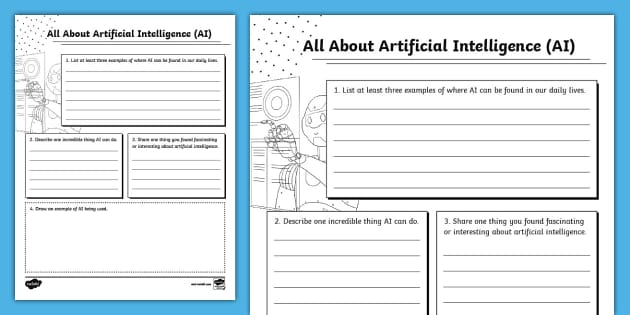
As generative tools and automated assistants integrate into daily learning, teaching students how to navigate these systems responsibly is paramount. Educators and families frequently look for structured resources, including Worksheets, to introduce digital boundaries, data privacy, and critical thinking. Aligning with guidance from ConnectSafely and the Federal Trade Commission regarding youth online interactions, adults must move beyond simple bans. Instead, we need practical tools that help students understand how artificial intelligence collects information, generates deepfakes, and influences digital environments.
💡 Educational Key Takeaways:
- Core Skill: Structured Ai Safety Worksheets focused on developing pencil grip, stroke control, and early literacy/math confidence.
- Target Scope: Suited for homeschoolers, preschool, kindergarten, and elementary learners.
- Best Recommendation: Practice 10–15 minutes daily with ergonomic writing tools to reinforce muscle memory without hand fatigue.
Recognizing Risk Signals and Applying Preventive Guardrails
Protecting youth online requires watching for specific digital vulnerabilities, ranging from unverified chat applications to oversharing personal details with automated bots. The breakdown below outlines common technical risks and the actionable safeguards adults can implement at home and in the classroom. Related guide: Credible Sources For Kids.
| Setting / Context | Common Vulnerability | Practical Safeguard |
|---|---|---|
| Home Devices & Tablets | Unregulated chatbot apps downloading background data or tracking location. | Restrict app store permissions, require adult approval for downloads, and review privacy policies. |
| School Chromebooks | Entering full names, student IDs, or home addresses into unvetted writing tools. | Incorporate lessons from our Internet and Digital Safety modules to teach data minimization. |
| Social Media & Chat Bots | Believing conversational interfaces are sentient friends or human peers. | Establish calm, open dialogues about how algorithms simulate empathy without actual comprehension. |
Establishing Healthy Digital Routines at School and Home
Integrating safety concepts into daily life works best when expectations remain consistent across both environments. Schools should clearly communicate acceptable-use policies that outline which automated tools are approved for assignments and which ones require direct supervision. Parents can reinforce these expectations by setting up centralized device charging stations in common rooms rather than allowing screens in bedrooms overnight. When families utilize printable exercises alongside these routines, children gain a tangible way to process complex concepts like deepfake manipulation and algorithmic bias. Furthermore, implementing two-factor authentication on personal accounts prevents unauthorized access, while establishing a non-punitive reporting protocol ensures students feel safe coming forward if they encounter inappropriate content or predatory chat interactions online.
Overcoming Resistance and Managing Common Student Workarounds
Overly restrictive content filters often backfire, driving tech-savvy children to seek out unsanctioned workarounds, proxy sites, or hidden messaging apps. Rather than relying solely on rigid blocking software, adults should pair technical controls with transparent conversations about why certain guardrails exist. According to recommendations from the Cybersecurity and Infrastructure Security Agency, building a culture of digital resilience involves explaining the mechanics behind online threats rather than using fear-based tactics. If a student bypasses a filter, use the moment as a teachable interaction rather than an immediate punishment. Reviewing safety activities together helps reframe the conversation from policing behavior to empowering students as responsible digital citizens.
Frequently Asked Questions About Artificial Intelligence Education
At what age should children start learning about automated technology safety?
Basic foundational concepts can begin as early as kindergarten through guided media literacy and interactive Online and Digital Safety lessons. As children grow into middle and high school, topics should expand to cover deepfakes, copyright concerns, and data privacy.
How can teachers incorporate artificial intelligence boundaries without overwhelming the curriculum?
Educators can integrate short, five-minute guided discussions or activity sheets at the start of digital media lessons. This normalizes safe habits naturally without requiring a complete redesign of existing lesson plans.
First, remain calm and use the situation to discuss data permanence. Help the child adjust privacy settings, delete conversation history where possible, and remind them never to input home addresses, phone numbers, or school names into public models.
Explore More Digital Citizenship Resources
Empowering the next generation requires continuous learning, up-to-date guidance, and collaborative community efforts. Visit SafeWiredSchools.org to discover our full suite of educator toolkits, parent guides, and interactive lessons designed to keep students secure in an increasingly connected digital world.
Worksheet Previews & Reference Materials