Introduction
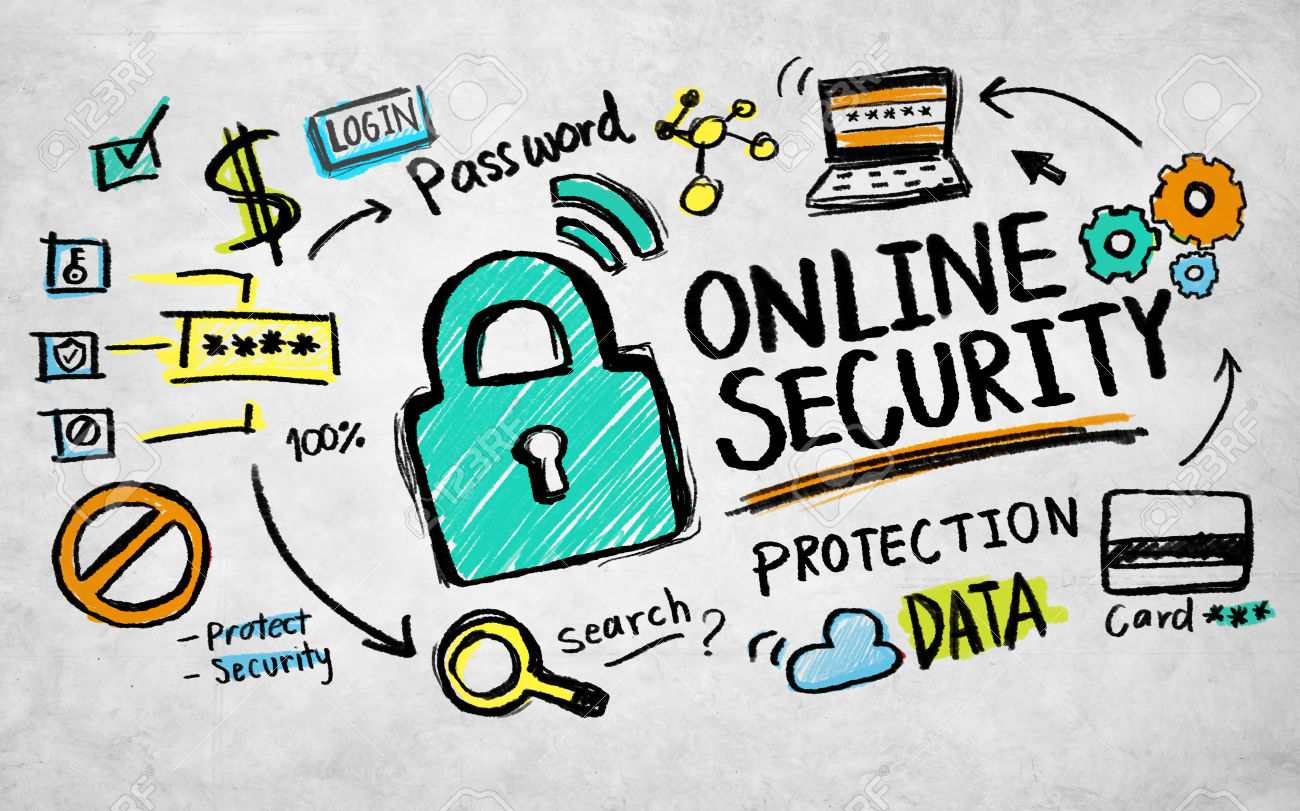
Internet safety and digital security involve the proactive protection of students, networks, and confidential data from online threats through robust digital literacy and technical controls. According to the Cybersecurity and Infrastructure Security Agency (CISA), fostering secure online habits early significantly mitigates exposure to cyber risks, phishing, and unauthorized data collection in educational environments. Maintaining a secure digital environment requires a synchronized approach across households and learning institutions, ensuring that young internet users navigate online spaces with technical awareness and behavioral resilience. Comprehensive digital citizenship frameworks empower middle school students, teachers, and administrators to recognize vulnerabilities, uphold strict privacy settings, and maintain balanced screen routines. Related guide: Teachers Of Grades 9–12 Should Expand Internet Safety Instruction To Include Which Of The Following Topics?.
Digital Safety Snapshot:
- Core Focus: Implementation of internet safety and digital security protocols across school and home environments.
- Target Scope: Middle school students, educators, school administrators, and parents.
- Key Recommendation: Enforce mandatory device hygiene, continuous digital footprint monitoring, and proactive cyberbullying reporting mechanisms.
Core Principles and Detailed Overview
School internet safety requires multi-layered defensive strategies that encompass classroom device hygiene, permanent digital footprint management, and active cyberbullying prevention. Digital security protocols must protect sensitive student information while fostering constructive learning spaces that integrate structured screen balance. Educational institutions rely on filtering software, multi-factor authentication, and endpoint protection to secure school-issued hardware. Meanwhile, educators and parents must guide students to understand that every online interaction, comment, and shared photograph contributes to a lasting digital reputation. Developing foundational digital resilience prevents unauthorized data exposure, reduces vulnerability to malicious online actors, and teaches students to critically evaluate the credibility of digital content encountered during daily research or social interactions.
Key Specifications and Breakdown
| Safety Pillar | Digital Risk Factor | Actionable Protective Habit |
|---|---|---|
| Device Hygiene | Malware infections and unauthorized access via unsecured public Wi-Fi networks. | Apply regular firmware updates and utilize secure virtual private networks on all student devices. |
| Digital Footprint | Permanent archiving of inappropriate personal content affecting future academic opportunities. | Review privacy settings weekly and practice the rule of pausing before publishing any online text or media. |
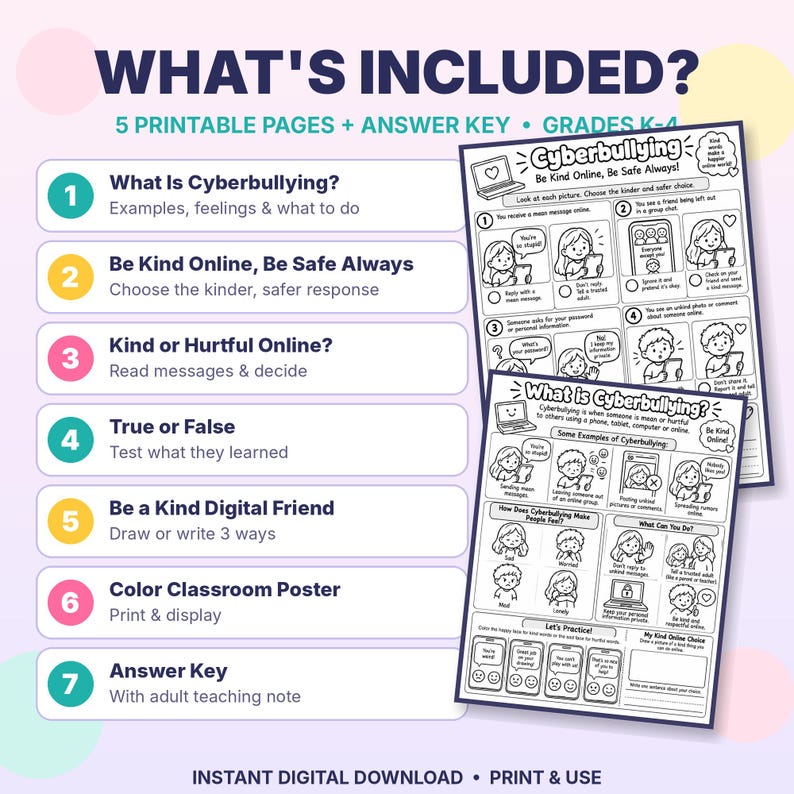
| Cyberbullying Prevention | Anonymous harassment, social exclusion, and psychological distress across messaging platforms. | Document harmful interactions immediately, utilize built-in blocking tools, and report incidents to trusted adults. |
Maintaining cybersecurity and personal privacy online requires continuous education, proactive endpoint management, and strict adherence to institutional safety baselines. — Cybersecurity & Infrastructure Security Agency (CISA)
Step-by-Step Practical Application and Guidelines
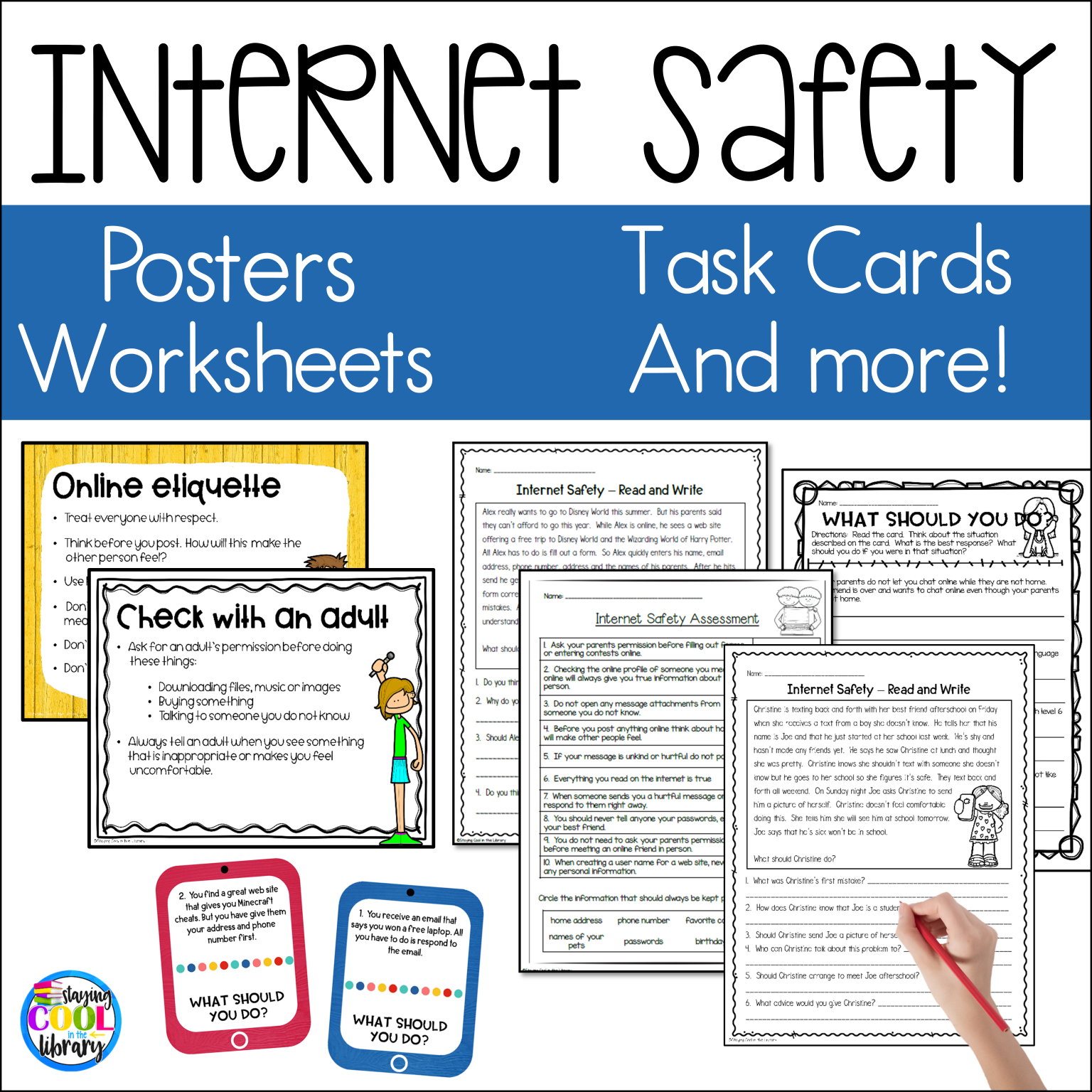
Establishing robust internet safety and digital security standards begins with defining clear behavioral boundaries and technical safeguards for every connected user. First, schools must audit network configurations and ensure that content filters comply with educational safety mandates without impeding legitimate research activities. Second, educators should integrate targeted modules on digital footprints and cyberbullying prevention directly into standard curricula, utilizing specialized instructional Worksheets to reinforce critical thinking regarding online privacy. Third, parents and teachers need to collaborate on establishing designated offline hours to support healthy classroom screen balance, reducing digital fatigue and cognitive overload. Fourth, students must be trained to implement strong, unique passphrases, recognize suspicious phishing lures, and log out of shared terminals immediately after completing academic tasks. Finally, establishing transparent reporting channels ensures that any security anomaly or instance of digital harassment receives swift administrative review and remediation.
Common Challenges and How to Avoid Them
Overconfidence in technical filters and inconsistent policy enforcement represent primary vulnerabilities in maintaining comprehensive internet safety and digital security standards. Many schools mistakenly assume that network-level firewalls eliminate all cyber risks, ignoring the reality that students frequently bypass restrictions via personal mobile data or unsecured applications. To combat this oversight, administrators must combine technical filtering with behavioral education found within dedicated resources like Internet and Digital Safety modules. Another frequent challenge involves screen fatigue and distraction during instructional periods, which undermines both academic focus and mental well-being. Educators resolve this issue by implementing structured device-free intervals and integrating creative offline learning exercises such as printable Coloring Pages for younger cohorts or transition periods. Consistent communication between school staff and families bridges the gap between institutional policies and home practices, ensuring complete alignment in protecting young digital citizens.
💬 Frequently Asked Questions
Explore More Kids Safety and Digital Citizenship Guides on SafeWiredSchools
Safeguarding young digital citizens requires ongoing access to authoritative resources, practical toolkits, and structured educational curricula. Parents, educators, and school administrators can explore comprehensive guides, lesson plans, and defensive strategies by visiting the central repository at Safe Wired Schools. Implementing these proven frameworks ensures that students develop lifelong digital resilience, maintain rigorous device hygiene, and navigate online environments safely and responsibly.
Visual Reference Gallery