Introduction
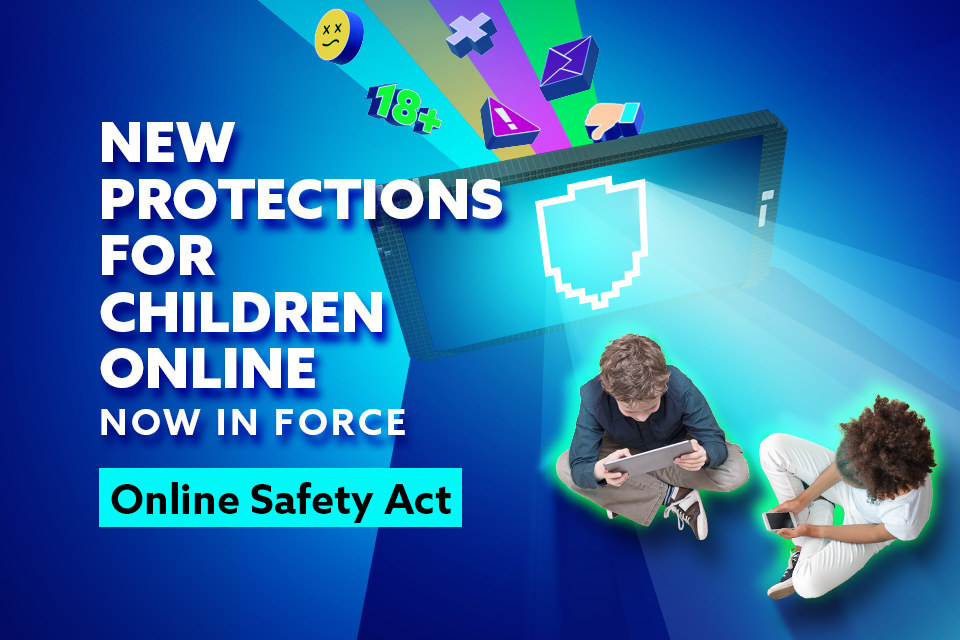
A kids internet and digital safety bill encompasses legislative measures and institutional frameworks designed to protect minors from harmful online exposure, predatory behavior, and data exploitation within educational and domestic environments. According to the Federal Trade Commission (FTC Consumer Advice), protecting minors online requires a combination of strict privacy defaults, transparent platform policies, and proactive educational oversight from adults. School administrators, educators, parents, and students must understand these protective statutes to maintain secure digital learning ecosystems, cultivate responsible digital citizenship, and mitigate risks associated with daily technology integration. Related guide: Teachers Of Grades 9–12 Should Expand Internet Safety Instruction To Include Which Of The Following Topics?.
Digital Safety Snapshot:
- Core Focus: Legislative and operational frameworks prioritizing student privacy, cyberbullying reduction, and school-issued device hygiene.
- Target Scope: Middle school students, classroom teachers, school administrators, and families navigating connected devices.
- Key Recommendation: Implement robust network filters alongside continuous digital citizenship instruction to bridge legal compliance with everyday habits.
Core Principles and Detailed Overview
Comprehensive digital safety legislation targets multiple vulnerable vectors, including data harvesting, permanent digital footprints, unmonitored communication channels, and excessive classroom screen time. Educational institutions leverage these statutory guidelines to shape Internet and Digital Safety policies that dictate how student data is stored, shared, and protected from unauthorized third parties. By establishing clear regulatory baselines, schools and families can effectively collaborate to prevent cyberbullying, secure hardware against malware, and foster balanced, health-conscious device usage patterns throughout the academic year.
Key Specifications and Breakdown
| Safety Pillar | Digital Risk Factor | Actionable Protective Habit |
|---|---|---|
| Data Privacy | Unauthorized third-party tracking and student profiling | Use encrypted district-approved software and review platform privacy policies. |
| Cyberbullying Defense | Harassment via anonymous messaging or shared documents | Report suspicious peer interactions immediately and utilize built-in blocking tools. |
| Device Hygiene | Malware infiltration and unsecured personal account logins | Log out of shared terminals and update operating systems regularly. |
Minors require specialized digital protections that restrict commercial data collection, limit targeted advertising, and enforce age-appropriate content filters across all educational and consumer tech platforms. — Federal Trade Commission (FTC)
Step-by-Step Practical Application and Guidelines
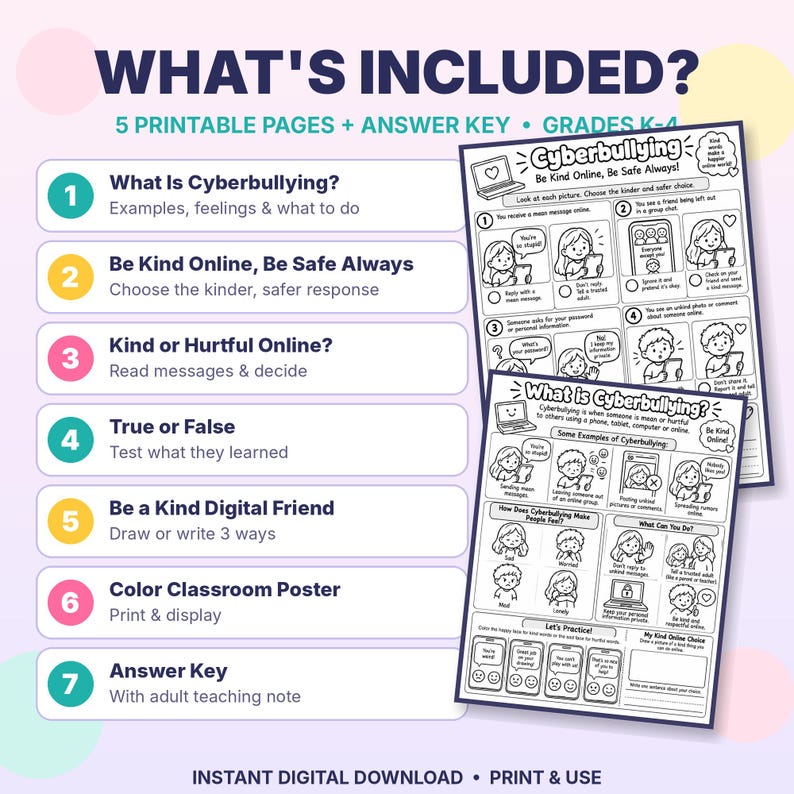
Implementing robust safety standards involves translating abstract legislative mandates into daily operational routines for classrooms and households. Educators integrate foundational concepts into lessons by utilizing structured Worksheets that prompt students to critically evaluate online sources, recognize phishing attempts, and comprehend the long-term consequences of their digital footprints. Meanwhile, school IT departments enforce strict firewall boundaries, and parents establish clear device curfews at home to ensure screen balance, preventing technological fatigue and promoting cognitive well-being.
Common Challenges and How to Avoid Them
Over-reliance on automated filtering tools often creates a false sense of security, overlooking nuanced peer-to-peer cyberbullying and sophisticated social engineering tactics. Educational communities successfully avoid these compliance gaps by pairing technical software blocks with active adult supervision and open dialogue about emerging online threats. Furthermore, keeping young users engaged through creative mediums such as Coloring Pages helps reinforce digital safety concepts for younger cohorts without inducing anxiety or disengagement.
💬 Frequently Asked Questions
Explore More Kids Safety and Digital Citizenship Guides on SafeWiredSchools
Understanding legislative safety benchmarks and operational protocols is essential for building resilient, digitally literate school communities. Educators, administrators, and families can access an extensive library of expert resources, lesson plans, and protective frameworks by visiting Safe Wired Schools to support ongoing student safety initiatives.
Visual Reference Gallery