Introduction
The legislative framework known as the us kids internet and digital safety act establishes essential federal protections designed to shield minors from predatory digital exploitation, dangerous online environments, and unregulated data harvesting on school and home networks. According to ConnectSafely, online safety education must prioritize structural accountability, empowering educators and guardians with standardized tools to enforce comprehensive protective measures across all student-facing technologies. This comprehensive approach directly targets modern vulnerabilities associated with unsecured device access, unmonitored browsing sessions, and the pervasive expansion of harmful digital footprints during formative developmental years. Educational institutions and households must align daily operational routines with these legislative benchmarks to ensure an airtight protective barrier around minor users. Comprehensive guidance on establishing these institutional boundaries remains accessible within the primary Internet and Digital Safety directory.
Digital Safety Snapshot:
- Core Focus: Establishing federal and institutional safeguards under the us kids internet and digital safety act to protect minor internet users from online exploitation.
- Target Scope: Middle school learning environments, educational administrative systems, and residential digital infrastructures.
- Key Recommendation: Mandate robust network filtering and strict cryptographic device hygiene across all school-issued hardware.
Core Principles and Detailed Overview
Comprehensive compliance with the us kids internet and digital safety act requires institutional implementation of rigorous content filters, transparent data collection policies, and proactive cyberbullying mitigation strategies within every classroom ecosystem. Educational administrators must recognize that student digital footprints extend far beyond immediate classroom assignments, permanently shaping future academic and professional viability through persistent online records. Proactive network management involves restricting unauthorized tracking cookies, disabling unvetted third-party applications, and deploying localized intrusion detection systems on school-issued Chromebooks and tablets. Furthermore, maintaining optimal classroom screen balance ensures that digital tools enhance academic achievement without inducing cognitive fatigue, attention deficits, or excessive sedentary behavior. Detailed pedagogical frameworks and printable support assets are actively utilized through the dedicated Online and Digital Safety repository.
Key Specifications and Breakdown
| Safety Pillar | Digital Risk Factor | Actionable Protective Habit |
|---|---|---|
| Data Privacy | Unauthorized third-party tracking and commercial harvesting of minor profile data. | Enforce strict zero-logging configurations on all school-managed browser profiles. |
| Cyberbullying Prevention | Anonymous harassment, targeted exclusion, and peer intimidation on messaging channels. | Deploy automated sentiment analysis on school chat platforms and mandate immediate reporting protocols. |
| Device Hygiene | Malware infiltration, compromised credentials, and neglected firmware vulnerability patches. | Schedule automated weekly operating system updates and enforce strong multi-factor authentication. |
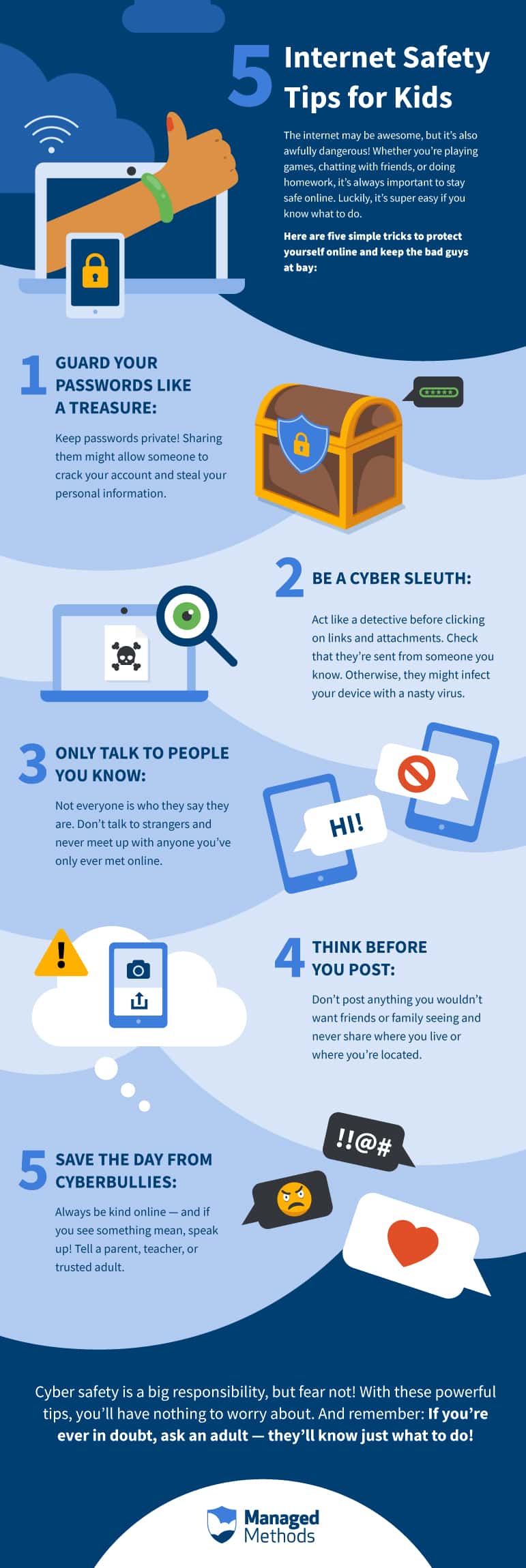
Standardized digital safety frameworks require continuous network monitoring, mandatory minor data privacy protections, and regular educator training to effectively mitigate emerging online threats. — Cybersecurity & Infrastructure Security Agency (CISA). Related guide: 5 Cyber Safety Tips Symbols That Can Be Read By The Grede 7 Students.
Step-by-Step Practical Application and Guidelines
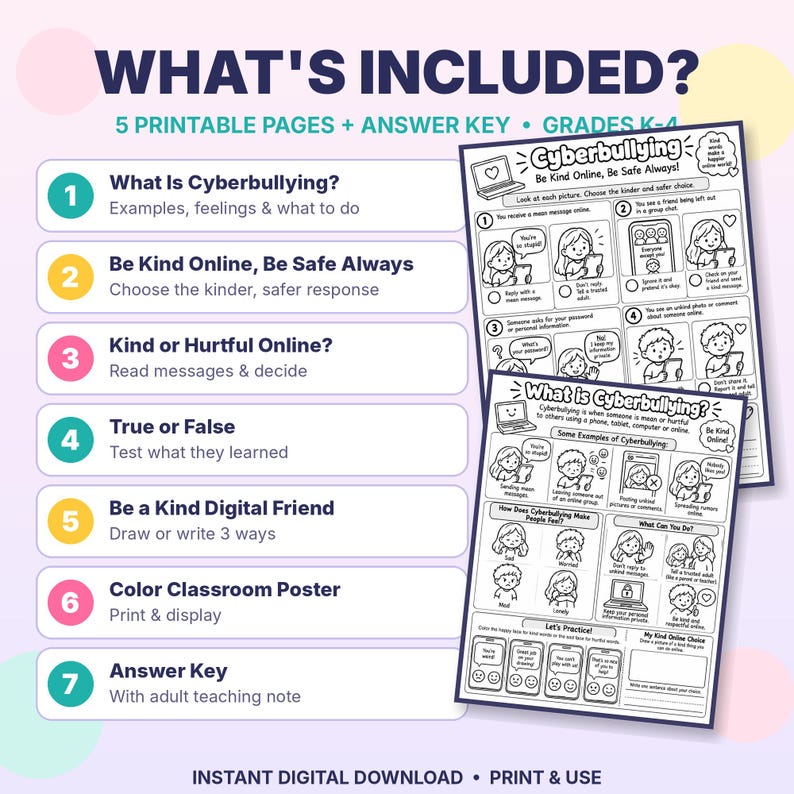
Executing safety mandates within schools begins by auditing existing network hardware, updating content filtering parameters, and conducting mandatory digital citizenship training sessions for all incoming middle school students. Administrators must first classify institutional network traffic to isolate student browsing pathways from administrative databases, preventing unauthorized access to sensitive accounts. Next, teachers should integrate targeted Worksheets into daily curricula to reinforce secure password creation, recognize phishing attempts, and understand the permanence of online posting behaviors. Device hygiene protocols must be standardized so that every student clears browser caches, logs out of communal terminals, and reboots hardware at the conclusion of each class period. Establishing these predictable operational routines minimizes device vulnerabilities while fostering a culture of collective digital accountability among adolescents.
Common Challenges and How to Avoid Them
Over-reliance on passive content filters without active digital literacy instruction represents a primary vulnerability that undermines the intent of the us kids internet and digital safety act in modern educational environments. Students frequently circumvent rigid restrictions using encrypted virtual private networks or proxy extensions unless technical safeguards are paired with direct behavioral intervention. Educators must regularly inspect device extension lists and audit network logs to detect unauthorized software installations before security breaches occur within the school firewall. Additionally, schools often struggle to maintain healthy screen balance, inadvertently replacing physical interaction with continuous digital instruction; administrators must deliberately schedule screen-free intervals to support student well-being. Proactive oversight, combined with open communication channels between teachers, parents, and students, successfully neutralizes these persistent operational pitfalls.
💬 Frequently Asked Questions
Explore More Kids Safety and Digital Citizenship Guides on SafeWiredSchools
Educational institutions and parents seeking continuous professional development resources, policy templates, and interactive learning tools can access the comprehensive library maintained at Safe Wired Schools. Continued engagement with expert-verified instructional materials ensures that schools remain fully aligned with evolving legislative mandates, protecting students as they navigate complex digital environments.
Visual Reference Gallery