Introduction
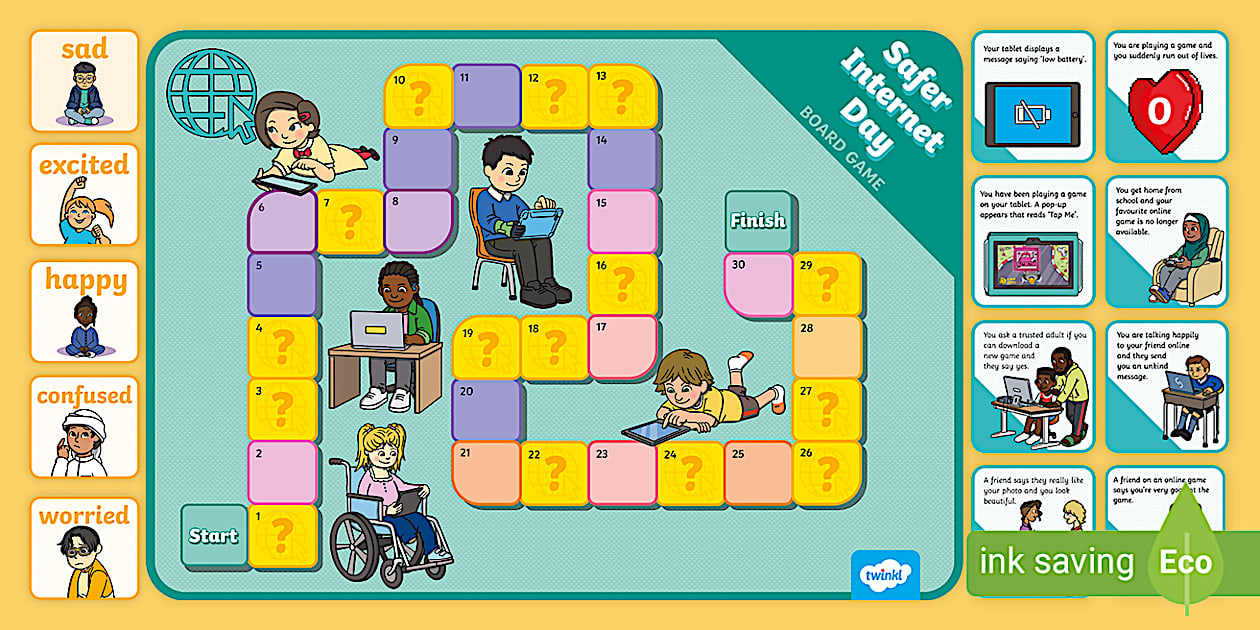
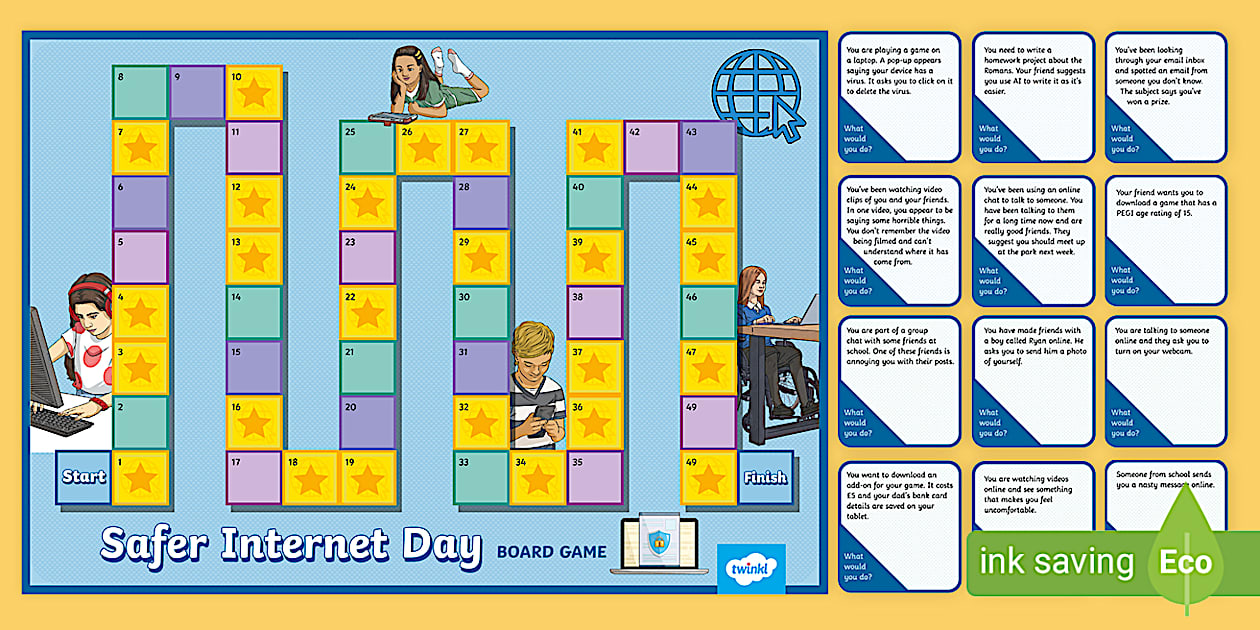
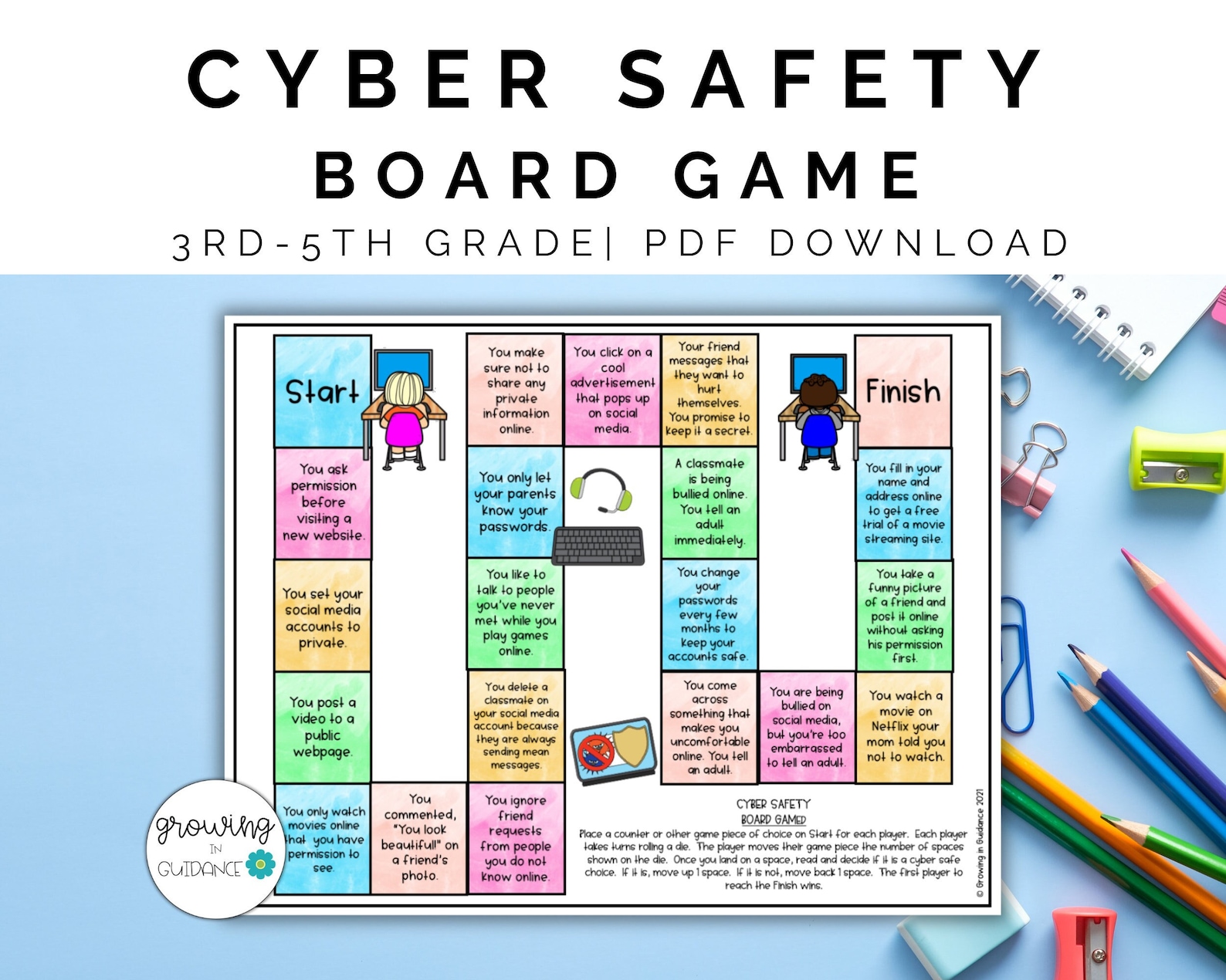
Online internet safety games are interactive digital simulations designed to teach middle school students, educators, and families how to navigate cyber risks, maintain device hygiene, and practice positive digital citizenship through gamified experiential learning. According to the Family Online Safety Institute (FOSI), equipping students with proactive risk-mitigation skills via engaging digital platforms significantly reduces adolescent exposure to online threats while reinforcing positive classroom screen balance. Educators increasingly leverage these gamified learning modules within foundational Internet and Digital Safety curriculums to transform abstract technical policies into actionable, memorable behavioral habits. Understanding how interactive digital safety modules operate allows schools and households to protect student assets, prevent disruptive cyberbullying incidents, and safeguard permanent digital footprints without sacrificing instructional engagement.
Digital Safety Snapshot:
- Core Focus: Gamified simulations educating middle schoolers on digital footprints, cyber hygiene, and classroom screen balance.
- Target Scope: Middle school classrooms, school administrator training portals, and home-school digital citizenship initiatives.
- Key Recommendation: Integrate scenario-based interactive safety challenges into routine academic modules to reinforce protective online behaviors.
Core Principles and Detailed Overview
Interactive online internet safety games function by immersing students in simulated virtual scenarios where decisions regarding password strength, friend requests, and data privacy carry immediate, low-stakes consequences. Educational modules focus heavily on cultivating a positive digital footprint, recognizing phishing attempts, and preventing cyberbullying by fostering empathy and critical thinking during online communication. By embedding these exercises into school curricula alongside structured Online and Digital Safety lessons, institutions ensure that students grasp the real-world permanence of online actions. Furthermore, structured interactive play supports healthy screen balance, teaching adolescents to recognize digital fatigue, regulate device usage, and implement proper hardware hygiene procedures across school-issued laptops and personal mobile devices.
Key Specifications and Breakdown
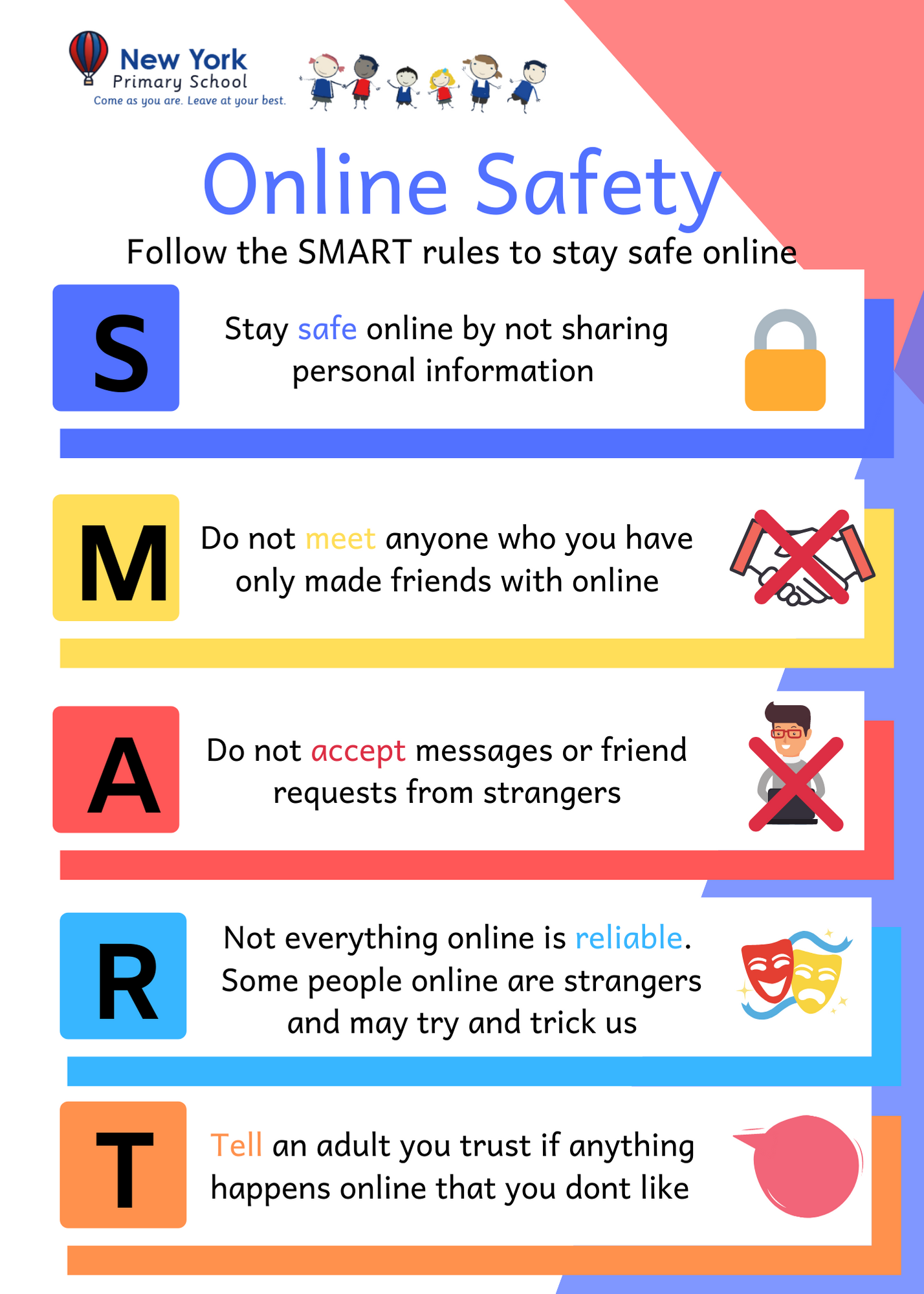
| Safety Pillar | Digital Risk Factor | Actionable Protective Habit |
|---|---|---|
| Digital Footprint | Permanent storage of inappropriate text or images | Evaluate long-term consequences before posting or sharing content online. |
| Cyberbullying Prevention | Anonymous harassment, exclusion, or digital hostility | Report abusive behavior immediately and utilize block tools instead of retaliating. |
| Device Hygiene | Malware infiltration, weak credentials, and data breaches | Create complex passphrases and routinely update operating systems. |
Interactive experiential learning modules significantly improve student retention of online threat identification compared to passive lecture formats — Cybersecurity & Infrastructure Security Agency (CISA)
Step-by-Step Practical Application and Guidelines
Implementing online internet safety games effectively within an educational setting requires a structured, multi-phase approach that bridges gameplay with real-world reflection. Administrators and teachers should begin by auditing existing digital citizenship lesson plans to identify knowledge gaps surrounding device hygiene and peer interaction. Next, educators must select age-appropriate, evidence-based simulation platforms that align with institutional safety policies. Facilitators should introduce each game with clear learning objectives, ensuring students understand that the virtual scenarios mirror actual online environments. Following gameplay, instructors must lead debriefing sessions where participants analyze the consequences of their virtual decisions, connect game mechanics to real-world cyber threats, and document key takeaways on complementary Worksheets designed to reinforce retention. Finally, schools should partner with parents to extend these interactive learning principles into the home environment, promoting consistent digital safety standards across all devices.
Common Challenges and How to Avoid Them
Treating online internet safety games as mere entertainment rather than rigorous educational tools represents the most frequent pitfall encountered by educators and parents. When students rush through simulation prompts simply to complete a task, deep cognitive processing of cyber risks fails to occur. To counteract this tendency, facilitators must mandate reflective journaling or group discussions following every gaming session, requiring students to articulate the rationale behind their virtual choices. Another recurring obstacle involves screen fatigue and diminished student engagement during prolonged digital instruction blocks. Integrating kinetic activities, such as hands-on Coloring Pages for younger cohorts or collaborative whiteboard mapping for middle schoolers, helps maintain healthy screen balance while reinforcing critical online safety principles. Schools must also verify that all selected gaming software complies with strict student data privacy regulations, ensuring no personally identifiable information is collected during gameplay.
💬 Frequently Asked Questions
Explore More Kids Safety and Digital Citizenship Guides on SafeWiredSchools
Safeguarding students requires continuous access to vetted, authoritative educational resources that bridge the gap between technology and responsible digital citizenship. Educators, school administrators, and parents can expand their instructional toolkits by exploring the comprehensive library of guides, lesson frameworks, and student activity materials hosted directly at Safe Wired Schools. Utilizing these structured assets empowers the entire school community to foster secure, resilient, and mindful digital learners.
Visual Reference Gallery