Introduction
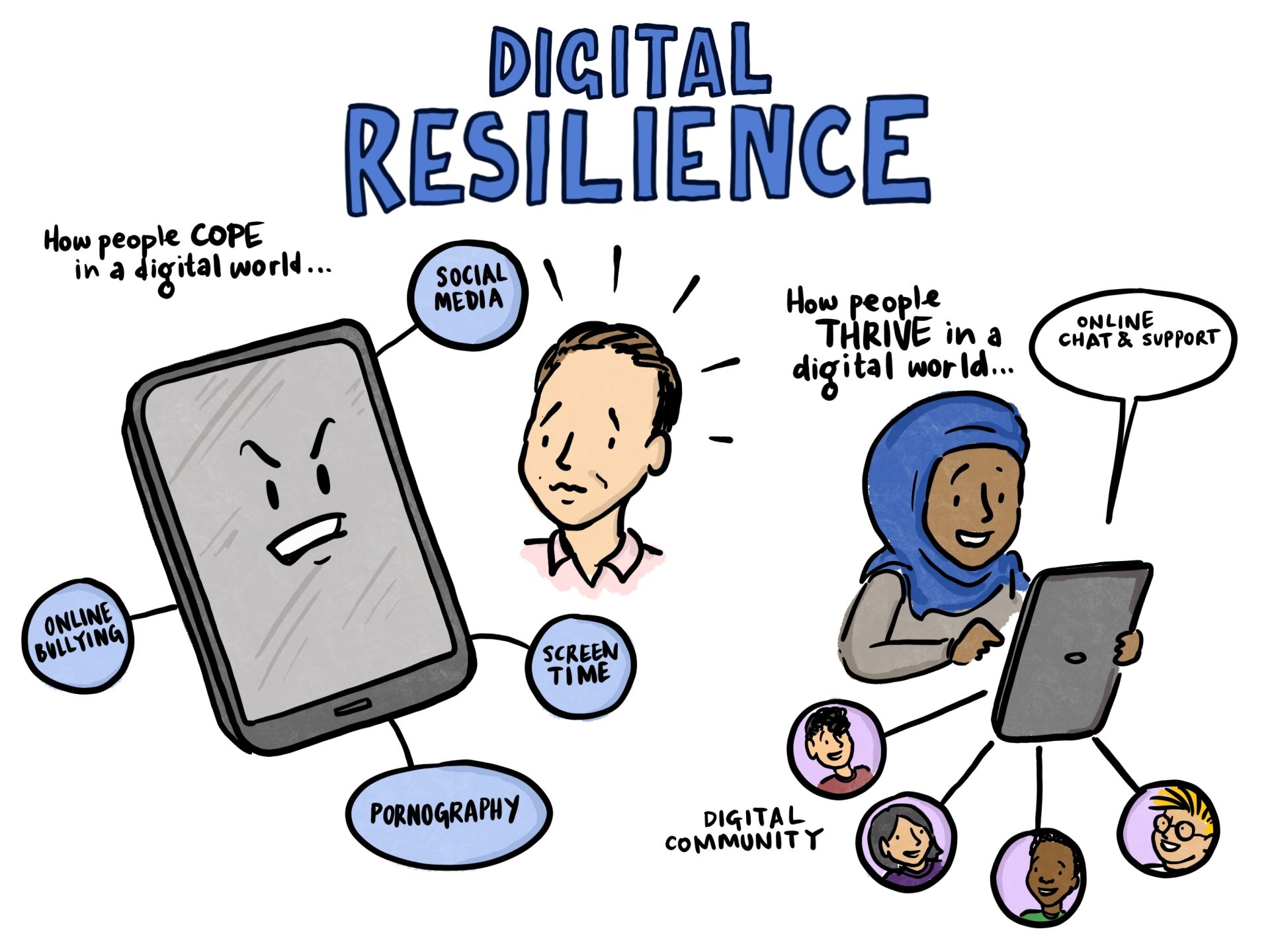
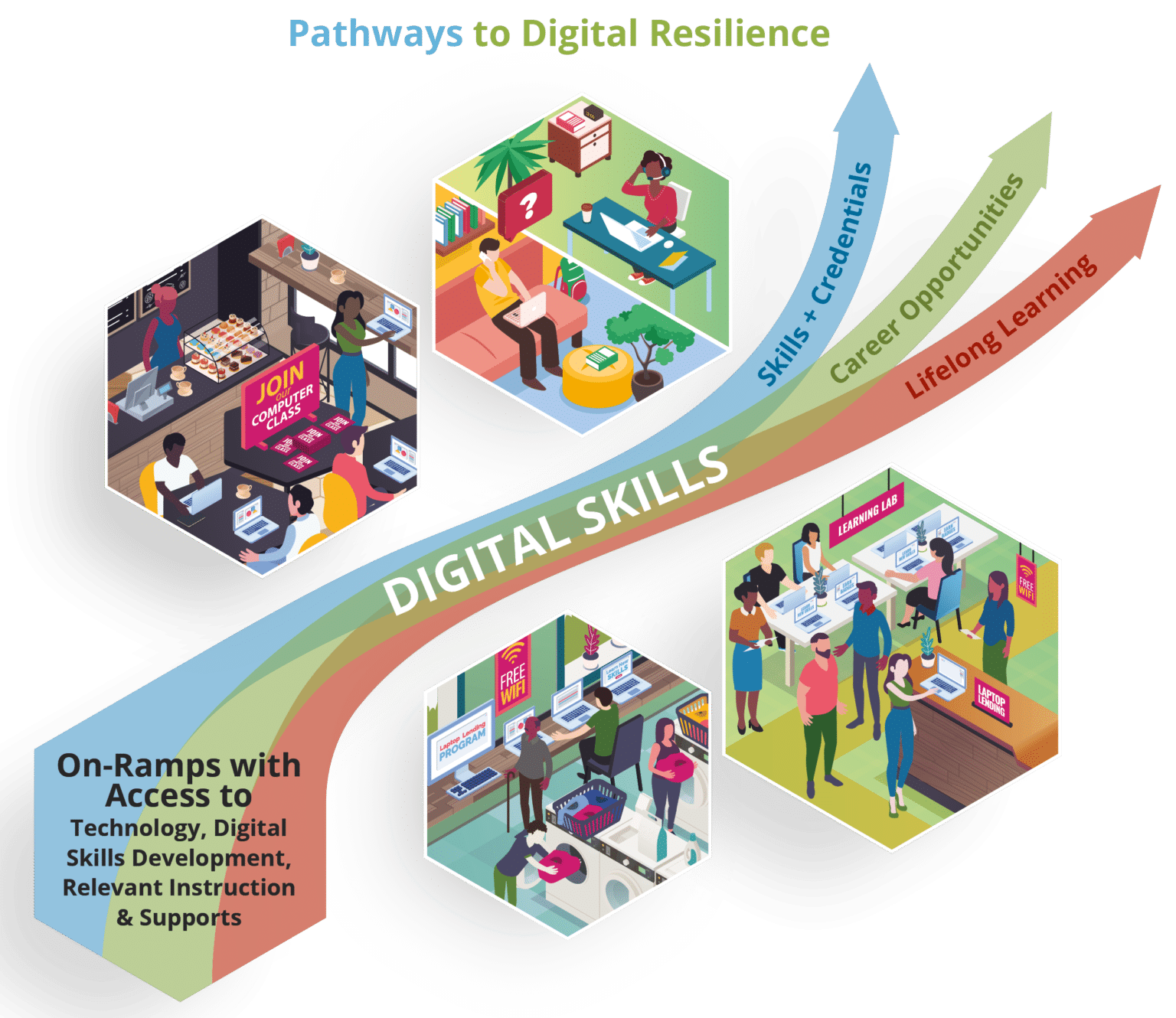
Online safety refers to the technical and behavioral barriers established to prevent harm, while digital resilience describes the capacity to navigate, recover from, and learn through negative digital experiences. According to the Cybersecurity and Infrastructure Security Agency (CISA), a comprehensive approach to cyber hygiene requires both proactive defense mechanisms and the development of critical thinking skills to manage risks effectively. Establishing this distinction is vital for educators and parents aiming to cultivate a secure environment that balances device protection with the growth of independent, responsible digital citizens.
Digital Safety Snapshot:
- Core Focus: Safety acts as the shield against external threats, whereas resilience acts as the internal compass for managing digital impact.
- Target Scope: Implementation across K-12 school infrastructures, home monitoring, and student-led device usage.
- Key Recommendation: Integrate technical filtering with regular discourse regarding digital footprint management and emotional regulation online.
Core Principles and Detailed Overview
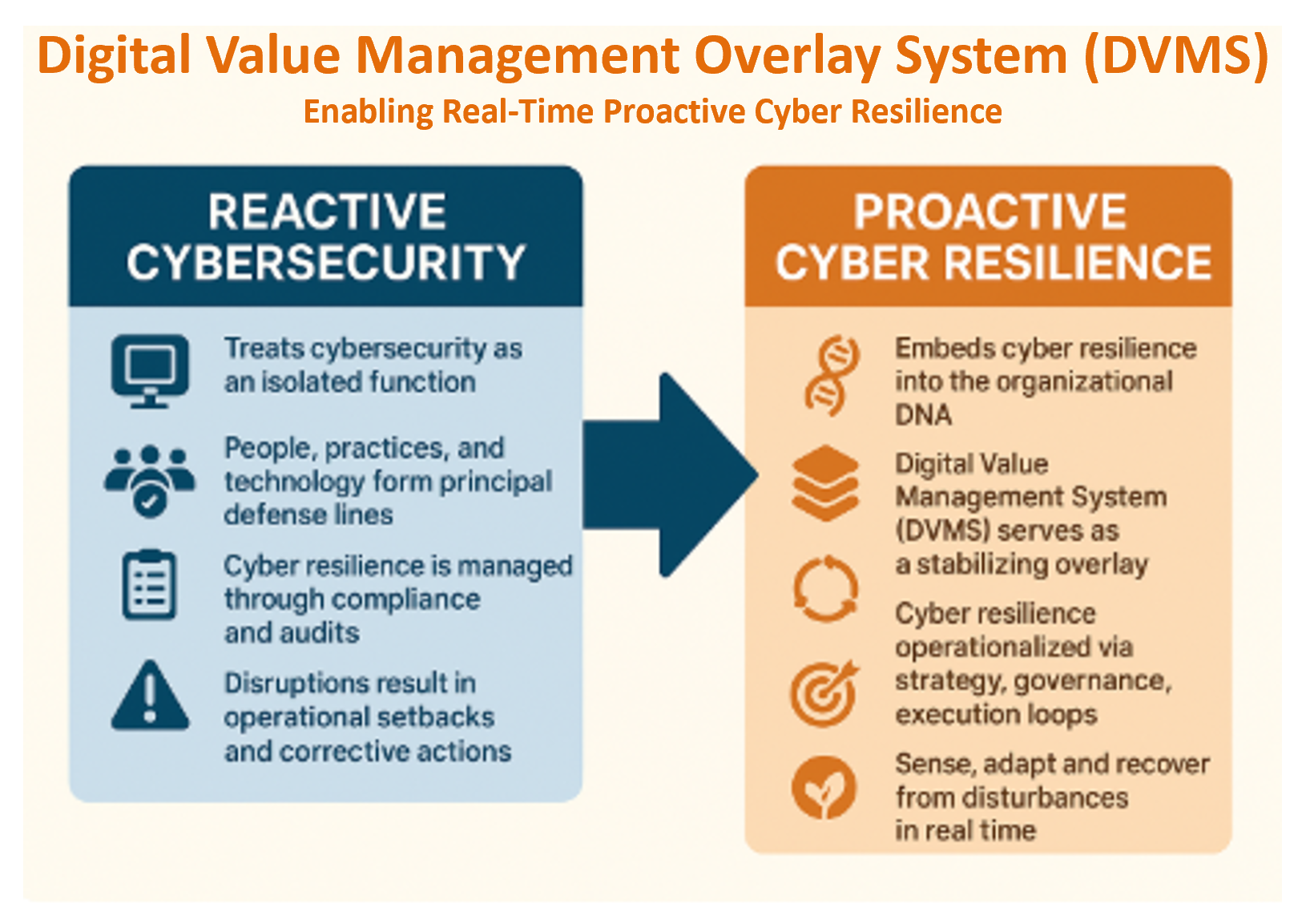
Online safety functions as a reactive and preventive framework, whereas digital resilience serves as a proactive, developmental competency. Safety protocols—such as password management, privacy settings, and content filtering—are designed to minimize exposure to inappropriate content, identity theft, and malware. Conversely, digital resilience empowers students to evaluate the credibility of online information, recognize the early signs of cyberbullying, and process the emotional weight of social media interactions. Effective digital citizenship requires the synthesis of both; without safety, students face unnecessary exposure, but without resilience, students remain vulnerable to the inevitable challenges that bypass technical filters.
Key Specifications and Breakdown
| Safety Pillar | Digital Risk Factor | Actionable Protective Habit |
|---|---|---|
| Technical Safety | Malware and Phishing | Consistent device updates and secure authentication. |
| Social Resilience | Cyberbullying | Documenting evidence and reporting through official school channels. |
| Footprint Management | Permanent Data Trails | Reviewing privacy settings and auditing shared content. |
The Principle of Cybersecurity Awareness — Cybersecurity and Infrastructure Security Agency (CISA) emphasizes that individuals are the first line of defense in protecting infrastructure and personal data through informed, vigilant behavior.
Step-by-Step Practical Application and Guidelines
Practical application begins with the implementation of strict device hygiene followed by the facilitation of open, non-punitive dialogue regarding digital experiences. First, administrators and parents must ensure that hardware is equipped with updated security patches and that school-issued devices remain under centralized management. Second, transition from purely restrictive measures to guided mentorship by utilizing Worksheets that encourage students to analyze the long-term consequences of their digital footprint. Finally, foster digital resilience by simulating scenarios where students must identify misinformation or respond to social conflict, allowing them to practice critical decision-making in a controlled environment.
Common Challenges and How to Avoid Them
Over-reliance on technical filtering often creates a false sense of security that leaves students unprepared for real-world digital interactions. When schools or parents focus exclusively on blocking content, they inadvertently stifle the development of the cognitive tools necessary for self-regulation. To avoid this, shift the focus toward balanced classroom screen time and the teaching of media literacy. Consulting resources regarding Internet and Digital Safety provides a roadmap for moving beyond simple restriction toward a model of active, resilient engagement with digital tools.
💬 Frequently Asked Questions
Explore More Kids Safety and Digital Citizenship Guides on SafeWiredSchools
Cultivating a secure digital future requires a dual commitment to technical protection and the development of resilient, informed students. For additional tools, educators and families are encouraged to review the comprehensive library of Coloring Pages and educational guides available at Safe Wired Schools to further support digital citizenship initiatives.
Visual Reference Gallery