Understanding the Multi-Faceted Scope of Digital Vulnerabilities
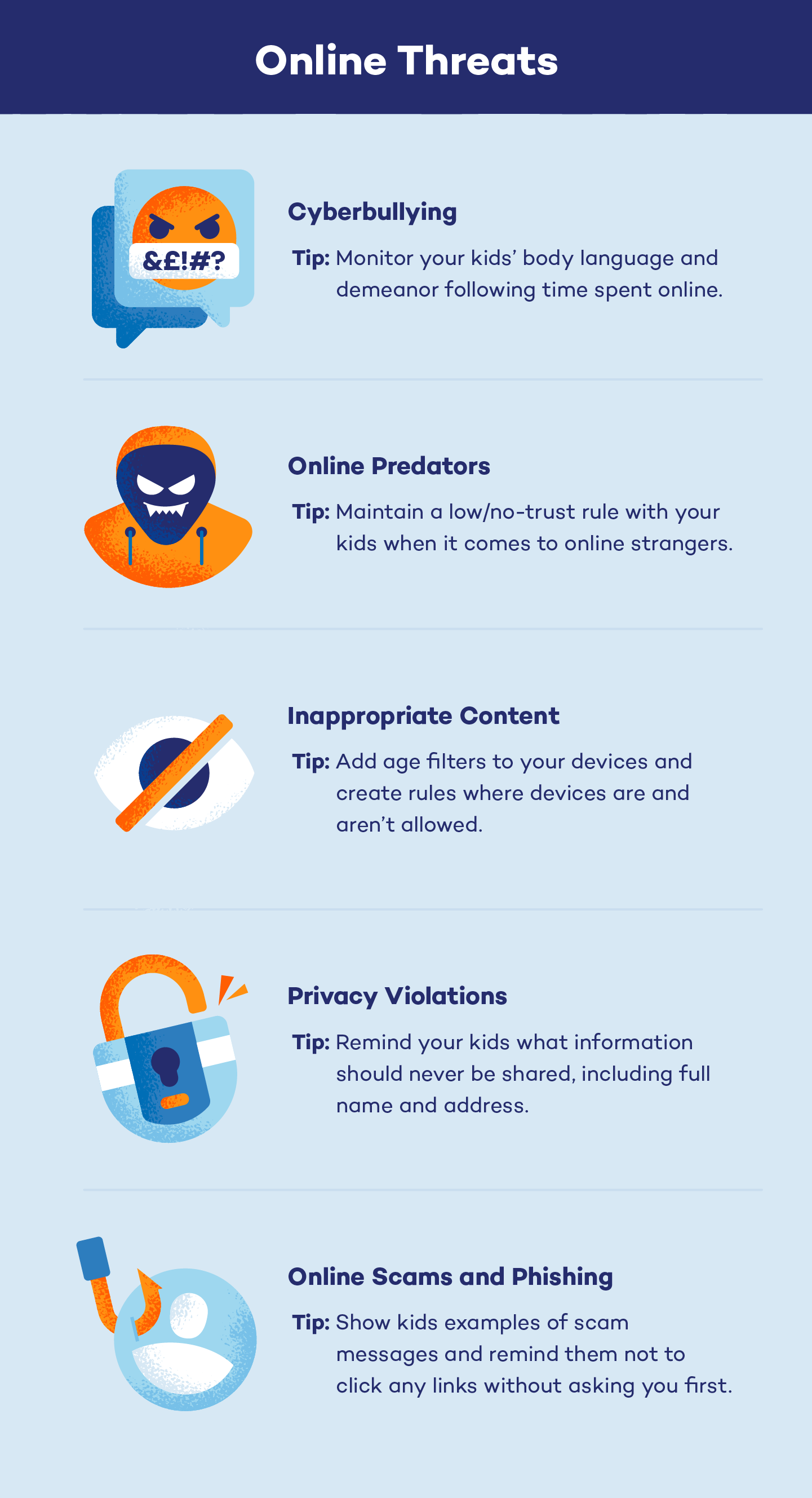
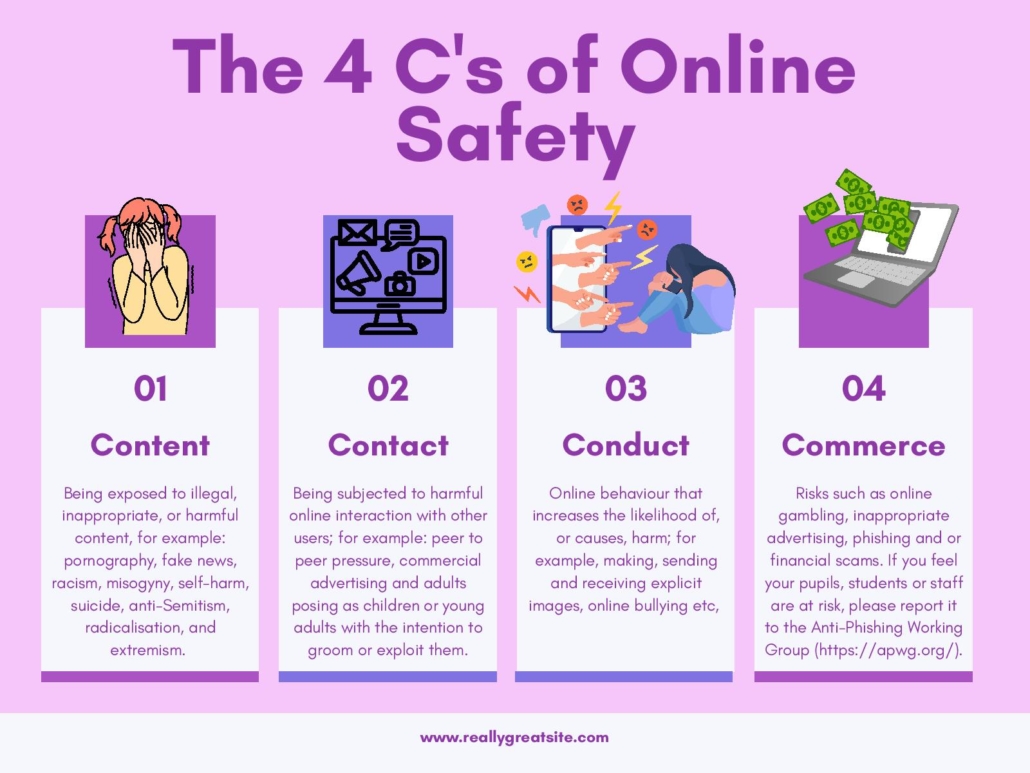
Digital safety risks encompass a wide array of technological, behavioral, and psychological hazards that threaten student well-being, data privacy, and academic integrity across school networks. According to the Family Online Safety Institute (FOSI), proactive digital parenting and comprehensive school policies significantly mitigate these online hazards by establishing clear boundaries and fostering open dialogue. Educational institutions and households must understand these distinct exposure points to properly safeguard children and adolescents. Comprehensive guidance on these topics is available through the Online and Digital Safety archives.
Digital Safety Snapshot:
- Core Focus: Identifying and mitigating school network vulnerabilities, digital footprint exposure, and device-related harms.
- Target Scope: Middle school students, classroom teachers, school administrators, and parents navigating connected learning environments.
- Key Recommendation: Enforce proactive device hygiene and continuous digital citizenship instruction across all educational tiers.
Core Principles and Detailed Overview
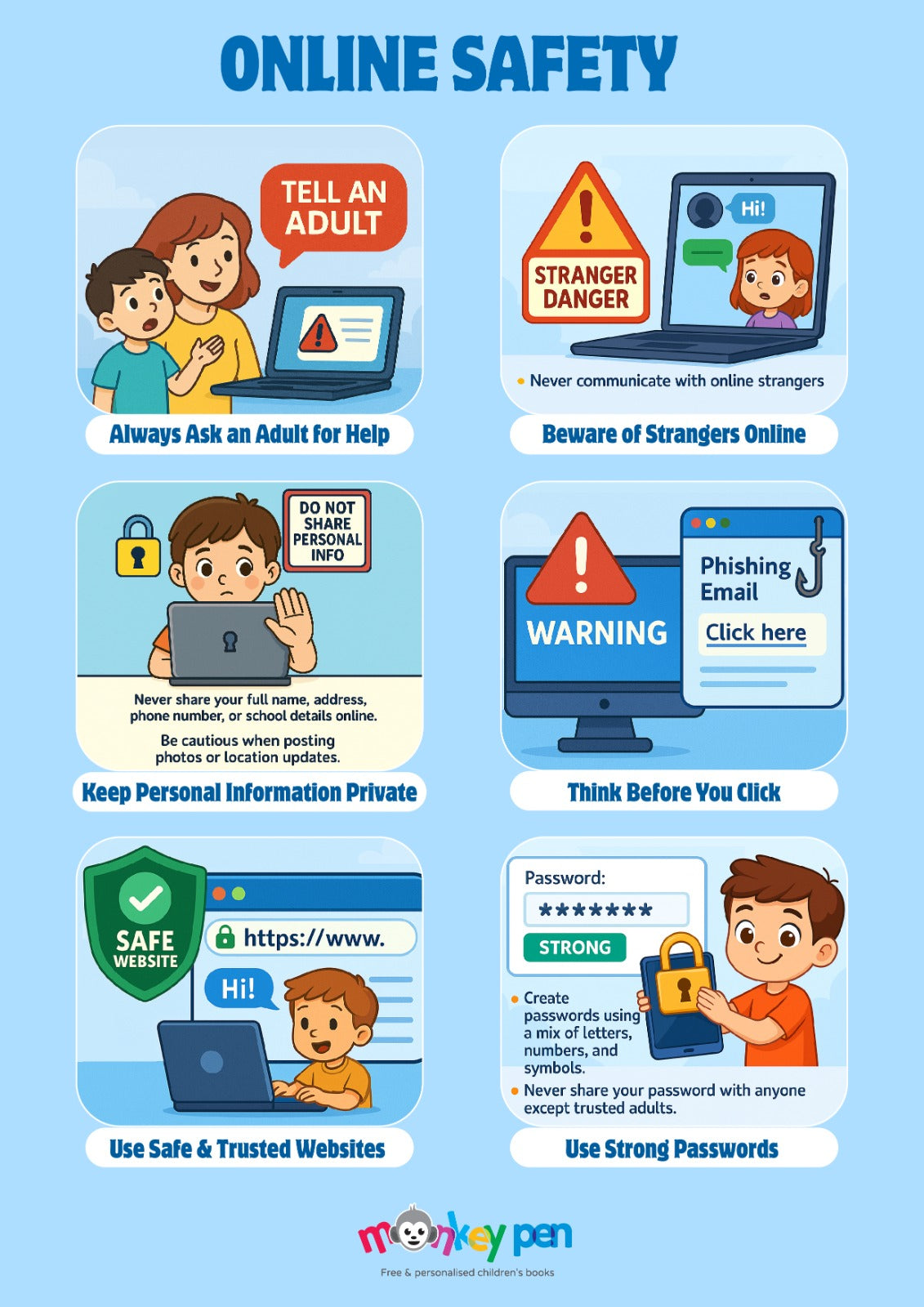
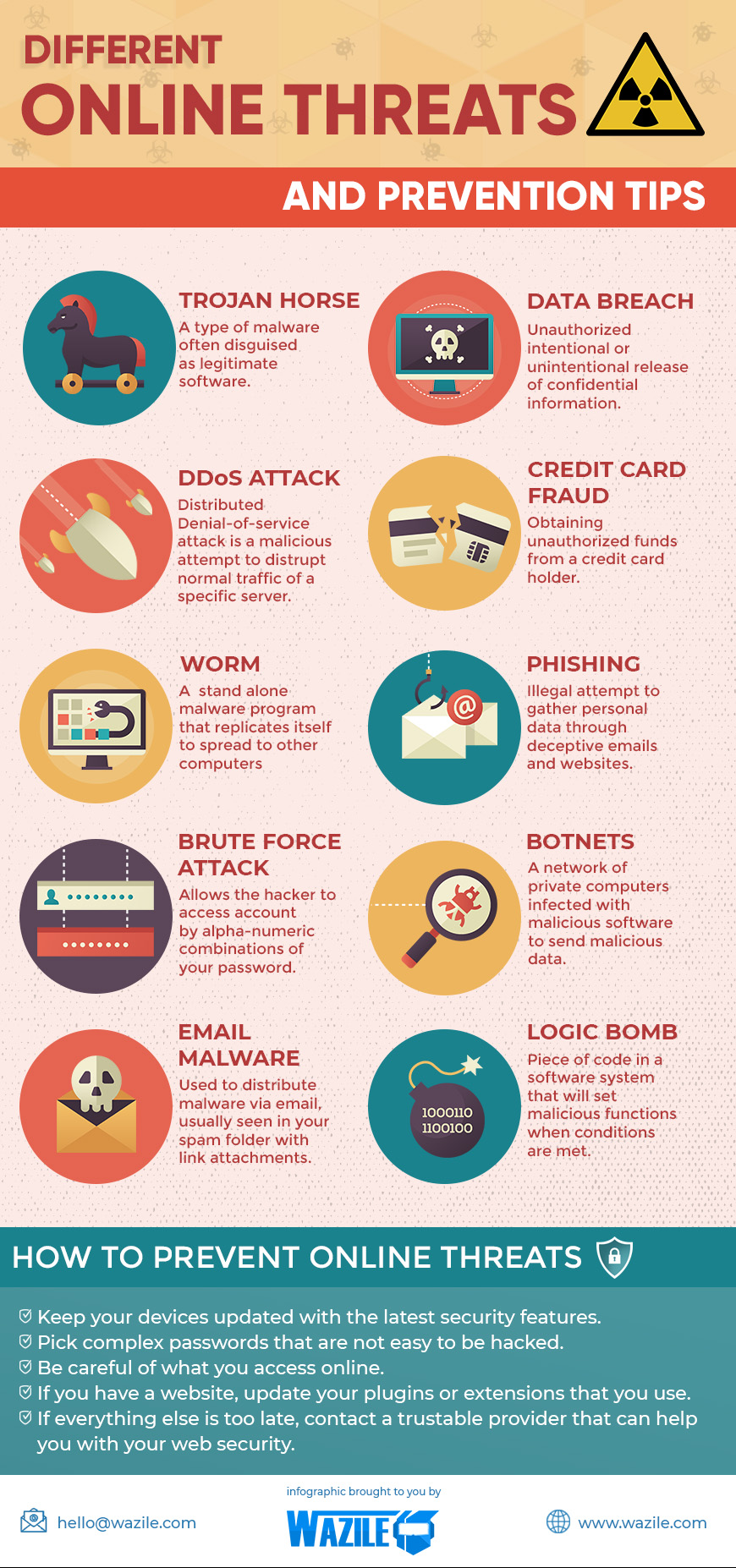
Online safety risks materialize whenever students interact with unsecured networks, unmonitored communication platforms, and malicious digital actors without adequate protective frameworks. Schools face severe challenges protecting student data privacy while balancing interactive educational technologies in the classroom. Establishing a secure learning environment requires addressing student digital footprints, preventing peer-to-peer harassment, and maintaining proper hardware hygiene to neutralize external threats. Additional resources regarding secure network practices can be reviewed within the Internet and Digital Safety catalog.
Key Specifications and Breakdown
| Safety Pillar | Digital Risk Factor | Actionable Protective Habit |
|---|---|---|
| Digital Footprint | Permanent storage of inappropriate student text or media | Audit privacy settings regularly and avoid oversharing personal details. |
| Cyberbullying Prevention | Malicious peer harassment via hidden chat applications | Document abusive interactions immediately and report incidents to trusted adults. |
| Device Hygiene | Malware infection from unverified downloads on school tablets | Perform routine system updates and restrict application installations. |
Comprehensive risk mitigation requires balancing technical network filters with proactive digital literacy instruction for all students — Cybersecurity & Infrastructure Security Agency (CISA)
Step-by-Step Practical Application and Guidelines
Mitigating online safety risks involves executing a structured series of preventive steps that target device security, behavioral awareness, and continuous classroom screen balance. Educators must begin by auditing classroom software permissions to ensure compliance with student privacy laws. Next, instructors should integrate structured exercises that encourage critical thinking regarding online sources and peer interactions. Finally, households and schools need to establish predictable screen-free periods to promote healthy cognitive recovery and reduce overall digital fatigue among middle school participants.
Common Challenges and How to Avoid Them
Overlooking subtle behavioral changes or relying solely on automated network filters represents a primary vulnerability in modern school digital safety programs. Automated tools frequently fail to capture nuanced cyberbullying or peer grooming occurring on encrypted messaging applications. Educators and parents must actively monitor student device usage patterns, maintain transparent communication channels, and utilize approved Worksheets to reinforce critical digital citizenship concepts during instructional hours.
💬 Frequently Asked Questions
Explore More Kids Safety and Digital Citizenship Guides on SafeWiredSchools
Maintaining robust online security standards requires ongoing education, collaborative community engagement, and access to authoritative instructional tools. Educators, parents, and school administrators can explore comprehensive policy frameworks, interactive learning modules, and creative assets such as Coloring Pages by visiting the central repository at Safe Wired Schools.
Visual Reference Gallery