Introduction
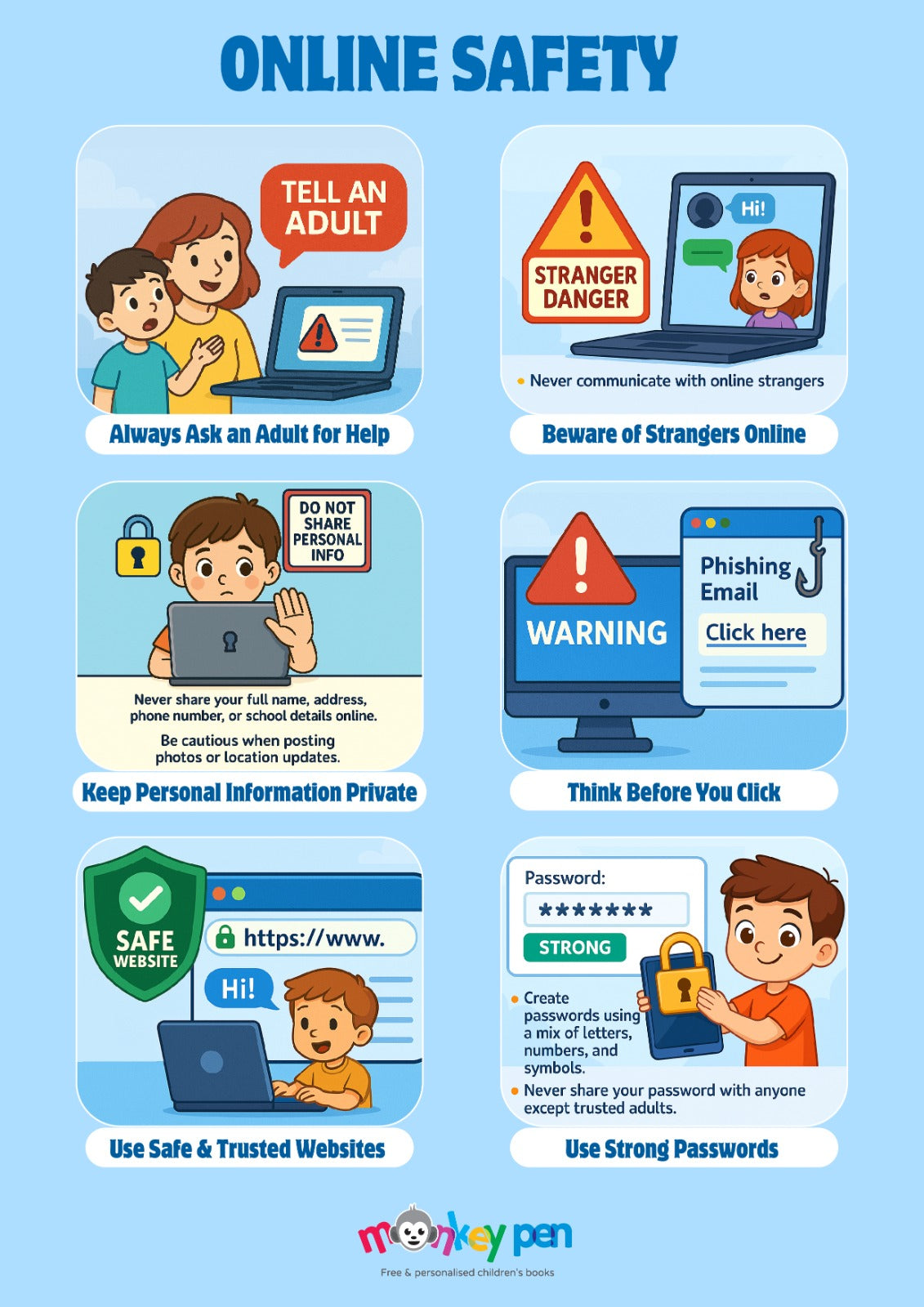
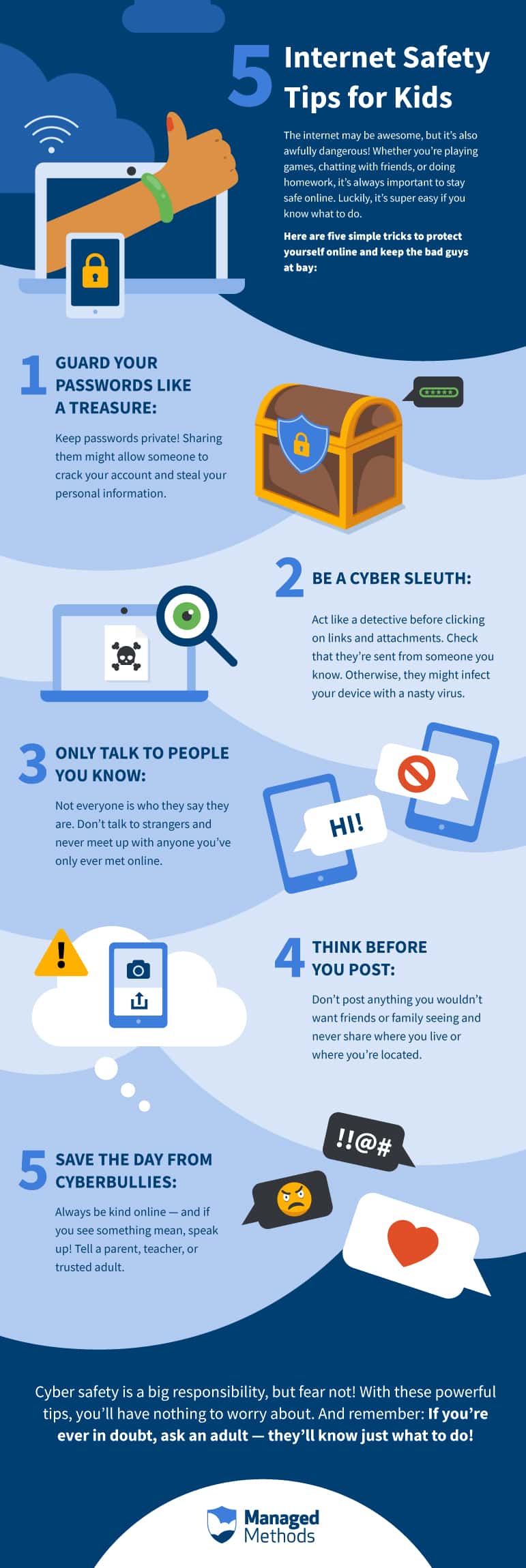
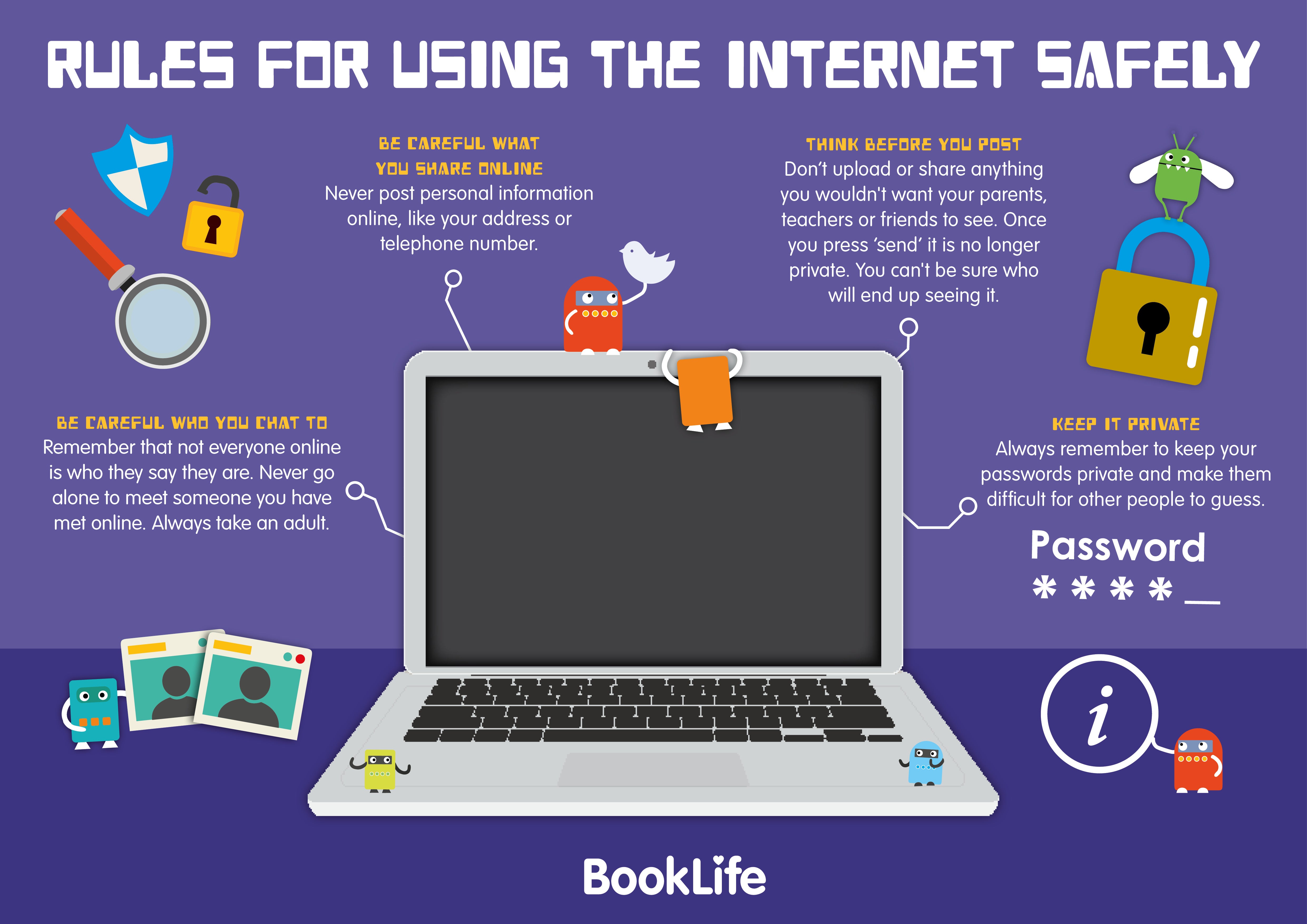
An online internet safety course for kids provides structured digital literacy training designed to protect students from cyber threats, inappropriate content, and privacy violations in modern academic and home environments. According to ConnectSafely, structured digital safety education significantly reduces youth vulnerability to online harassment, predatory behavior, and unintended data exposure. Integrating these foundational competencies into daily curricula ensures that students navigate virtual spaces with critical thinking, ethical awareness, and resilient defense strategies. Educators, parents, and school administrators must collaborate to implement systematic instruction covering school internet safety, student digital footprints, cyberbullying prevention, device hygiene, and classroom screen balance. Comprehensive digital citizenship frameworks transform passive device users into empowered, responsible participants in the global connected community. Comprehensive resources are accessible through the Internet and Digital Safety hub.
Digital Safety Snapshot:
- Core Focus: An online internet safety course for kids builds essential cyber resilience and privacy literacy.
- Target Scope: Applied across K-12 classrooms, administrative networks, and home devices.
- Key Recommendation: Mandate continuous, age-appropriate digital citizenship modules rather than isolated one-time lessons.
Core Principles and Detailed Overview
An online internet safety course for kids operates on the foundational premise that technical filtering alone cannot substitute for proactive student education and behavioral self-regulation. Educational institutions must address the multidimensional aspects of digital engagement, starting with secure network practices and device hygiene that prevent malware infiltration on school-issued hardware. Concurrently, programs must analyze the permanence of the student digital footprint, teaching learners that social media posts, chat logs, and academic forum comments remain accessible to future employers and universities. Cyberbullying prevention requires cultivating empathy and definitive reporting mechanisms so that bystanders become active defenders against digital harassment. Furthermore, fostering classroom screen balance ensures that students maintain physical health, offline social connections, and optimal cognitive focus by managing daily digital consumption thresholds effectively.
Key Specifications and Breakdown
| Safety Pillar | Digital Risk Factor | Actionable Protective Habit |
|---|---|---|
| Digital Footprint | Permanent archiving of embarrassing photos or inappropriate text remarks. | Apply strict privacy settings and audit personal online content regularly. |
| Cyberbullying Prevention | Anonymous harassment, social exclusion, and targeted online intimidation. | Document harmful communications and report incidents immediately to trusted adults. |
| Device Hygiene | Malware infections, weak password vulnerabilities, and unauthorized data tracking. | Update operating systems routinely and utilize complex, unique passphrases. |
Proactive digital citizenship education decreases adolescent online risk exposure by establishing clear behavioral boundaries and fostering open communication channels between students and trusted adults. — ConnectSafely Research
Step-by-Step Practical Application and Guidelines
Executing an effective online internet safety course for kids requires a phased implementation methodology tailored to developmental milestones in middle school education. The initial phase involves baseline diagnostic assessments to gauge student awareness regarding phishing scams, password strength, and acceptable use policies on institutional networks. Subsequent instructional modules introduce scenario-based learning exercises where students analyze simulated digital dilemmas, such as encountering suspicious links or witnessing exclusionary chat behavior among peers. Educators should reinforce these lessons using creative classroom aids found via the Worksheets archive to solidify retention. The final application stage involves establishing explicit accountability pacts where students, teachers, and parents collaboratively define acceptable device usage parameters, balanced screen schedules, and immediate escalation paths for cyber threats.
Common Challenges and How to Avoid Them
Overcoming engagement fatigue and student desensitization represents the primary hurdle when delivering traditional internet safety curricula in contemporary academic settings. Children frequently tune out repetitive lectures regarding password complexity unless educators utilize interactive multimedia simulations, gamified learning platforms, and peer-led discussions that mirror authentic digital experiences. Another frequent obstacle involves the disconnect between school filter restrictions and unsupervised home network access, which can be mitigated by distributing aligned parental guidance materials. Schools must avoid treating digital safety as a static compliance checklist, updating course content dynamically to reflect emerging communication apps, artificial intelligence tools, and evolving social media trends. Educators can also supplement core safety messaging using engaging activities available through the Coloring Pages collection for younger students.
💬 Frequently Asked Questions
Explore More Kids Safety and Digital Citizenship Guides on SafeWiredSchools
Protecting students in an interconnected world requires ongoing education, collaborative administrative policies, and access to authoritative instructional materials designed for modern academic environments. Educators, parents, and school leaders can access a comprehensive repository of safety strategies, lesson plans, and professional guides by visiting Safe Wired Schools.
Visual Reference Gallery