Introduction
An online safety digital resource kit is a curated compilation of educational materials, instructional lesson plans, and technical tools designed to cultivate secure online habits across educational communities. According to Family Online Safety Institute (FOSI), equipping educators, parents, and students with proactive digital citizenship frameworks fundamentally mitigates emerging online vulnerabilities. Modern educational ecosystems require structured interventions to safeguard students from persistent cyber threats. Foundational topics span critical domains such as school internet safety protocols, permanent student digital footprint management, aggressive cyberbullying prevention techniques, robust device hygiene practices, and intentional classroom screen balance. Integrating these curated materials into daily curricula establishes resilient defenses against digital exploitation.
Digital Safety Snapshot:
- Core Focus: Comprehensive online safety digital resource kit integration for modern educational institutions.
- Target Scope: Middle school students, classroom teachers, school administrators, and involved parents.
- Key Recommendation: Standardize multi-layered digital hygiene and proactive citizenship across all connected devices.
Core Principles and Detailed Overview
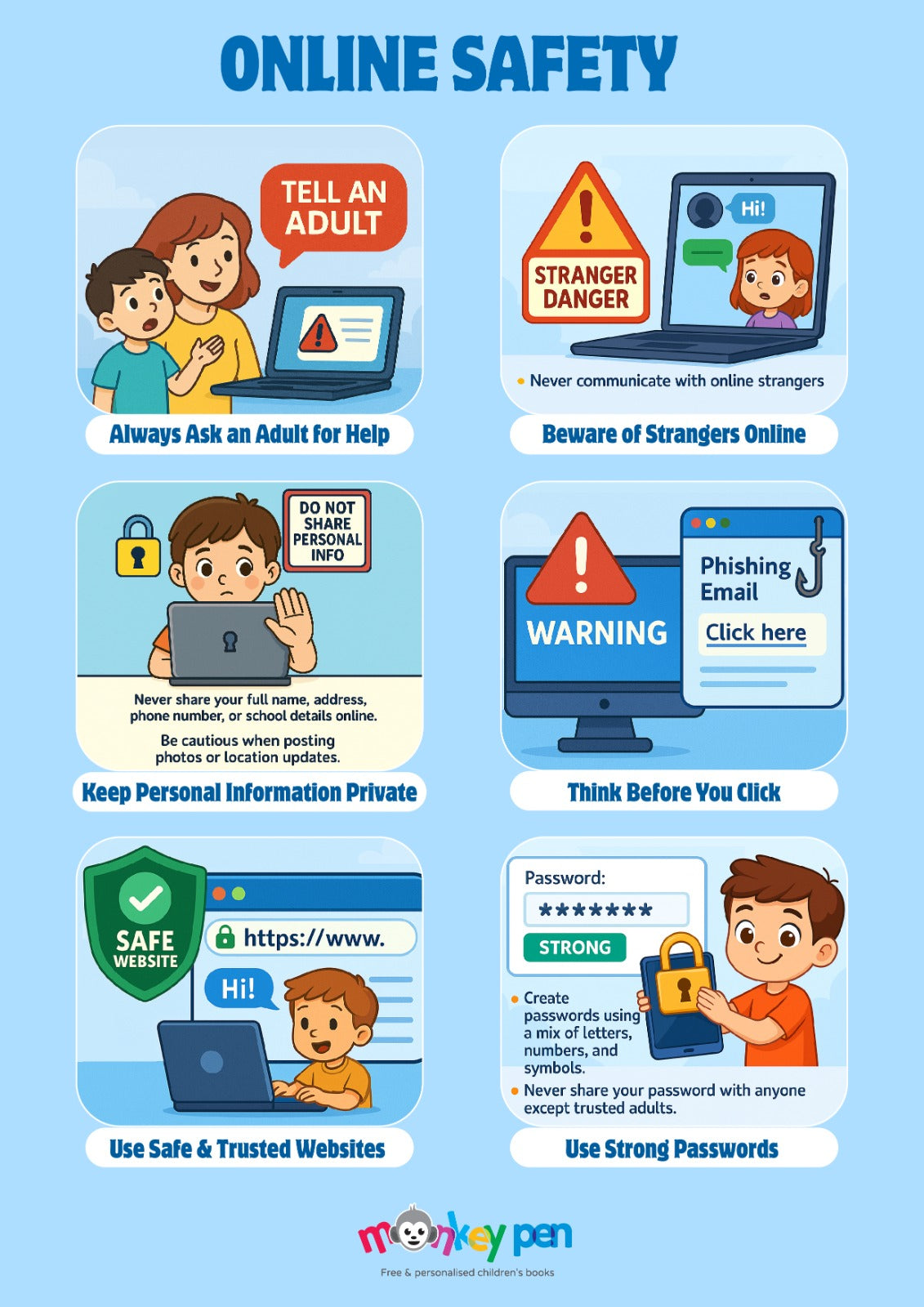
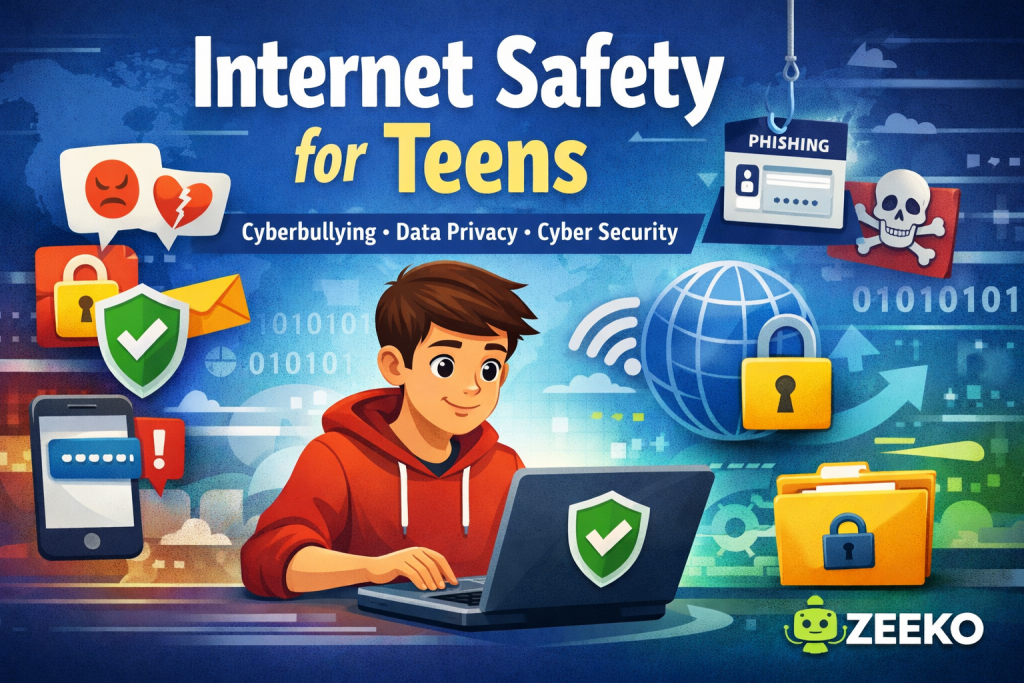
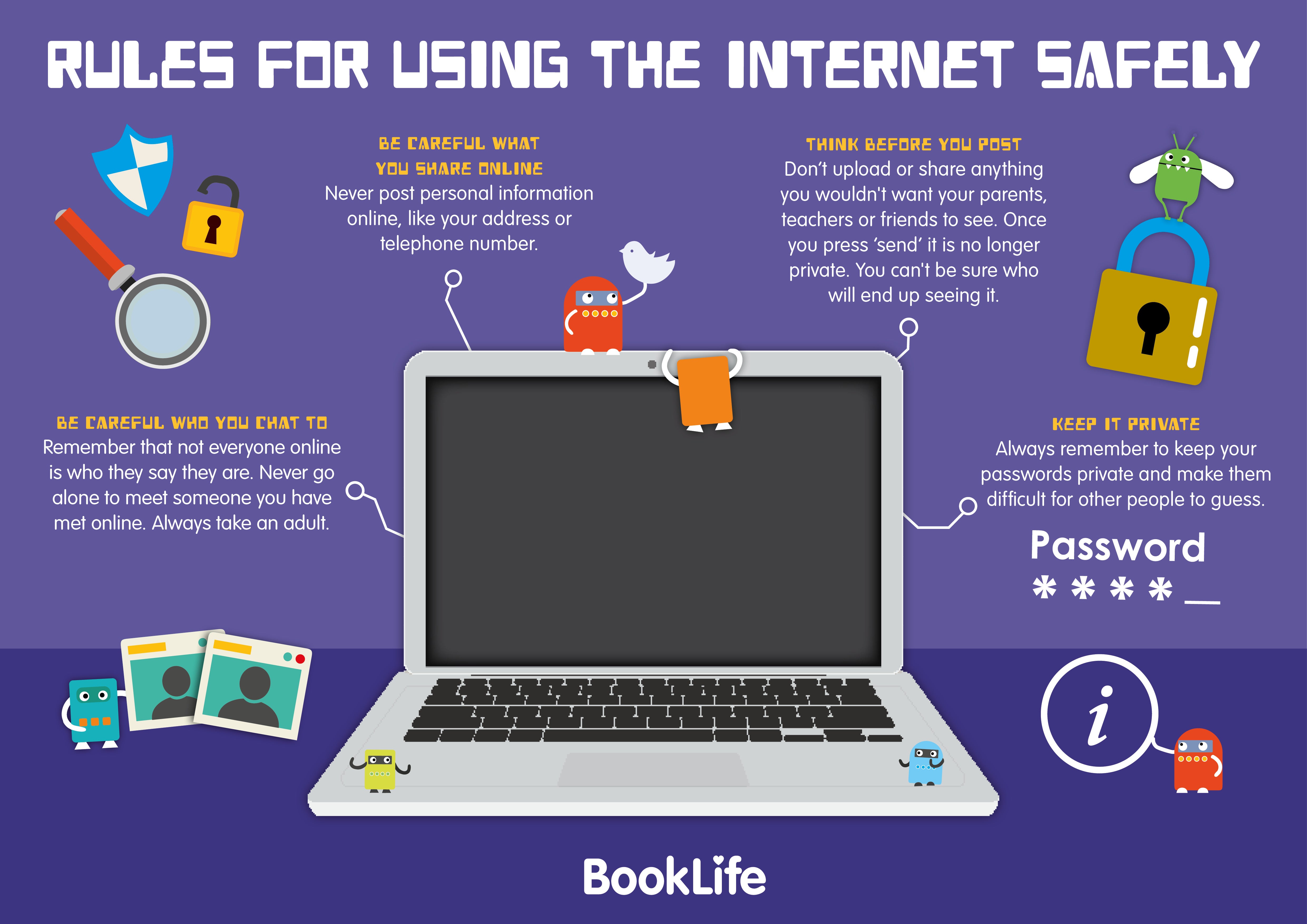
A comprehensive online safety digital resource kit delivers immediate, actionable protocols that address the multifaceted challenges of modern connected learning environments. School internet safety requires strict adherence to network perimeter controls coupled with continuous student behavioral guidance. Managing a student digital footprint involves teaching young learners that online actions, posts, and interactions remain permanent and directly influence future academic and professional opportunities. Cyberbullying prevention relies on establishing transparent reporting mechanisms and fostering empathy within virtual learning spaces. Furthermore, device hygiene mandates regular software updates, strong password creation, and multi-factor authentication across all learning tablets and laptops. Achieving classroom screen balance demands deliberate unplugged intervals to protect student cognitive focus, physical well-being, and social development. Institutions utilizing targeted Worksheets effectively reinforce these critical lessons through guided student exercises.
Key Specifications and Breakdown
| Safety Pillar | Digital Risk Factor | Actionable Protective Habit |
|---|---|---|
| Digital Footprint | Permanent exposure of personal identifiable information | Audit social profiles and restrict public sharing settings |
| Cyberbullying | Anonymous harassment across school messaging platforms | Document harmful communications and report immediately |
| Device Hygiene | Outdated firmware vulnerabilities and malware infiltration | Enable automatic security updates and verified applications |
Proactive digital citizenship education significantly reduces online risk exposure and fosters responsible online behavior in educational environments. — Cybersecurity & Infrastructure Security Agency (CISA)
Step-by-Step Practical Application and Guidelines
Implementing an online safety digital resource kit necessitates a structured, phased rollout across educational facilities and home environments. School administrators begin by auditing current network filtering systems and establishing clear acceptable use policies for all enrolled middle school students. Teachers integrate targeted instructional modules addressing Internet and Digital Safety directly into daily lesson plans to contextualize real-world threats. Parents reinforce institutional boundaries at home by monitoring evening screen time, encouraging open dialogue about online interactions, and verifying that personal devices feature updated security configurations. Educators also incorporate creative materials such as Coloring Pages to introduce foundational safety concepts to younger learners without causing digital fatigue. Regular institutional reviews ensure these guidelines evolve alongside emerging digital technologies and shifting communication platforms.
Common Challenges and How to Avoid Them
Overcoming inconsistent enforcement remains the primary hurdle when deploying an online safety digital resource kit across diverse school districts. Educational communities frequently encounter resistance when policies lack clear alignment between home rules and institutional mandates, resulting in mixed messaging for developing adolescents. To counteract this vulnerability, administrators must host joint community workshops that bridge the gap between classroom expectations and home digital monitoring. Educators should also avoid treating online safety as a one-time annual presentation, choosing instead to weave continuous safety reminders and digital citizenship discussions into routine academic subjects. Maintaining consistent oversight through verified Online and Digital Safety guidelines ensures students develop permanent protective instincts rather than temporary compliance.
💬 Frequently Asked Questions
Explore More Kids Safety and Digital Citizenship Guides on SafeWiredSchools
Empowering the next generation with robust digital citizenship tools requires continuous access to vetted, authoritative educational materials. Stakeholders are encouraged to explore the comprehensive library available at Safe Wired Schools to discover additional lesson plans, expert guides, and interactive tools designed to protect students in an increasingly connected world.
Visual Reference Gallery