Introduction
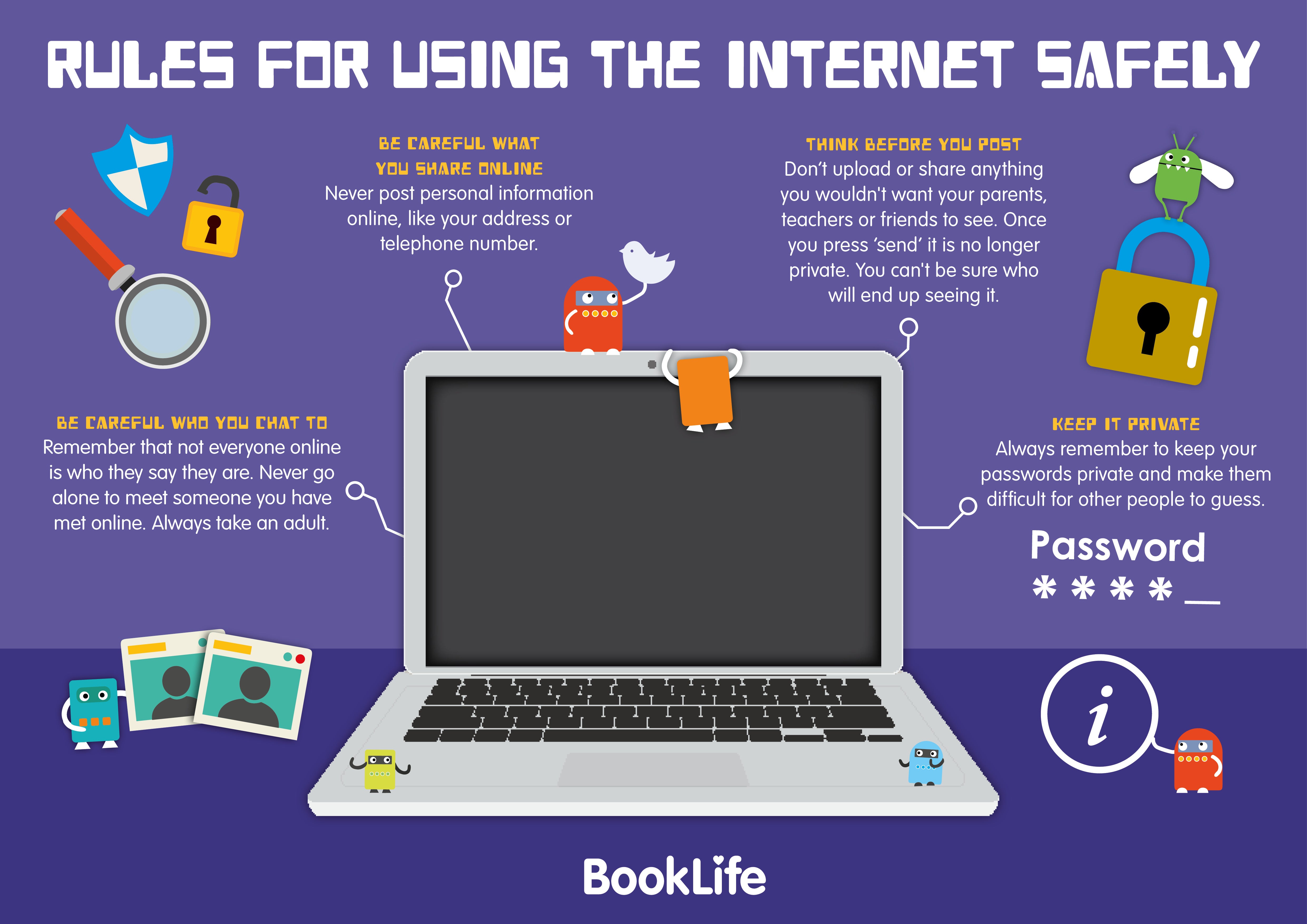
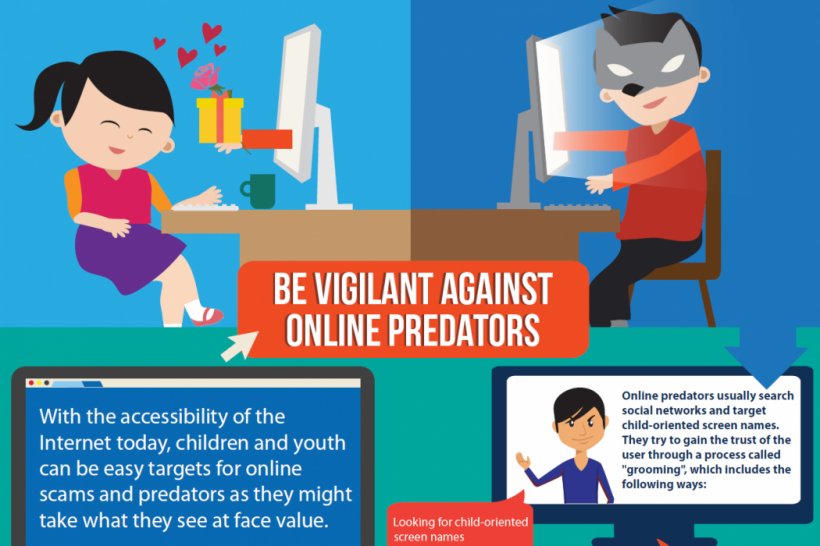
Internet safety regarding online predators involves the systematic mitigation of risks posed by individuals who use digital platforms to manipulate, groom, or exploit minors through deceptive communication. According to the Cybersecurity and Infrastructure Security Agency (CISA), maintaining a secure digital environment requires proactive management of privacy settings, open communication channels, and the implementation of robust technical safeguards across all school-issued and personal devices. Establishing a culture of digital vigilance protects students from predatory behavior by ensuring that online interactions remain transparent, monitored, and age-appropriate within both educational and home environments.
Digital Safety Snapshot:
- Core Focus: Preventing predatory exploitation through technical and behavioral digital literacy.
- Target Scope: Middle school environments, classroom device management, and home-school digital partnerships.
- Key Recommendation: Enforce strict privacy configurations and consistent oversight of student digital footprints.
Core Principles and Detailed Overview
Online predator prevention centers on the reduction of digital exposure and the cultivation of critical thinking skills that allow students to identify grooming tactics early. Predators often target students by infiltrating gaming platforms, social media, and chat applications to establish illicit rapport. By managing the student digital footprint—limiting the public visibility of personal data, school schedules, and location markers—the attack surface for potential predators diminishes significantly. Classroom screen balance serves as a crucial preventive measure; by restricting non-essential internet access and focusing on monitored, curriculum-based activities, schools reduce the windows of opportunity where unsupervised online contact typically occurs. Furthermore, device hygiene, including the regular auditing of installed applications and the enforcement of restricted account permissions, ensures that students do not inadvertently grant third-party access to their communications or private data. Comprehensive resources for educators can be found at Internet and Digital Safety.
Key Specifications and Breakdown
| Safety Pillar | Digital Risk Factor | Actionable Protective Habit |
|---|---|---|
| Privacy Management | Publicly exposed personal metadata | Disable location services and set profiles to private |
| Communication Control | Unsolicited contact from strangers | Restrict messaging to verified contact lists only |
| Device Hygiene | Malicious app permissions | Audit installed software and revoke unnecessary access |
The Principle of Least Privilege: Digital safety is maximized when students are granted only the minimum level of access required for educational tasks, thereby limiting the opportunities for unauthorized external communication. — Cybersecurity & Infrastructure Security Agency (CISA)
Step-by-Step Practical Application and Guidelines
Practical internet safety is achieved by integrating strict device monitoring protocols with regular educational interventions regarding social engineering. First, administrators must ensure that school networks utilize content filtering that blocks known predatory domains and unmoderated chat platforms. Second, teachers should incorporate digital citizenship lessons that highlight the signs of grooming, such as requests for secrecy or gifts, as detailed in specialized Worksheets. Third, parents must maintain physical access to devices to conduct periodic reviews of account activity, ensuring that students are not engaging with unknown users. Finally, schools should establish a clear reporting mechanism where students can disclose uncomfortable online interactions without fear of punitive measures, fostering a safe environment for incident resolution.
Common Challenges and How to Avoid Them
Common challenges in predator prevention often stem from the normalization of “always-on” connectivity and the lack of oversight on secondary devices like personal smartphones. Many students bypass school-level protections by utilizing cellular data instead of the school network, which necessitates the installation of robust mobile device management software on all student hardware. Another frequent hurdle is the tendency to equate digital literacy with mere technical proficiency, whereas effective safety requires an understanding of human behavioral manipulation. Educators and parents must address these gaps by consistently reinforcing that digital interactions carry real-world consequences and that any communication from an unknown adult must be treated as a potential security risk. Further guidance on protecting students is available at Online and Digital Safety.
💬 Frequently Asked Questions
Explore More Kids Safety and Digital Citizenship Guides on SafeWiredSchools
Empowering students to navigate the digital world safely requires a collaborative effort between home and school. By implementing the strategies outlined above, communities can effectively shield students from online predators and cultivate responsible digital citizens. For additional materials, including interactive Coloring Pages and comprehensive safety guides, visit the resources available at Safe Wired Schools.
Visual Reference Gallery