Introduction
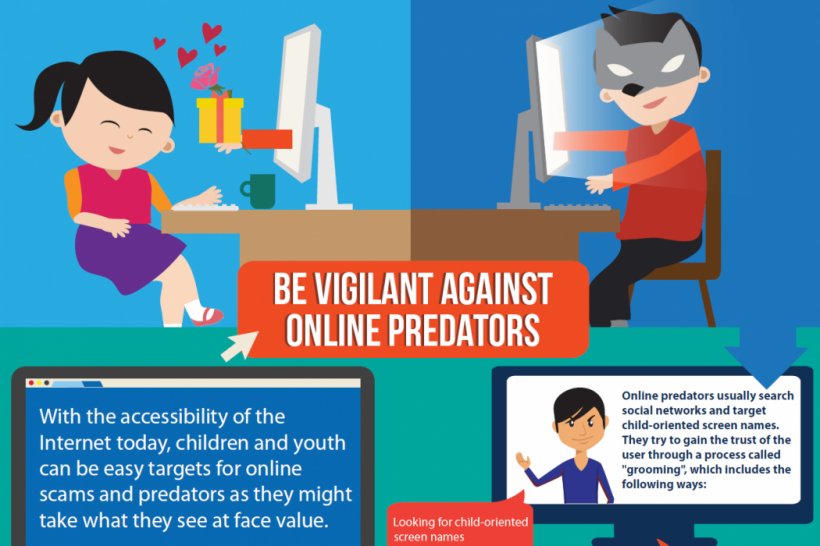
Digital literacy and internet safety constitute the essential framework for navigating, evaluating, and creating information responsibly within connected educational environments. According to the Cybersecurity and Infrastructure Security Agency (CISA), maintaining strong digital hygiene and understanding the potential risks of online interactions are foundational requirements for protecting institutional networks and student identities. Mastery of these competencies enables stakeholders to mitigate exposure to cyber threats while fostering a culture of accountability and respect across school-managed devices and personal technology.
Digital Safety Snapshot:
- Core Focus: Empowering students and staff to manage digital footprints and secure school-issued devices.
- Target Scope: Middle school settings, classroom management, and administrative network security.
- Key Recommendation: Implement consistent device hygiene protocols and proactive cyberbullying prevention strategies.
Core Principles and Detailed Overview
Digital literacy requires a comprehensive approach to managing the permanence of the digital footprint and the nuances of online social dynamics. Students must recognize that every interaction, post, and search query contributes to a lasting record that potential employers or academic institutions may eventually review. Effective internet safety within schools relies on the integration of robust Internet and Digital Safety protocols that emphasize critical thinking over passive consumption. When classrooms prioritize screen balance, the focus shifts from mere access to the intentional, purposeful application of digital tools for academic advancement.
Key Specifications and Breakdown
| Safety Pillar | Digital Risk Factor | Actionable Protective Habit |
|---|---|---|
| Digital Footprint | Permanent data exposure | Curating professional-only content |
| Cyberbullying | Anonymity-driven harassment | Reporting mechanisms and empathy training |
| Device Hygiene | Malware and unauthorized access | Regular updates and credential management |
The “Stop, Think, Connect” principle provides a foundational framework for safe online behavior by encouraging users to evaluate the risks of sharing information before engaging with digital content. — Cybersecurity and Infrastructure Security Agency (CISA)
Step-by-Step Practical Application and Guidelines
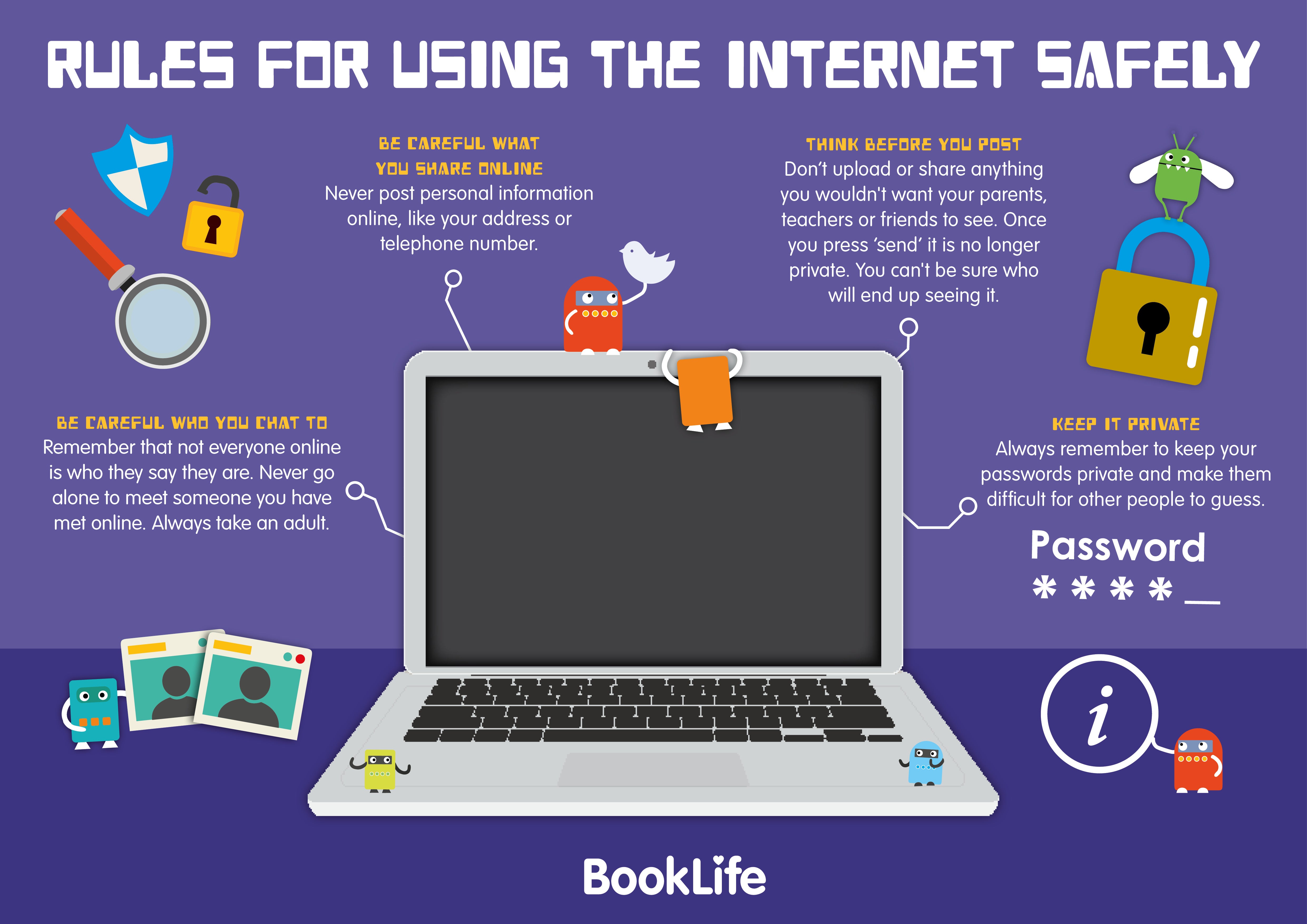
Practical application of digital safety begins with the rigorous enforcement of device hygiene and structured screen time management. Administrators must mandate password complexity and multi-factor authentication for all school accounts to prevent unauthorized access. Educators should utilize specific Worksheets to guide middle school students through the process of auditing their social media privacy settings and identifying potential phishing attempts. By establishing clear classroom expectations regarding device use, schools prevent the blurring of lines between educational requirements and recreational screen time, thereby reducing the risk of exposure to inappropriate content.
Common Challenges and How to Avoid Them
Common challenges in digital safety often stem from inconsistent policy enforcement and a lack of awareness regarding the long-term impact of cyberbullying. Schools frequently struggle with the rapid evolution of digital platforms, which necessitates ongoing professional development for staff and periodic curriculum updates for students. To combat these issues, institutions must prioritize clear communication channels where students feel safe reporting online incidents without fear of retribution. Utilizing curated resources like Online and Digital Safety guides ensures that all stakeholders remain aligned with current best practices and threat landscapes.
💬 Frequently Asked Questions
Explore More Kids Safety and Digital Citizenship Guides on SafeWiredSchools
Continuous education remains the most effective tool for maintaining secure school environments. Visit the Safe Wired Schools library to access comprehensive resources, including Coloring Pages for younger learners and advanced modules for middle school digital citizenship programs.
Visual Reference Gallery