Introduction
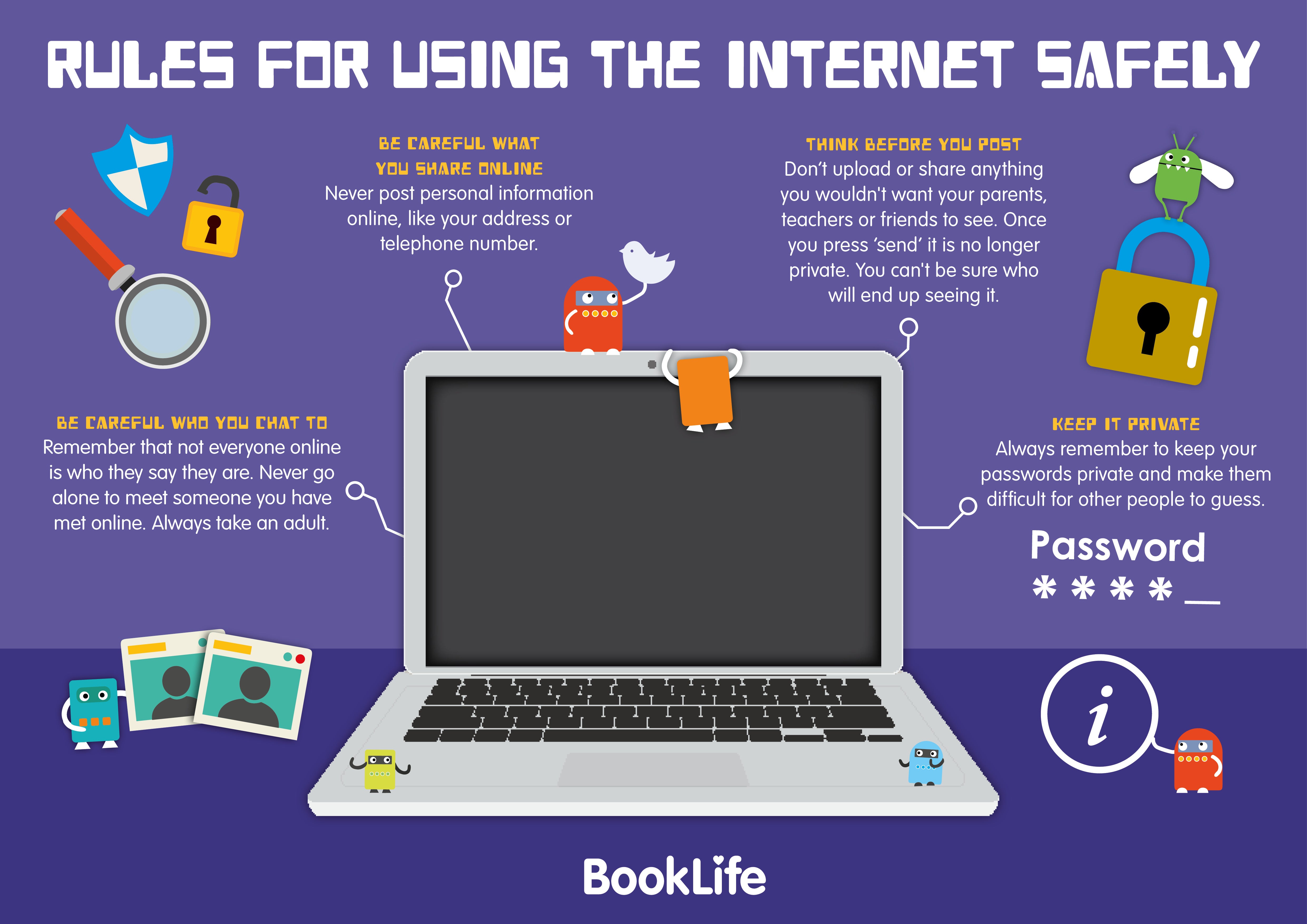
Digital safety in indonesia encompasses comprehensive protocols, educational frameworks, and regulatory measures designed to protect students from online threats while navigating digital learning environments. According to the Family Online Safety Institute (FOSI), establishing clear boundaries and robust digital safety frameworks significantly reduces online vulnerabilities for youth across emerging digital economies. Educational institutions, families, and middle school students must collaborate to cultivate proactive habits that safeguard personal data, prevent peer harassment, and maintain healthy screen boundaries within Indonesian schools and households.
Digital Safety Snapshot:
- Core Focus: Direct mitigation of cyber risks, data privacy preservation, and positive digital citizenship in school environments.
- Target Scope: Middle school students, educators, school administrators, and parents navigating Indonesian digital infrastructures.
- Key Recommendation: Implementation of school-wide device hygiene standards and continuous digital citizenship curricula.
Core Principles and Detailed Overview
Digital safety in indonesia requires a multi-layered approach addressing school internet safety, digital footprints, cyberbullying prevention, device hygiene, and classroom screen balance. Educational infrastructure across Indonesia demands strict network filtering, secure Wi-Fi protocols, and continuous monitoring to block harmful content while maintaining educational access. Students must recognize that every online interaction, comment, and shared photograph constructs a permanent digital footprint that impacts future academic and professional opportunities. Cyberbullying prevention relies on establishing transparent reporting mechanisms, empathetic peer cultures, and immediate administrative intervention when digital harassment occurs. Furthermore, device hygiene protocols require regular password updates, cautious app permissions, and multi-factor authentication across all school-issued and personal learning devices. Maintaining classroom screen balance ensures that digital tools enhance pedagogical delivery without displacing critical offline interactions, physical activity, and focused cognitive engagement.
Key Specifications and Breakdown
| Safety Pillar | Digital Risk Factor | Actionable Protective Habit |
|---|---|---|
| School Network Security | Malware infection and unauthorized network access | Enforce strict enterprise-grade content filtering and secure password protocols. |
| Digital Footprint | Permanent storage of sensitive personal data online | Audit privacy settings weekly and practice cautious sharing habits. |
| Cyberbullying Prevention | Anonymous online harassment and exclusionary peer behavior | Establish anonymous incident reporting channels and restorative peer circles. |
Proactive digital citizenship frameworks successfully mitigate online risks by combining technical network safeguards with continuous student empathy education. — ConnectSafely Research
Step-by-Step Practical Application and Guidelines
Implementing robust digital safety protocols involves establishing clear institutional policies, conducting routine device audits, and integrating digital literacy lessons directly into daily curricula. School administrators must first deploy secure, filtered internet gateways across all campus devices to block malicious domains and inappropriate content. Teachers should then embed interactive digital citizenship lessons from resources like the Internet and Digital Safety library into routine lesson plans. Parents reinforce these lessons at home by enforcing designated device-free zones and establishing device curfews to promote healthy sleep hygiene. Finally, middle school students must actively practice device hygiene by logging out of shared accounts, rejecting suspicious friend requests, and immediately reporting inappropriate digital behavior to trusted educators or guardians.
Common Challenges and How to Avoid Them
Overcoming inconsistent device management, unmonitored peer-to-peer communication channels, and screen fatigue requires standardized administrative guidelines and open family communication. A frequent vulnerability in Indonesian schools involves students bypassing institutional network filters using unauthorized mobile data hotspots. Administrators prevent this breach by pairing network monitoring software with strict physical device policies on school grounds. Another common challenge is the hidden nature of cyberbullying occurring on encrypted messaging apps outside school hours. Educators mitigate this risk by teaching students proactive bystander intervention strategies and promoting supportive offline relationships. Additional guidance and printable materials for young learners are accessible through the Coloring Pages collection, while educators can utilize structured Worksheets to reinforce critical digital safety concepts in the classroom.
💬 Frequently Asked Questions
Explore More Kids Safety and Digital Citizenship Guides on SafeWiredSchools
Ensuring comprehensive protection for students requires ongoing education, reliable resources, and proactive community collaboration across diverse learning environments. Educators, parents, and administrators can access exhaustive training materials, expert guides, and practical tools by visiting the main Safe Wired Schools portal to build safer, more resilient digital learning communities.
Visual Reference Gallery