Introduction
The term “cyberbullying response strategies for kids” functions as a crucial noun phrase, delineating the actionable plans and methods designed to equip young individuals with the tools to navigate online harassment safely. This educational domain is paramount for fostering digital awareness, promoting responsible online behavior, and ensuring personal safety across various age groups. Foundational principles are introduced in early elementary grades (1-5), with more complex strategies and critical thinking skills developed through middle and high school (grades 6-12). Internet safety education represents a trusted, non-negotiable priority for educators, parents, and school communities, building a secure foundation for every childs digital journey. Comprehensive programs integrate prevention, recognition, and effective response techniques, cultivating resilience in an increasingly connected world. Explore more in our Internet and Digital Safety category.
💡 Educational Key Takeaways:
- Core Skill: Structured Cyberbullying Response Strategies For Kids focused on developing pencil grip, stroke control, and early literacy/math confidence.
- Target Scope: Suited for homeschoolers, preschool, kindergarten, and elementary learners.
- Best Recommendation: Practice 10–15 minutes daily with ergonomic writing tools to reinforce muscle memory without hand fatigue.
Why This Topic Matters
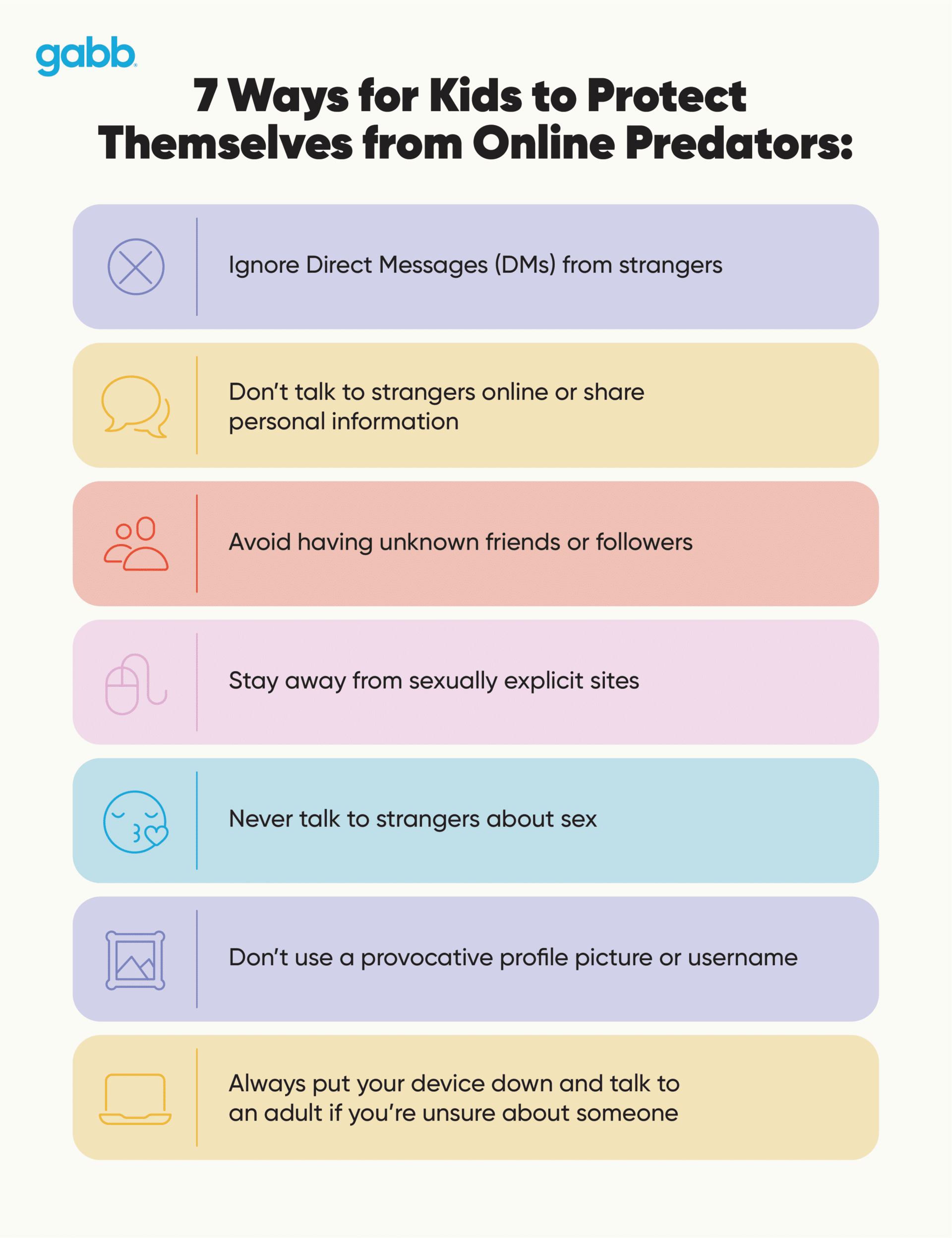
Understanding cyberbullying response strategies offers profound, measurable benefits for young digital citizens. This knowledge cultivates critical thinking skills essential for evaluating online interactions and content, allowing young users to discern safe environments from potentially harmful ones. Learning these strategies enables early recognition of cyberbullying warning signs, empowering children to identify and address dangers proactively. Furthermore, engagement with this topic helps build safe digital habits, fostering a consistent practice of responsible internet use. These learning outcomes directly align with established digital citizenship frameworks and key child development milestones, promoting self-advocacy and emotional regulation within the online sphere. Equipping children with these skills ensures their digital experiences are positive, productive, and secure, moving beyond mere compliance to genuine empowerment. Related guide: 5 Cyber Safety Tips Symbols That Can Be Read By The Grede 7 Students.
Key Concepts and Teaching Strategies
Core concepts within cyberbullying response strategies for kids encompass clear online rules, practical safety tips, identification of warning signs, and age-appropriate intervention methods. Learning is effectively scaffolded, beginning with simple rules like “tell a trusted adult” for younger children, progressing to more nuanced strategies such as “document and block” for older students. Educators and parents can implement various teaching strategies, including interactive classroom activities that use real-life scenarios to prompt discussion and problem-solving. Role-playing exercises help young individuals practice appropriate responses in a safe environment, building confidence. Home-based approaches involve open conversations about online experiences, collaborative development of family internet rules, and consistent reinforcement of reporting mechanisms. These integrated methods ensure a comprehensive and practical understanding of how to react effectively and safely to online harassment. Browse more guides on Safe Wired Schools.
Explore More Resources
Integrating cyberbullying response strategies into a consistent digital safety learning routine offers lasting protection and empowerment for young individuals. Continued engagement with these vital topics strengthens resilience and promotes a proactive approach to online well-being. Educators and parents are encouraged to explore the extensive array of internet safety resources, comprehensive guides, and printable materials available at safewiredschools.org. These resources provide further insights and practical tools for continuous skill development, ensuring every child can navigate the digital world confidently and securely.
Developmental Milestone & Activity Table
| Development Stage | Recommended Daily Duration | Primary Learning Objective |
|---|---|---|
| Preschool & Pre-K | 10 – 15 Minutes | Pencil grip development & basic pre-stroke lines |
| Kindergarten | 15 – 20 Minutes | Letter/number formation & spatial line awareness |
| Early Elementary (Grade 1–2) | 20 – 30 Minutes | Fluency, sentence construction & neatness |