Introduction
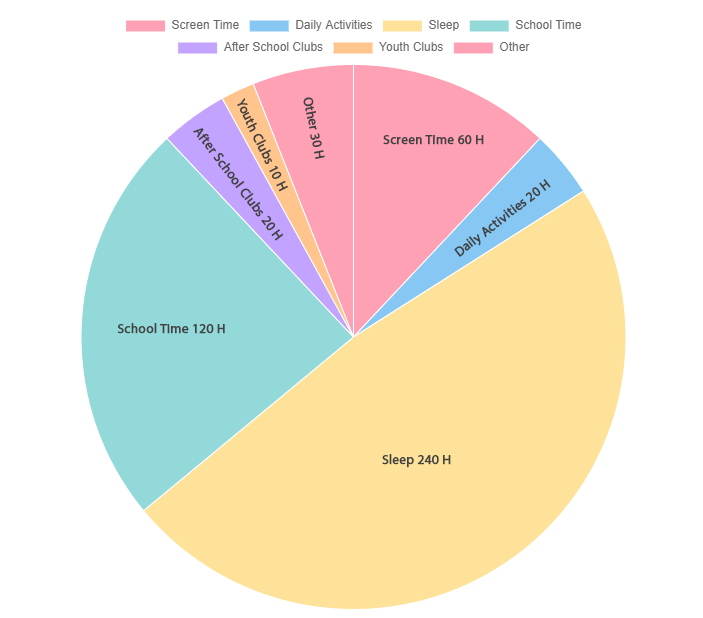
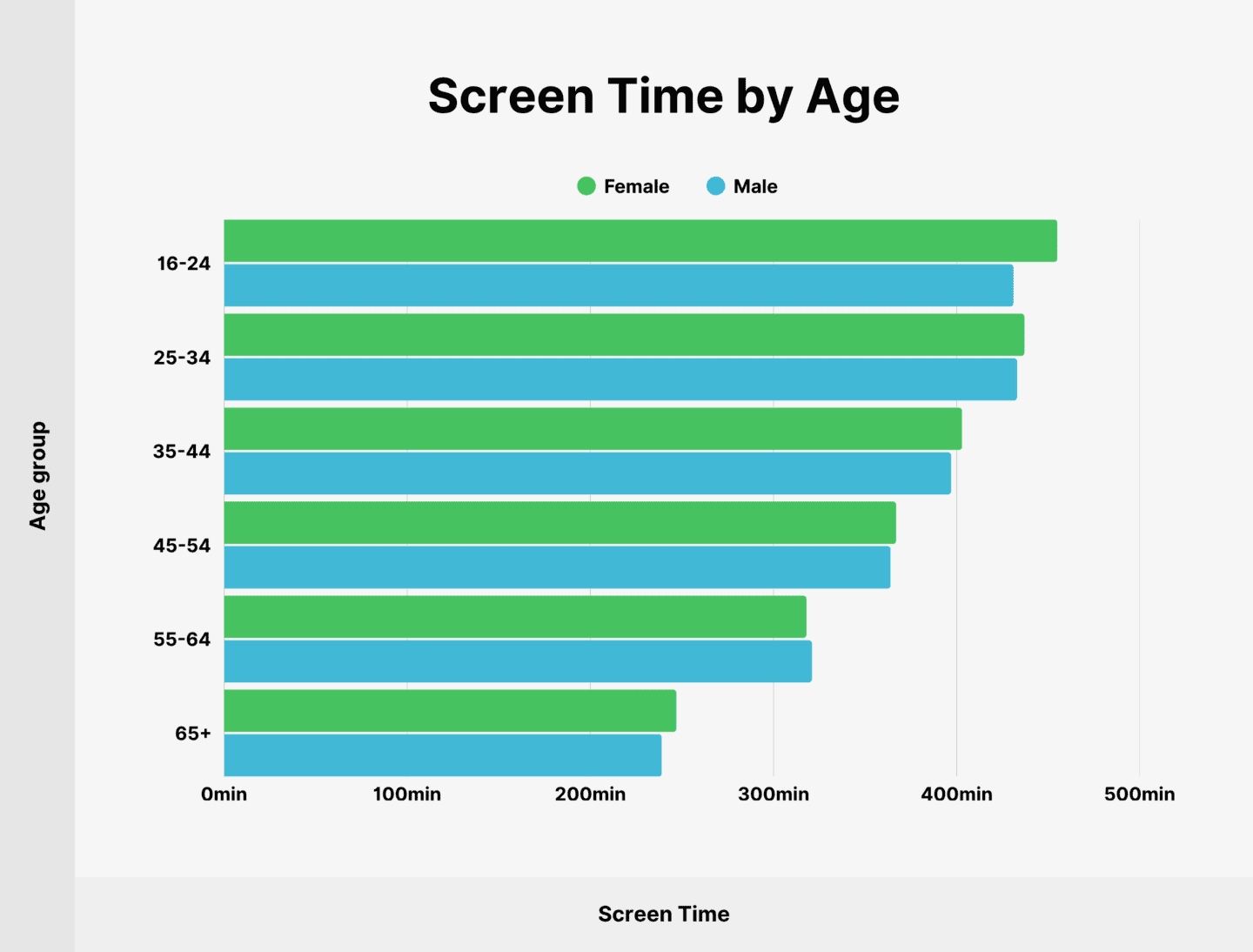
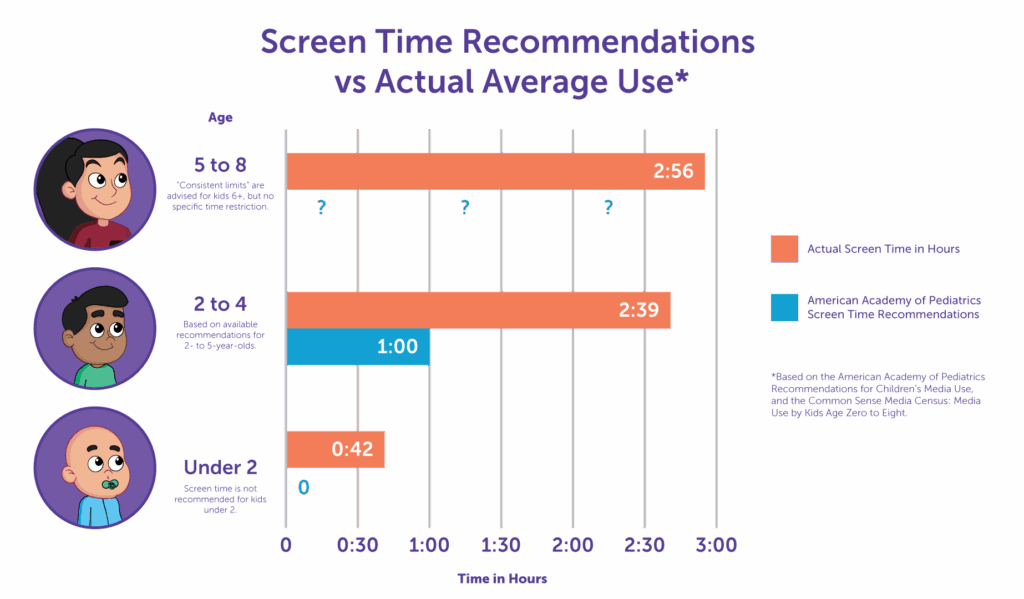
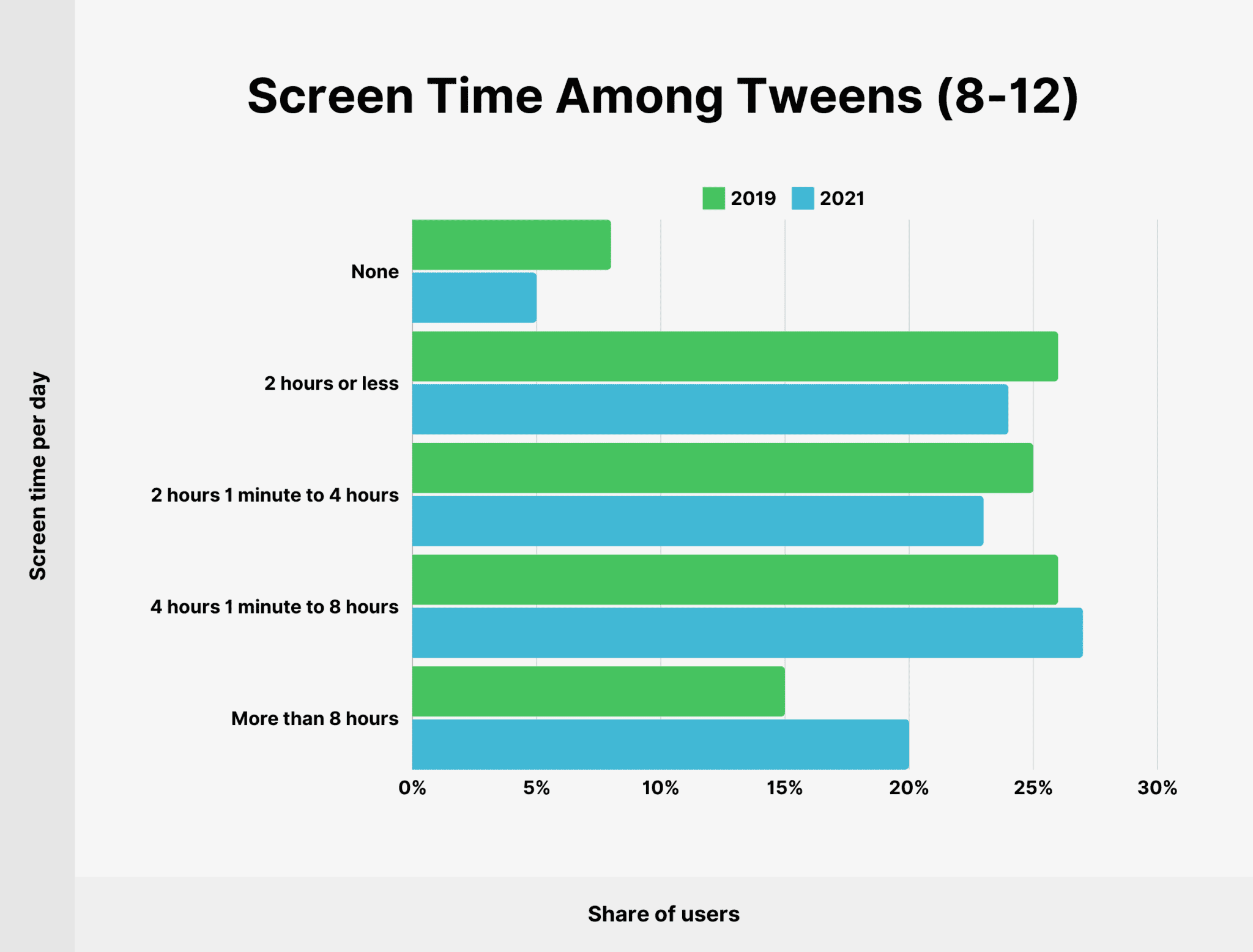
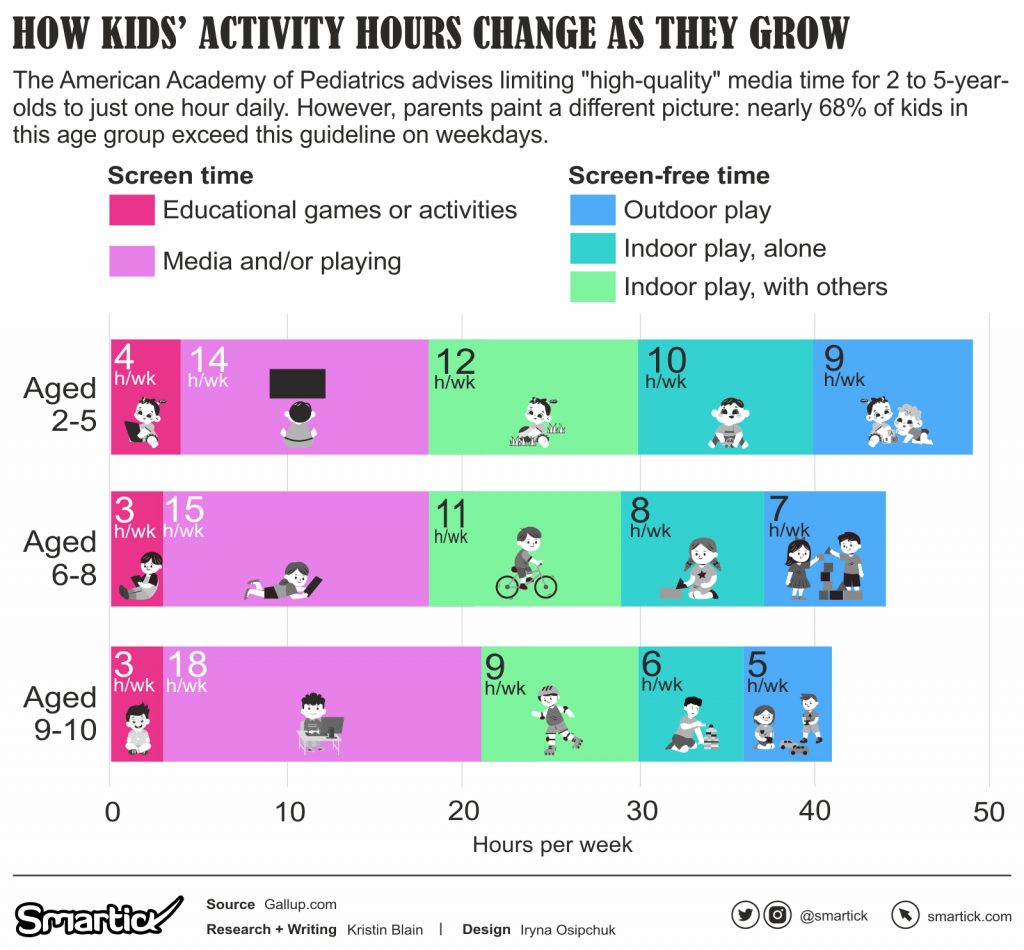
The study of “screen time statistics for kids 2026” directly supports Middle/High School (grades 612) curricula by fostering data literacy and critical analysis of societal trends. Its findings, however, profoundly impact educational strategies and parental guidance for Preschool (ages 35) and Elementary (grades 15) children, informing age-appropriate digital safety practices. Understanding current screen usage patterns is fundamental to building digital awareness. These insights are crucial for developing responsible online behavior. Data-driven approaches strengthen personal safety protocols. Internet safety education remains a paramount concern for educators, parents, and schools. A proactive stance ensures children navigate the digital world securely. Comprehensive instruction fosters a safe learning environment for every student. Explore more in our Internet and Digital Safety category.
💡 Educational Key Takeaways:
- Core Skill: Structured Screen Time Statistics For Kids 2026 focused on developing pencil grip, stroke control, and early literacy/math confidence.
- Target Scope: Suited for homeschoolers, preschool, kindergarten, and elementary learners.
- Best Recommendation: Practice 10–15 minutes daily with ergonomic writing tools to reinforce muscle memory without hand fatigue.
Why This Topic Matters
Analyzing “screen time statistics for kids 2026” develops critical thinking skills regarding online content. It enables the recognition of potential digital dangers. Students build safe digital habits based on current trends. Responsible internet use becomes an informed practice. These benefits align with established digital citizenship frameworks. They support key child development milestones related to media literacy. Informed discussions about screen use promote healthy digital boundaries. This topic provides a foundation for lifelong online security. Related guide: Internet Safety Hunt For Students.
Key Concepts and Teaching Strategies
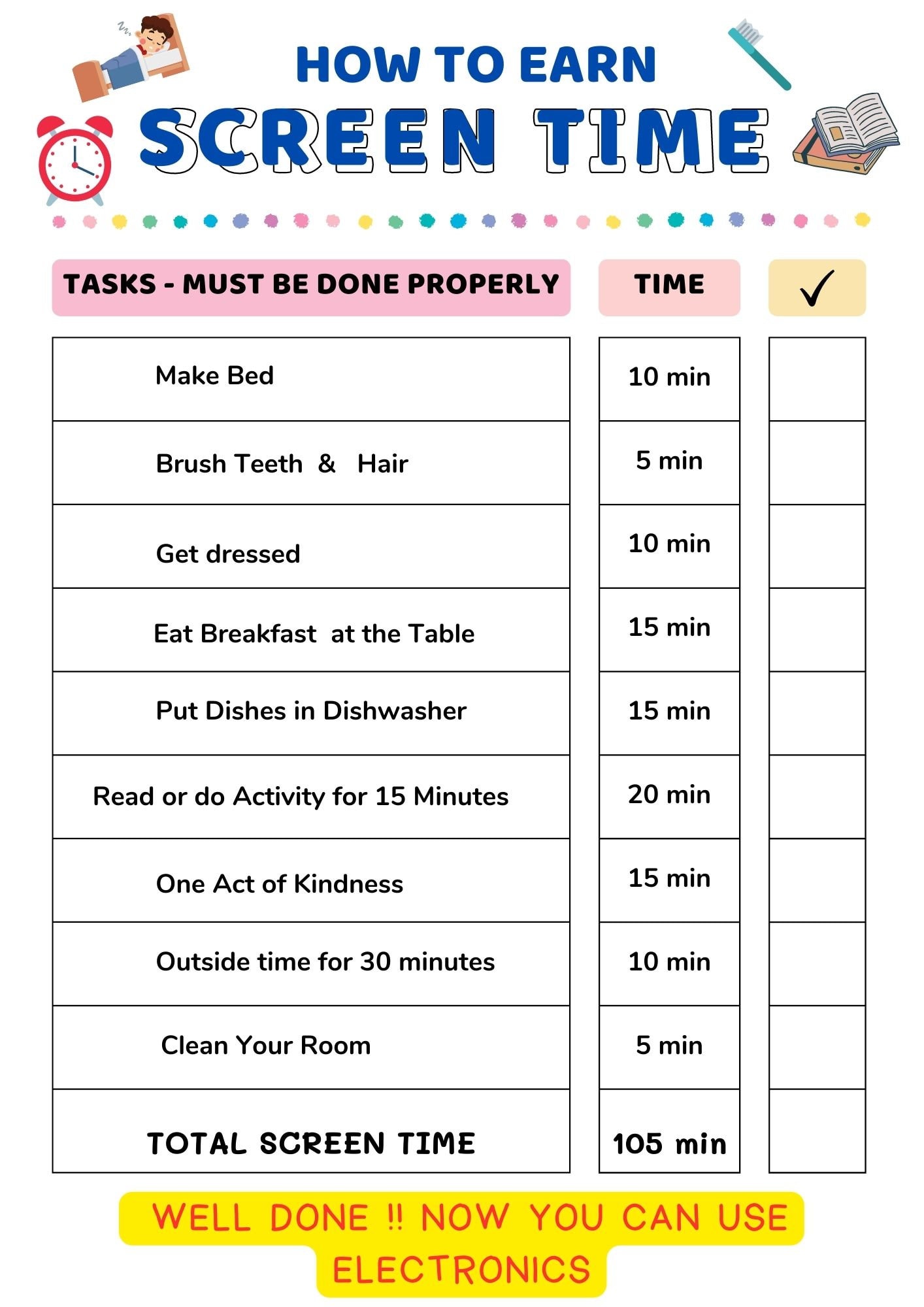
The study of “screen time statistics for kids 2026” covers essential digital safety concepts. It highlights effective online rules and practical safety tips. Identification of common warning signs is emphasized. Real-life scenarios illustrate potential risks. Age-appropriate strategies for managing screen time are introduced. Educators and parents can progressively scaffold learning. Younger children benefit from simple rules and supervised exploration. Older students engage in critical analysis of digital trends and ethical online dilemmas. Practical classroom activities include group discussions on data interpretation. Home-based approaches involve setting family media plans. Discussion prompts encourage thoughtful reflection on personal online experiences. Browse more guides on Safe Wired Schools.
Explore More Resources
Consistent engagement with digital safety learning routines is essential. Understanding evolving screen time patterns reinforces the need for ongoing education. Educators and parents are encouraged to explore additional internet safety resources at safewiredschools.org. Comprehensive guides and printable materials support continued skill development. A commitment to digital literacy protects young individuals online.
Developmental Milestone & Activity Table
| Development Stage | Recommended Daily Duration | Primary Learning Objective |
|---|---|---|
| Preschool & Pre-K | 10 – 15 Minutes | Pencil grip development & basic pre-stroke lines |
| Kindergarten | 15 – 20 Minutes | Letter/number formation & spatial line awareness |
| Early Elementary (Grade 1–2) | 20 – 30 Minutes | Fluency, sentence construction & neatness |
Images References