Introduction
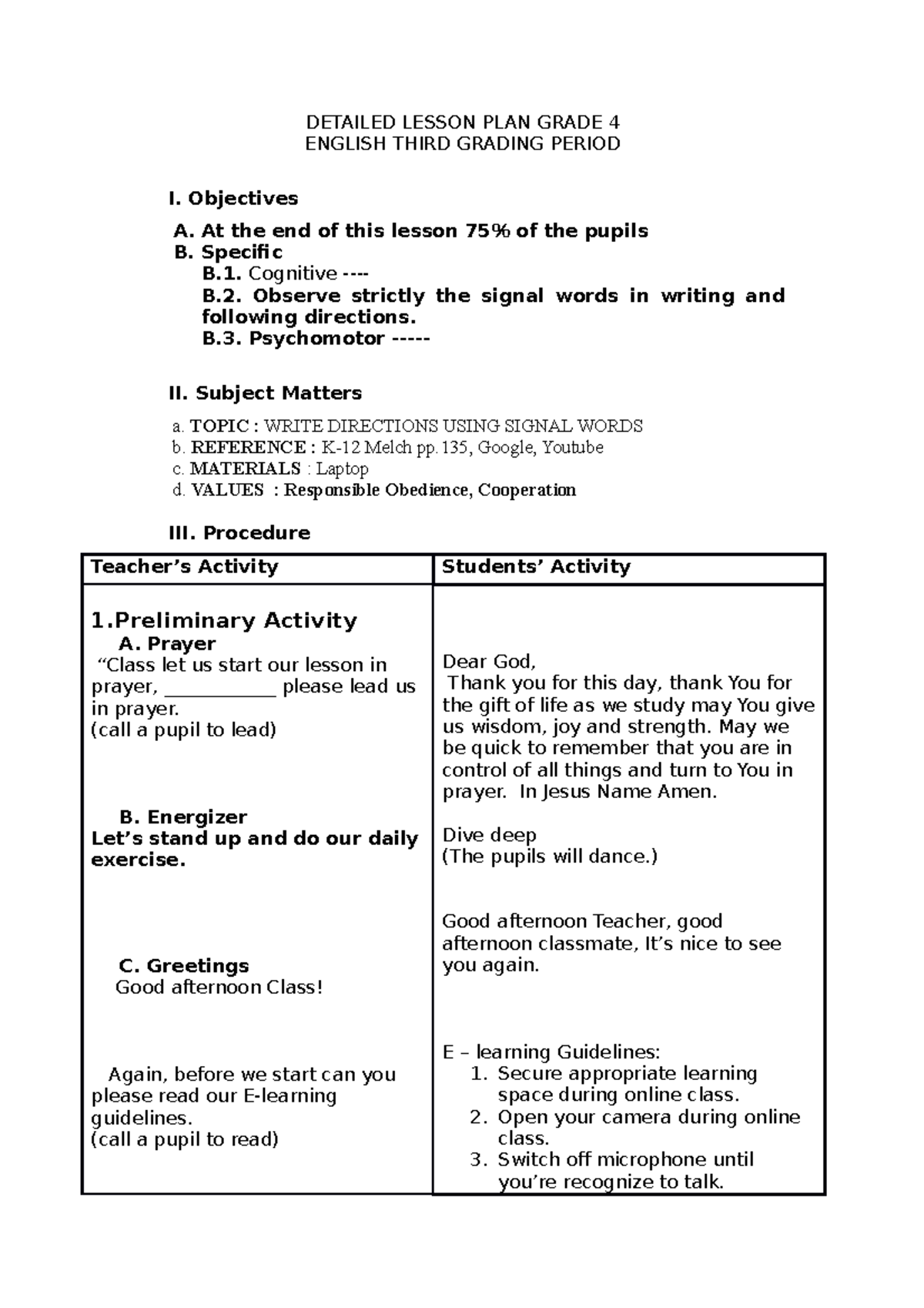
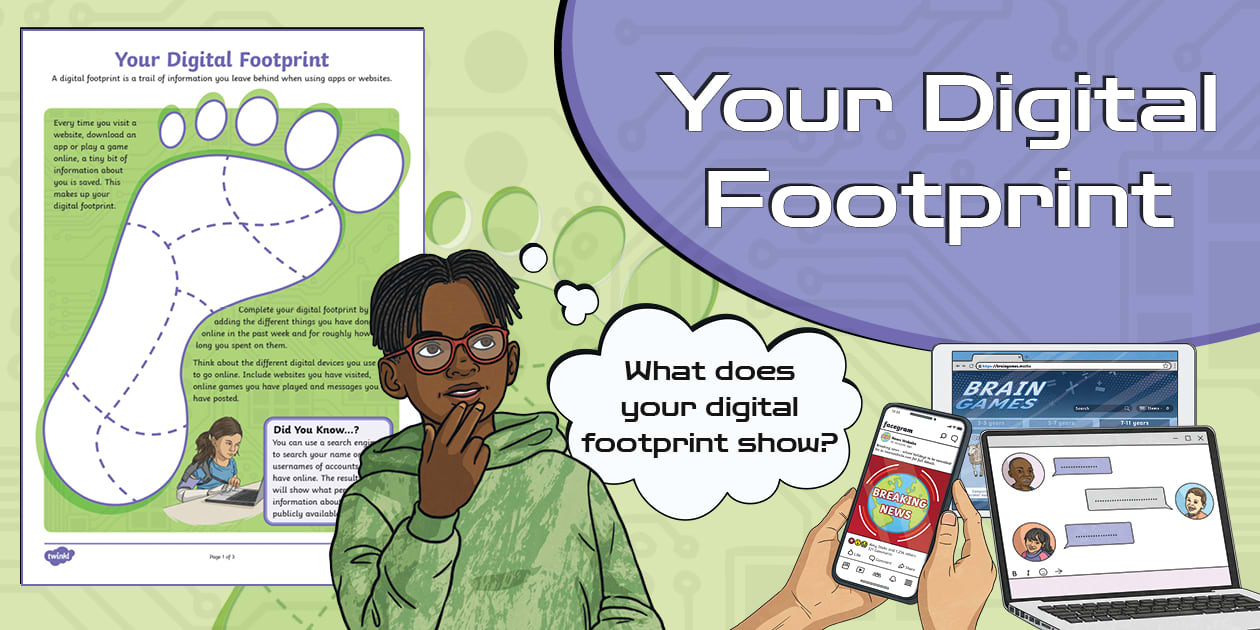
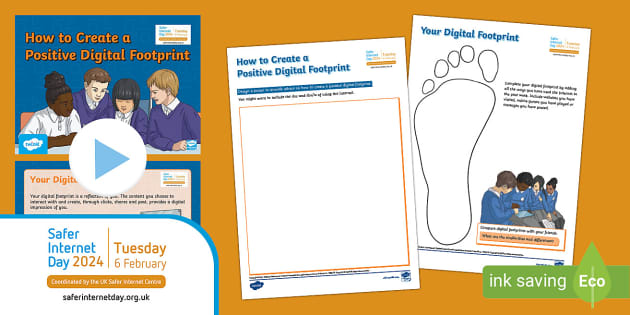
The term “digital footprint lesson plan grade 4” refers to educational content specifically designed for Elementary grades 15, with a particular focus on fourth-grade students. This topic holds significant relevance for building foundational digital awareness, promoting responsible online behavior, and ensuring personal safety in an increasingly connected world. Internet safety education is a trusted priority for educators, parents, and schools, forming a critical component of holistic child development. Proactive teaching about digital footprints equips young learners with essential skills for navigating the internet safely and thoughtfully. Explore more in our Internet and Digital Safety category.
💡 Educational Key Takeaways:
- Core Skill: Structured Digital Footprint Lesson Plan Grade 4 focused on developing pencil grip, stroke control, and early literacy/math confidence.
- Target Scope: Suited for homeschoolers, preschool, kindergarten, and elementary learners.
- Best Recommendation: Practice 10–15 minutes daily with ergonomic writing tools to reinforce muscle memory without hand fatigue.
Why This Topic Matters
Introducing digital footprint concepts at Grade 4 offers specific, measurable learning benefits. Students develop critical thinking skills necessary for evaluating online content and recognizing potential dangers such as misleading information or unsafe links. They begin building safe digital habits, including understanding the importance of privacy settings and creating strong passwords. This education fosters responsible internet use through lessons on netiquette, respectful communication, and the permanence of online actions. These benefits directly contribute to recognized digital citizenship milestones, helping children understand their role as ethical and informed participants in the digital sphere. Related guide: Are There Games That Teach Digital Safety.
Key Concepts and Teaching Strategies
Core concepts covered in a Grade 4 digital footprint lesson plan include understanding that everything shared online leaves a permanent trace. Children learn about privacy, distinguishing between public and private information, and the importance of thinking before posting. Key rules emphasize never sharing personal details with strangers and seeking adult help when encountering anything uncomfortable online. Age-appropriate strategies involve interactive discussions, visual aids, and real-life scenarios that help students grasp how information spreads and the potential consequences of online sharing. Educators and parents can scaffold learning progressively, starting with basic definitions and moving towards practical application through classroom activities like creating “digital safety pledges” or discussing hypothetical online dilemmas. At home, families can establish clear internet use rules and co-view online content, reinforcing lessons learned in school. Browse more guides on Safe Wired Schools.
Explore More Resources
Reinforcing digital safety education through consistent learning routines is paramount for continued skill development. Understanding the digital footprint is a continuous process that evolves with technology. Educators and parents are encouraged to explore additional internet safety resources, comprehensive guides, and printable materials available at safewiredschools.org. These resources provide further tools and support for nurturing digitally responsible and safe young individuals.
Developmental Milestone & Activity Table
| Development Stage | Recommended Daily Duration | Primary Learning Objective |
|---|---|---|
| Preschool & Pre-K | 10 – 15 Minutes | Pencil grip development & basic pre-stroke lines |
| Kindergarten | 15 – 20 Minutes | Letter/number formation & spatial line awareness |
| Early Elementary (Grade 1–2) | 20 – 30 Minutes | Fluency, sentence construction & neatness |
Images References