Introduction
Young children routinely leave digital traces long before they fully understand how the internet operates. Shared household tablets, multiplayer in-game chats, and video-sharing platforms become familiar landscapes for elementary students. Navigating these digital spaces requires concrete foundational habits rather than fearful restrictions. Adults guiding children through this technological landscape often look for accessible tools that translate abstract concepts into tangible lessons. The free printable focusing on what are 3 facts about digital footprint ffor kids provides an ideal starting point for these essential discussions. Structured learning materials bridge the gap between complex digital concepts and early childhood comprehension, making foundational Internet and Digital Safety accessible to young minds.
💡 Educational Key Takeaways:
- Core Skill: Structured What Are 3 Facts About Digital Footprint Ffor Kids focused on developing pencil grip, stroke control, and early literacy/math confidence.
- Target Scope: Suited for homeschoolers, preschool, kindergarten, and elementary learners.
- Best Recommendation: Practice 10–15 minutes daily with ergonomic writing tools to reinforce muscle memory without hand fatigue.
What This Printable Covers
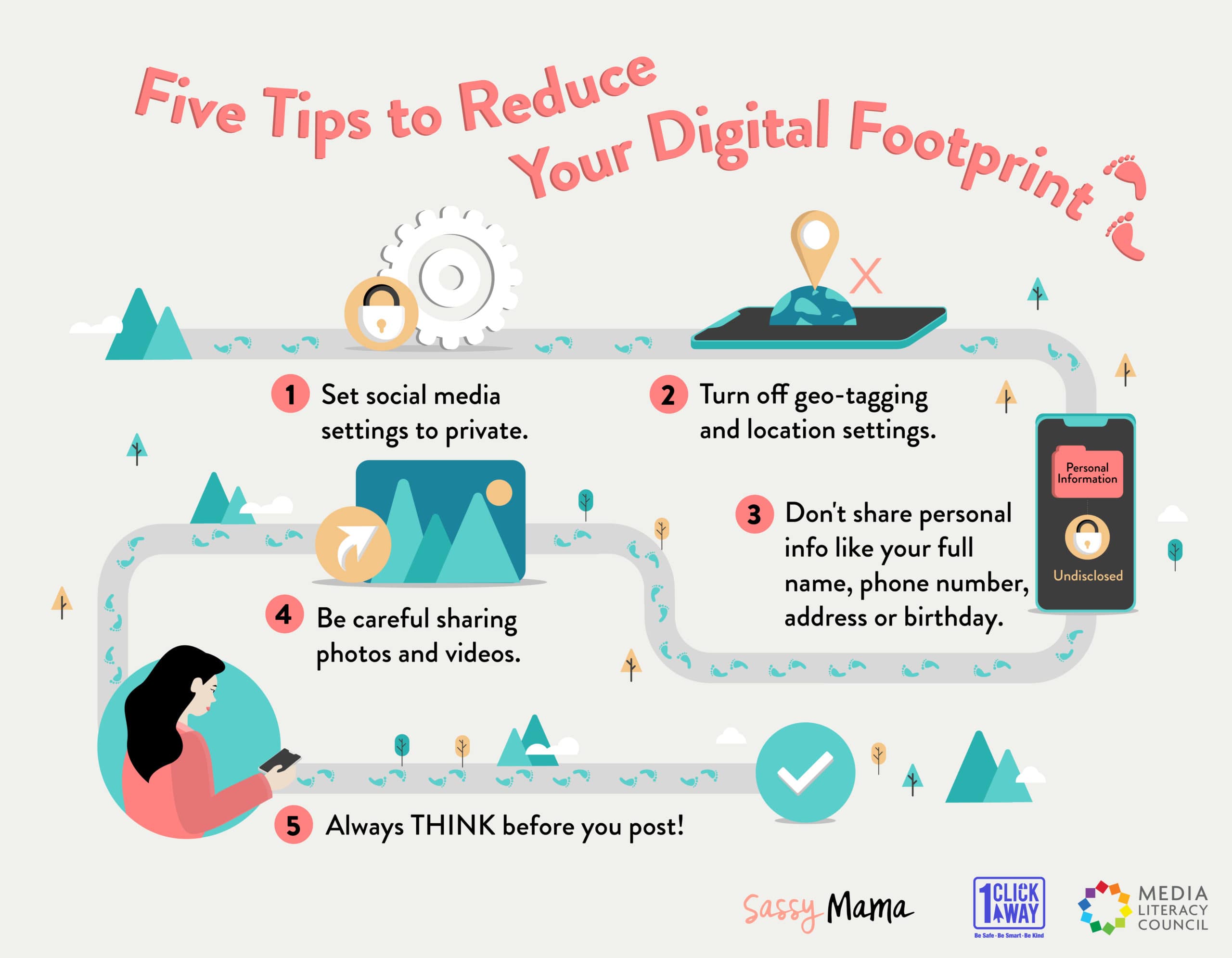
This educational resource breaks down the vast concept of online tracks into three digestible, memorable facts that elementary students can easily grasp. Children discover that every photo posted, comment typed, and game level saved creates a permanent online history. It sounds simple, and that’s the point. By focusing on three core truths—that information online stays, travels further than expected, and reflects personal choices—the material demystifies the cloud. Rather than presenting technology as something dangerous, the content empowers learners to view their online actions through a lens of mindful awareness and intentional decision-making. Related guide: Teachers Of Grades 9–12 Should Expand Internet Safety Instruction To Include Which Of The Following Topics?.
Key Learning Outcomes
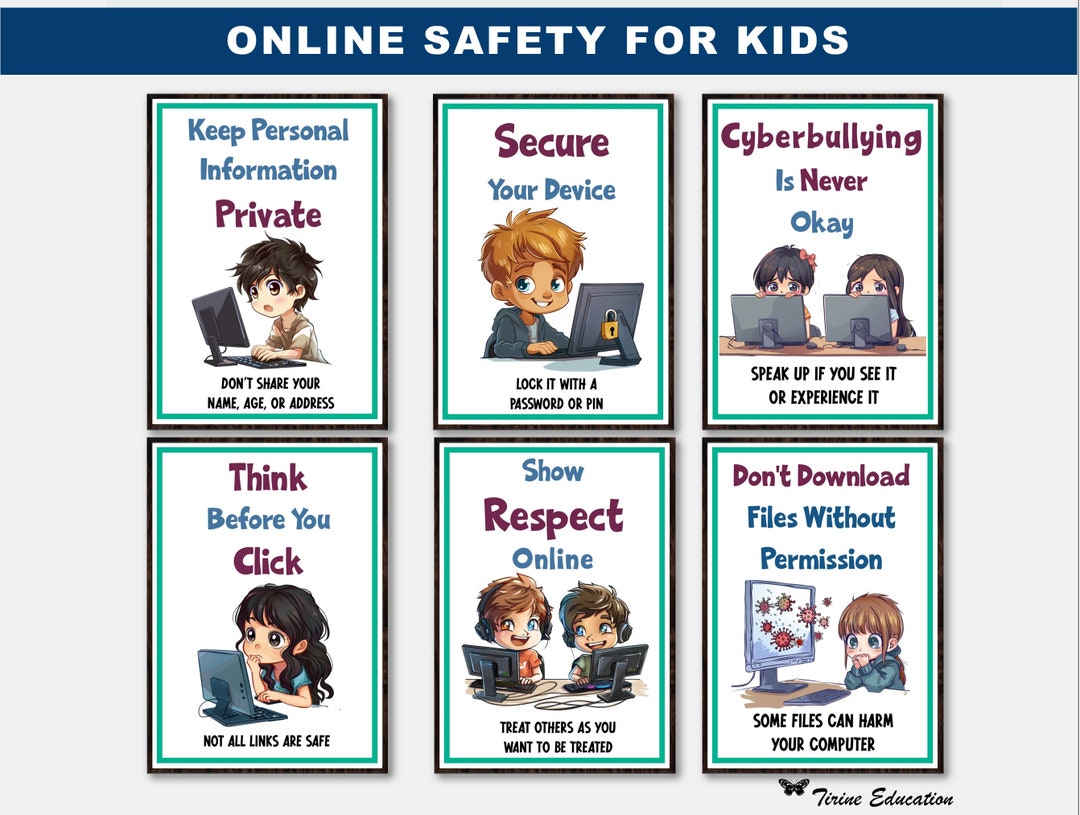
Engaging with this activity sheet helps students build specific skills necessary for modern citizenship. Learners practice identifying what constitutes private information versus safe public sharing. Furthermore, the exercise reinforces the vital habit of pausing before clicking, posting, or chatting. Children learn that mistakes online are correctable through open communication with trusted adults, reinforcing the rule that children are never in trouble for reporting something uncomfortable. This proactive approach supports ongoing Online and Digital Safety initiatives by turning passive consumers into thoughtful digital creators.
How to Use This Printable
Classrooms and living rooms transform into interactive learning hubs when adults use worksheets as conversation catalysts rather than quiet busywork. Educators can introduce the three facts during morning meeting circles, while parents might review the page during an afternoon snack routine. Here’s what makes this resource different: it relies on active dialogue instead of rote memorization. Reading through the prompts together allows adults to ask guiding questions about favorite games or shared family devices. Children thrive when safety is framed as a superpower to practice rather than a list of rules to fear.
Practical Tips for Parents and Teachers
Maximizing the impact of this printable involves connecting the printed facts to real-world scenarios that children encounter daily. Adults should relate the digital footprint concept to physical footsteps in wet sand or snow, visualizing how actions leave lasting marks. Keeping pencils and crayons handy invites younger learners to draw examples of positive online choices alongside the text. Integrating these printable exercises into broader lesson plans aligns naturally with hands-on Worksheets designed to reinforce healthy technology boundaries at home and in the classroom.
Age-Appropriate Recommendations
Matching digital citizenship concepts to developmental milestones ensures that children absorb information without feeling overwhelmed. Five-year-olds benefit from basic discussions about keeping personal details like full names and home addresses private. Older elementary students, around ages nine to twelve, can explore more nuanced topics involving reputation, peer interactions, and the permanence of shared media. Grounding these lessons in the Common Sense Education Digital Citizenship Curriculum provides educators with a reliable framework for teaching students how to balance online exploration with personal privacy and respectful communication.
According to Common Sense Media, the vast majority of children begin using mobile devices before the age of eight, often encountering digital footprints and online content long before formal instruction begins. — Common Sense Media
Frequently Asked Questions
Parents and educators frequently ask how to integrate digital literacy into busy daily routines without adding stress. Clear answers help caregivers implement these valuable lessons effectively while keeping technology enjoyable and safe for growing minds.
Explore More Free Kids Online Safety Printables
Expanding a child’s digital literacy toolkit requires a diverse selection of engaging, age-appropriate resources. Beyond foundational worksheets, educators and families can utilize creative Coloring Pages to reinforce positive habits through visual art. Continuing this educational journey ensures children grow into confident, responsible digital citizens.
Developmental Milestone & Activity Table
| Development Stage | Recommended Daily Duration | Primary Learning Objective |
|---|---|---|
| Preschool & Pre-K | 10 – 15 Minutes | Pencil grip development & basic pre-stroke lines |
| Kindergarten | 15 – 20 Minutes | Letter/number formation & spatial line awareness |
| Early Elementary (Grade 1–2) | 20 – 30 Minutes | Fluency, sentence construction & neatness |
Images References