Introduction
Children today navigate digital landscapes long before they master cursive handwriting. Tablets, shared household laptops, and gaming consoles become familiar tools by the time children enter kindergarten. Yet, digital citizenship rarely arrives pre-installed in young minds. Kids frequently encounter online risks in ordinary moments, such as navigating in-game chat features during weekend gaming or clicking autoplay video platforms after school. Adults often scramble to set boundaries after a confusing digital encounter occurs. Shifting from reactive panic to proactive learning requires intentional tools that spark dialogue. The free printable ideas for change in internet safety paragraph for students provides a structured starting point for classrooms and living rooms alike. Related guide: Teachers Of Grades 9–12 Should Expand Internet Safety Instruction To Include Which Of The Following Topics?.
💡 Educational Key Takeaways:
- Core Skill: Structured Ideas For Change In Internet Safety Paragraph For Students focused on developing pencil grip, stroke control, and early literacy/math confidence.
- Target Scope: Suited for homeschoolers, preschool, kindergarten, and elementary learners.
- Best Recommendation: Practice 10–15 minutes daily with ergonomic writing tools to reinforce muscle memory without hand fatigue.
What This Printable Covers
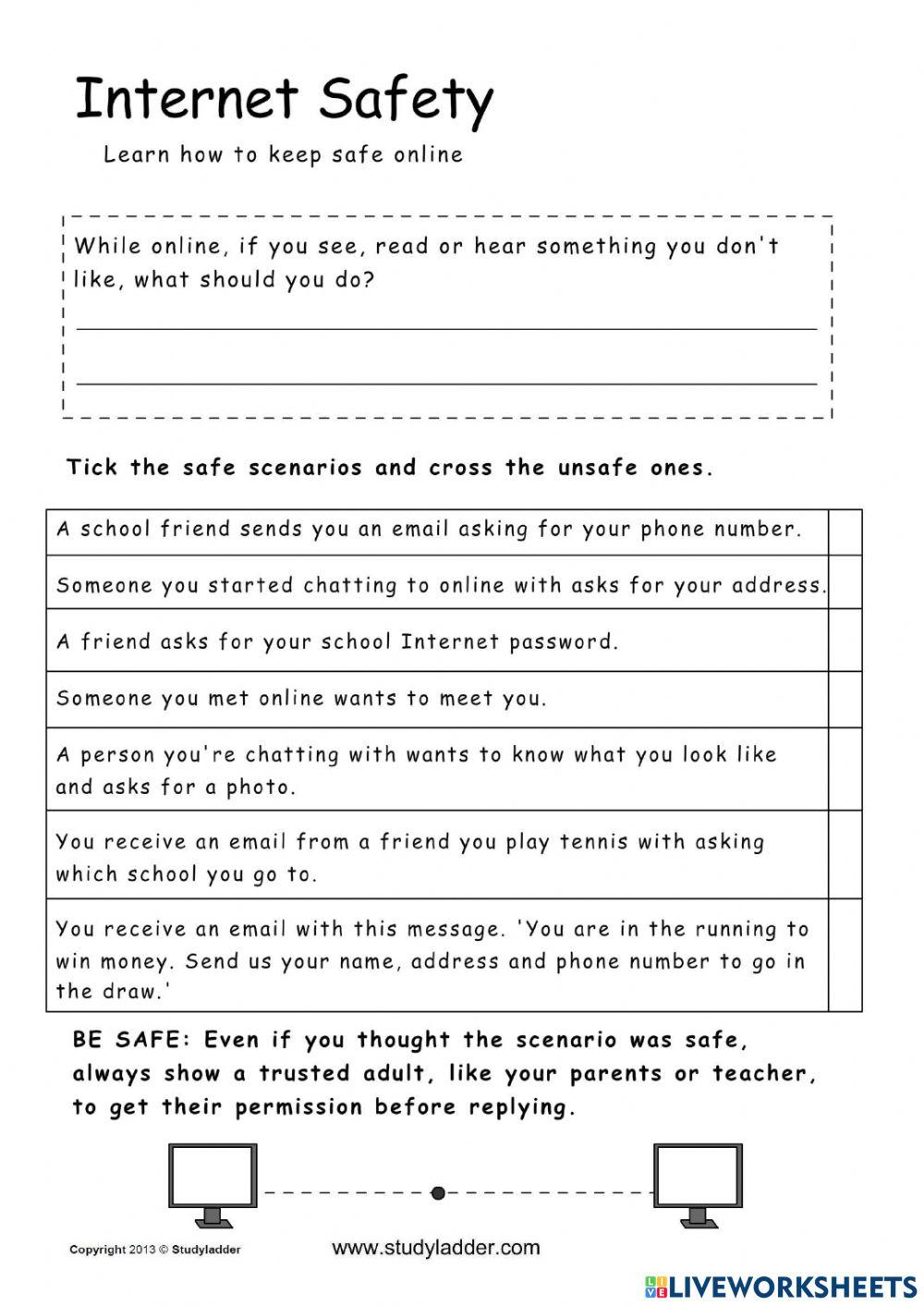
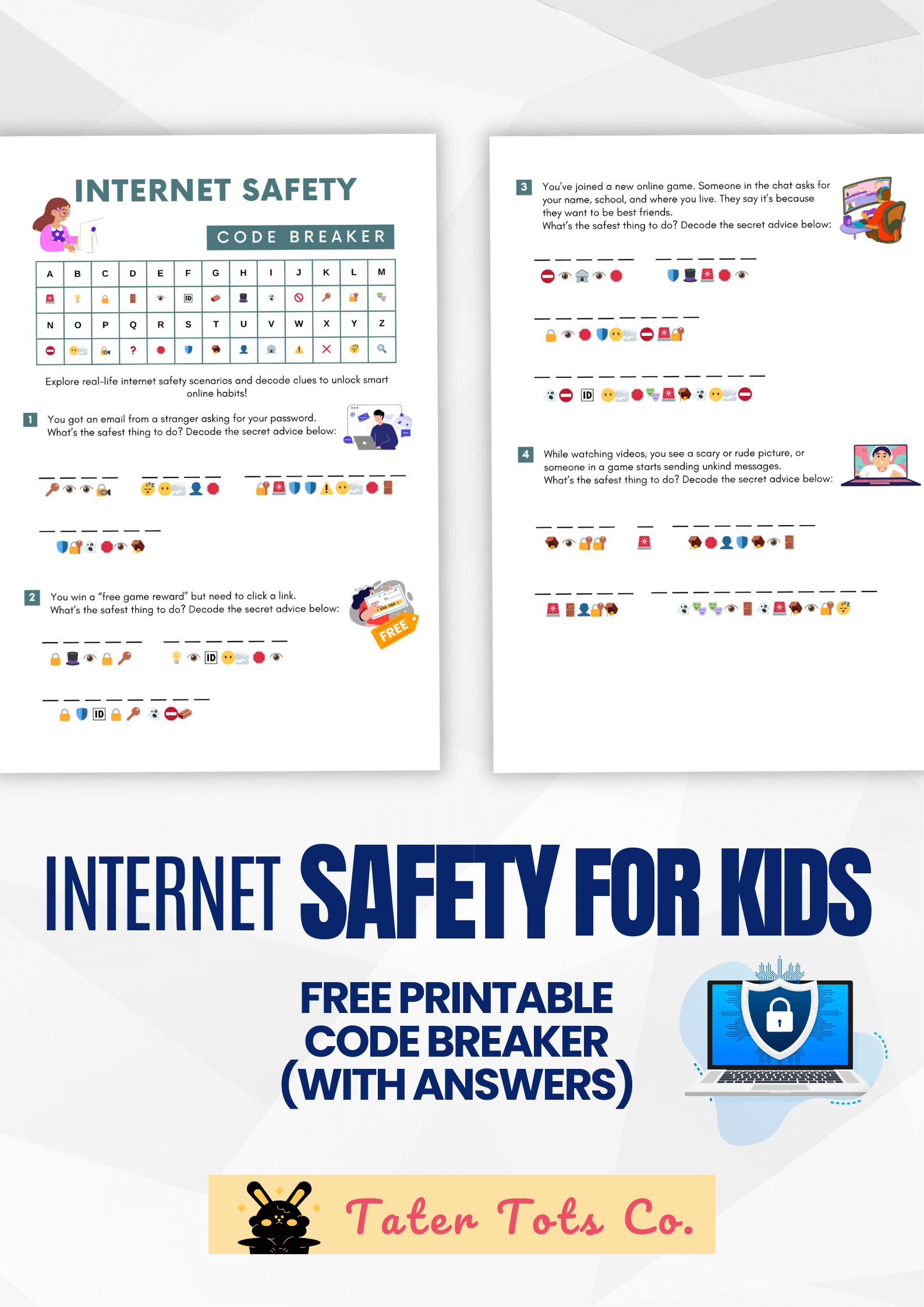
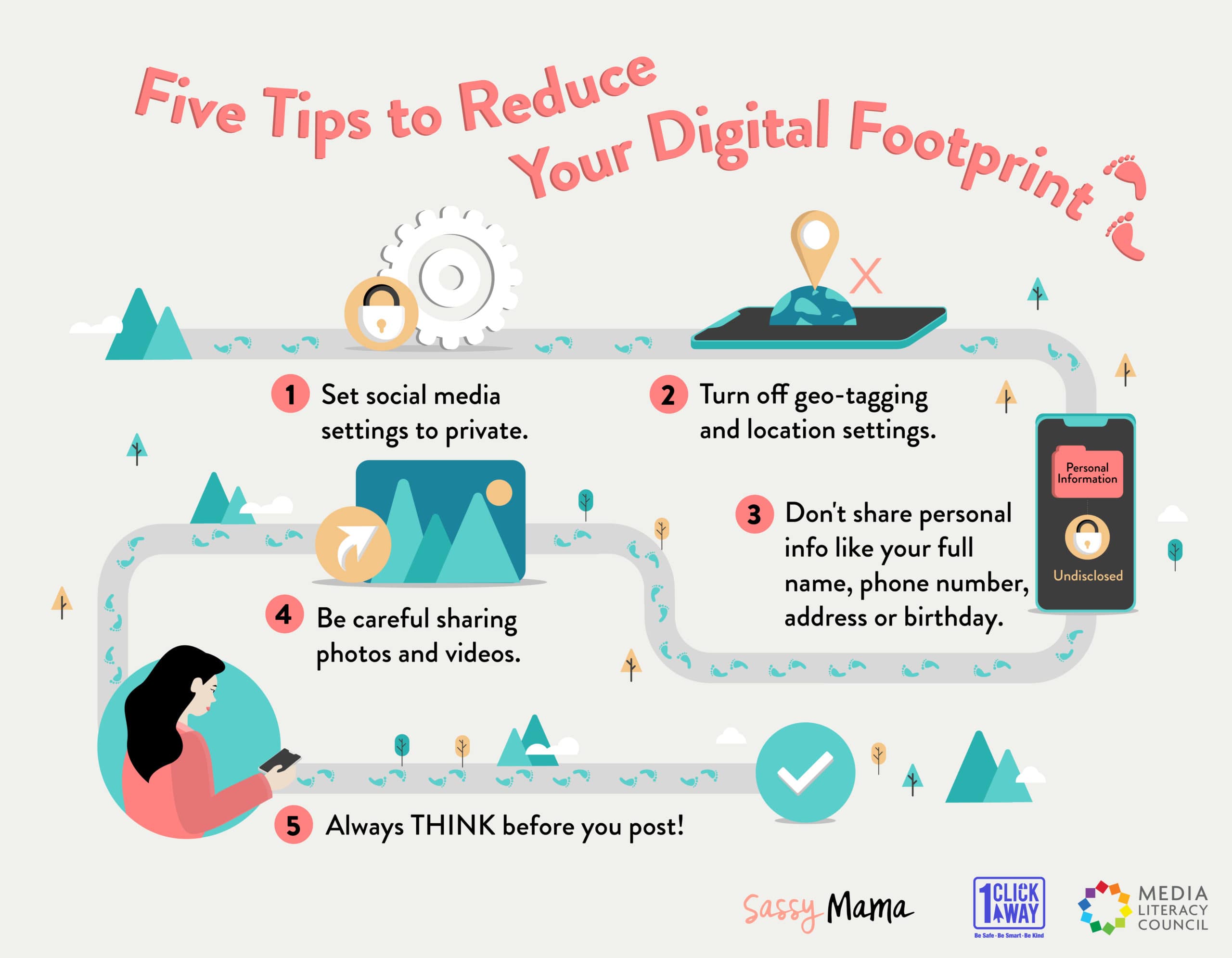
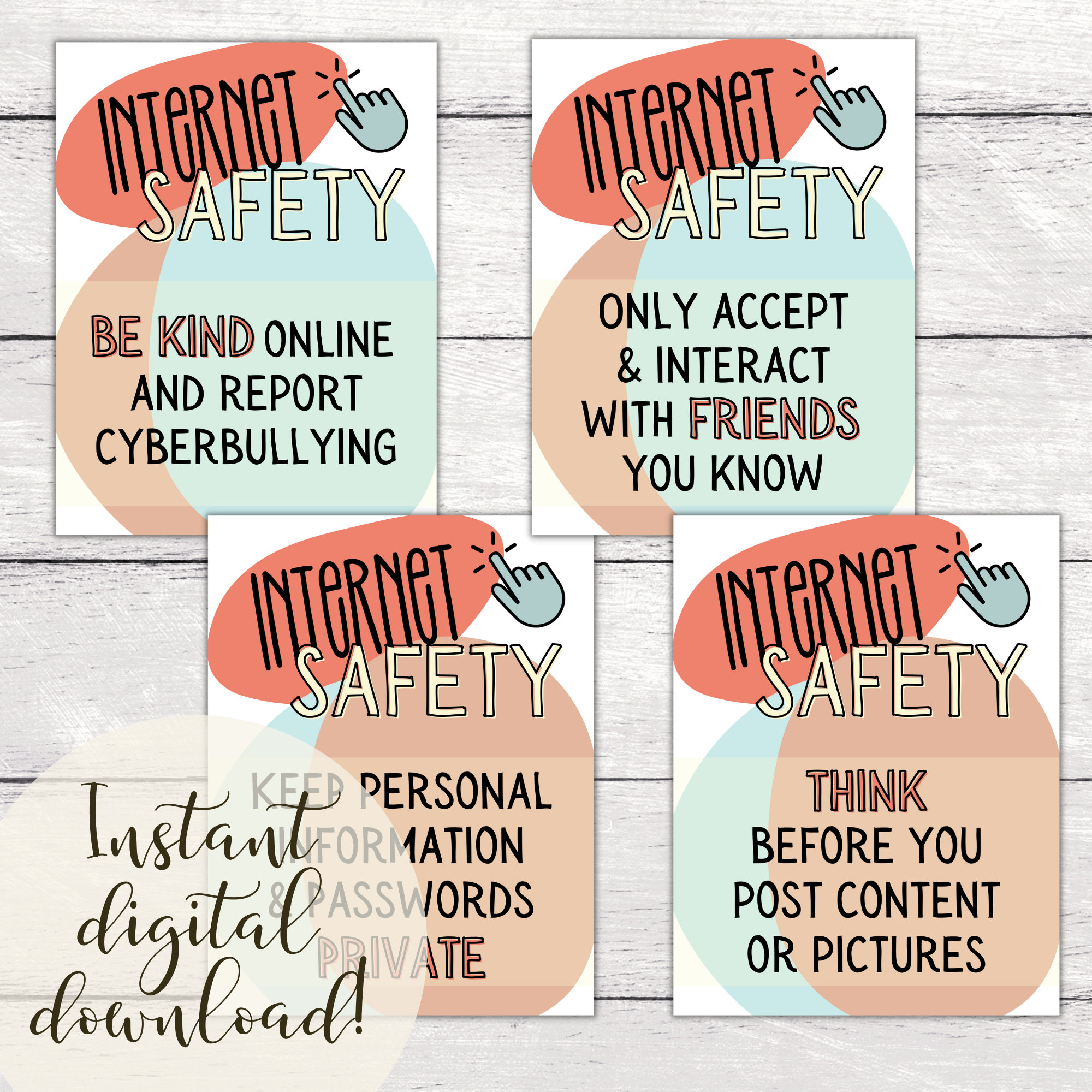
This versatile resource bridges writing practice with digital literacy. Students read a thought-provoking paragraph focused on positive digital habits, then articulate their own perspectives on improving online environments. It emphasizes foundational protective habits rather than instilling fear. Learners explore concepts like keeping personal information private, creating strong passwords, and pausing before sharing content. Crucially, the text reinforces an essential safety anchor: children are never in trouble for reporting something uncomfortable to a trusted adult. Exploring related online safety topics helps expand these vital lessons further.
Key Learning Outcomes
Completing this activity helps children transition from passive consumers of technology to reflective digital citizens. Writing about change encourages ownership over online behavior. Students identify concrete actions they can take to keep peer interactions kind and safe. Critical thinking skills blossom when learners evaluate scenarios and propose constructive solutions. It sounds simple, and that’s the point. Clear, manageable concepts stick with young learners far better than complicated rulebooks.
How to Use This Printable
Implementation requires minimal preparation, making it ideal for busy morning work routines or evening homework sessions. Educators can introduce the paragraph during a mini-lesson on digital citizenship, followed by independent writing time. Caregivers might read the text aloud together at the kitchen table, using the prompts as a springboard for family discussions. It serves as a natural companion to hands-on student learning activities designed for elementary grade levels. The goal remains building resilient habits over time.
Practical Tips for Parents and Teachers
Creating a calm, non-judgmental environment makes all the difference when discussing technology use. Adults should invite children to share their own digital experiences without fear of losing device privileges. Here’s what makes this resource different: it frames online safety as a collaborative community effort rather than a policing mechanism. Educators can display completed paragraphs on bulletin boards to foster school-wide digital responsibility. Consistency across home and school reinforces the underlying protective habits.
Age-Appropriate Recommendations
Aligning digital lessons with developmental stages ensures maximum comprehension. Younger elementary students thrive when adults read the paragraph aloud and scribe their dictated thoughts. Older elementary children can independently analyze the text and write multi-sentence responses. This scaffolding aligns closely with the Common Sense Education Digital Citizenship Curriculum, which emphasizes age-graded competencies for media balance and privacy. According to Common Sense Media, children benefit immensely when digital literacy instruction begins early and evolves alongside their expanding technology use. Integrating digital wellness resources keeps lessons fresh and relevant.
Children increasingly encounter digital platforms and connected devices at younger ages, making early guidance essential for healthy habits. — Common Sense Media
Frequently Asked Questions
How do users download and print this resource? Visitors can save the file directly to any device as a standard PDF and print it using a home or school printer without special software.
How does this printable support online safety learning? It combines reading comprehension with reflective writing, encouraging children to articulate positive digital citizenship rules in their own words.
What do child safety experts recommend for discussing online risks? According to the National Center for Missing & Exploited Children, adults should maintain open, calm communication so children feel safe reporting uncomfortable online encounters immediately.
Open communication between children and trusted adults remains one of the strongest protective factors in digital spaces. — National Center for Missing & Exploited Children
Explore More Free Kids Online Safety Printables
Expanding a digital citizenship toolkit requires a variety of engaging formats. Beyond writing prompts, children benefit from creative exercises that solidify good habits. Explore a diverse collection of educational coloring sheets designed to reinforce offline and online safety discussions. Combining multiple resource types ensures every learner stays engaged and empowered.
Developmental Milestone & Activity Table
| Development Stage | Recommended Daily Duration | Primary Learning Objective |
|---|---|---|
| Preschool & Pre-K | 10 – 15 Minutes | Pencil grip development & basic pre-stroke lines |
| Kindergarten | 15 – 20 Minutes | Letter/number formation & spatial line awareness |
| Early Elementary (Grade 1–2) | 20 – 30 Minutes | Fluency, sentence construction & neatness |
Images References