Introduction
Children today encounter digital tools long before reading chapter books. Tablets in shared family rooms, classroom laptops, and in-game chat features on popular video platforms introduce young minds to boundless connectivity. Navigating this landscape requires more than blocking software; it demands proactive skill-building. Educators and parents often search for effective ways to introduce these concepts without inducing fear. The free printable “why is internet safety important for students” bridges this gap by turning abstract rules into tangible concepts. It sounds simple, and that’s the point. Grounding digital citizenship in routine classroom activities helps young learners internalize safe habits naturally. Related guide: Teachers Of Grades 9–12 Should Expand Internet Safety Instruction To Include Which Of The Following Topics?.
💡 Educational Key Takeaways:
- Core Skill: Structured Why Is Internet Safety Important For Students focused on developing pencil grip, stroke control, and early literacy/math confidence.
- Target Scope: Suited for homeschoolers, preschool, kindergarten, and elementary learners.
- Best Recommendation: Practice 10–15 minutes daily with ergonomic writing tools to reinforce muscle memory without hand fatigue.
What This Printable Covers
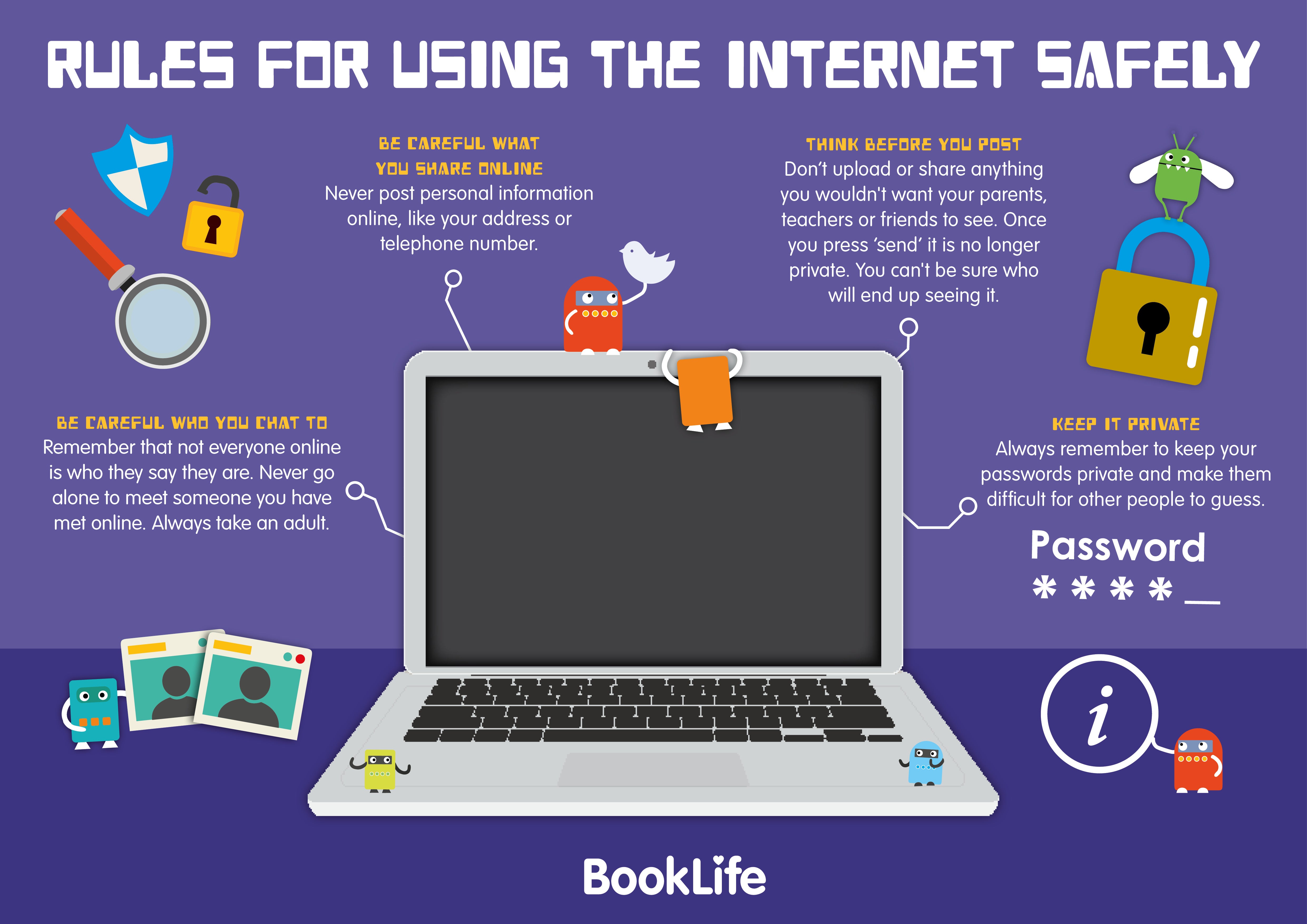
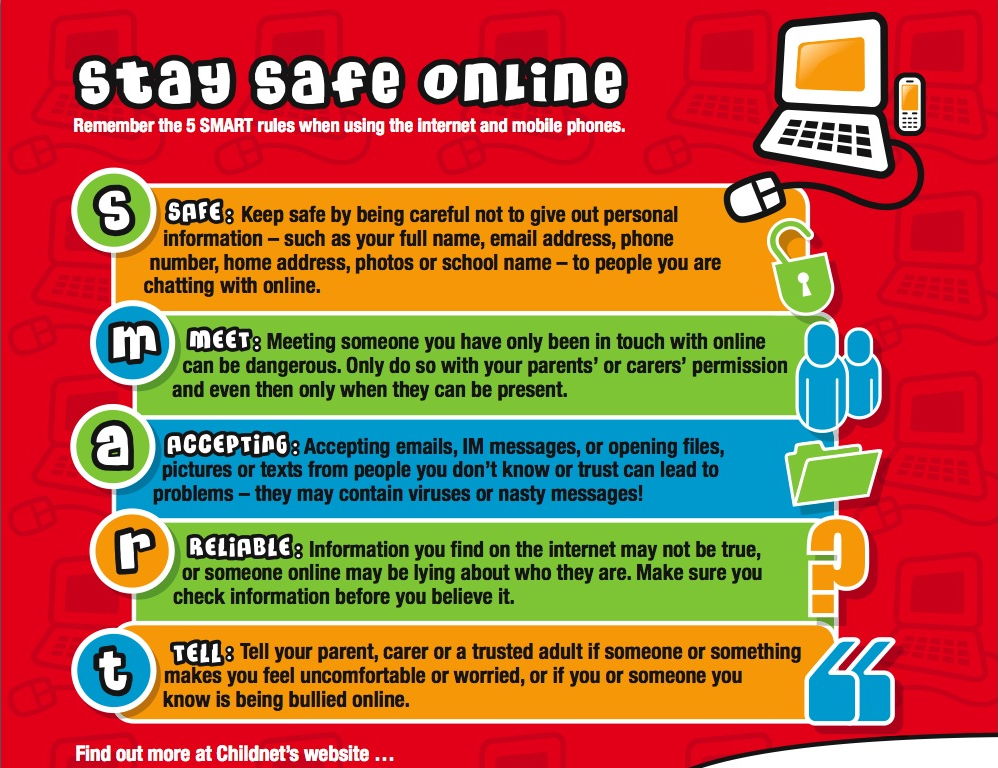
This targeted worksheet focuses on foundational digital habits through structured exercises and scenario prompts. Young learners explore the importance of keeping personal information private, recognizing strong passwords, and pausing before sharing content. Instead of listing scary warnings, the page emphasizes positive agency. Children practice identifying trusted adults to approach whenever something online feels confusing or uncomfortable. The lesson explicitly reinforces that reporters are never in trouble, fostering open communication lines at home and in the classroom. Exploring resources within Internet and Digital Safety provides additional context for these vital conversations.
Key Learning Outcomes
Completing this activity equips students to articulate why protecting personal details matters. Children learn to distinguish between public and private information, such as avoiding the sharing of home addresses, full names, or school names in digital spaces. Another core objective involves teaching students to recognize the value of stepping away from screens when interactions turn negative. According to Common Sense Media, youth engagement with digital media begins remarkably early, making foundational literacy tools essential for navigating shared devices safely.
How to Use This Printable
Flexibility defines this resource. Teachers can integrate the sheet into morning meeting rotations, while parents can use it during weekend quiet time to spark meaningful dialogue. Coloring reinforces safety messages because the tactile nature of coloring keeps hands busy while minds process verbal prompts. Adults can read the scenarios aloud while students color, pausing to discuss how characters handle tricky online moments. It sounds simple, and that’s the point. Pairing the activity with hands-on practice from Worksheets creates a comprehensive learning routine.
Practical Tips for Parents and Teachers
Facilitating a productive discussion matters far more than simply having children fill out the page. Start by asking open-ended questions about favorite games or apps before diving into the worksheet scenarios. Validate every child’s perspective, especially when discussing feelings of discomfort during online play. Establishing a judgment-free zone ensures that young users feel secure coming forward with real-world digital dilemmas. Consistency across home and school environments reinforces these protective habits effectively.
Age-Appropriate Recommendations
Tailoring digital literacy to developmental stages ensures maximum comprehension. For younger elementary students aged five to eight, focus heavily on basic boundaries and identifying trusted helpers. Older elementary students aged nine to twelve can analyze nuanced scenarios involving digital footprints and respectful online communication. Aligning these lessons with the ISTE Standards for Students helps educators build a structured framework where digital citizenship grows alongside technical proficiency. According to the Pew Research Center, a vast majority of parents express concern about their children’s screen time and online interactions, underscoring the demand for guided educational tools.
Young people encounter digital media and shared devices at increasingly early developmental stages, making foundational online literacy essential — Common Sense Media
Frequently Asked Questions
Clear answers help educators and families maximize the impact of digital safety printables. What follows addresses the most common inquiries regarding access, implementation, and research-backed standards for children’s technology use.
Explore More Free Kids Online Safety Printables
Expanding a digital citizenship curriculum requires a diverse toolkit of engaging materials. Educators and caregivers can discover additional creative options by visiting Coloring Pages for artistic engagement. Continuing the journey through Online and Digital Safety ensures children receive consistent, empowering guidance across all digital learning environments.
Developmental Milestone & Activity Table
| Development Stage | Recommended Daily Duration | Primary Learning Objective |
|---|---|---|
| Preschool & Pre-K | 10 – 15 Minutes | Pencil grip development & basic pre-stroke lines |
| Kindergarten | 15 – 20 Minutes | Letter/number formation & spatial line awareness |
| Early Elementary (Grade 1–2) | 20 – 30 Minutes | Fluency, sentence construction & neatness |
Images References