Introduction
Digital devices occupy a central role in modern childhood, entering homes and classrooms through shared tablets, school-issued laptops, and gaming consoles. Children rarely encounter online risks through dramatic, cinematic scenarios. Instead, they stumble upon complications during routine moments, such as typing a display name into an in-game chat or clicking through a video platform’s auto-play queue. Equipping young minds with strong digital habits requires approachable tools that demystify technology. The free printable internet safety rules for kids to start buying guide serves as a practical anchor for these vital conversations. Educators and parents often struggle to introduce digital citizenship without inducing fear. Shifting the focus from threats to skills transforms online safety into an empowering journey of independence and critical thinking. Using a structured guide bridges the gap between abstract rules and everyday device usage, ensuring children know exactly what to do when something feels confusing or off. Related guide: Teachers Of Grades 9–12 Should Expand Internet Safety Instruction To Include Which Of The Following Topics?.
💡 Educational Key Takeaways:
- Core Skill: Structured Internet Safety Rules For Kids To Start Buying Guide focused on developing pencil grip, stroke control, and early literacy/math confidence.
- Target Scope: Suited for homeschoolers, preschool, kindergarten, and elementary learners.
- Best Recommendation: Practice 10–15 minutes daily with ergonomic writing tools to reinforce muscle memory without hand fatigue.
What This Printable Covers
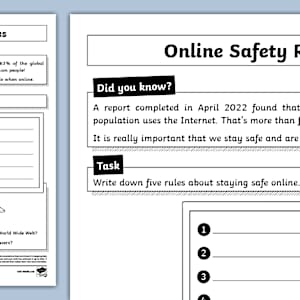
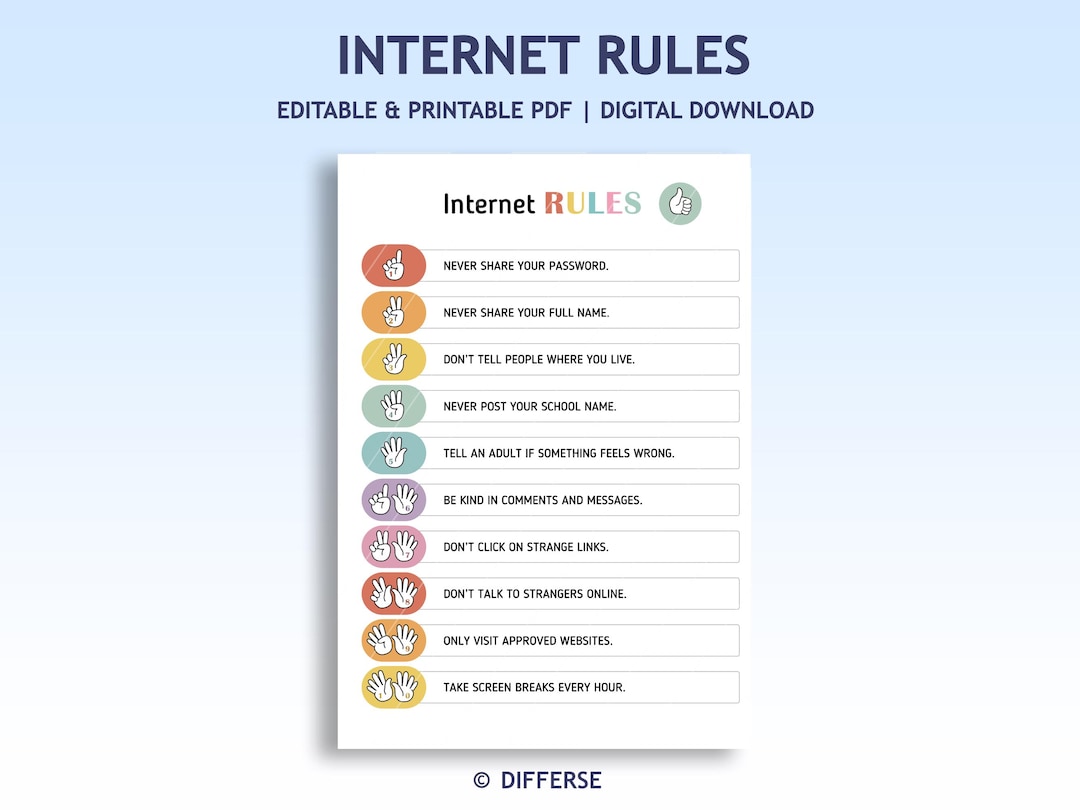
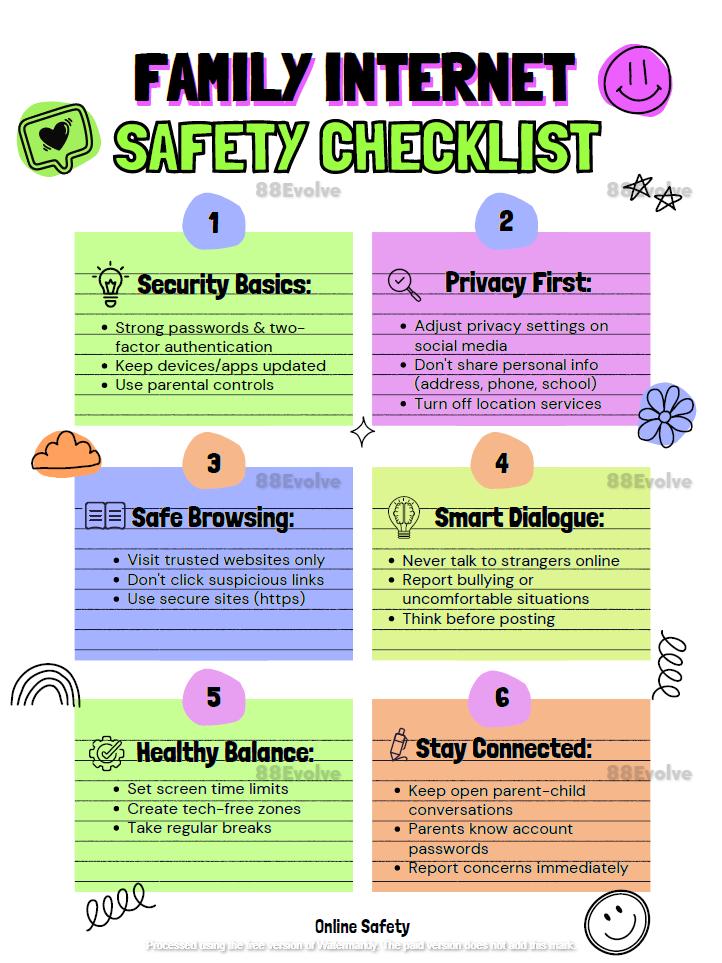
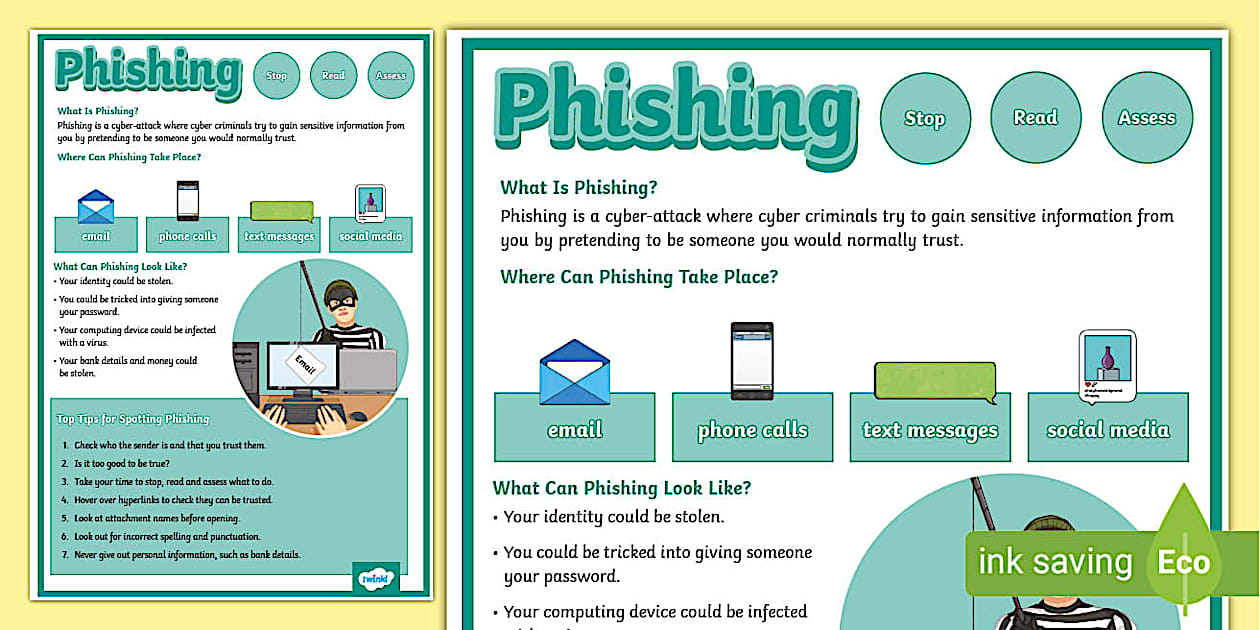
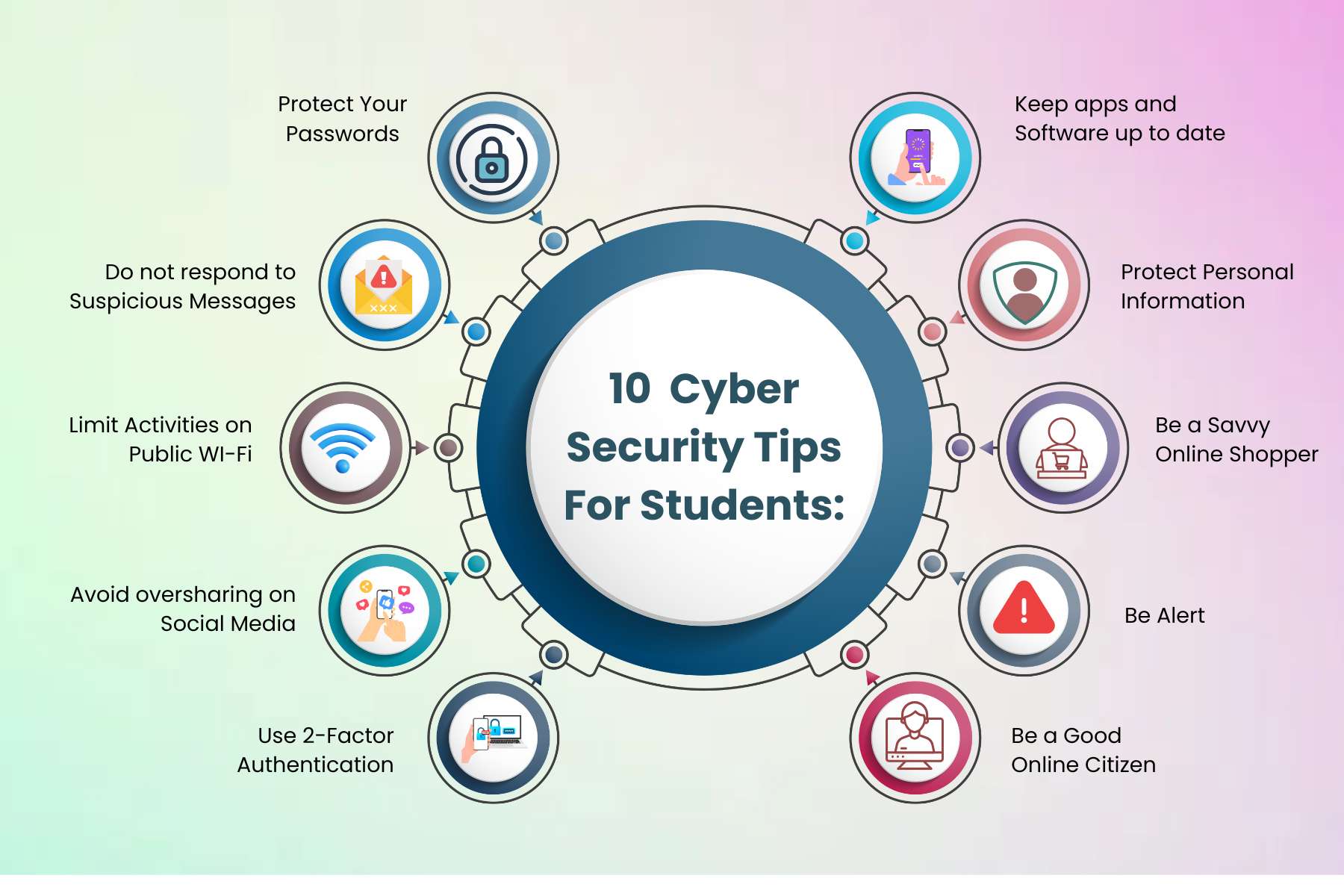
Clarity stands at the heart of effective safety education for ages five through twelve. This resource translates complex digital boundaries into clear, actionable rules that children can easily recall and apply. Core concepts focus on guarding personal information, creating robust passwords, and pausing to think before clicking or sharing content. It sounds simple, and that’s the point. Young learners thrive on consistency and straightforward language. Rather than overwhelming students with tech jargon, the guide establishes fundamental pillars of digital respect and security. These rules reinforce the golden standard of internet use: checking in with a trusted adult whenever an online interaction feels uncomfortable or unusual. Crucially, the material reiterates that children are never in trouble for reporting an unsettling digital experience. Exploring further resources within broader Internet and Digital Safety collections expands this foundation across multiple grade levels.
Key Learning Outcomes
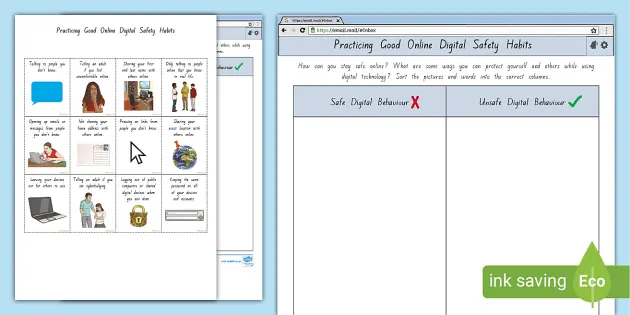
Working through a structured guide helps internalize specific protective habits that reduce everyday digital vulnerabilities. Children learn to distinguish between public data, such as a favorite hobby, and private data, including home addresses and full names. Another major focus centers on impulse control, teaching students to pause before uploading drawings, comments, or photos. According to Common Sense Media, children engage with digital media for hours daily, making regular reinforcement of these foundational skills essential for safe navigation. Classroom observations reveal that tactile, visual resources help students retain these lessons far better than verbal warnings alone. When kids practice identifying safe choices on paper, they translate those exact decision-making steps into digital environments.
How to Use This Printable
Implementation requires flexibility, whether sitting at a kitchen table or organizing a morning meeting in an elementary classroom. Printing multiple copies allows for individual student reflection or collaborative group sorting activities. Here’s what makes this resource different: it functions simultaneously as a visual reminder and a conversation starter. Adults can read through the rules together with children, pausing to ask open-ended questions about favorite apps and games. This collaborative review builds mutual trust, encouraging kids to speak up honestly about their online activities. For additional hands-on exercises that reinforce these exact concepts, integrating related materials from the student worksheets archive provides a seamless instructional extension.
Practical Tips for Parents and Teachers
Establishing a calm, non-judgmental atmosphere remains paramount when discussing digital boundaries. Adults should avoid hovering or snatching devices away, which often drives children to hide their online missteps. Instead, use the printable as a neutral reference point during weekly check-ins. Role-playing hypothetical scenarios, such as receiving an unfamiliar message in a multiplayer game, helps children rehearse their responses before facing them in real life. Consistency across home and school environments reinforces these lessons, ensuring young digital citizens hear the same supportive messaging everywhere they learn and play.
Age-Appropriate Recommendations
Tailoring digital citizenship instruction to developmental stages ensures comprehension and retention. Younger children in the early elementary bracket benefit from focusing on basic physical boundaries, such as asking permission before using a device and keeping screens in common household areas. Upper elementary students can handle more nuanced discussions regarding digital footprints, peer communication, and recognizing trustworthy sources. Aligning these lessons with the Common Sense Education Digital Citizenship Curriculum provides educators with a cohesive framework that grows alongside the students. Introducing these concepts gradually prevents cognitive overload while building lifelong digital literacy.
Children spend hours daily consuming and interacting with digital media — Common Sense Media
Frequently Asked Questions
How can caregivers download and print the guide? The resource is available as a free digital file that opens easily on any standard device, ready for immediate printing at home or school. Does this printable guarantee online safety? No printable or tool replaces active supervision and open communication; instead, this resource supports habit-building and family discussions. According to the National Center for Missing & Exploited Children, what is a key protective factor for kids online? NCMEC emphasizes that having open lines of communication with a trusted adult is one of the most effective safeguards for children navigating digital spaces.
Explore More Free Kids Online Safety Printables
Expanding a digital citizenship library ensures ongoing engagement with critical safety concepts throughout the school year. Pairing text-based rules with creative exercises cements learning across diverse learning styles. Educators looking for artistic ways to reinforce positive digital habits will find wonderful options within the creative coloring page collection. Additionally, browsing comprehensive selections under Online and Digital Safety uncovers supplementary tools designed to foster secure, confident exploration of the digital world.
Developmental Milestone & Activity Table
| Development Stage | Recommended Daily Duration | Primary Learning Objective |
|---|---|---|
| Preschool & Pre-K | 10 – 15 Minutes | Pencil grip development & basic pre-stroke lines |
| Kindergarten | 15 – 20 Minutes | Letter/number formation & spatial line awareness |
| Early Elementary (Grade 1–2) | 20 – 30 Minutes | Fluency, sentence construction & neatness |
Images References