Introduction
Stepping into a leadership role requires articulating values with clarity and purpose. Ten-year-old students often encounter digital spaces long before they possess the vocabulary to navigate them safely, frequently meeting online risks through shared family devices, in-game chat features, and popular video platforms. Supporting a child through an application process for a student technology advocacy position opens a powerful avenue for meaningful conversations about digital citizenship. This free printable write a paragraph on the importance of internet safety for an application for year 6 digital ambassador job by a 10 year old boy serves as a structured writing tool. It helps upper-elementary students articulate why protective habits matter while encouraging peer leadership. Here’s what makes this resource different: it shifts the focus from adult-imposed rules to student-owned responsibility. View digital safety not as a threat to dread, but as an essential life skill built over time through guided practice. Related guide: Internet Safety Hunt For Students.
💡 Educational Key Takeaways:
- Core Skill: Structured Write A Paragraph On The Importance Of Internet Safety For An Application For Year 6 Digital Ambassador Job By A 10 Year Old Boy focused on developing pencil grip, stroke control, and early literacy/math confidence.
- Target Scope: Suited for homeschoolers, preschool, kindergarten, and elementary learners.
- Best Recommendation: Practice 10–15 minutes daily with ergonomic writing tools to reinforce muscle memory without hand fatigue.
What This Printable Covers
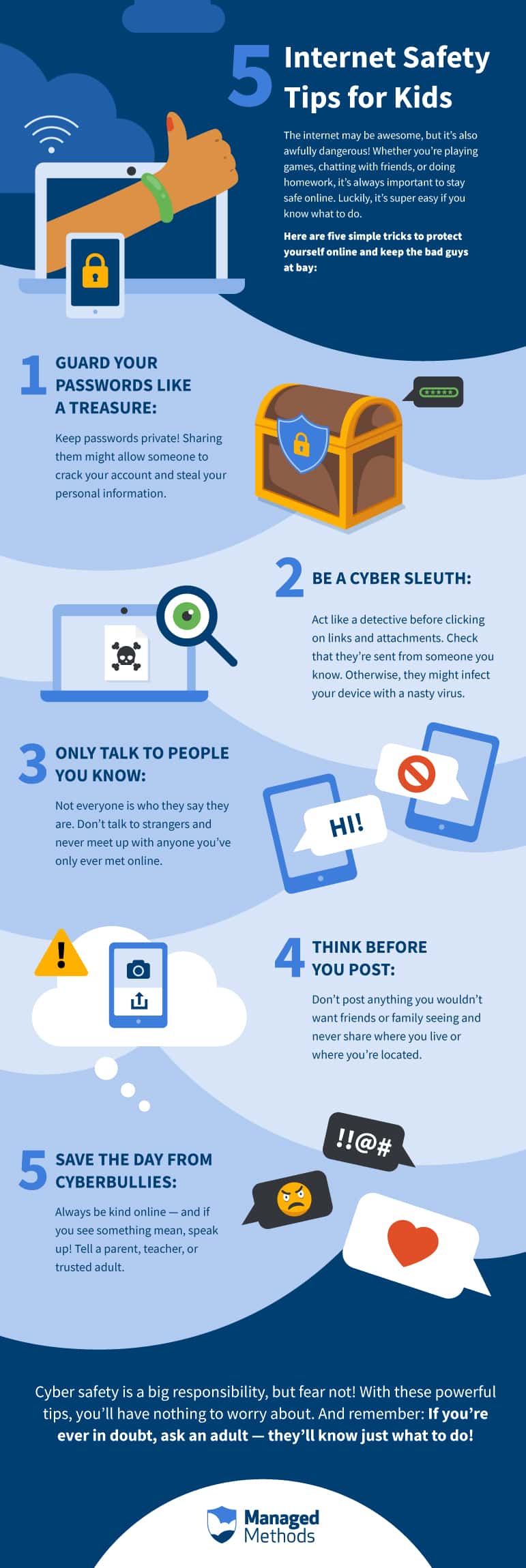
The worksheet guides young applicants through the foundational elements of responsible technology use. Children explore core concepts such as keeping personal information private, creating strong passwords, and thinking critically before sharing content. Rather than relying on generic statements, the writing prompt encourages students to define why safe online behaviors benefit an entire school community. Developing a strong paragraph requires organizing thoughts logically, starting with a clear topic sentence and following up with supporting examples. Educators and parents can find additional supportive materials by exploring online safety guides designed for this age group. When children write about digital citizenship in their own words, the abstract rules of the internet transform into concrete personal values.
Key Learning Outcomes
Completing this targeted writing exercise reinforces several critical competencies. Students practice persuasive writing while synthesizing their understanding of digital boundaries and positive online interactions. Another vital outcome is reframing reporting mechanisms. Children internalize the reassuring truth that they are never in trouble for reporting something uncomfortable, whether it involves a strange message or an accidental click on an unfamiliar link. According to the Pew Research Center, a significant majority of youth navigate digital environments daily, making early peer-to-peer advocacy an effective model for shaping positive school cultures.
How to Use This Printable
Integration into daily routines works best when approached as a collaborative drafting exercise rather than a test. Adults can begin by asking brainstorming questions about what makes a good digital leader. Once ideas are flowing, the student drafts the application paragraph using the provided structured layout. It sounds simple, and that’s the point. Revising the paragraph together allows adults to check for understanding around tricky concepts like digital footprints and respectful online communication. For classrooms and homeschool settings seeking broader skill reinforcement, browsing through various educational printables offers complementary exercises that deepen digital literacy.
Practical Tips for Parents and Teachers
Scaffolding the writing process prevents frustration and builds authentic confidence in young candidates. Start with a quick conversation about real-world scenarios, such as how to handle a tricky situation in a multiplayer game chat. Encourage the use of personal voice and genuine enthusiasm for helping peers stay secure online. Keep drafting sessions short and positive. Celebrating the finished paragraph reinforces the child’s readiness to take on leadership responsibilities within the school community.
Age-Appropriate Recommendations
Year 6 students sit at a developmental sweet spot where they crave autonomy yet still require adult guidance to process complex digital dilemmas. Grounding this activity in the Common Sense Education Digital Citizenship Curriculum ensures that the learning objectives align with established developmental milestones for ten-year-olds. At this stage, emphasizing empathy in digital communications proves just as important as technical rules like password management. Children at this age learn best when they feel trusted to make good choices while knowing a reliable adult remains nearby for support.
According to Common Sense Media, youth engagement with digital media begins well before upper elementary school, highlighting the critical need for early and continuous instruction in digital citizenship. — Common Sense Media
Frequently Asked Questions
Getting started with leadership applications requires clear guidance for supporting adults. The following answers address common questions regarding implementation, educational value, and institutional standards for digital citizenship.
According to the National Center for Missing & Exploited Children (NCMEC), empowering children to speak up without fear of punishment is a cornerstone of effective online safety education. — NCMEC
Explore More Free Kids Online Safety Printables
Expanding a child’s digital literacy toolkit involves introducing diverse formats that cater to different learning styles and developmental stages. Educators and families can discover additional resources, including creative writing prompts and structured discussion starters, by browsing digital safety resources. Combining written exercises with interactive discussions ensures that children retain essential safety habits long after the application is submitted.
Developmental Milestone & Activity Table
| Development Stage | Recommended Daily Duration | Primary Learning Objective |
|---|---|---|
| Preschool & Pre-K | 10 – 15 Minutes | Pencil grip development & basic pre-stroke lines |
| Kindergarten | 15 – 20 Minutes | Letter/number formation & spatial line awareness |
| Early Elementary (Grade 1–2) | 20 – 30 Minutes | Fluency, sentence construction & neatness |
Images References