Introduction
Digital spaces are as much a part of modern childhood as playgrounds and schoolyards. Children navigate tablets, shared household laptops, and video platforms long before they reach middle school. Reality shows that online risks rarely arrive through dramatic movie scenarios. Instead, friction happens quietly in multiplayer game chats, through algorithm-driven video feeds, and via casual sharing on family devices. Teaching digital citizenship requires more than a single lecture on screen time limits. Educators and caregivers need accessible tools that transform abstract concepts into tangible habits. Using creative mediums like the free printable digital citizens coloring pages available on {site_name} helps bridge this gap. Coloring reinforces safety messages while keeping the mood calm and approachable, turning serious topics into manageable discussions.
💡 Activity Key Takeaways:
- Core Focus: Printable Digital Citizens Coloring Pages designed for creative expression and fine-motor coordination.
- Target Scope: Ideal for toddlers, preschool, kindergarten, and classroom art activities.
- Best Recommendation: Use standard heavy printer paper (24–28 lb) or cardstock for vibrant results with crayons, colored pencils, or washable markers.
What This Printable Covers
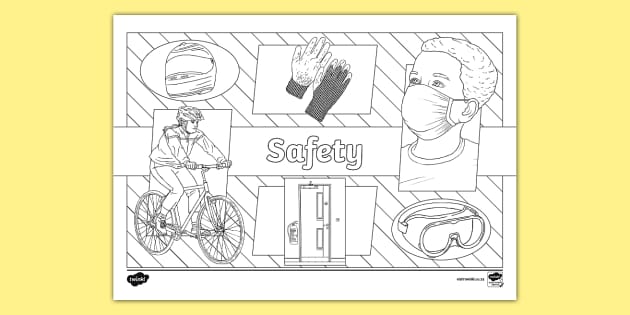
These thoughtfully designed sheets focus on everyday digital interactions that young children encounter. Each page illustrates a core pillar of healthy technology use, from protecting personal information to recognizing kind behavior behind a screen. Visual prompts guide young learners through recognizing secure passwords, understanding why full names and addresses stay private, and pausing before clicking. It sounds simple, and that is the point. When children color an illustration of a child pausing before sharing a photo, the physical act of coloring helps anchor the cognitive lesson. Here’s what makes this resource different: it avoids scare tactics completely. Safety remains framed as a valuable life skill to build over time, empowering children rather than breeding anxiety about technology. Related guide: Please Provide Free 8.5″X11″ Digital Safety Coloring Pages For K-2 Grade.
Key Learning Outcomes
Working through these pages supports the development of critical thinking regarding digital footprints. Children learn to identify trusted adults in their lives whom they can approach whenever something online feels confusing or uncomfortable. A core message embedded in every sheet is that kids are never in trouble for reporting an unsettling online encounter. The activities reinforce the habit of checking in with a parent or teacher before downloading files or entering information. Furthermore, children practice empathy by exploring what it means to be a supportive online community member. These foundational lessons align closely with broader explorations found within general Internet and Digital Safety curricula used in progressive elementary classrooms.
How to Use This Printable
Creative activities work best when paired with intentional dialogue rather than assigned as silent busywork. Grown-ups can introduce a sheet during a calm afternoon craft session or as a transition activity during homeschooling hours. As crayons move across the paper, natural openings arise for open-ended questions. Asking what the character on the page should do next invites children to problem-solve in real time. Educators often utilize these printables as anchor charts for classroom discussions about digital citizenship week. For families managing shared screen time, keeping a stack of these visual exercises nearby encourages ongoing dialogue about household tech boundaries without sparking arguments.
Practical Tips for Parents and Teachers
Patience and consistency form the bedrock of effective digital literacy instruction. Adults should review the artwork alongside the child, celebrating correct observations about privacy and kindness. It helps to connect the drawn scenarios to real-world app usage, such as discussing what information stays safe when playing an online multiplayer game. Establishing a judgment-free zone ensures children feel confident coming forward when they accidentally click something unexpected. For structured lesson planning, pairing these artistic activities with supplementary Worksheets deepens comprehension and extends the learning journey across multiple sessions.
Age-Appropriate Recommendations
Children process digital concepts differently depending on their developmental stage. Five-year-olds benefit most from basic concepts centered on asking an adult before using a device and keeping personal details private. Seven-to-nine-year-olds can tackle scenarios involving online kindness, digital footprints, and recognizing pop-up ads or deceptive links. Pre-teens ages ten to twelve can analyze complex peer interactions, password strength, and the permanence of shared media. Grounding these lessons in frameworks like the Common Sense Education Digital Citizenship Curriculum ensures content matches cognitive milestones. According to Common Sense Media, children benefit immensely from scaffolded digital instruction that evolves alongside their growing independence on screens.
Young children frequently encounter digital spaces through shared household devices and interactive gaming platforms where peer communication occurs rapidly. — Pew Research Center
Frequently Asked Questions
Navigating digital citizenship education brings up many logistical and pedagogical questions for caring adults. How do these coloring sheets support actual habit formation? They use low-stakes visual storytelling to anchor protective habits like asking trusted adults for help. Are the materials easy to access and print at home or school? Yes, the files are optimized for standard printers, making quick distribution simple. What guidance do major safety organizations offer on early tech habits? According to the National Center for Missing & Exploited Children, establishing open, penalty-free communication channels between children and caregivers is the single most effective safeguard against online risks.
Explore More Free Kids Online Safety Printables
Expanding a digital citizenship toolkit requires a variety of engaging, age-appropriate resources. Adults can find additional tools by browsing the comprehensive collection of Online and Digital Safety materials designed for elementary learners. Building resilient, tech-wise children is a continuous journey of guidance, conversation, and supportive habit-building.
Key Specifications & Age-Group Overview
| Age / Grade Group | Target Skill Focus | Recommended Medium |
|---|---|---|
| Toddlers (Ages 2–4) | Hand-eye coordination & broad motor grasp | Jumbo crayons & washable finger paints |
| Early Elementary (Ages 5–7) | Line boundaries & fine pencil control | Standard colored pencils & fine-tip markers |
| Intermediate (Ages 8+) | Color blending, shading & artistic patience | Watercolor pencils, gel pens & dual-brush markers |
Images References