Introduction
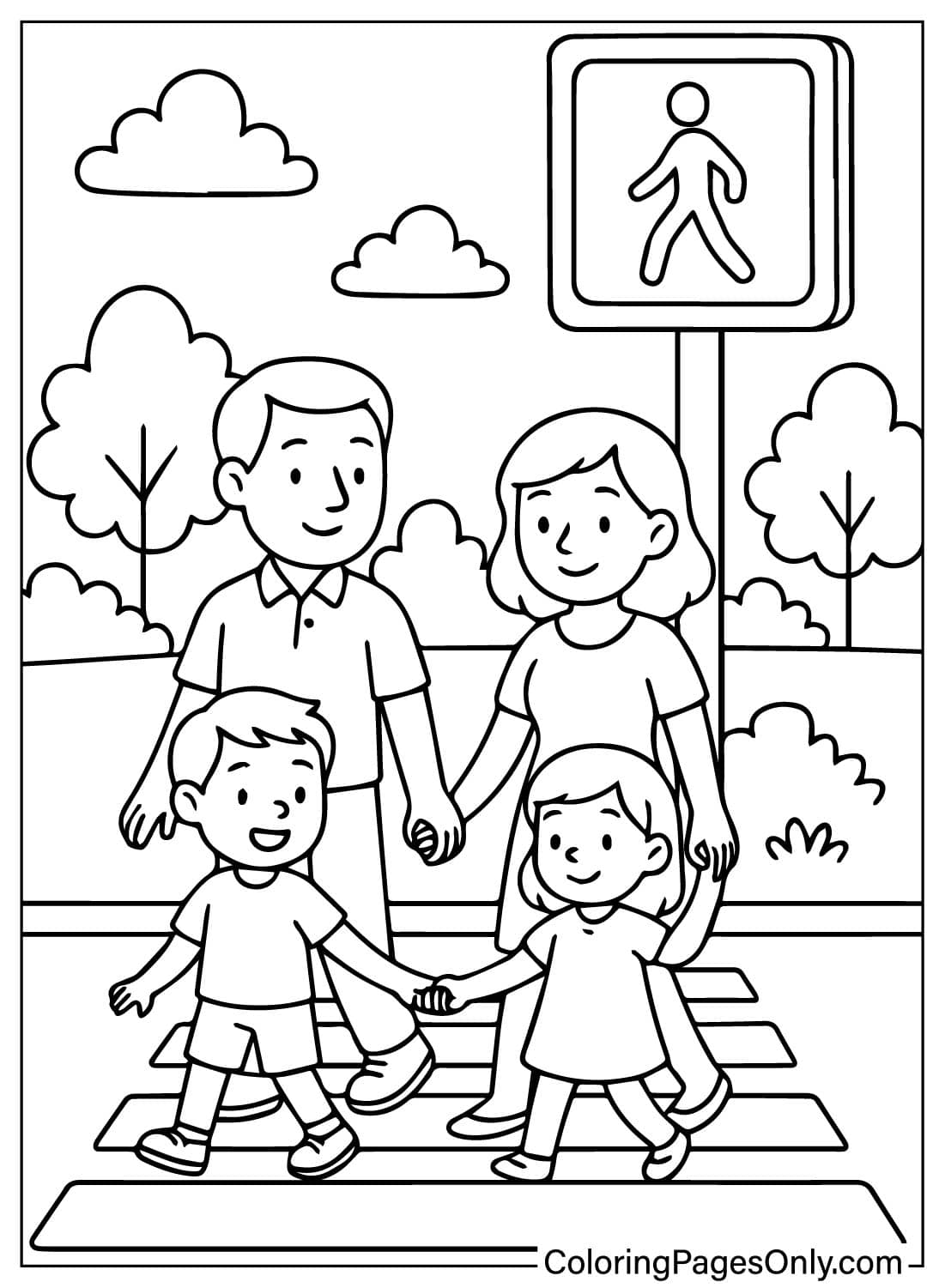
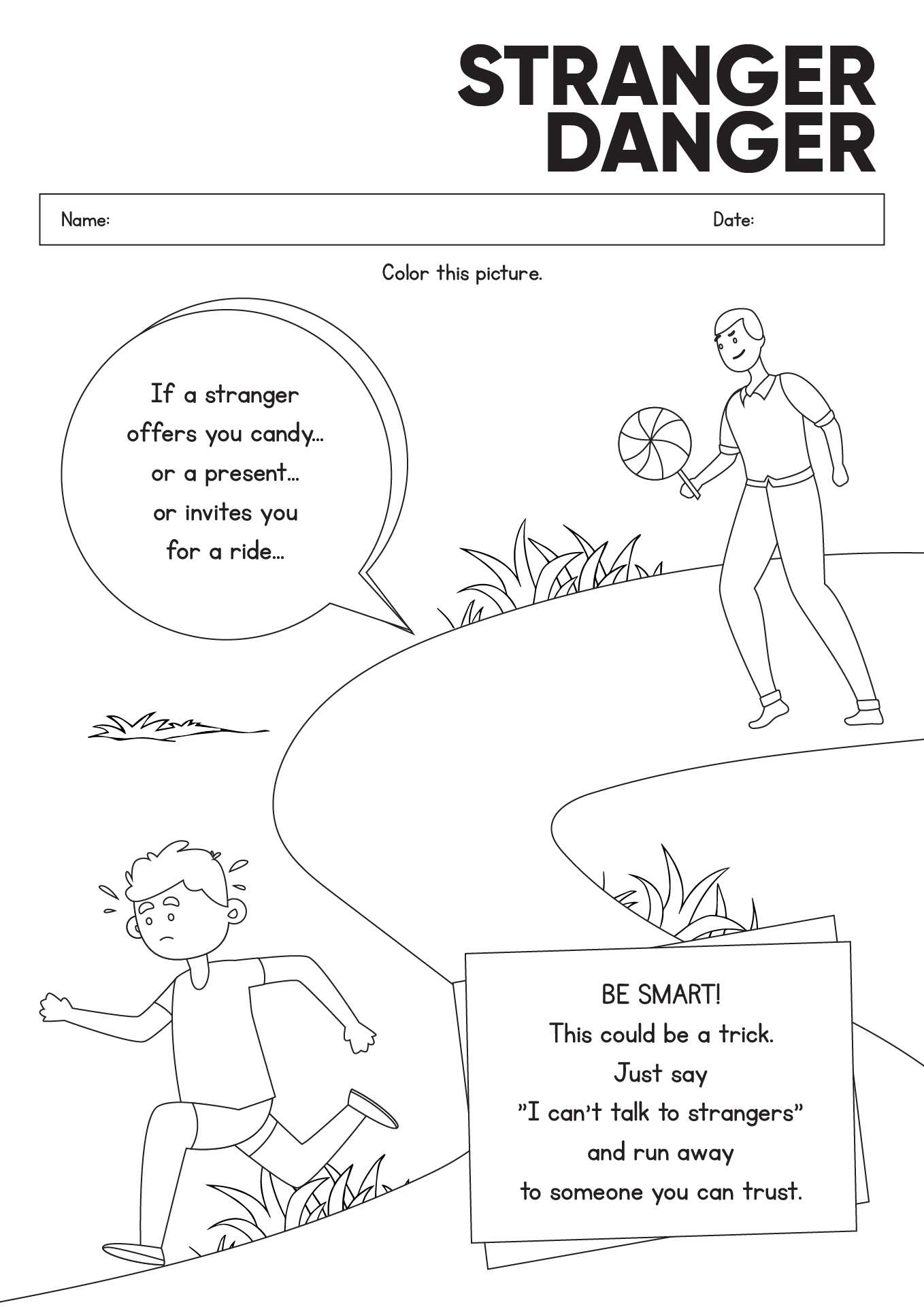
Digital citizenship begins long before a child navigates social media alone. Young learners frequently encounter online risks on shared household tablets, inside in-game chat features, and while browsing video platforms for favorite creators. Children need tangible tools to process these virtual environments. Adults often rely on lectures about passwords and privacy, yet elementary-aged minds respond better to tactile experiences. Integrating art into digital lessons transforms abstract internet rules into memorable concepts. This free printable safe place coloring page for {site_name} offers a gentle entry point into essential safety discussions. Coloring reinforces safety messages while keeping the atmosphere calm and approachable. Creative exercises lower anxiety, allowing students and children to absorb protective habits without feeling threatened or overwhelmed. Related guide: Two Factor Authentication Coloring Page Kids.
💡 Activity Key Takeaways:
- Core Focus: Printable Safe Place Coloring Page designed for creative expression and fine-motor coordination.
- Target Scope: Ideal for toddlers, preschool, kindergarten, and classroom art activities.
- Best Recommendation: Use standard heavy printer paper (24–28 lb) or cardstock for vibrant results with crayons, colored pencils, or washable markers.
What This Printable Covers
The resource centers on identifying safe digital behaviors and trusted grown-ups. It translates big concepts like personal data privacy and critical thinking into kid-friendly visual elements. Children color illustrations that represent secure online habits, such as keeping passwords secret, pausing before clicking, and reporting strange messages immediately. Articulation follows creation, sparking organic conversations between adults and learners. Exploring these concepts through a creative medium helps solidify the understanding that online spaces require the same thoughtfulness as physical neighborhoods. It sounds simple, and that’s the point. Safety is built through steady, low-pressure reinforcement rather than one-time warnings.
Key Learning Outcomes
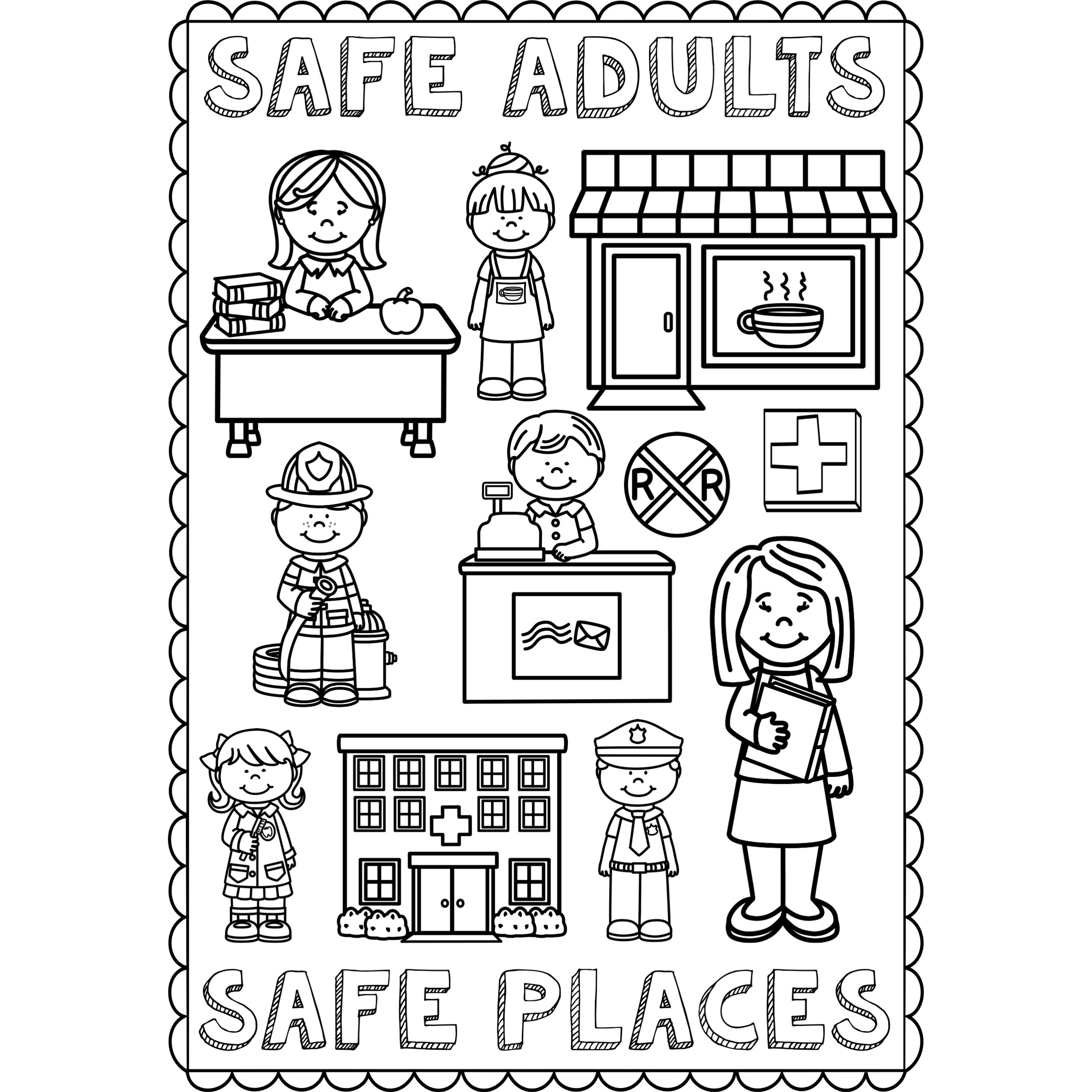
Engaging with this artwork encourages children to recognize their internal warning system when something online feels uncomfortable. Participants learn to identify specific individuals in their support network who can help when unexpected pop-ups or mean messages appear on screen. Another major goal involves cementing the fundamental rule that young users are never in trouble for reporting an uncomfortable digital encounter. Establishing this trust early prevents kids from hiding mistakes out of fear. Developing these cognitive habits supports broader lessons found within structured Internet and Digital Safety curricula used in modern classrooms and homeschool environments.
How to Use This Printable
Classrooms, counseling offices, and kitchen tables transform easily into interactive workshops with just a stack of crayons and a printed sheet. Educators can introduce the activity during a morning meeting or tech-readiness lesson, while parents might set it out during quiet afternoon hours. Here’s what makes this resource different: it shifts the dynamic from lecturing to listening. Adults guide the session by asking open-ended questions about what the characters on the page are doing. Coloring alongside a child creates a natural space for storytelling, where participants share scenarios they have witnessed on shared devices or video platforms.
Practical Tips for Parents and Teachers
Patience remains the primary tool when discussing technology use with young minds. Adults should focus the conversation on curiosity rather than restriction, celebrating correct answers when children point out good digital choices. Displaying the finished artwork near the family computer or classroom device serves as a constant, gentle reminder of established boundaries. Educators can pair these visual reminders with other interactive Worksheets to reinforce concepts like strong passwords and respectful communication. Consistency across home and school environments helps children internalize these protective habits seamlessly.
Age-Appropriate Recommendations
Kindergartners and first graders benefit most from focusing on the basics: telling an adult when something looks weird and keeping full names private. Older elementary students in the upper grade bands can delve deeper, discussing why in-game chat moderation matters and how digital footprints persist over time. According to Common Sense Education, digital citizenship instruction works best when scaffolded across developmental stages, ensuring expectations match a child’s cognitive maturity. Integrating the broader Online and Digital Safety framework ensures that lessons evolve as children gain independence on digital devices.
Young children frequently encounter digital media and connected devices in shared home environments, making early, foundational safety conversations essential for healthy habit formation — Common Sense Media
Frequently Asked Questions
Addressing common questions helps adults implement these safety lessons with confidence. The following responses provide quick, practical guidance for downloading, printing, and utilizing the activity effectively across various educational and home settings.
Explore More Free Kids Online Safety Printables
Expanding a digital citizenship toolkit requires a variety of resources tailored to different learning styles. Adults can browse additional Coloring Pages designed to make internet safety accessible and engaging for elementary students. Combining creative art projects with guided discussions ensures that children build lifelong resilience and awareness for the digital world.
Key Specifications & Age-Group Overview
| Age / Grade Group | Target Skill Focus | Recommended Medium |
|---|---|---|
| Toddlers (Ages 2–4) | Hand-eye coordination & broad motor grasp | Jumbo crayons & washable finger paints |
| Early Elementary (Ages 5–7) | Line boundaries & fine pencil control | Standard colored pencils & fine-tip markers |
| Intermediate (Ages 8+) | Color blending, shading & artistic patience | Watercolor pencils, gel pens & dual-brush markers |
Images References