Introduction
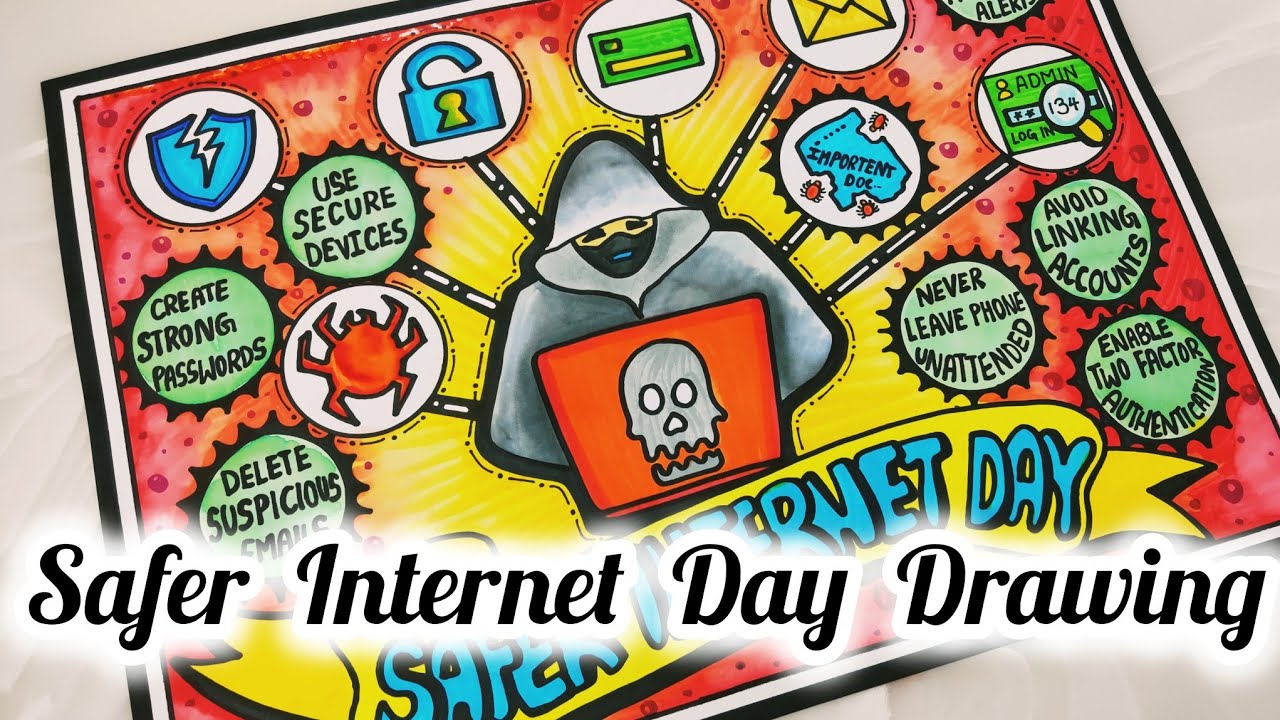
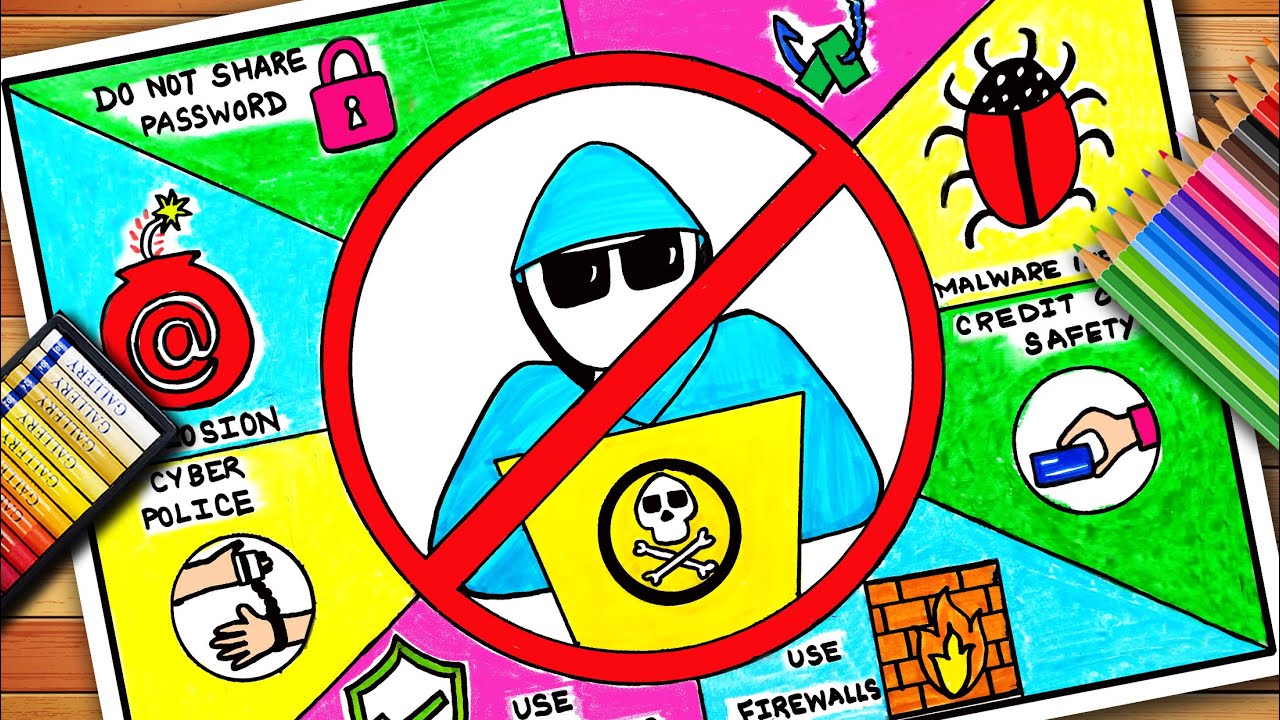
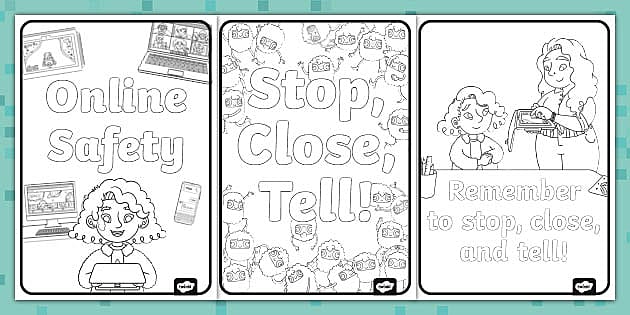
Children encounter digital environments long before they fully grasp the mechanics of the internet. Whether navigating shared household tablets or typing messages into in-game chat windows on gaming consoles, young learners interface with connected devices daily. Adults frequently search for approachable ways to introduce protective habits without inducing fear. A cyber safety awareness poster free printable download for colouring sheets offers a creative entry point into these essential conversations. Coloring provides a low-pressure medium where children can absorb concepts visually while keeping their hands busy and minds open. Related guide: Please Provide Free 8.5″X11″ Digital Safety Coloring Pages For K-2 Grade.
💡 Educational Key Takeaways:
- Core Skill: Structured Cyber Safety Awareness Poster Free Printable Download For Colouring Sheets focused on developing pencil grip, stroke control, and early literacy/math confidence.
- Target Scope: Suited for homeschoolers, preschool, kindergarten, and elementary learners.
- Best Recommendation: Practice 10–15 minutes daily with ergonomic writing tools to reinforce muscle memory without hand fatigue.
What This Printable Covers
Visual prompts on the coloring sheets focus on foundational digital citizenship concepts tailored for early learners. Illustrations typically feature friendly characters modeling positive behaviors, such as guarding private information like home addresses and full names, selecting robust passwords, and pausing before clicking links. It sounds simple, and that’s the point. Young students process abstract rules much faster when paired with concrete imagery. According to Common Sense Media, children engage with digital media at increasingly early ages, making foundational safety education vital before habits become deeply entrenched.
Key Learning Outcomes
Working through these creative sheets reinforces several core protective behaviors. Learners discover the importance of keeping personal details private across all platforms. Another major focus teaches children to recognize the golden rule of reporting: communicating immediately with a trusted adult whenever something online feels confusing, strange, or uncomfortable. Crucially, the curriculum reinforces that children are never in trouble for reporting unexpected encounters. Establishing this trust early prevents hesitation when real dilemmas arise on video platforms or shared devices.
How to Use This Printable
Integrating these resources into daily routines requires minimal preparation. Educators and caregivers can distribute the pages during morning work, indoor recess, or family craft time. Coloring acts as a natural cognitive anchor. As children shade in the graphics, adults can guide casual discussions about what the characters are doing right. Exploring options within Internet and Digital Safety provides additional context for these guided talks.
Practical Tips for Parents and Teachers
Here’s what makes this resource different: it shifts the dynamic from lecturing to collaborating. Instead of imposing rigid digital rules from across the room, adults sit alongside the learner at the table. Asking open-ended questions about the coloring page opens the door to authentic dialogue. Inquiries might focus on why a character decided to ask a parent for help or how passwords work like secret treehouse keys. For educators seeking supplementary materials, browsing collections like Worksheets expands the scope of the lesson plan.
Age-Appropriate Recommendations
Kindergartners and first graders benefit most from foundational messages regarding device sharing and telling an adult about pop-up messages. Older elementary students in third through fifth grades can explore deeper nuances, such as digital footprints and respectful online communication. Aligning these lessons with the Common Sense Education Digital Citizenship Curriculum ensures the messaging matches developmental milestones. Safety is framed continually as a skill to build over time, rather than a threat to dread.
According to Pew Research Center, the vast majority of parents of young children express concern about their children’s screen time and online interactions, highlighting the widespread need for structured guidance at home and in classrooms. — Pew Research Center
Frequently Asked Questions
Accessing educational materials should be straightforward for busy educators and families. Questions regarding formatting, printing, and educational integration are addressed below to streamline preparation for home or classroom settings.
Explore More Free Kids Online Safety Printables
Continuing digital citizenship education requires a steady rotation of fresh, engaging materials. Caregivers can explore specialized resources like Coloring Pages to maintain interest. Fostering safe habits is an ongoing journey best supported by diverse tools found in Online and Digital Safety collections, ensuring children grow into confident, mindful digital citizens.
Developmental Milestone & Activity Table
| Development Stage | Recommended Daily Duration | Primary Learning Objective |
|---|---|---|
| Preschool & Pre-K | 10 – 15 Minutes | Pencil grip development & basic pre-stroke lines |
| Kindergarten | 15 – 20 Minutes | Letter/number formation & spatial line awareness |
| Early Elementary (Grade 1–2) | 20 – 30 Minutes | Fluency, sentence construction & neatness |
Images References