Introduction
Digital citizenship begins long before a child receives a personal device, often starting quietly on shared living room tablets or during casual family video calls. Young children frequently encounter the online world through shared devices where browser tabs remain open or through popular video platforms where algorithmic feeds shift from cartoons to unexpected content within seconds. Adults often scramble to find approachable ways to discuss internet boundaries without sparking anxiety or hiding the screen entirely. Integrating creative arts into digital wellness transforms abstract rules about the internet into tangible, manageable concepts that young minds easily grasp and remember. Coloring reinforces safety messages and opens conversation, giving children the physical space to process rules while their hands stay busy with crayons. Utilizing free printable coloring pages for kids on safe websites little known about on {site_name} provides an ideal bridge between tactile creativity and essential digital habits. Safety functions best as a skill built steadily over time rather than a frightening restriction imposed suddenly by worried adults. Grounding these lessons in low-pressure artistic activities helps children view online boundaries as normal tools for navigating a vast digital landscape safely and confidently.
💡 Activity Key Takeaways:
- Core Focus: Printable Free Printable Coloring Pages For Kids On Safe Websites Little Known About designed for creative expression and fine-motor coordination.
- Target Scope: Ideal for toddlers, preschool, kindergarten, and classroom art activities.
- Best Recommendation: Use standard heavy printer paper (24–28 lb) or cardstock for vibrant results with crayons, colored pencils, or washable markers.
What This Printable Covers
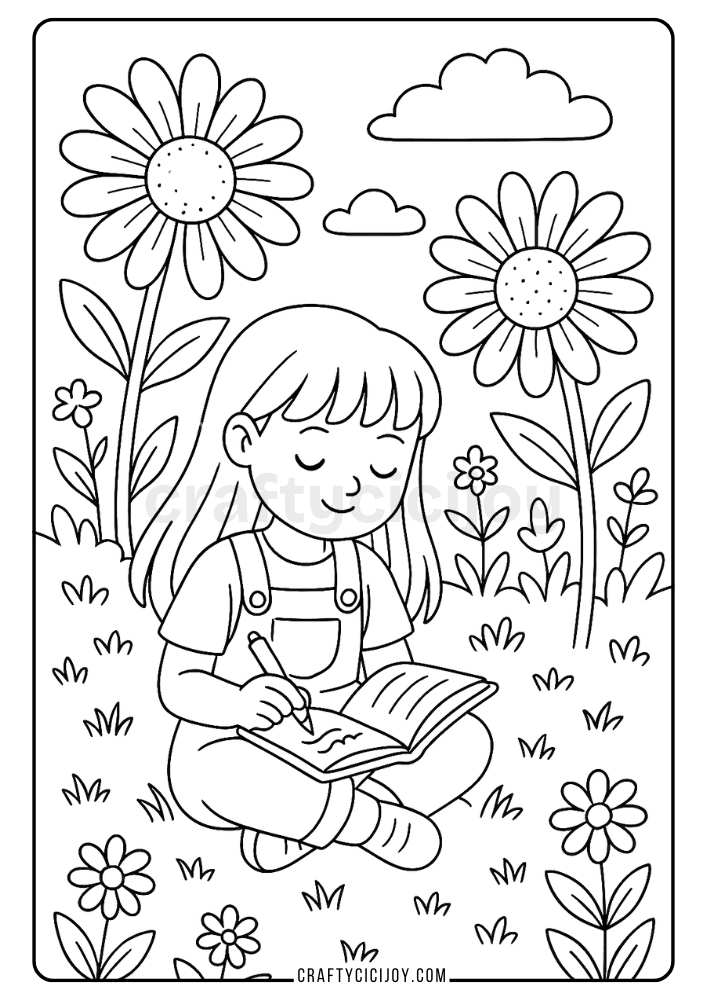
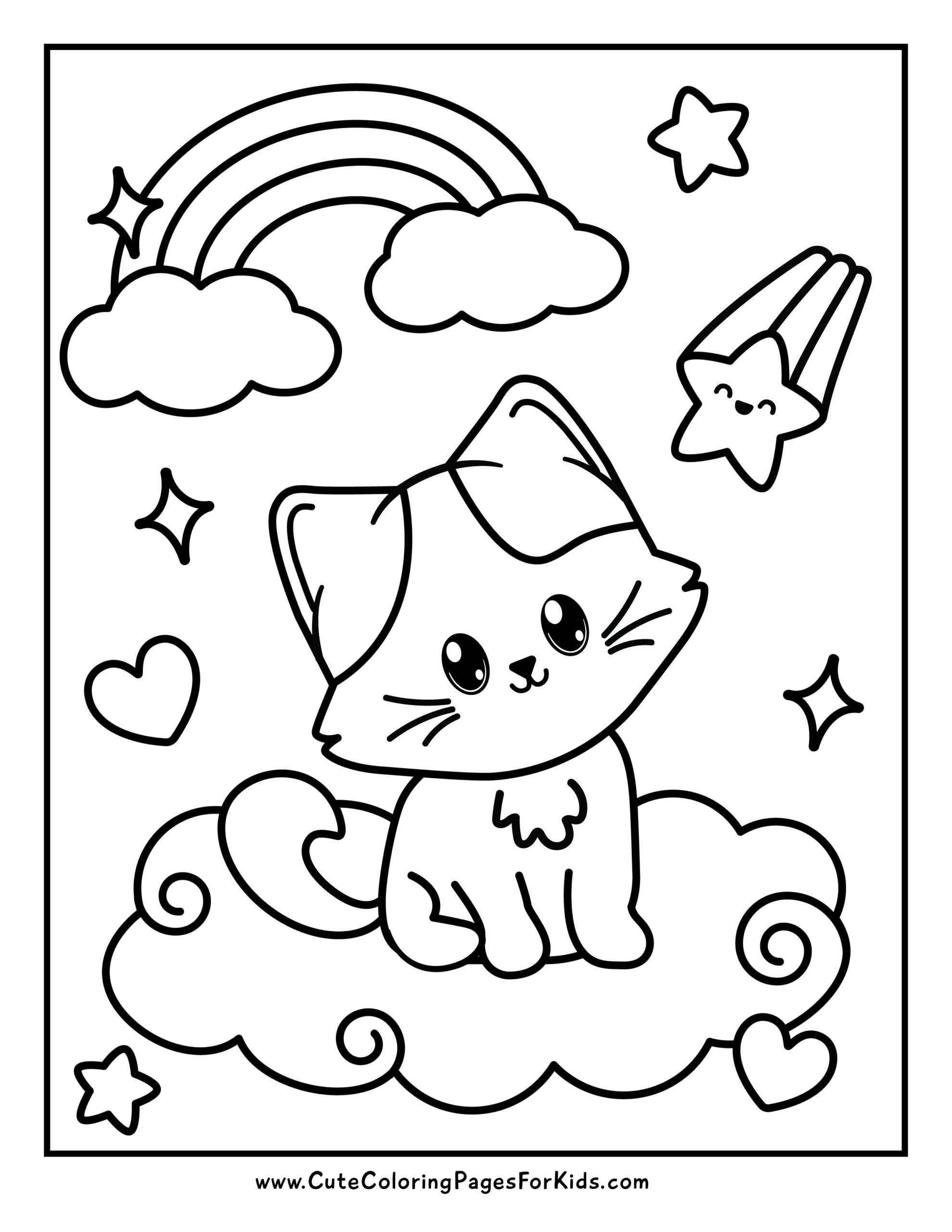
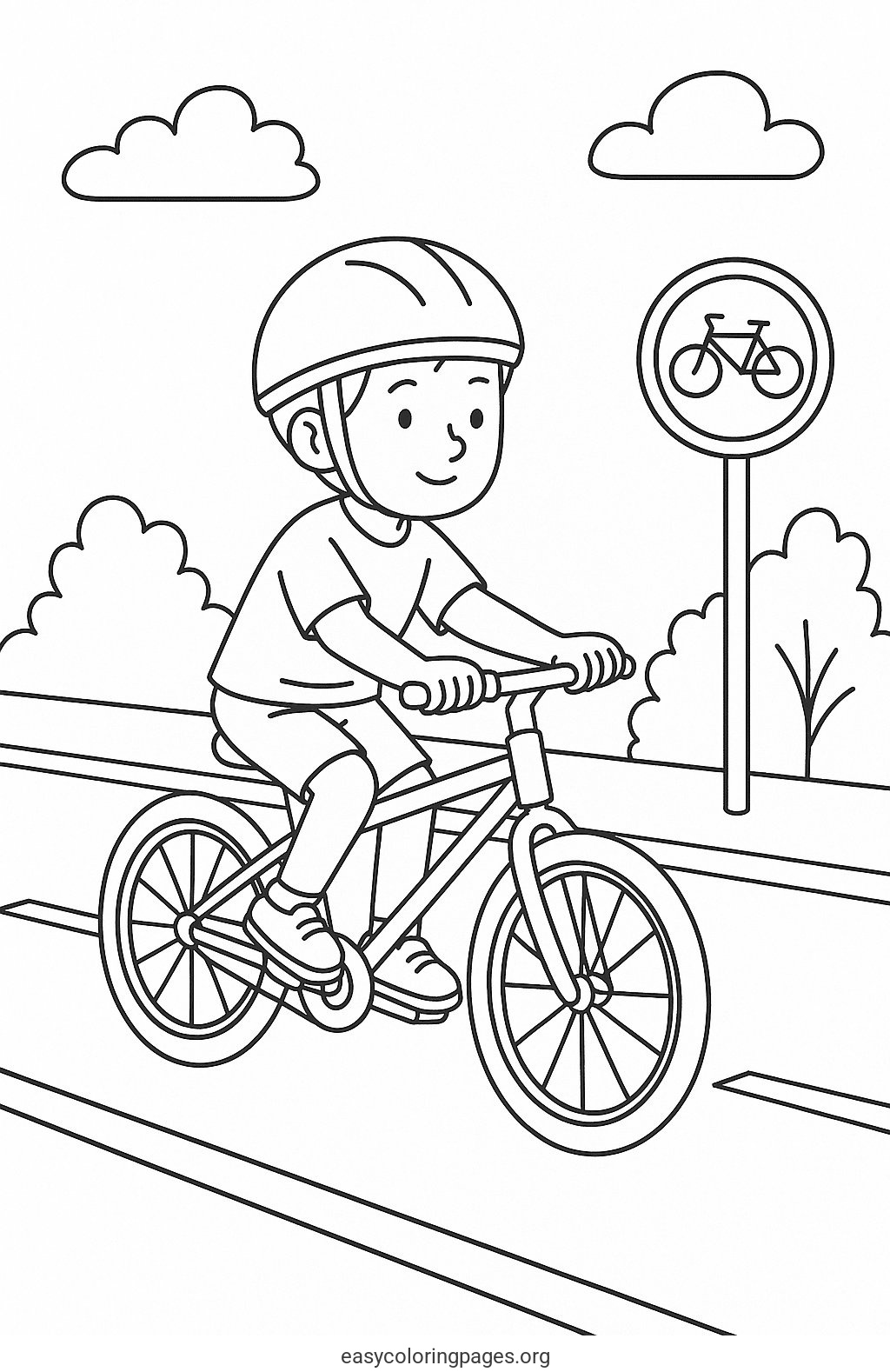
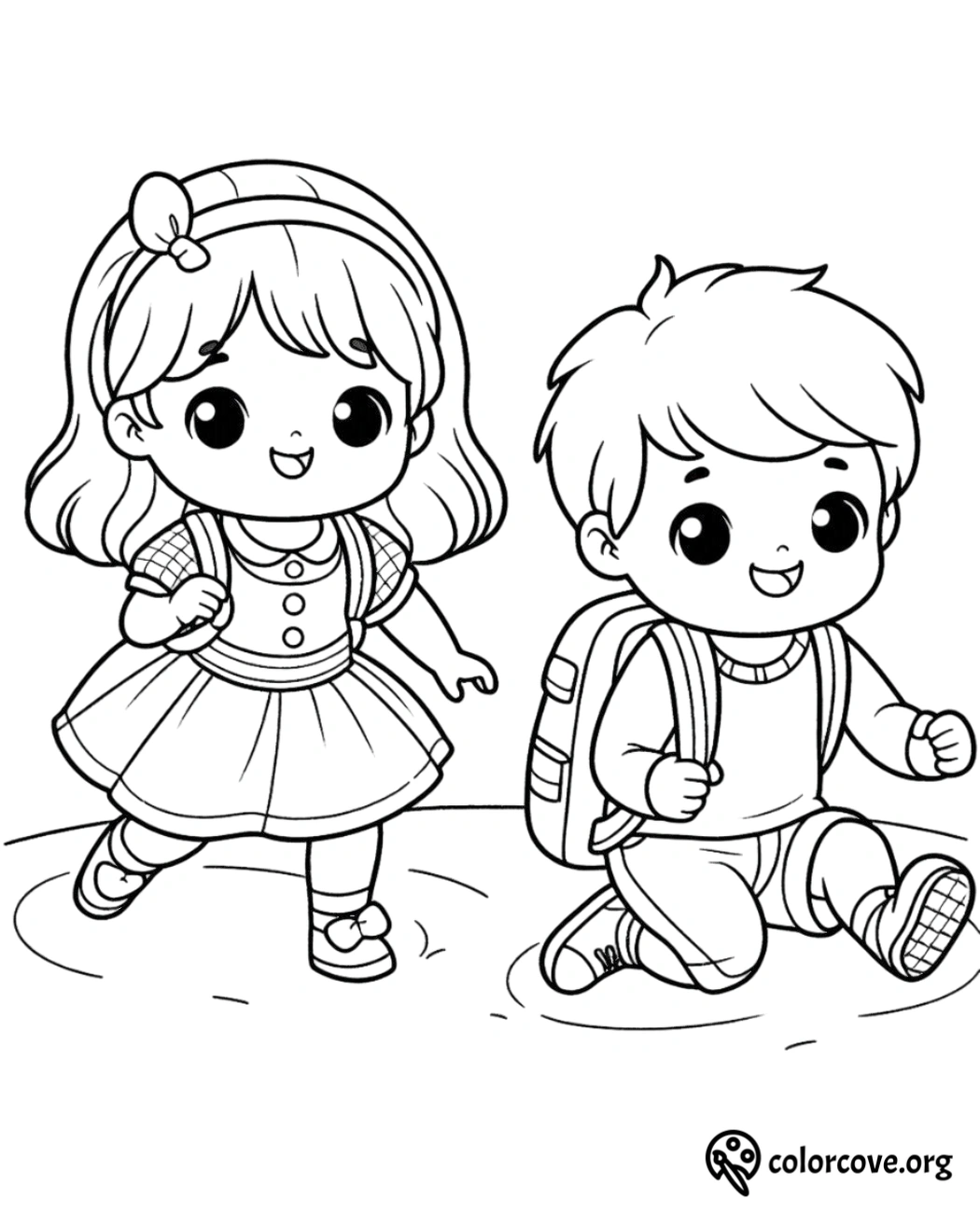
These carefully crafted coloring sheets focus entirely on foundational protective habits, emphasizing the importance of keeping personal information private, creating strong passwords, and pausing to think before clicking or sharing. Children often meet digital risks through in-game chat features where strangers type messages or through sudden pop-ups on trusted entertainment websites, making everyday vigilance necessary. The featured artwork illustrates scenario-based concepts, such as a friendly robot character pausing at a digital stop sign before typing a home address or choosing to walk away from an uncomfortable screen prompt to find a trusted adult. It sounds simple, and that’s the point. Visualizing a character make a safe choice helps young learners internalize the exact behaviors needed when they encounter confusing situations on their own devices. Furthermore, the accompanying prompts on each page guide adults on how to facilitate meaningful dialogue without making children feel interrogated or fearful. Exploring related concepts across broader Internet and Digital Safety materials expands this foundational knowledge into comprehensive lifelong habits.
Key Learning Outcomes
Working through these pages cultivates specific cognitive and emotional competencies necessary for modern childhood. Children learn to identify trusted adults in their immediate circles—parents, teachers, and school counselors—whom they can approach whenever a screen interaction feels strange or upsetting. Another critical outcome is understanding that personal details like full names, school titles, and home locations remain private, much like house keys or toothbrushes. Crucially, every child absorbs the reassuring message that reporting an uncomfortable online encounter never results in getting into trouble, ensuring they come forward immediately rather than hiding mistakes. Here’s what makes this resource different: it pairs fine motor engagement with explicit emotional literacy regarding digital boundaries, reducing the intimidation factor often associated with cyber safety talks. These targeted lessons align seamlessly with foundational Worksheets designed to reinforce critical thinking across multiple subjects and settings.
How to Use This Printable
Implementation requires minimal preparation, making these sheets suitable for morning work in classrooms, rainy-day stations at home, or quiet counseling sessions. Educators can introduce a page by asking students what they notice the character doing, gradually steering the conversation toward online choices and digital kindness. Children naturally project their thoughts onto coloring characters, offering adults a natural opening to ask gentle questions like, “What would you do if a pop-up asked for your pet’s name?” Keeping the atmosphere light and inquisitive turns a potentially dry safety lecture into an engaging collaborative art project. Teachers frequently use these materials to anchor weekly digital citizenship units, while parents find them useful for establishing family tech agreements before handing over shared tablets. Diversifying the learning experience with specialized Online and Digital Safety tools ensures children receive consistent messaging across school and home environments.
Practical Tips for Parents and Teachers
Pacing the activity matters significantly when introducing sensitive topics to children between the ages of five and twelve. Allow children to color freely while the adult reads the short discussion prompt aloud, pausing whenever questions or personal stories arise from the group. Avoid using rigid test questions after coloring; instead, celebrate the completed artwork and display it proudly on a refrigerator or classroom bulletin board as a daily reminder of smart digital choices. Establishing regular routines around these creative check-ins normalizes conversations about technology use, transforming digital safety into an ongoing dialogue rather than a one-time warning. Adults should model calm behavior when discussing screen limits, demonstrating that managing digital devices is a normal, healthy part of daily life for everyone in the household.
Age-Appropriate Recommendations
Tailoring the delivery to match developmental stages ensures maximum retention and emotional safety. For younger children aged five to eight, focus heavily on physical boundaries, identifying trusted helpers, and understanding that not everything on a screen tells the truth. Children aged nine to twelve can engage with more nuanced discussions regarding digital footprints, peer pressure in chat rooms, and the importance of strong, memorable passwords. Applying the Common Sense Education Digital Citizenship Curriculum framework helps educators structure these lessons progressively, matching cognitive milestones with appropriate online scenarios. Younger students benefit from simple recognition tasks, while older elementary learners thrive on discussing hypothetical scenarios and brainstorming polite ways to exit uncomfortable online games or messages.
According to the Federal Trade Commission, millions of children utilize internet-connected devices daily, making early education on privacy and secure communication an essential pillar of modern childhood development. — Federal Trade Commission (FTC)
Frequently Asked Questions
How do adults access and print these resources? Parents and educators can download the PDF files instantly from the website and print them using standard home or classroom printers without requiring special software. Do these printables actually guarantee device security? These materials serve purely as educational conversation starters and habit-building tools, and they do not provide technical device protection or guarantee online safety. According to the National Center for Missing & Exploited Children, teaching children clear communication pathways and open dialogue with trusted adults remains one of the most effective protective measures against online risks.
Explore More Free Kids Online Safety Printables
Expanding a child’s digital literacy toolkit requires continuous access to fresh, engaging resources that grow alongside their developing minds. Educators and families can discover a wide variety of supplementary tools by browsing through dedicated Coloring Pages collections created specifically for young learners. Combining creative arts with structured discussions ensures that digital safety remains an approachable, empowering part of growing up in an interconnected world.
Key Specifications & Age-Group Overview
| Age / Grade Group | Target Skill Focus | Recommended Medium |
|---|---|---|
| Toddlers (Ages 2–4) | Hand-eye coordination & broad motor grasp | Jumbo crayons & washable finger paints |
| Early Elementary (Ages 5–7) | Line boundaries & fine pencil control | Standard colored pencils & fine-tip markers |
| Intermediate (Ages 8+) | Color blending, shading & artistic patience | Watercolor pencils, gel pens & dual-brush markers |
Images References