Introduction
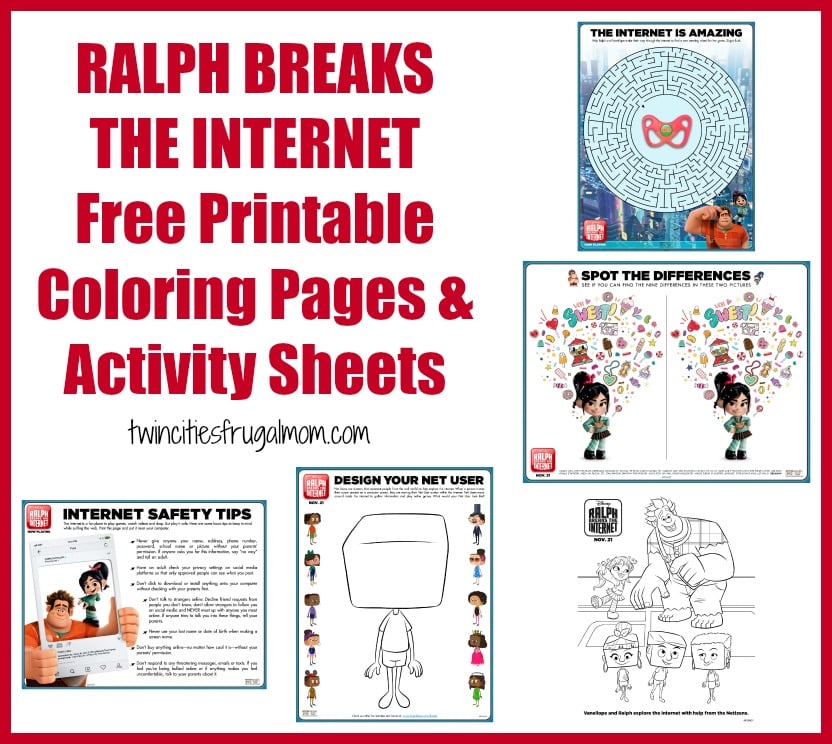
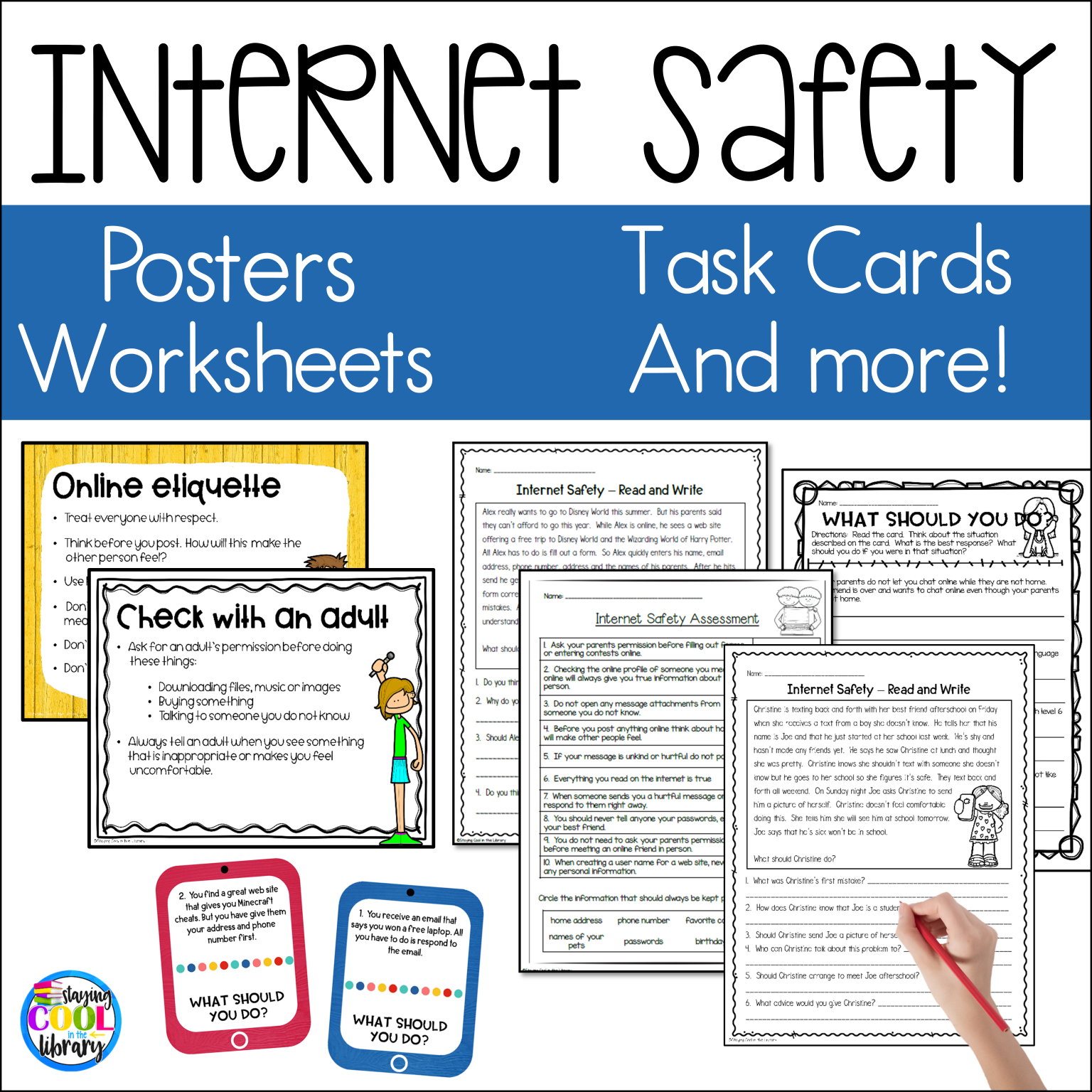
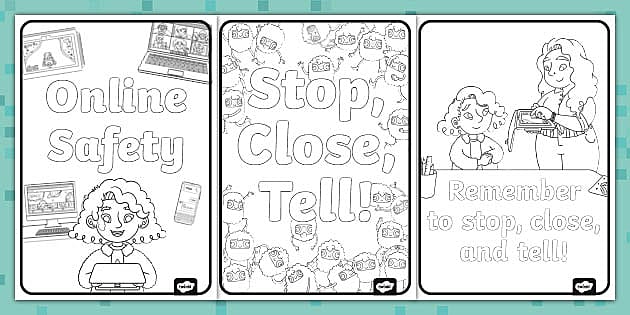
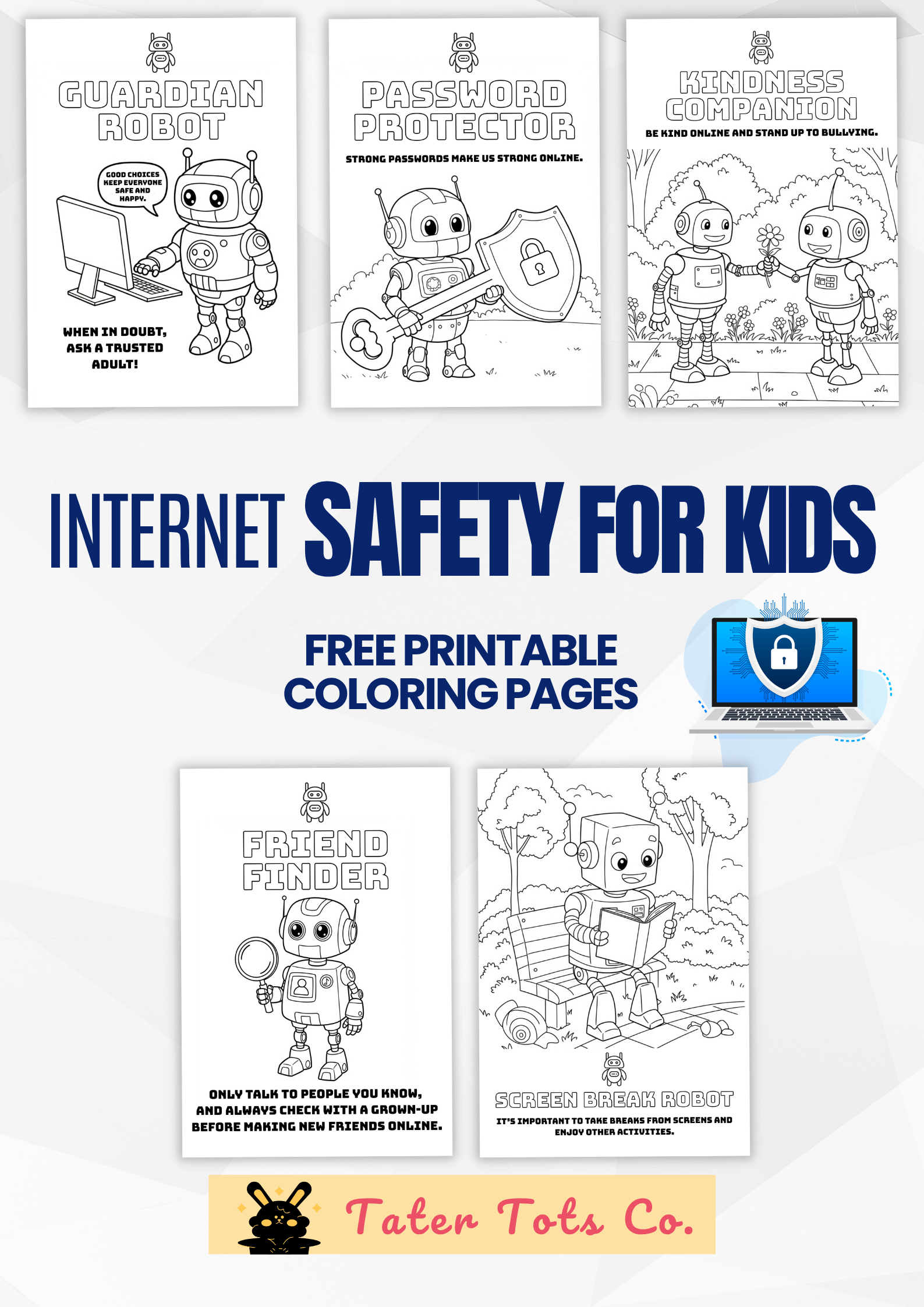
Children encounter digital environments long before they master shoe-tying. Shared household tablets, video streaming platforms, and multiplayer gaming lobbies form the landscape of modern childhood. Navigating these spaces requires more than technical restriction. Adults need reliable tools to cultivate judgment, resilience, and open communication. Free educational materials bridge the gap between abstract internet rules and daily habits. Selecting effective internet safety activities and worksheets and coloring pages transforms a daunting tech talk into an engaging, creative experience. Coloring reinforces positive messages through visual memory, keeping hands busy while minds process big concepts. Worksheets translate screen rules into tangible practice, offering structured scenarios where children can build critical thinking skills safely.
💡 Activity Key Takeaways:
- Core Focus: Printable Internet Saftety Activites And Worksheets And Coloring Pages designed for creative expression and fine-motor coordination.
- Target Scope: Ideal for toddlers, preschool, kindergarten, and classroom art activities.
- Best Recommendation: Use standard heavy printer paper (24–28 lb) or cardstock for vibrant results with crayons, colored pencils, or washable markers.
What This Printable Covers
Comprehensive digital citizenship curricula focus on positive habits rather than fear. This collection addresses foundational protective measures: keeping personal information private, recognizing trustworthy adults, creating strong passwords, and pausing before sharing content. Real-world risks rarely look like cinematic threats. Instead, a child might encounter an unexpected pop-up while playing a mobile game or a chat prompt from a stranger inside a virtual world. Children need concrete strategies for these exact moments. The printable exercises give educators and families a framework to discuss digital boundaries calmly, ensuring young users understand that reporting an uncomfortable moment will never result in trouble.
Key Learning Outcomes
Targeted learning outcomes help children internalize safety rules without feeling overwhelmed. Participants learn to identify private data, such as home addresses, full names, and school locations. They explore the concept of a digital footprint, understanding that online actions leave lasting traces. Problem-solving scenarios teach kids how to step away from screens and seek help when something feels confusing or wrong. Working through a variety of printable activities allows learners to test their decision-making skills in a low-stakes environment. It sounds simple, and that is the point. Simplicity helps young brains retain vital lessons for real-world application.
How to Use This Printable
Flexibility defines successful educational delivery. Integrating these resources into a morning meeting, a rainy recess, or a quiet evening at the kitchen table creates natural opportunities for dialogue. Coloring sheets invite relaxed storytelling. As crayons move across the paper, adults can ask gentle questions about favorite online games and apps. Worksheets work wonderfully for small group discussions in classrooms or focused one-on-one reviews at home. Exploring options within dedicated collections like creative safety illustrations helps match the exact developmental stage of the child. Here is what makes this resource different: it relies on active participation instead of passive listening.
Practical Tips for Parents and Teachers
Consistency between home and school reinforces vital safety messages. Adults should approach these exercises with curiosity rather than interrogation. Asking open-ended questions about what a character on the page should do opens the door for honest confessions about past digital mistakes. Children must hear clearly that making a mistake online or feeling uncomfortable does not forfeit their screen privileges or land them in trouble. Emphasizing partnership builds trust, ensuring kids turn to a trusted adult first when navigating tricky digital situations. Routine check-ins keep communication lines wide open.
Age-Appropriate Recommendations
Matching content to developmental stages ensures maximum comprehension and engagement. Five-year-olds benefit from visual reinforcement and simple rules about asking permission before clicking. Elementary students ages eight through twelve can tackle complex scenarios involving peer pressure, digital footprints, and respectful communication. Aligning these lessons with the Common Sense Education Digital Citizenship Curriculum provides a structured, research-backed foundation for educators designing comprehensive media literacy units. According to Common Sense Media, children engage with digital media at increasingly younger ages, making early, foundational habit-building an absolute necessity for modern student success.
According to Common Sense Media, children engage with digital media at increasingly younger ages, making early, foundational habit-building an absolute necessity for modern student success. — Common Sense Media
Frequently Asked Questions
Accessing and implementing educational safety materials raises common logistical and pedagogical questions for caregivers and educators.
Explore More Free Kids Online Safety Printables
Expanding a digital citizenship toolkit requires continuous access to fresh, engaging materials. Supplementing core lessons with targeted resources ensures children stay interested and mindful as they grow. Educators and families can discover additional inspiration by browsing comprehensive libraries focused on internet and digital safety strategies. Pairing these tools with ongoing conversations about responsible technology use builds lifelong habits. For broader insights on safeguarding youth across various platforms, exploring collections dedicated to online and digital safety provides even more practical ways to support young explorers in the digital age.
Key Specifications & Age-Group Overview
| Age / Grade Group | Target Skill Focus | Recommended Medium |
|---|---|---|
| Toddlers (Ages 2–4) | Hand-eye coordination & broad motor grasp | Jumbo crayons & washable finger paints |
| Early Elementary (Ages 5–7) | Line boundaries & fine pencil control | Standard colored pencils & fine-tip markers |
| Intermediate (Ages 8+) | Color blending, shading & artistic patience | Watercolor pencils, gel pens & dual-brush markers |
Images References