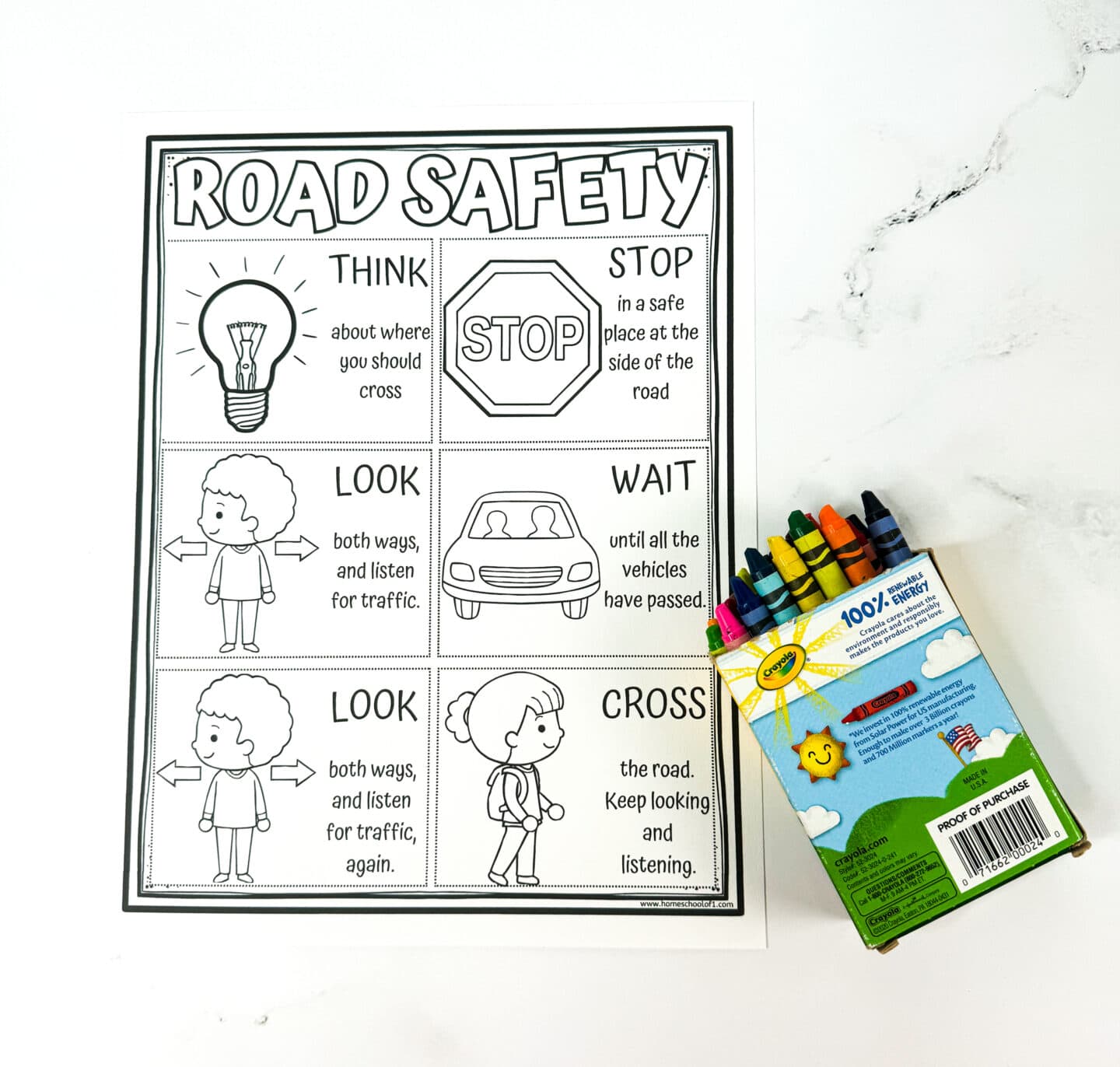
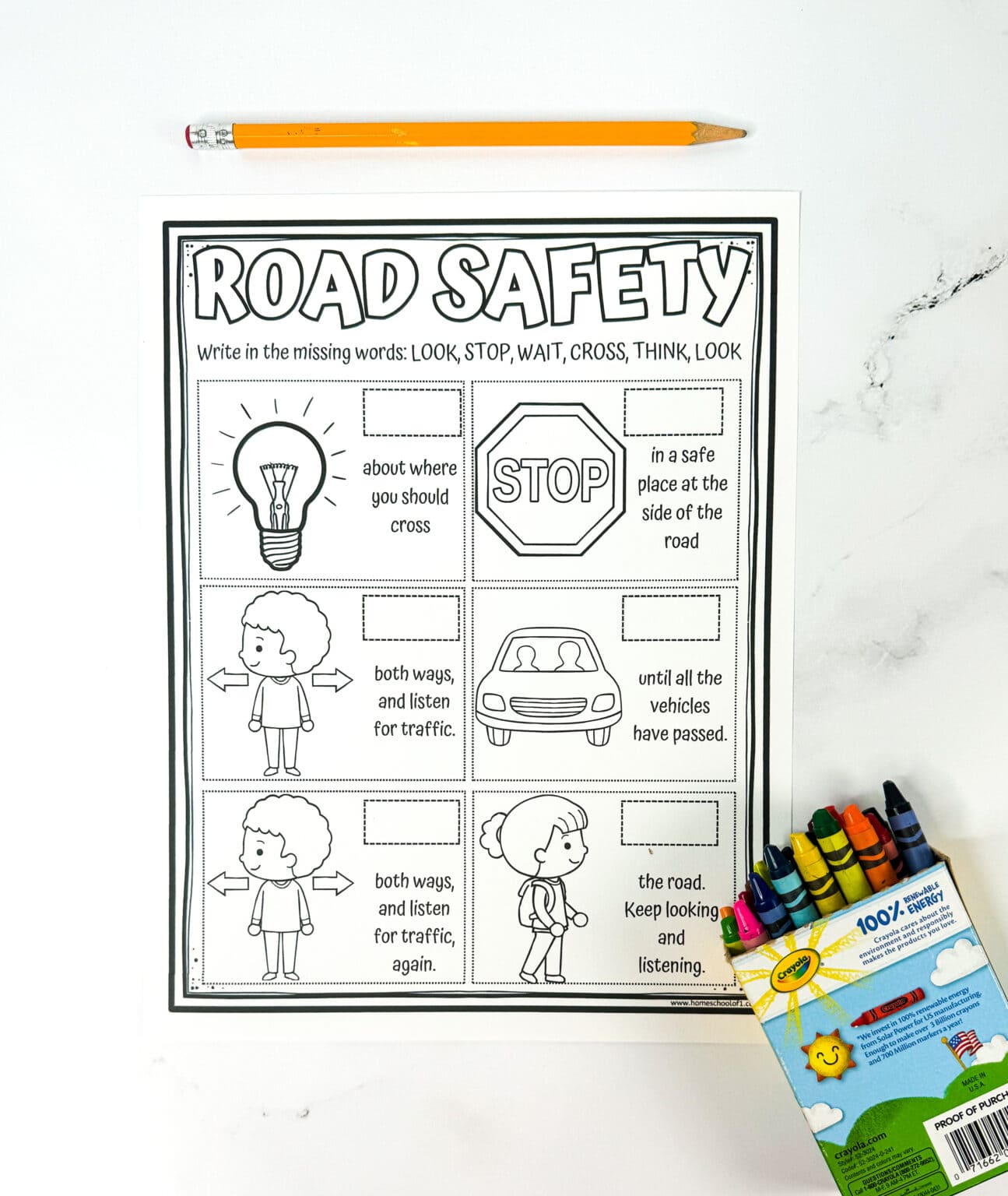
Why Integrating Road Safety Worksheet Content Boosts Digital Citizenship and Student Wellness
As K-12 students navigate increasingly connected learning environments, blending physical awareness with digital well-being has never been more critical. Integrating a traditional road safety worksheet into modern classrooms and home routines offers a practical anchor for teaching cross-cutting awareness. According to guidance from organizations like ConnectSafely and the Family Online Safety Institute (FOSI), students need holistic frameworks that connect real-world decision-making to online habits. Whether children are walking to school while distracted by personal devices or downloading educational materials on school-issued tablets, developing steady situational awareness protects them across every environment they inhabit.
💡 Educational Key Takeaways:
- Core Skill: Structured Road Safety Worksheet focused on developing pencil grip, stroke control, and early literacy/math confidence.
- Target Scope: Suited for homeschoolers, preschool, kindergarten, and elementary learners.
- Best Recommendation: Practice 10–15 minutes daily with ergonomic writing tools to reinforce muscle memory without hand fatigue.
Technical Guardrails and Behavioral Red Flags for Connected Youth
Monitoring student device use requires understanding how external content—ranging from downloadable printables to interactive apps—interacts with home networks and school policies. Parents and educators must watch for unexpected ad pop-ups, unsecured file-sharing links, and excessive screen fatigue that compromises students’ cognitive focus. Reviewing technical settings helps ensure that learning resources remain secure, appropriate, and aligned with district safety standards.
| Setting / Context | Common Vulnerability | Practical Safeguard |
|---|---|---|
| Home Devices | Malicious redirects on free worksheet download portals. | Install reputable browser extensions and restrict downloads to verified Worksheets repositories. |
| School Chromebooks | Unfiltered external search engines accessing unverified safety graphics. | Enforce district-wide DNS filtering and utilize managed bookmarks for instructional materials. |
| Social & Chat Habits | Sharing personal location data while discussing school transit routes. | Establish clear boundaries regarding digital sharing and review privacy settings on student communication apps. |
Actionable Offline and Online Routines Families and Schools Can Apply
Building sustainable safety habits requires consistency between home and school environments. Educators can pair a physical road safety worksheet with digital discussions about situational awareness, teaching students how to put screens away before crossing intersections. At home, families should establish designated charging stations outside bedrooms to encourage restorative sleep and limit late-night device exposure. Pairing these structured routines with clear age-appropriate device controls ensures students understand the reasoning behind safety boundaries. For more ideas on integrating creative learning exercises, explore our helpful Coloring Pages collection.
Overcoming Pushback and Managing Student Device Workarounds
When adults implement strict digital filters or sudden policy changes, students frequently attempt to bypass restrictions using VPNs or unauthorized browser modes. Overly punitive measures often drive children to hide their online behavior out of fear of punishment. Instead of relying solely on heavy-handed blocks, educators and parents should pair technical safeguards with open, non-judgmental conversations. Encouraging students to report suspicious pop-ups or accidental clicks on unverified websites fosters a culture of transparency and proactive Internet and Digital Safety across the entire school community.
Frequently Asked Questions About Road Safety Worksheet Integration
How can printable safety worksheets reinforce digital citizenship?
Printable activities give students a tangible break from screens while encouraging critical thinking about situational awareness, decision-making, and risk assessment that applies equally to physical streets and digital spaces.
What age group benefits most from combined transit and digital safety lessons?
Elementary and middle school students benefit greatly because they are gaining independence in their daily commutes while simultaneously receiving their first school-issued digital devices.
How do I verify that downloaded safety worksheets are free from malware?
Always source instructional materials from trusted educational domains, school district portals, or verified teacher resource networks rather than clicking on unverified search engine links.
Explore More Digital Citizenship Resources
Empowering students to stay safe both online and offline requires ongoing collaboration between educators, parents, and community leaders. Discover more practical guides, downloadable tools, and expert strategies by visiting SafeWiredSchools.org today.
Worksheet Previews & Reference Materials