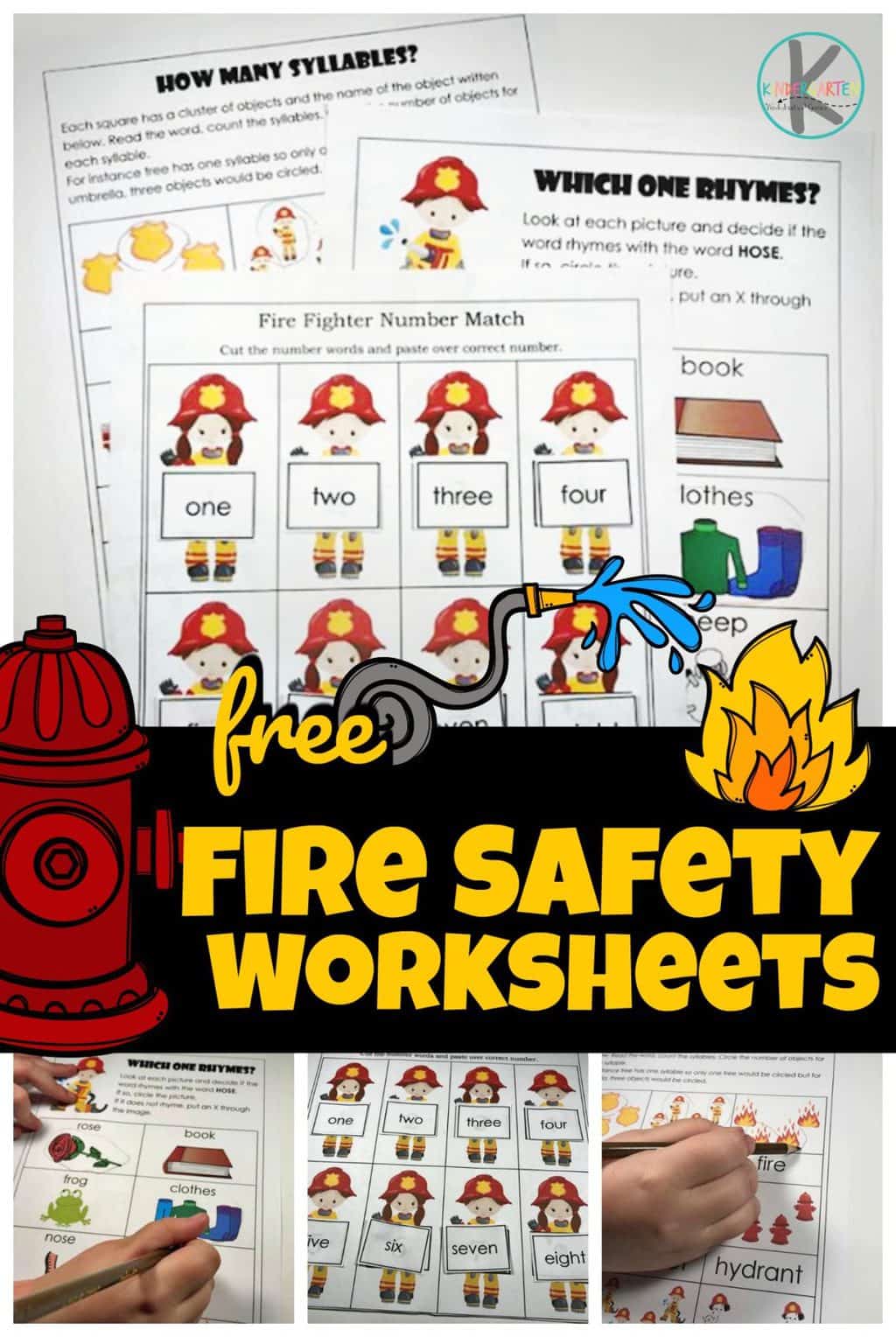
Decoding Digital Alerts: Why Safety Worksheets Matter for K-12 Communities
As students navigate school-issued tablets, gaming consoles, and personal smartphones, recognizing digital danger signs is a fundamental life skill. Organizations like the Cybersecurity and Infrastructure Security Agency and ConnectSafely emphasize that early media literacy helps youth spot phishing attempts, malicious pop-ups, and predatory behavior before harm occurs. Integrating an alert warning symbols and controls worksheet into daily routines bridges the gap between passive tech use and active self-protection. Educators and parents can use these structured exercises to teach children how to decode red-flag notifications, understand operating system permissions, and locate privacy configurations across different platforms.
💡 Educational Key Takeaways:
- Core Skill: Structured Alert Warning Symbols And Controls Worksheet focused on developing pencil grip, stroke control, and early literacy/math confidence.
- Target Scope: Suited for homeschoolers, preschool, kindergarten, and elementary learners.
- Best Recommendation: Practice 10–15 minutes daily with ergonomic writing tools to reinforce muscle memory without hand fatigue.
Mapping Risk Signals and Safety Controls Across Student Devices
When young people encounter unexpected system warnings, urgent pop-ups, or uncomfortable chat interactions, knowing how to interpret those cues prevents panic and impulsive reactions. The breakdown below outlines common technical warning signs on student hardware alongside proactive controls that adults can configure to mitigate risks. Related guide: Online Safety And Netiquette Lesson Plan Grade 4.
| Setting / Context | Common Vulnerability | Practical Safeguard |
|---|---|---|
| School Chromebooks and Tablets | Bypassing web extensions or encountering unexpected browser locker pop-ups claiming a virus infection. | Lock browser settings, review active extensions regularly, and teach students to use our Worksheets during digital citizenship lessons. |
| Home Entertainment & Gaming Consoles | Unsolicited direct messages from strangers or sudden security alerts regarding unauthorized login attempts. | Restrict communication settings to friends only, enable multi-factor authentication, and reinforce lessons found in Internet and Digital Safety modules. |
| Mobile Apps and Social Chatrooms | Disappearing messages, location sharing defaults, and urgent notifications demanding immediate personal data. | Audit location permissions monthly, turn off background tracking, and practice identifying red flags using our Online and Digital Safety resources. |
Building Practical Guardrails at Home and in the Classroom
Effective digital safety relies on consistent habits rather than once-a-year lectures. Families and school staff should establish clear routines, such as centralized nighttime charging stations that keep screens out of bedrooms, and transparent device-monitoring agreements. When introducing an alert warning symbols and controls worksheet, pair the activity with a low-stakes discussion where students can point out icons they find confusing. Emphasize that reporting a strange system warning or an uncomfortable message will never result in an automatic device ban, ensuring children feel safe coming forward when technical or social red flags appear.
Overcoming Student Workarounds and Handling Pushback
Teens and tweens are remarkably inventive when it comes to bypassing school filters, clearing browser histories, or finding loopholes in parental controls. Overly restrictive bans often backfire by driving online behavior underground where adults cannot offer guidance. Instead of relying solely on lock-down software, pair technical filters with open-ended check-ins that address why certain controls exist. If a student encounters a persistent browser warning, treat it as a teachable moment rather than a disciplinary infraction. Reviewing the alert warning symbols and controls worksheet together helps demystify error codes and reinforces collaborative problem-solving between adults and tech-savvy youth.
Frequently Asked Questions About Device Warnings and Safety Controls
What should a student do immediately after seeing an aggressive virus warning pop-up?
Students should avoid clicking any links or buttons inside the pop-up window, close the browser tab immediately, and notify a teacher or parent. Running an authorized system scan helps confirm that the device remains secure.
How can teachers integrate safety worksheets into a busy curriculum?
Educators can incorporate short 10-minute activities during homeroom, advisory periods, or computer lab sessions. These quick exercises fit seamlessly into broader lessons on digital footprint management and cyber hygiene.
Are default parental controls enough to protect children online?
Default settings provide a strong baseline, but they do not replace active supervision and open communication. Combining built-in platform restrictions with regular check-ins ensures children know how to respond when unexpected digital alerts appear.
Explore More Digital Citizenship Resources
Empowering students to recognize risks and manage device settings requires ongoing education, collaborative boundaries, and reliable teaching materials. Visit SafeWiredSchools.org to access our complete library of guides, printable activities, and classroom safety toolkits designed for educators and families.
Worksheet Previews & Reference Materials