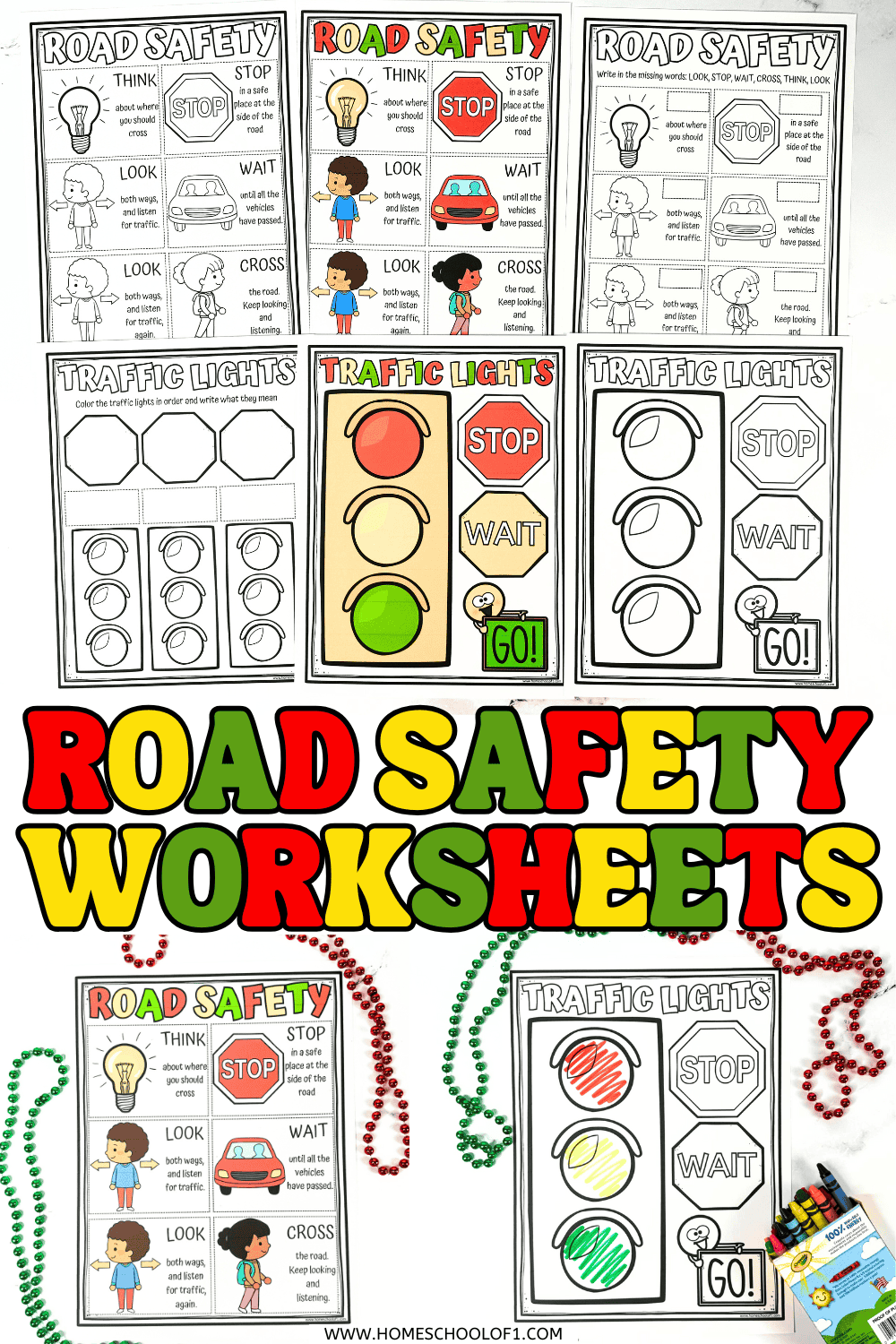
Why Physical and Digital Awareness Coexist in Modern Education
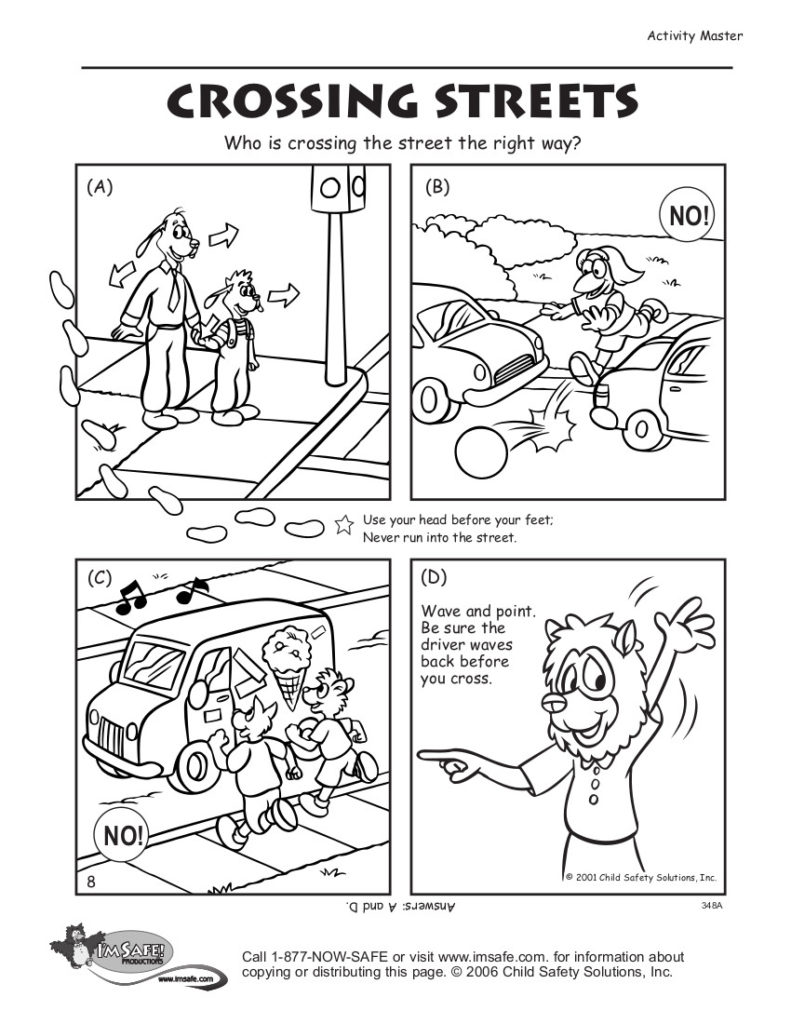
In our increasingly connected classrooms, keeping students secure requires bridging physical realities with virtual environments. When educators and parents utilize interactive street safety worksheets, they open vital dialogues that extend far beyond pedestrian awareness. These exercises serve as a foundational anchor for teaching spatial awareness, situational mindfulness, and risk assessment. Aligning with guidance from organizations like ConnectSafely, early childhood education on navigating physical pathways directly parallels how children must learn to navigate digital networks, public chat rooms, and location-sharing applications on school-issued tablets.
💡 Educational Key Takeaways:
- Core Skill: Structured Street Safety Worksheets focused on developing pencil grip, stroke control, and early literacy/math confidence.
- Target Scope: Suited for homeschoolers, preschool, kindergarten, and elementary learners.
- Best Recommendation: Practice 10–15 minutes daily with ergonomic writing tools to reinforce muscle memory without hand fatigue.
Identifying Vulnerabilities Across Home Devices and School Networks
Children frequently transition between tightly managed school environments and looser home internet settings. Understanding where safety gaps emerge allows parents and teachers to apply proactive guardrails. The following breakdown highlights common digital and physical vulnerabilities alongside actionable safeguards inspired by cybersecurity best practices from agencies like CISA. Related guide: Internet Safety Pledge For Students.
| Setting / Context | Common Vulnerability | Practical Safeguard |
|---|---|---|
| Home Devices | Unmonitored location-sharing apps exposing a child’s real-time physical route or daily commute. | Disable background GPS tracking on mobile devices and restrict location permissions to trusted family apps. |
| School Chromebooks | Over-reliance on filtering software without reinforcing offline situational awareness during transit. | Integrate offline physical safety drills and printable Worksheets into routine digital citizenship units. |
| Social and Chat Habits | Oversharing daily schedules, school names, or walking routes in public gaming lobbies or messaging apps. | Establish strict privacy boundaries and use screen-free creative outlets like Coloring Pages to reinforce offline hobbies. |
Establishing Collaborative Safety Habits for Home and School
Consistency is key when building lifelong safety instincts in children. Schools and households should work together to implement clear, supportive routines. Start by designating central charging stations at home where all smartphones and tablets rest overnight, eliminating late-night unsupervised browsing or location broadcasting. Educators can reinforce these habits by pairing our Internet and Digital Safety modules with hands-on classroom activities. Encourage an environment of trust where students feel comfortable reporting uncomfortable online encounters or confusing physical situations without fear of losing device privileges.
When adults implement strict physical or digital boundaries, children often experiment with workarounds, such as disabling location settings or sneaking devices under blankets. Overly punitive restrictions frequently backfire, driving risky behaviors underground where adults cannot spot warning signs. Instead of relying solely on heavy-handed filtering blocks, pair your technical controls with calm, inquisitive check-ins. Ask open-ended questions about how they manage their routes to school or interact with peers online, ensuring they understand the practical reasons behind every safety rule.
Frequently Asked Questions About Integrating Safety Tools
At what age should children start learning about location privacy and transit safety?
Children can grasp basic concepts of stranger awareness and route safety as early as kindergarten. As they transition into middle school and receive personal smartphones, these lessons must evolve to cover digital footprint management and geolocational privacy.
How can teachers incorporate these lessons without adding to instructional bloat?
Safety concepts do not require an entirely new curriculum; they integrate seamlessly into morning meeting discussions, art periods, or digital citizenship blocks. Utilizing ready-made activity sheets saves planning time while keeping student engagement high.
Avoid immediate shaming or yelling, which often stops communication. Instead, sit down together to review the privacy settings, explain the potential risks of broadcasting real-time data, and adjust device permissions as a team.
Explore More Digital Citizenship Resources
Empowering students to navigate both physical streets and digital highways requires continuous education, practical tools, and open communication between home and school. Discover comprehensive guides, classroom activities, and expert advice to support your community by visiting SafeWiredSchools.org today.
Worksheet Previews & Reference Materials