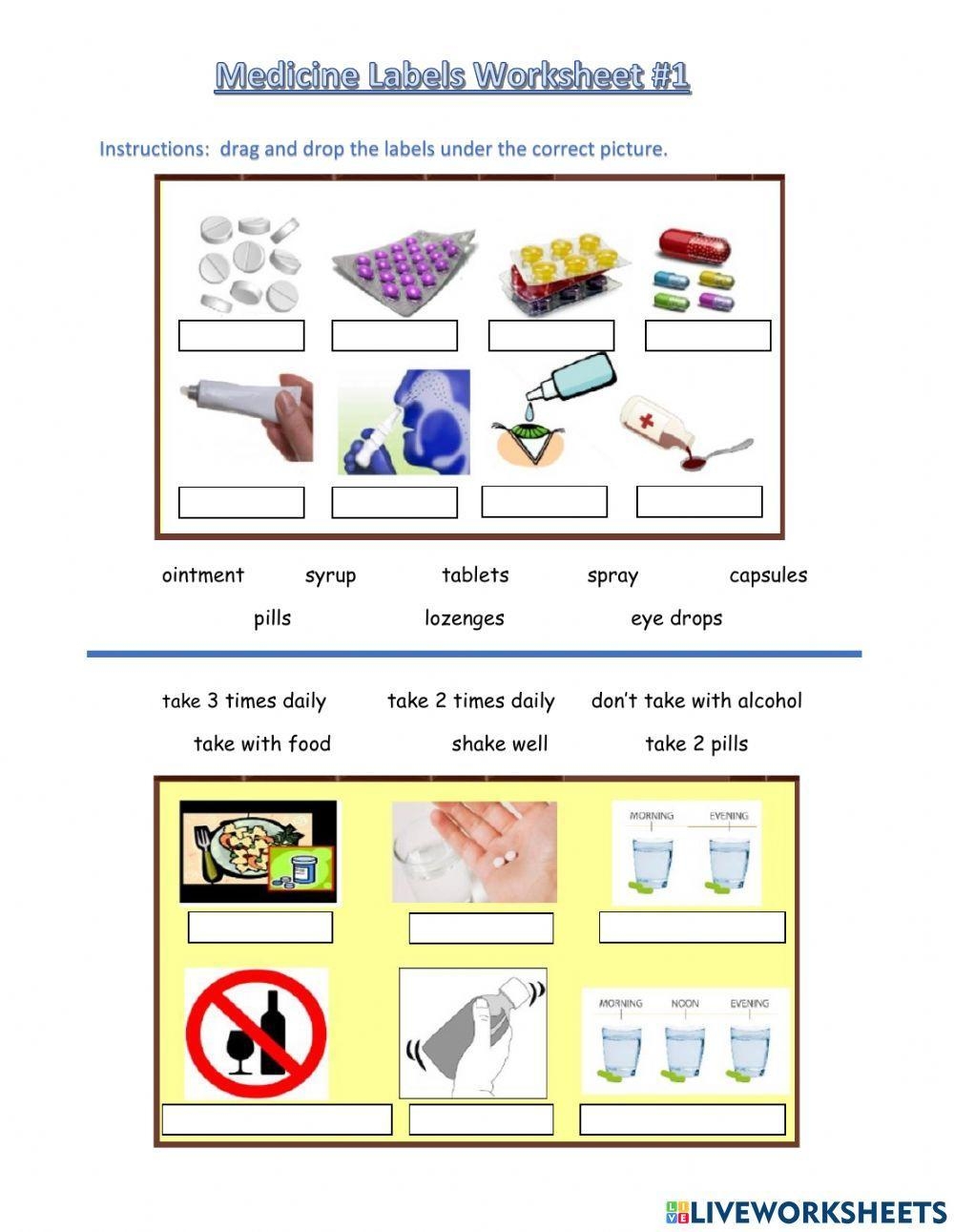
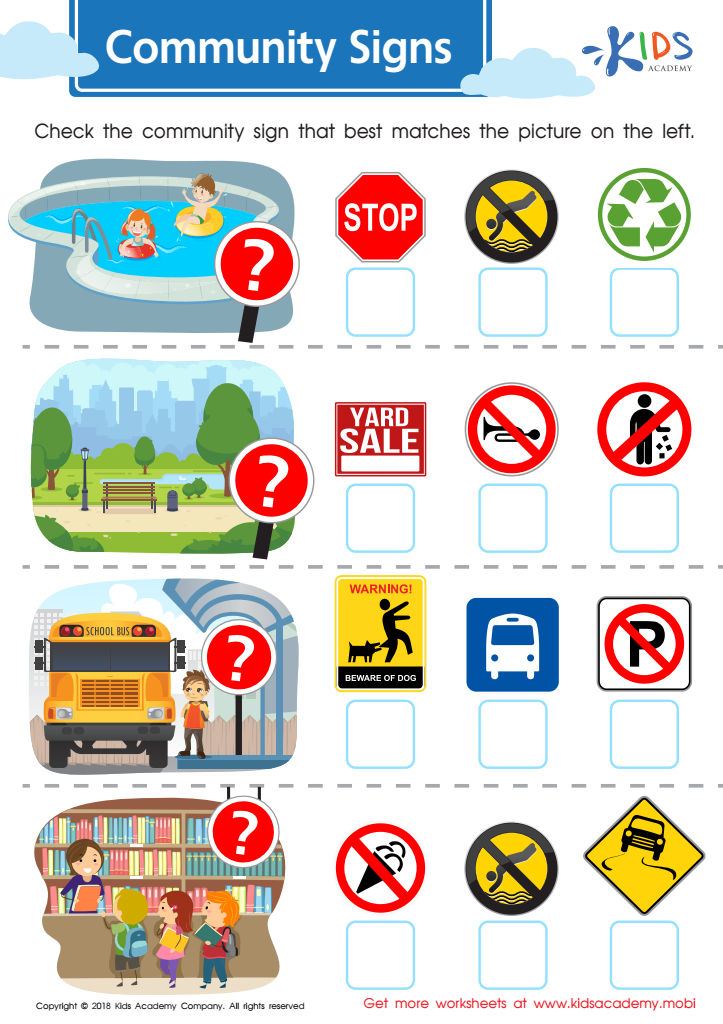
Why Medicine Safety Worksheets Matter for School and Home Health Literacy
As K-12 students navigate an increasingly connected world, digital literacy must extend beyond screens to encompass critical real-world wellness topics, including pharmacology and poison prevention. Integrating medicine safety worksheets into school curricula and home routines helps bridge the gap between digital content consumption and tangible health habits. Organizations like ConnectSafely and the FTC frequently emphasize that youth wellness depends heavily on multi-layered guidance, blending online caution with offline physical safety. When educators pair digital safety lessons with printable health exercises, students learn to critically evaluate instructions, recognize hazardous household items, and understand why pharmaceuticals are strictly governed adults-only resources.
💡 Educational Key Takeaways:
- Core Skill: Structured Medicine Safety Worksheets focused on developing pencil grip, stroke control, and early literacy/math confidence.
- Target Scope: Suited for homeschoolers, preschool, kindergarten, and elementary learners.
- Best Recommendation: Practice 10–15 minutes daily with ergonomic writing tools to reinforce muscle memory without hand fatigue.
Identifying Risk Signals and Implementing Preventive Guardrails
Children frequently encounter misleading health claims, risky social media challenges, or unverified home remedy trends across video platforms and messaging apps. Adults can protect youth by monitoring digital exposure and pairing technical device controls with educational printouts. The breakdown below details common vulnerability points across environments alongside actionable safeguards for parents and school staff. Related guide: Weekly Screen Time Checklist For Kids.
| Setting / Context | Common Vulnerability | Practical Safeguard |
|---|---|---|
| Home Devices | Accidental exposure to unmoderated wellness trends, dangerous challenges, or unregulated supplement ads on video-sharing apps. | Enable strict family content filters, turn off autoplay features, and review device search history together weekly. |
| School Chromebooks & Tablets | Students sharing unverified medical advice or fake health hacks during collaborative digital assignments. | Use centralized classroom management tools to restrict unvetted browsing and direct students toward vetted Worksheets for health projects. |
| Social and Chat Habits | Peer pressure regarding OTC medications or viral challenges shared via encrypted messaging platforms. | Establish open communication lines, encouraging children to report strange online requests immediately without fear of punishment. |
Actionable Rules and Habits Families and Schools Can Apply
Transforming basic safety concepts into lasting habits requires consistent routines and positive reinforcement. Educators and parents can implement structured workflows that remove the mystery surrounding pharmaceuticals while reinforcing strict boundaries. Start by establishing a shared household rule: medications should only ever be administered by trusted adults or school nurses. To reinforce this message, pair digital lessons with interactive exercises found within our curated Internet and Digital Safety hub. Furthermore, create a reporting workflow that allows students to flag confusing online content about health or medicine to an adult immediately. When children feel comfortable asking questions rather than hiding their curiosity, they are far less likely to experiment with dangerous substances found online or at home.
Handling Pushback and Common Student Workarounds
When adults implement strict device locks or question children about their media consumption regarding health trends, pushback is entirely normal. Tech-savvy students may try to bypass school filters, seek out unmoderated forums, or dismiss safety lectures as overly restrictive. Overly harsh bans often backfire by driving curious behavior underground. Instead of relying solely on technical restrictions, pair your device controls with calm, empathetic conversations. Explain the reasoning behind medicine safety worksheets and digital boundaries in a way that respects their growing independence. By treating safety education as a collaborative skill-building exercise rather than a punitive lecture, adults can foster genuine critical thinking.
Common Questions from Educators and Parents
How do medicine safety worksheets complement digital citizenship education?
These exercises teach critical thinking and source evaluation, helping students distinguish between verified medical facts and dangerous online misinformation or viral challenges. This analytical skill translates directly to evaluating online content safely.
At what age should we introduce medicine safety concepts alongside digital rules?
Foundational concepts can begin in early elementary school through simple coloring activities and basic identification rules, evolving into more complex pharmacological discussions and digital literacy modules by middle school.
What should a teacher do if a student mentions a dangerous online medicine challenge?
Stay calm, thank the student for being honest, document the specific platform or URL involved, and immediately notify school administration and the school counselor to assess potential student risk.
Explore More Digital Citizenship Resources
Empowering students to navigate the digital world safely requires continuous learning, open dialogue, and comprehensive educational materials for both home and classroom use. To discover additional printable guides, lesson plans, and safety strategies tailored for modern learners, visit us at SafeWiredSchools.org.
Worksheet Previews & Reference Materials