Why Physical and Digital Safety Equipment Worksheets Matter for K-12 Communities
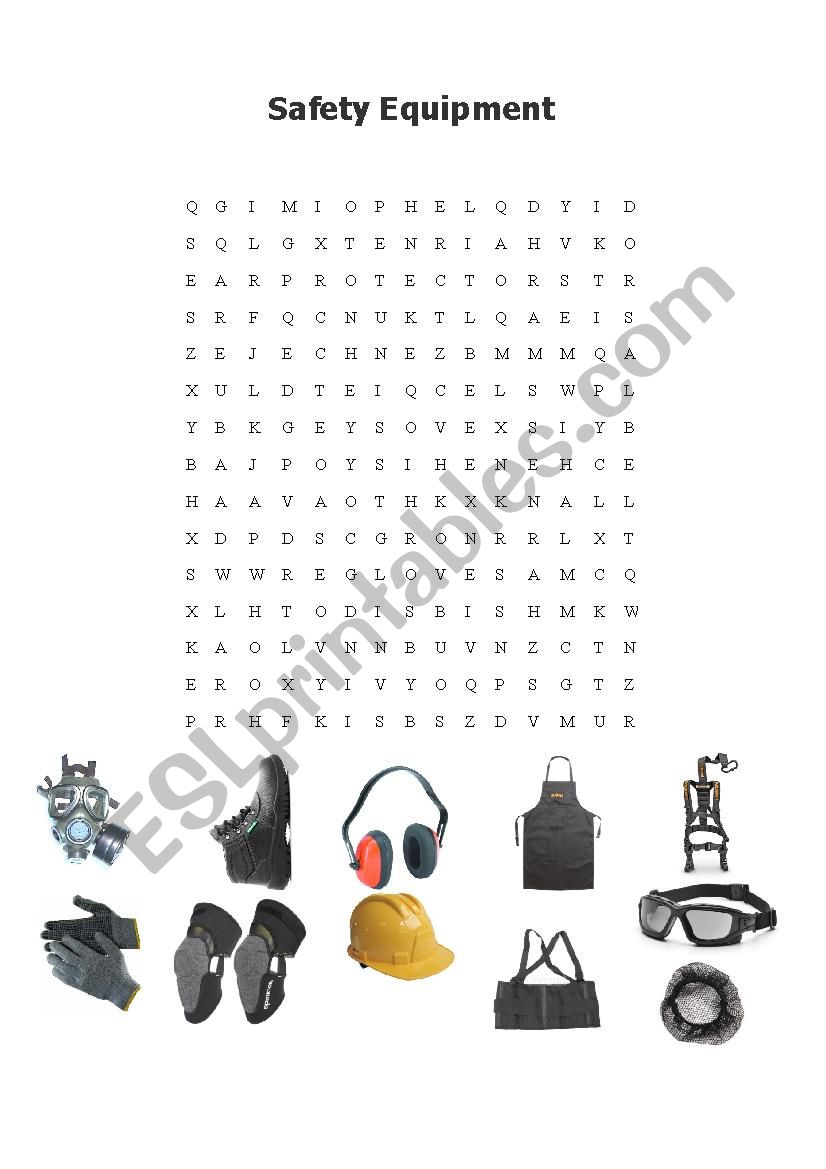
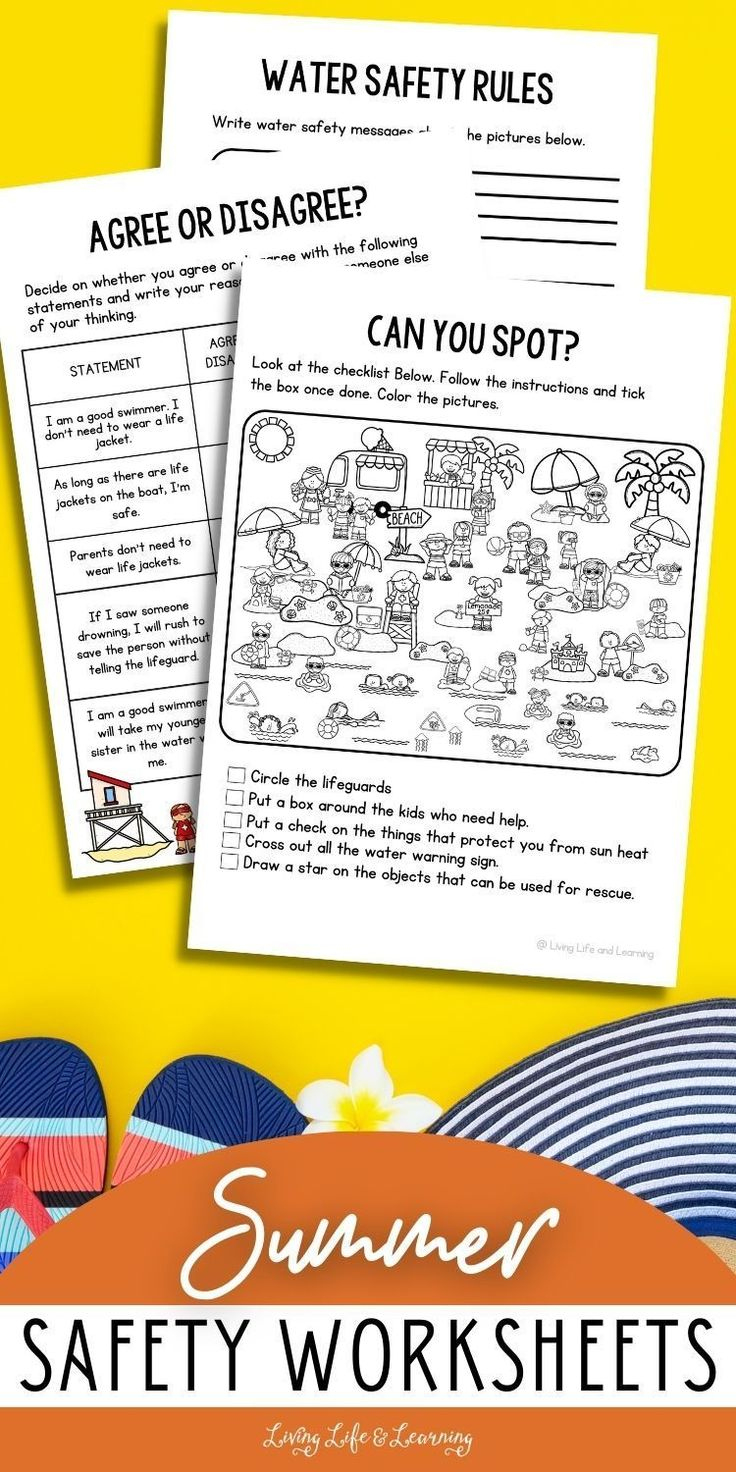
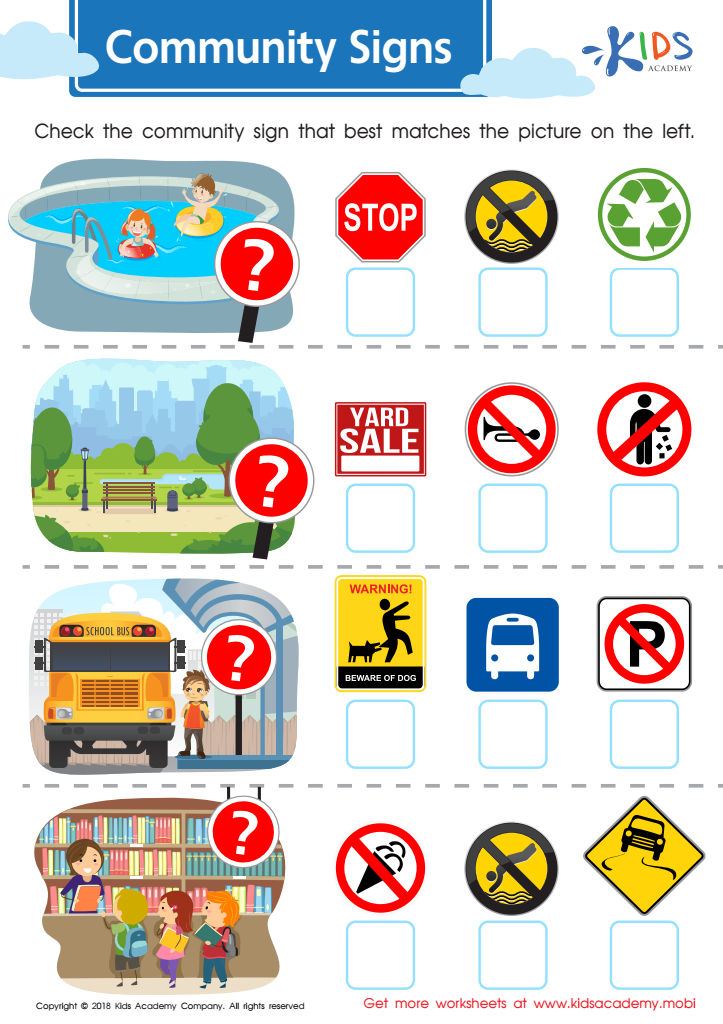
Navigating the modern digital landscape requires more than just good intentions; it demands structured learning tools that bridge the gap between abstract concepts and real-world execution. Whether educators are preparing students for science labs, makerspaces, or 1:1 device deployment, implementing a dedicated safety equipment worksheet helps students anchor critical procedures into their daily habits. Aligning with recommendations from the Cybersecurity and Infrastructure Security Agency (CISA) and ConnectSafely, establishing clear baseline protocols protects students both from physical mishaps in hands-on environments and from preventable digital vulnerabilities. By moving beyond passive lectures, these structured exercises empower children to identify risks, evaluate protective gear, and take active ownership of their personal safety.
💡 Educational Key Takeaways:
- Core Skill: Structured Safety Equipment Worksheet focused on developing pencil grip, stroke control, and early literacy/math confidence.
- Target Scope: Suited for homeschoolers, preschool, kindergarten, and elementary learners.
- Best Recommendation: Practice 10–15 minutes daily with ergonomic writing tools to reinforce muscle memory without hand fatigue.
Evaluating Digital and Physical Risk Signals Alongside Protective Guardrails
To successfully integrate safety equipment worksheets into your curriculum or household routine, adults must monitor both classroom workflows and online behaviors. The matrix below outlines common risk signals encountered by K-12 students across devices and physical spaces, paired with actionable safeguards inspired by leading youth digital safety advocates.
| Setting / Context | Common Vulnerability | Practical Safeguard |
|---|---|---|
| School Chromebooks and Tablets | Bypassing web filters or disabling built-in antivirus extensions | Pair CISA-aligned device management policies with our interactive Worksheets to reinforce accountability. |
| Home Wi-Fi and Personal Devices | Unsupervised late-night browsing and access to age-inappropriate content | Establish a centralized evening charging station outside bedrooms and review router-level parental controls regularly. |
| Online Messaging and Chat Apps | Sharing personally identifiable information or encountering unverified links | Teach students to spot phishing attempts and explore structured Internet and Digital Safety modules for practice. |
Actionable Steps to Build Sustainable Safety Habits at Home and School
Consistency is the cornerstone of effective digital citizenship and physical safety. When parents and educators speak the same language, children internalize protective habits much faster. Start by integrating a physical safety equipment worksheet into your back-to-school orientation or digital citizenship units, allowing students to map out emergency shutdowns, proper gear usage, and trusted adult contacts. Furthermore, establish predictable routines such as weekly digital check-ins where children can share apps they are enjoying or ask questions about strange pop-ups without fear of losing their device privileges. Frame these safety boundaries as tools for independence rather than restrictions, ensuring kids understand that protective equipment and digital filters exist to keep them exploring safely.
Overcoming Student Workarounds and Handling Digital Pushback
Children are naturally curious and tech-savvy, which means they frequently discover clever workarounds for browser filters, screen time limits, and classroom monitoring tools. When adults react with immediate anger or overly draconian punishments, students simply learn to hide their behavior more effectively. Instead, treat workarounds as teachable moments. If a student manages to bypass a restriction, calmly investigate how they did it, acknowledge their ingenuity, and use the incident to update your security settings. Pairing technical safeguards with transparent conversations fosters an environment where kids feel comfortable reporting accidental exposure to inappropriate content or malicious links instead of hiding the issue.
Frequently Asked Questions About Integrating Safety Equipment Worksheets
What age group benefits most from using a safety equipment worksheet?
Students from upper elementary through high school benefit immensely, provided the complexity scales appropriately. Younger students focus on basic device care and physical lab gear, while older youth tackle advanced cybersecurity concepts and online privacy settings.
How can teachers prevent students from rushing through printed safety worksheets?
Combine written worksheets with hands-on scenario simulations or small group discussions where students must justify their protective choices. This transforms a passive assignment into an engaging, collaborative learning experience.
Are digital safety worksheets more effective than traditional lectures?
Yes, because active participation significantly improves retention compared to listening. Integrating structured writing prompts and checklists ensures students actively process and apply risk-mitigation strategies.
Explore More Digital Citizenship Resources
Equipping the next generation with robust safety habits requires continuous guidance, up-to-date resources, and open communication channels across classrooms and living rooms. Discover more expert-vetted lesson plans, creative activities, and printable guides by visiting SafeWiredSchools.org today.
Worksheet Previews & Reference Materials