Why Visualizing Online Reputations Early Changes Everything
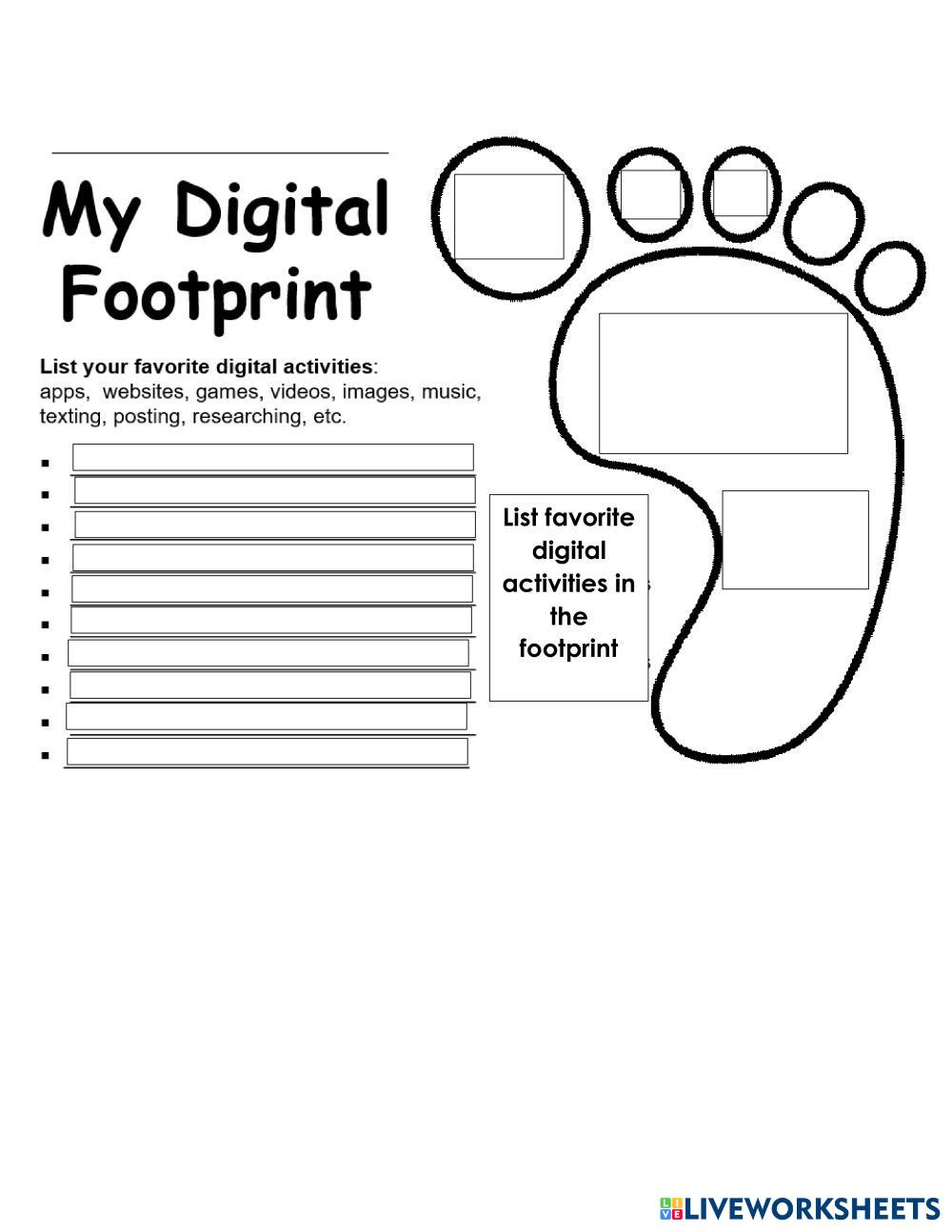
Introducing foundational internet concepts to young learners requires bridging the gap between invisible online actions and tangible real-world consequences. When educators and parents utilize a digital footprint coloring page kids activities can transform abstract concepts like data tracking, permanent records, and digital shadows into approachable, creative exercises. According to guidance from organizations like ConnectSafely and the Family Online Safety Institute (FOSI), early digital literacy interventions help children grasp that everything posted, shared, or liked online leaves a lasting trace. By coloring physical representations of footsteps, data streams, and online profiles, children aged five to nine begin to internalize that internet actions have longevity.
💡 Activity Key Takeaways:
- Core Focus: Printable Digital Footprint Coloring Page Kids designed for creative expression and fine-motor coordination.
- Target Scope: Ideal for toddlers, preschool, kindergarten, and classroom art activities.
- Best Recommendation: Use standard heavy printer paper (24–28 lb) or cardstock for vibrant results with crayons, colored pencils, or washable markers.
Comparing Digital Risks Across Home and School Environments
Protecting young internet users requires understanding how different online ecosystems present unique vulnerabilities. Whether children are navigating school-issued tablets or personal home smartphones, adults must align technical controls with behavioral guardrails. Related guide: Two Factor Authentication Coloring Page Kids.
| Setting / Context | Common Vulnerability | Practical Safeguard |
|---|---|---|
| Home Wi-Fi & Personal Devices | Unmonitored late-night browsing and access to unvetted third-party mobile apps. | Establish a central charging station in the kitchen; utilize router-level content filters. |
| School Chromebooks & Tablets | Accidental navigation to inappropriate domains or sharing personal info in school chat tools. | Reinforce district filtering policies; incorporate Internet and Digital Safety lessons into daily routines. |
| Interactive Gaming & Social Chat | Over-sharing real names, locations, or school names with unknown online players. | Disable public voice chat features and review privacy settings together before gameplay begins. |
Practical Routines and Creative Lessons for Classrooms and Living Rooms
Translating digital safety theory into daily habits works best when adults combine creative media with clear boundaries. Educators often start units by pairing art projects with structured Coloring Pages that depict friendly avatars, secure lock icons, and polite online communication. At home, families can establish routine check-ins where children share what games they played or what videos they watched without fear of punishment. CISA guidelines emphasize that children should feel safe reporting strange messages or accidental clicks immediately. Educators can also supplement these art sessions with structured Worksheets that ask students to sort online behaviors into helpful versus harmful categories.
Overcoming Student Workarounds and Calming Overly Strict Bans
When adults implement draconian rules or block every online avenue without explanation, children frequently seek out workarounds, such as using anonymous browser modes or secretive peer-to-peer apps. Instead of relying solely on heavy-handed restrictions, parents and teachers should adopt an open-door policy. If a child encounters pop-ups, mean comments, or accidental data-sharing, the primary reaction must be calm curiosity rather than immediate device confiscation. Pairing technical monitoring tools with transparent conversations about privacy ensures that children understand why certain digital boundaries exist, fostering long-term critical thinking skills.
Frequently Asked Questions About Teaching Digital Footprints
At what age should we start teaching children about their digital footprint?
Basic concepts can be introduced as early as kindergarten or first grade using visual aids and storytelling. Children easily grasp the idea that online actions leave footprints just like walking in wet sand or mud.
How do creative activities like coloring help reinforce internet safety?
Artistic engagement activates multiple cognitive pathways, allowing younger children to process abstract digital concepts safely. Coloring physical pages gives them a tangible reference point to discuss complex ideas like privacy and permanence.
Stay calm, help the child delete or retract the information immediately, and review privacy settings together. Use the moment as a gentle teaching opportunity rather than punishing them, ensuring they remain comfortable coming to you in the future.
Explore More Digital Citizenship Resources
Empowering the next generation of digital citizens requires continuous learning, up-to-date classroom resources, and collaborative guidance between families and schools. Discover additional printable guides, lesson plans, and safety strategies by visiting SafeWiredSchools.org today.
Printable Coloring Page Previews