Why Early Tech Literacy Starts with Tangible Lessons
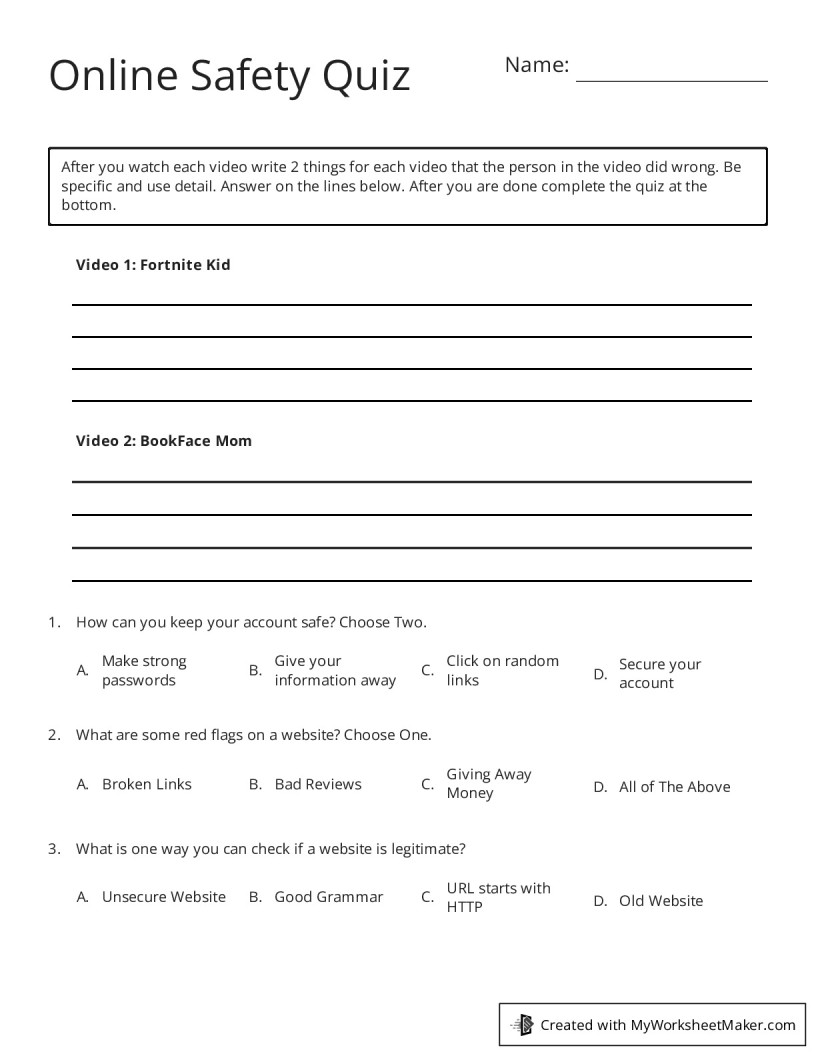
Helping young students navigate the digital landscape requires more than just high-tech filters or verbal warnings. Translating complex concepts into concrete actions is essential, which is why educators and families frequently turn to an online safety coloring and quiz printable to bridge the gap. According to youth privacy frameworks recommended by organizations like ConnectSafely and the Federal Trade Commission (FTC), teaching digital citizenship to early learners is most effective when adults use interactive, multi-sensory tools. By pairing creative drawing exercises with low-stakes comprehension checks, children learn to recognize safe online behaviors, understand personal boundaries, and identify trusted adults before they encounter real-world risks on school-issued tablets or home devices. Explore more in our Coloring Pages category.
💡 Activity Key Takeaways:
- Core Focus: Printable Online Safety Coloring And Quiz Printable designed for creative expression and fine-motor coordination.
- Target Scope: Ideal for toddlers, preschool, kindergarten, and classroom art activities.
- Best Recommendation: Use standard heavy printer paper (24–28 lb) or cardstock for vibrant results with crayons, colored pencils, or washable markers.
Digital Risk Signals and Preventive Safeguards
Adults often struggle to identify the exact moments when a child’s digital habits cross from harmless exploration into risky behavior. To help teachers and parents stay ahead of potential hazards, the breakdown below highlights common vulnerabilities across typical device environments alongside practical preventive guardrails.
| Setting / Context | Common Vulnerability | Practical Safeguard |
|---|---|---|
| Home Tablets & Smartphones | Unmonitored app downloads and accidental in-app purchases exposing personal data. | Require password authentication for any new download and enable age-appropriate parental controls. |
| School Chromebooks | Bypassing web filters or accessing unapproved chat features during independent study. | Reinforce classroom Internet and Digital Safety policies and review browser history regularly. |
| Multiplayer Chat & Messaging | Over-sharing personal identifiers like full names, school locations, or home addresses. | Use an Online and Digital Safety worksheet to role-play safe response scripts. |
Actionable Habits Families and Classrooms Can Establish
Consistency between home expectations and school rules reinforces the protective behaviors children need online. Educators can integrate structured Worksheets into weekly lesson plans to evaluate comprehension after a classroom discussion. Meanwhile, parents can establish calm routines at home, such as setting up a central charging station in the kitchen where all family devices sleep overnight. This physical boundary eliminates late-night screen scrolling while encouraging open communication. When introducing new online safety coloring and quiz printable packets, adults should frame the exercises as cooperative problem-solving rather than rigid tests. Emphasize that reporting a weird pop-up or an uncomfortable message to a parent or teacher is always the correct choice, completely free from the fear of losing device privileges.
Addressing Student Workarounds and Pushback
Overly restrictive technical bans frequently backfire by driving tech-savvy children to seek out hidden workarounds, such as utilizing proxy sites or clearing browser histories. Cybersecurity guidance from agencies like CISA emphasizes that education must always accompany enforcement. If a student attempts to bypass safety filters, avoid immediate punishment. Instead, use the moment as a teachable inquiry: ask why they wanted to access the site and guide them through a calm conversation about digital footprints. Pairing age-appropriate technical filters with engaging, offline activities ensures that children understand the reasoning behind safety boundaries, transforming compliance from a forced rule into an internalized habit.
Frequently Asked Questions About Interactive Safety Materials
What age group benefits most from an online safety coloring and quiz printable?
These interactive resources are ideally suited for children in kindergarten through third grade. Visual learners in this age bracket grasp foundational digital citizenship concepts much faster when they can color characters while discussing rules with an adult.
How can teachers incorporate these printables into a busy curriculum?
Educators can seamlessly blend these activities into morning meeting time, computer lab orientation sessions, or library media center lessons. They serve as a wonderful quiet-work bridge that prompts meaningful small-group discussions about internet manners.
Are these printable activities effective for homeschooling parents?
Yes, homeschooling families find these materials exceptionally helpful for establishing baseline internet rules. The accompanying quizzes provide an easy, stress-free way to assess whether a child truly understands what information is safe to share online.
Explore More Digital Citizenship Resources
Building a safer digital culture for children requires continuous learning, collaboration, and access to the right tools. Visit SafeWiredSchools.org to explore our complete collection of educator-vetted guides, classroom activities, and family communication toolkits.
Printable Coloring Page Previews