Why Creative Offline Tools Build Strong Foundations for Third Graders
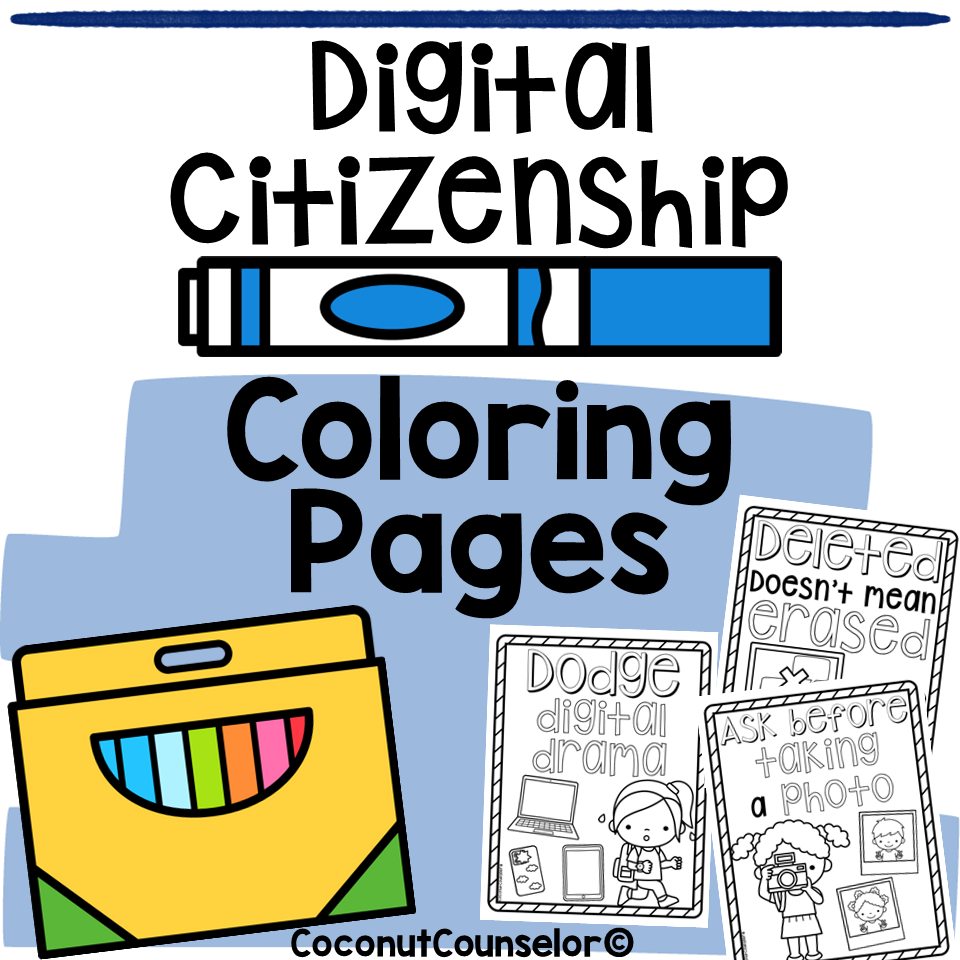
Third-grade students are expanding their digital footprints rapidly through school-issued tablets, online reading platforms, and multiplayer educational games. Introducing a digital citizenship coloring page grade 3 activity offers a brilliant bridge between tactile art and vital online safety lessons. Organizations like ConnectSafely and the Family Online Safety Institute emphasize that concrete, low-pressure concepts work best for eight- and nine-year-olds who are just beginning to navigate passwords, screen time limits, and digital kindness. By blending coloring with discussions about online behavior, educators and parents can reinforce positive habits without overwhelming developing minds.
💡 Activity Key Takeaways:
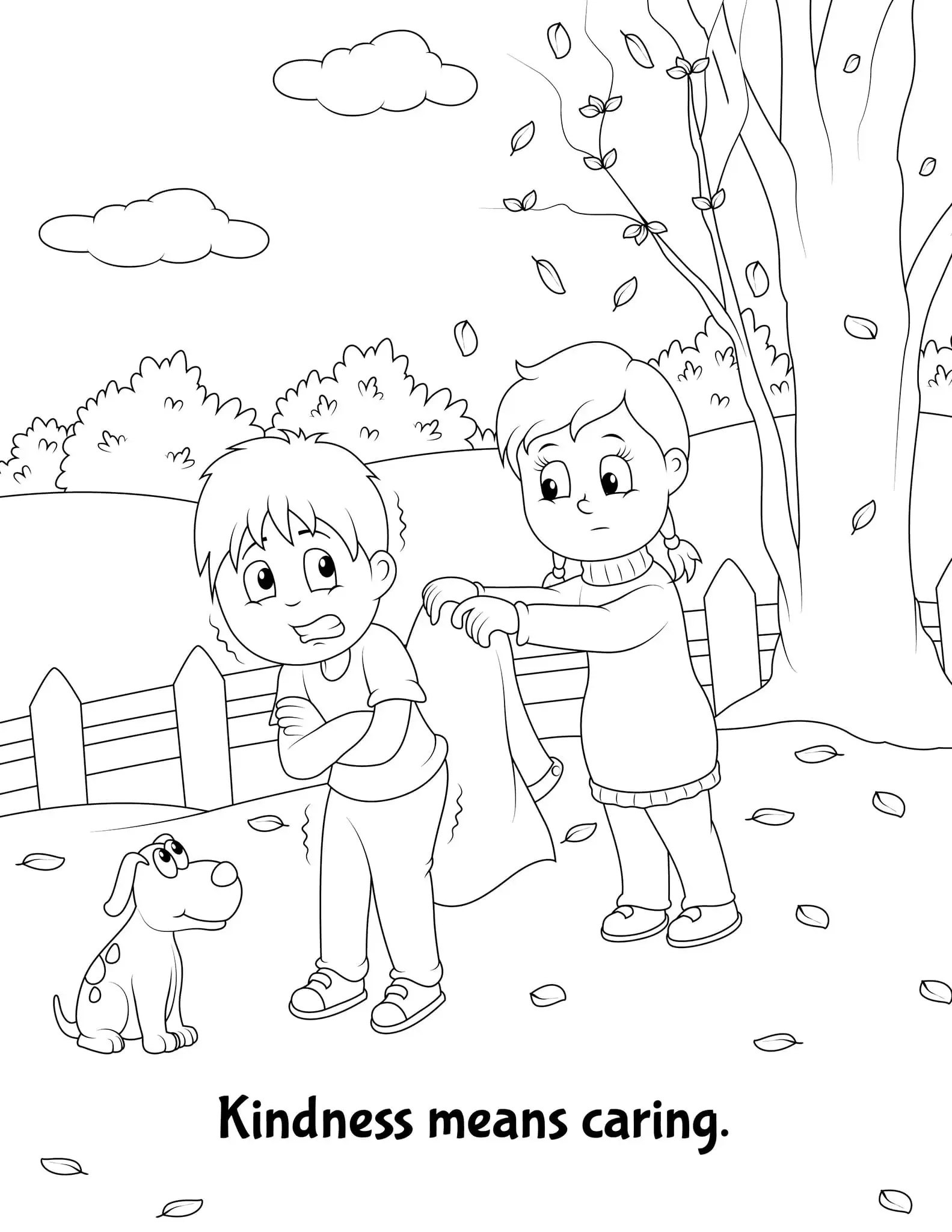
- Core Focus: Printable Digital Citizenship Coloring Page Grade 3 designed for creative expression and fine-motor coordination.
- Target Scope: Ideal for toddlers, preschool, kindergarten, and classroom art activities.
- Best Recommendation: Use standard heavy printer paper (24–28 lb) or cardstock for vibrant results with crayons, colored pencils, or washable markers.
Early Indicators and Practical Technical Guardrails
As children transition into more independent device usage, adults must balance robust device controls with observational awareness. Technical filters are necessary, but they do not replace direct supervision or clear communication about what children encounter on school Chromebooks and home tablets. Educators and families can review common vulnerability points and corresponding preventive measures using the breakdown table below to ensure holistic coverage across environments. Related guide: Internet Safety Coloring Page Pdf Free.
| Setting / Context | Common Vulnerability | Practical Safeguard |
|---|---|---|
| Home Shared Devices | Accidental access to unverified video platforms or unsupervised web browsing. | Configure strict parental controls, enforce profile locks, and explore resources found within Internet and Digital Safety to align web permissions. |
| School Chromebooks | Sharing passwords with classmates or logging into unauthorized gaming accounts. | Establish clear classroom policy communication regarding account confidentiality and pair lessons with Worksheets that outline password safety rules. |
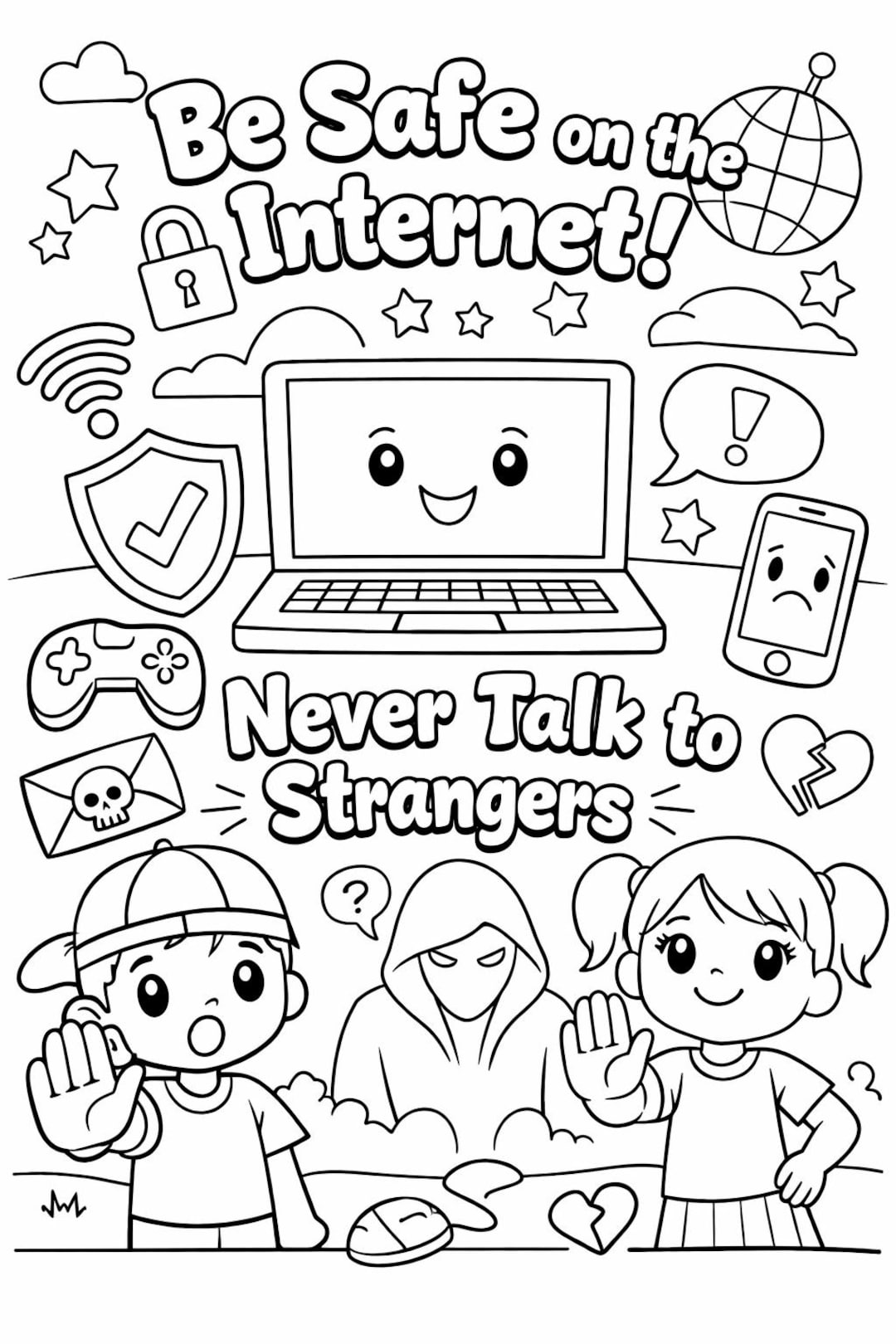
| Messaging and Chat | Unfamiliar users joining multiplayer game lobbies or chat features. | Disable in-game public chat functions entirely, and utilize creative exercises like a digital citizenship coloring page grade 3 to spark dialogue about online strangers. |
Establishing Collaborative Routines Between Classrooms and Living Rooms
Consistent reinforcement between teachers and parents is key to lifelong digital resilience. Start by establishing a shared device charging station in a high-traffic family area, such as the kitchen, to naturally eliminate late-night unsupervised screen use. When introducing a digital citizenship coloring page grade 3 session, frame it as an art project that unlocks a conversation rather than a dry lecture. According to Cybersecurity and Infrastructure Security Agency guidelines, teaching kids how to spot suspicious pop-ups and reporting glitches without fear of punishment reduces the secrecy that often surrounds online mistakes. Keep printed checklists near computer desks to remind students about digital footprints, kindness, and privacy.
Overcoming Common Workarounds and Managing Device Resistance
When adults implement rigid surveillance or sudden bans, third graders frequently resort to workarounds like clearing browser histories or bypassing screen time limits in secret. Overly restrictive measures often backfire because they teach children to hide digital slip-ups rather than seeking help. Instead, pair automated technical filters with transparent, calm parent-child conversations. If a student tries to bypass a filter or stumbles upon inappropriate content, maintain a neutral, problem-solving tone. Use teachable moments to update your household internet agreement and incorporate targeted Coloring Pages to visually reinforce why boundaries exist to protect their privacy and well-being.
Frequently Asked Questions From Educators and Parents
How do I introduce online safety concepts to an eight-year-old without causing fear?
Focus on positive habits like digital kindness, password secrecy, and the idea that the internet is a public park rather than a completely private space. Creative tools like a digital citizenship coloring page grade 3 keep the atmosphere light, engaging, and age-appropriate.
Are printable activities effective for teaching technical concepts in third grade?
Yes, tactile activities engage different cognitive pathways, helping young learners process abstract concepts like data privacy and digital footprints. Combining visual art with guided discussions improves retention and builds critical thinking skills.
What should I do if my child encounters something upsetting online?
Reassure them immediately that they are not in trouble and praise them for coming forward. Calmly document the incident, adjust your technical controls, and review safe reporting steps together.
Explore More Digital Citizenship Resources
Empowering children to become safe, responsible digital citizens requires ongoing guidance, community collaboration, and reliable tools. Discover comprehensive strategies, classroom activities, and safety guides by visiting us at SafeWiredSchools.org.
Printable Coloring Page Previews