Why Early Tech Hygiene Begins with Creative Art Activities
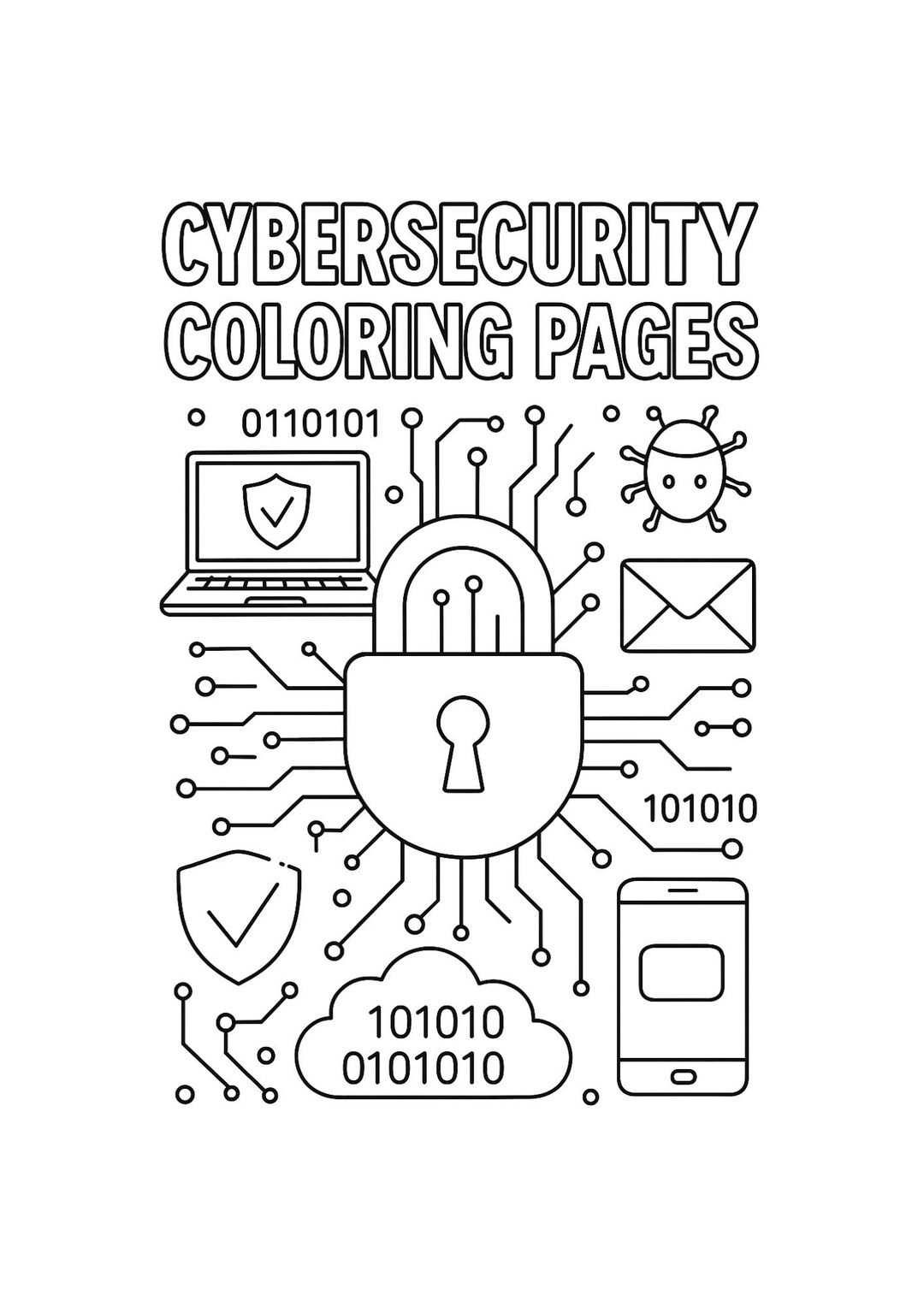
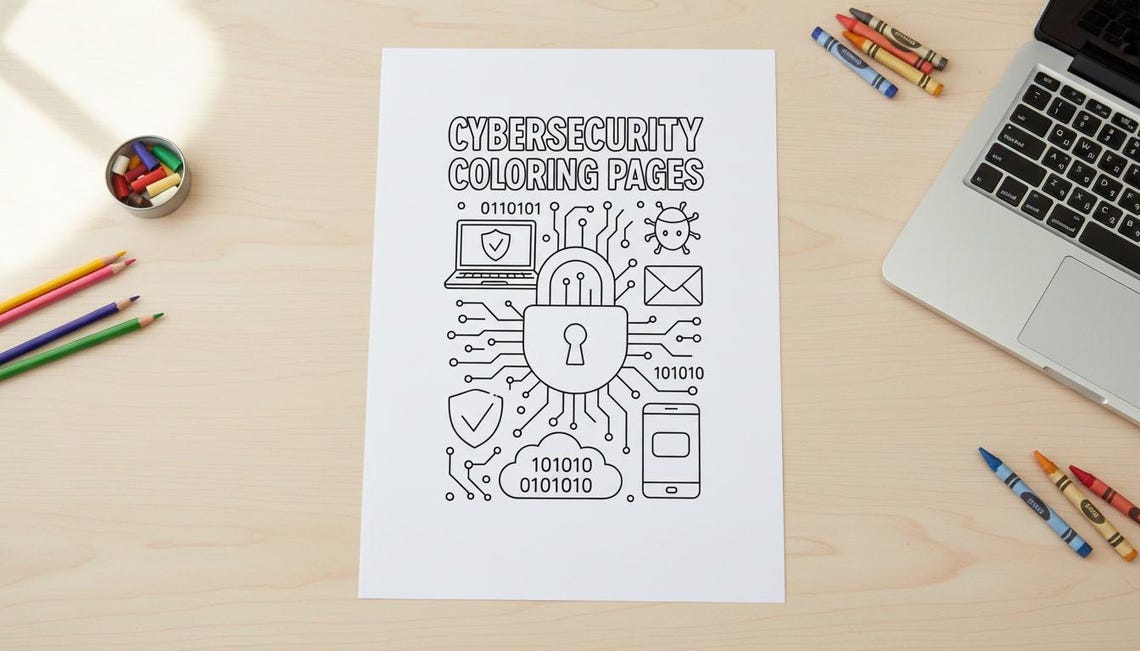
Introducing foundational concepts of digital safety to young learners requires approaches that avoid inducing fear while reinforcing good habits. Cybersecurity Coloring Pages For Students bridge the gap between abstract technical rules and tangible, age-appropriate understanding. According to guidance from organizations like CISA and ConnectSafely, early learners process complex ideas about privacy, passwords, and device boundaries much better when they can visualize them through creative mediums. By incorporating targeted coloring sheets into daily routines, educators and parents help children anchor crucial Internet and Digital Safety concepts into positive memories.
💡 Activity Key Takeaways:
- Core Focus: Printable Cybersecurity Coloring Pages For Students designed for creative expression and fine-motor coordination.
- Target Scope: Ideal for toddlers, preschool, kindergarten, and classroom art activities.
- Best Recommendation: Use standard heavy printer paper (24–28 lb) or cardstock for vibrant results with crayons, colored pencils, or washable markers.
Balancing Creativity with Digital Literacy Risk Signals
While coloring sheets provide a safe, offline break from screens, adults must remain vigilant about how children interact with digital devices during and after offline lessons. Technical vulnerabilities often stem from unsupervised device access or a lack of clear boundaries regarding shared home equipment and school-issued hardware. The breakdown below highlights common device and behavioral risk signals alongside preventive guardrails educators and parents can implement immediately.
| Setting / Context | Common Vulnerability | Practical Safeguard |
|---|---|---|
| Home Devices | Unrestricted browser access and lack of parental controls on shared tablets. | Configure strict user profiles, enable content filters, and establish a centralized family charging station. |
| School Chromebooks | Students sharing passwords or leaving accounts logged in during transitions. | Reinforce simple account log-out habits and integrate Worksheets that review secure sign-in practices. |
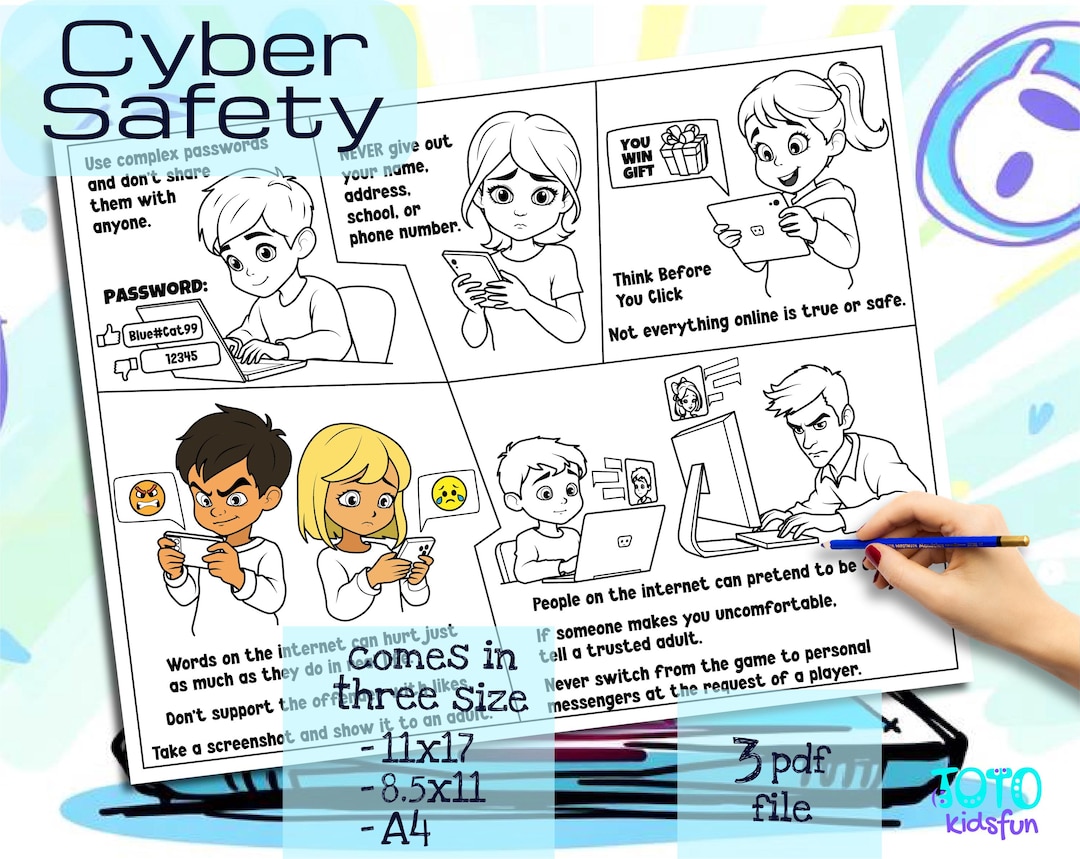
| Chat & Messaging | Oversharing personal information in multiplayer game lobbies or chat apps. | Teach the concept of digital footprints early, ensuring kids know never to type real names, locations, or school names online. |
Establishing Daily Guardrails and Creative Reinforcement Workflows
Transforming digital citizenship from a classroom lecture into a living habit requires consistent, supportive routines at school and home. Pairing tactile learning activities, such as Coloring Pages, with open-ended discussions about passwords and private information makes abstract digital rules concrete. Adults should establish a culture of reporting where children feel completely safe coming forward if they click something suspicious, encounter a strange pop-up, or experience cyberbullying. Setting up collaborative safety contracts and utilizing visual checklists ensures that every student understands how to navigate connected environments responsibly.
As children grow more tech-savvy, they naturally seek workarounds to content filters, screen time limits, and password protections. Overly restrictive bans often backfire by driving experimentation underground, preventing children from seeking help when they make a mistake online. Instead of relying solely on heavy-handed restrictions, pair technical network filters with calm, frequent check-ins. When students try to bypass device rules, use the moment to discuss why those guardrails exist—such as protecting personal data and avoiding malware—rather than resorting immediately to punitive measures.
Frequently Asked Questions About Digital Safety Art Integration
At what age should children begin learning basic cybersecurity concepts?
Children can start learning foundational concepts like private information and screen boundaries as early as kindergarten or first grade. Utilizing creative, low-stress activities ensures these early lessons remain engaging, positive, and entirely free of anxiety.
How do coloring sheets effectively reinforce technical safety rules?
Young children learn best through multisensory engagement. Visual art activities allow students to connect physical actions with digital vocabulary, such as locking devices, keeping passwords secret, and identifying trusted adults.
Where can educators find additional resources to support digital citizenship?
Schools can leverage established frameworks from organizations like FOSI and CISA, combined with practical classroom materials designed to promote healthy, balanced technology use across all grade levels.
Explore More Digital Citizenship Resources
Building a resilient digital culture takes a consistent, community-wide commitment from both educators and families. To discover more practical lesson plans, safety guides, and printable classroom tools, visit us at SafeWiredSchools.org to support your students every step of the way.
Printable Coloring Page Previews