Introduction
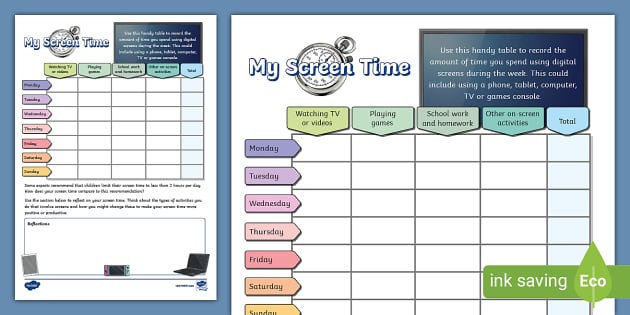
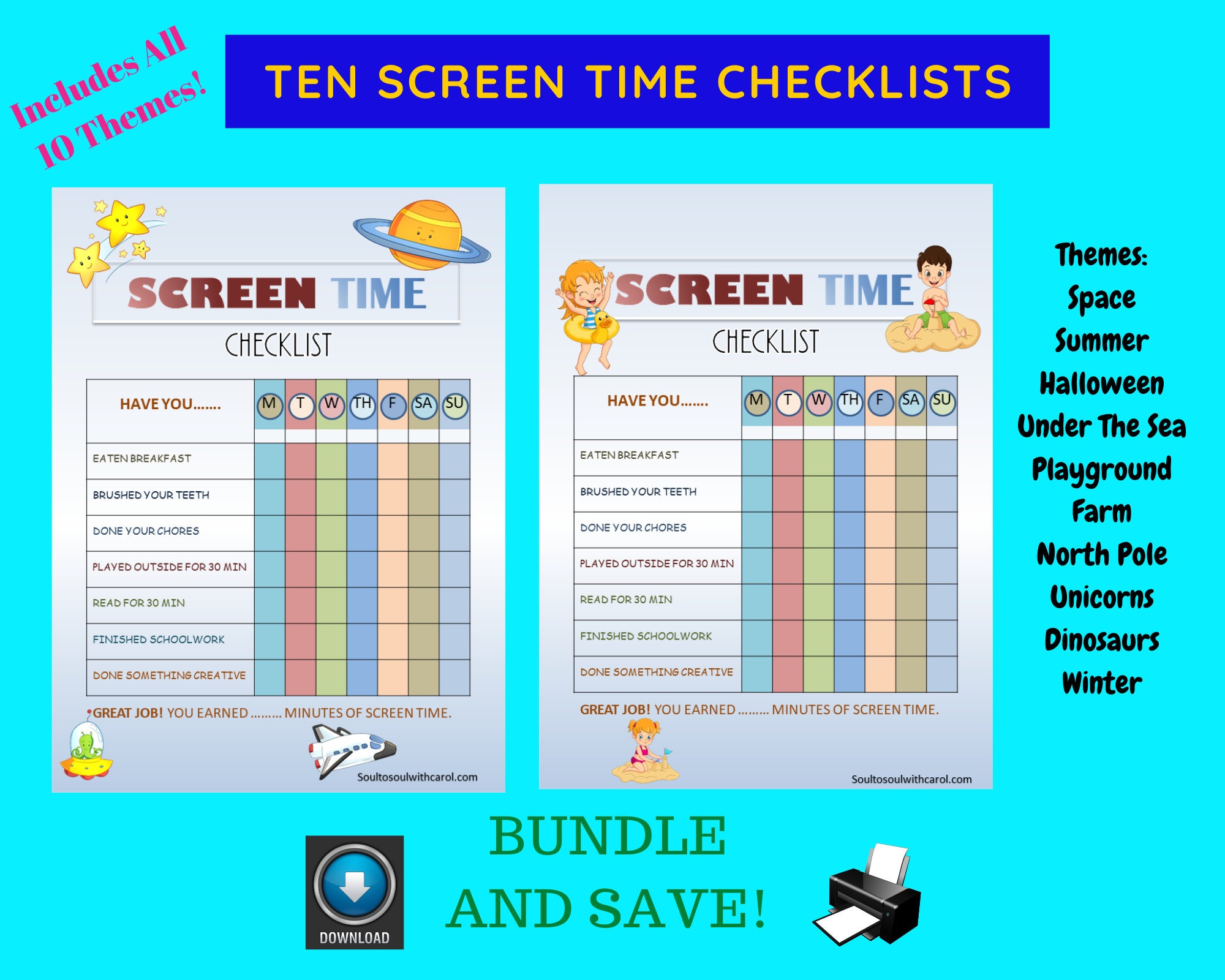
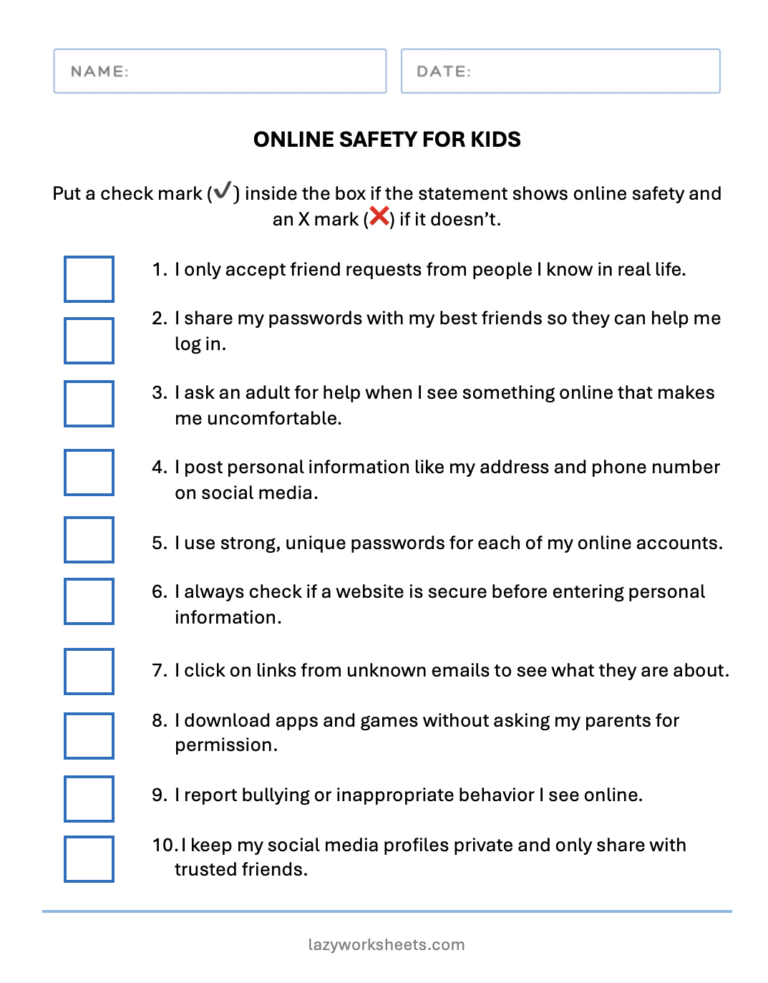
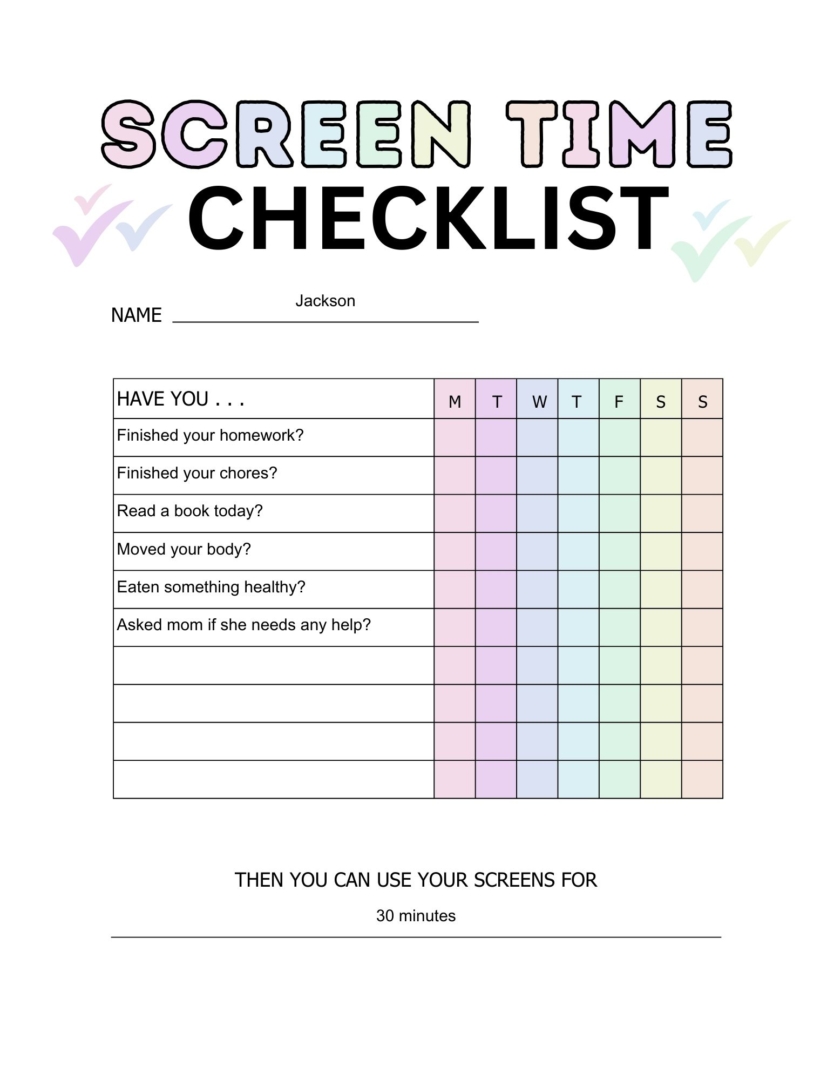
Navigating the digital landscape begins early in a childs development. For students in elementary grades, specifically Grade 1, establishing healthy digital habits is paramount. The “screen time checklist for grade 1” serves as a foundational resource, carefully designed to introduce and reinforce essential internet safety concepts through engaging, hands-on learning. This printable worksheet offers a tangible approach to digital awareness, allowing young learners to actively participate in understanding responsible online behavior. Educators and parents consistently trust printable worksheets as effective tools for their ability to facilitate direct engagement, support varied learning styles, and provide a concrete reference point for discussions around critical topics like screen time management and online safety. The consistent use of such resources builds a robust framework for safe digital exploration from a young age.
💡 Educational Key Takeaways:
- Core Skill: Structured Screen Time Checklist For Grade 1 focused on developing pencil grip, stroke control, and early literacy/math confidence.
- Target Scope: Suited for homeschoolers, preschool, kindergarten, and elementary learners.
- Best Recommendation: Practice 10–15 minutes daily with ergonomic writing tools to reinforce muscle memory without hand fatigue.
What This Worksheet Covers
This particular worksheet addresses the critical topic of balanced screen time and responsible digital engagement for young children. It guides Grade 1 students through concepts such as setting appropriate time limits for digital device use, identifying a variety of non-screen activities, and understanding the importance of asking a trusted adult for permission before going online. The resource also introduces the idea of distinguishing between helpful and less beneficial screen activities, fostering a discerning approach to digital content. Content within the “screen time checklist for grade 1” aligns with recognized digital citizenship and child safety education standards, which emphasize media literacy, personal responsibility, and the development of healthy online habits from an early age. It provides a structured yet accessible framework for discussing these vital components of internet safety.
Key Learning Outcomes
By engaging with the “screen time checklist for grade 1,” children will develop several crucial skills and areas of knowledge:. Browse more guides on Safe Wired Schools.
- An understanding of what constitutes balanced screen time versus excessive use.
- The ability to identify and articulate a range of healthy, non-screen activities.
- Practice in consistently asking a parent or teacher for permission before using digital devices.
- Recognition of the importance of taking regular breaks from screens for physical and mental well-being.
- Development of an awareness regarding the types of digital content that are appropriate for their age.
How to Use This Worksheet
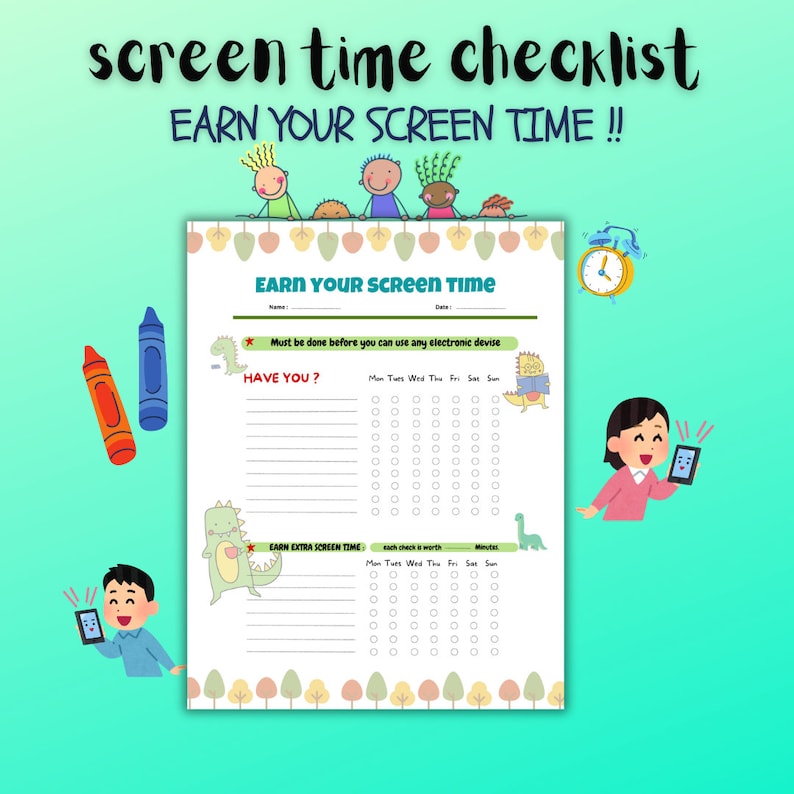
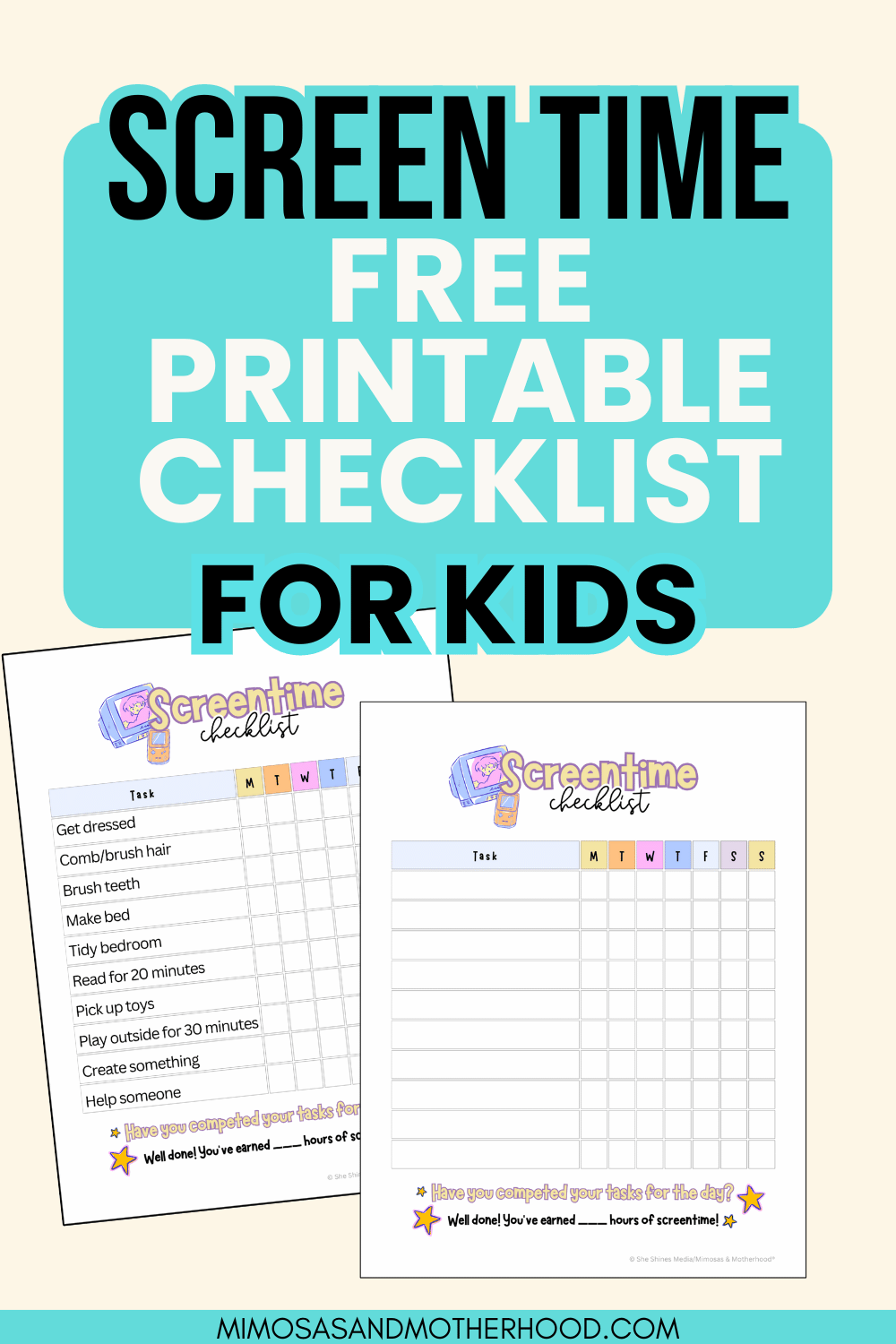
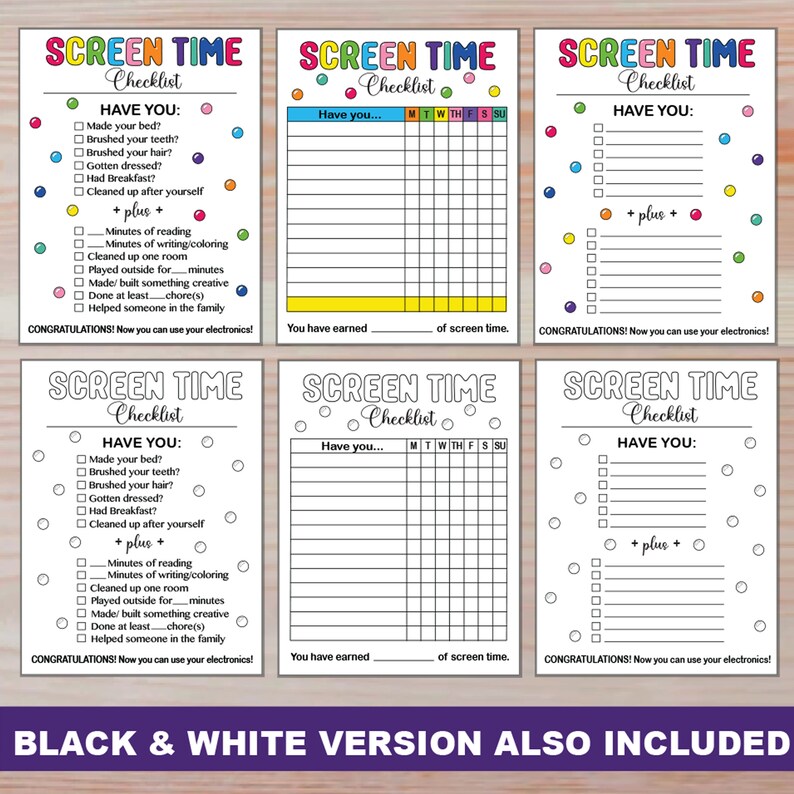
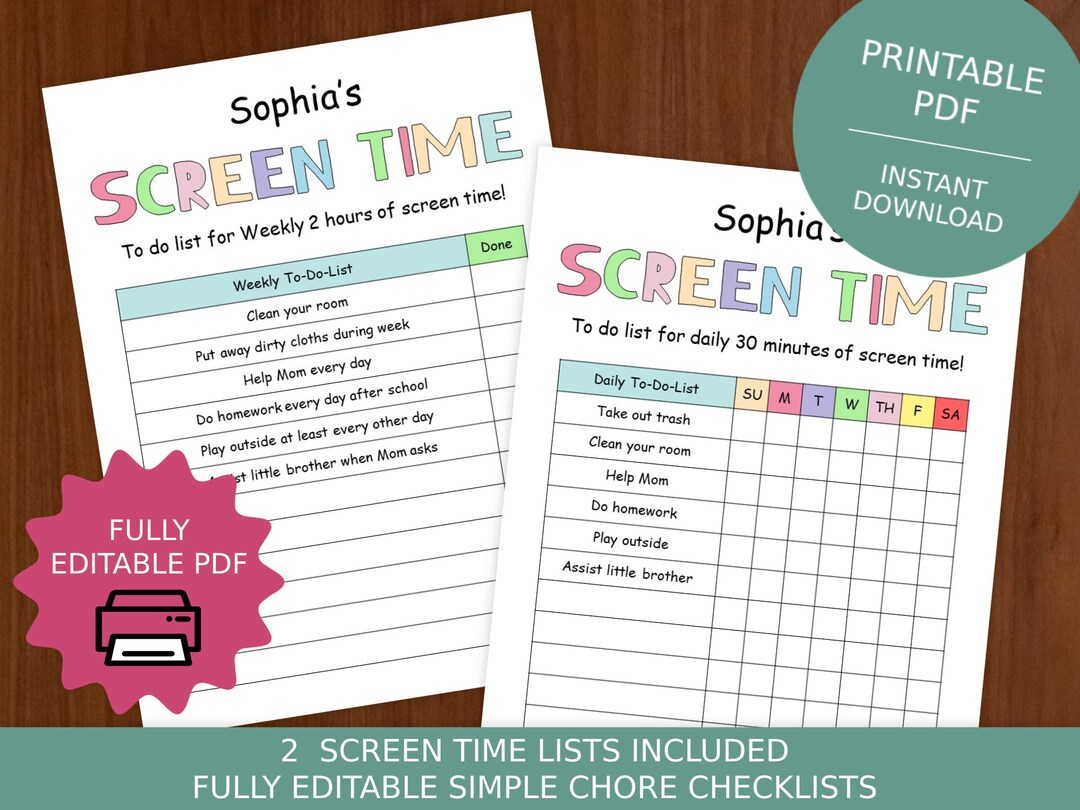
The “screen time checklist for grade 1” is designed for ease of use in both classroom and home environments. Its format typically includes simple checkboxes, opportunities for drawing, and clear, concise statements that students can review. Instructions are straightforward, scaffolding learning progressively to ensure comprehension for young learners. The worksheet can function as a standalone activity, providing a focused discussion point on screen time. It integrates seamlessly into a broader lesson plan on digital citizenship, offering a practical application of theoretical concepts. Furthermore, it serves effectively as a homework assignment, encouraging family discussions and consistent reinforcement of healthy digital habits outside of the school setting. Its adaptable nature makes it a valuable asset for diverse educational contexts.
Practical Tips for Parents and Teachers
- Engage in Discussion: Before and after completion, initiate conversations about each item on the checklist. Ask questions like, “Why is it important to take breaks from screens?” or “What are some fun things to do instead of watching TV?”
- Model Healthy Habits: Adults demonstrate responsible screen use by setting their own boundaries, engaging in non-digital activities, and discussing their own digital habits openly. Children often learn best through observation.
- Create a Family Media Plan: Utilize the checklist as a starting point for developing a personalized family media plan. This formalizes expectations for screen time, device usage, and online interactions for all family members.
- Integrate into Routine: Incorporate the checklist into daily or weekly routines. Regularly reviewing the checklist can help solidify healthy habits and make responsible screen time a natural part of a child’s day.
- Celebrate Progress: Acknowledge and praise efforts to follow the checklist. Positive reinforcement encourages continued adherence to healthy screen time practices and builds confidence in digital self-management.
Age-Appropriate Recommendations
While specifically designed for Grade 1, the principles of the “screen time checklist for grade 1” can be adapted for slightly different age bands, ensuring broad applicability. For children aged 5-6 (late preschool to early kindergarten), extensive adult involvement is recommended. An adult should read each item aloud, guiding the child through discussions and assisting with checking boxes or drawing. The focus for this age group should be on understanding simple rules like asking permission and balancing activities. For the target age group of 6-7 (Grade 1), students can typically complete much of the checklist with minimal supervision, reading the prompts themselves. Vocabulary support may be needed for specific terms, and activity pacing should allow for thoughtful consideration of each item. This age group benefits from peer discussions after completion. For children aged 7-8 (Grade 2), the checklist can serve as a self-assessment tool. Students can complete it independently, reflecting on their own habits. Follow-up discussions can explore challenges in meeting checklist goals and strategies for improvement, fostering greater autonomy in managing screen time.
Frequently Asked Questions
Q: What is the primary purpose of the “screen time checklist for grade 1”?A: The checklist aims to teach young children about balanced screen time, encourage diverse non-screen activities, and instill basic internet safety habits, such as asking for permission before using devices. It supports the development of responsible digital citizenship from an early age.
Q: How can this resource be integrated into existing lesson plans or home routines?A: The checklist serves as an excellent discussion starter for digital citizenship lessons, a quick classroom activity, or a homework assignment that promotes family engagement in screen time management. Its versatility allows for seamless integration into various educational and home settings.
Q: Where can the “screen time checklist for grade 1” be downloaded for free?A: This valuable educational resource, along with many others, is available for free download directly from the SafeWiredSchools.org website. Navigate to the “Worksheets” section to access and print the checklist readily.
Explore More Free Printable Worksheets
A single worksheet, while valuable, gains immense power when integrated into a consistent digital safety learning routine. The “screen time checklist for grade 1” functions optimally as part of a comprehensive suite of educational resources. Educators and parents are encouraged to explore a full collection of free printable internet safety worksheets, activity sheets, checklists, quizzes, and more at SafeWiredSchools.org Worksheets. This extensive library covers every essential internet safety topic, meticulously designed for every grade level and diverse learning environments, ensuring a continuous and progressive education in digital responsibility.
Developmental Milestone & Activity Table
| Development Stage | Recommended Daily Duration | Primary Learning Objective |
|---|---|---|
| Preschool & Pre-K | 10 – 15 Minutes | Pencil grip development & basic pre-stroke lines |
| Kindergarten | 15 – 20 Minutes | Letter/number formation & spatial line awareness |
| Early Elementary (Grade 1–2) | 20 – 30 Minutes | Fluency, sentence construction & neatness |
Images References