Introduction
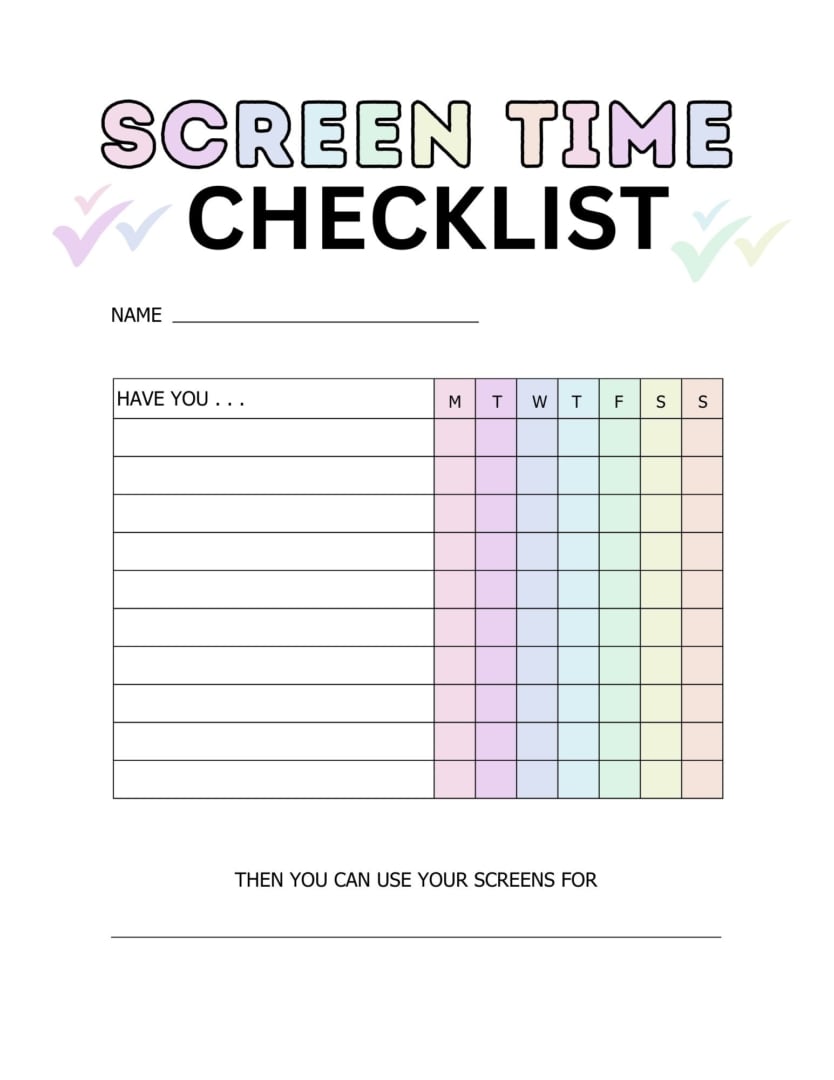
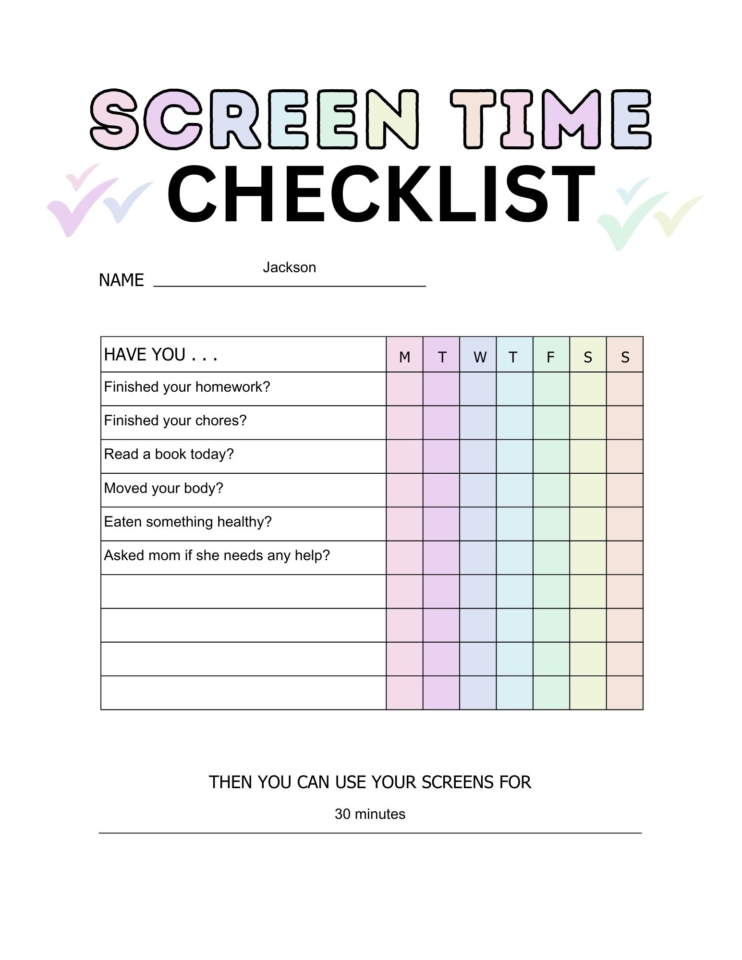
The establishment of healthy digital routines represents a cornerstone of modern education. For students navigating an increasingly connected world, developing responsible screen time habits is paramount. The free printable resource, “screen time habits checklist for students,” offers a practical and engaging tool for fostering these essential skills. This worksheet is particularly relevant for Elementary grades (3-5) and Middle School grades (6-8), providing a structured approach for students to assess and manage their digital engagement. Printable worksheets are long-standing, trusted educational instruments, valued by educators and parents for their tangible nature and direct engagement. They provide a hands-on learning experience that reinforces complex concepts through active participation, moving beyond passive information consumption. This specific checklist serves as a foundational component in building digital awareness and promoting responsible online behavior, transforming abstract ideas into concrete actions. Its design encourages self-reflection and personal accountability, vital traits for effective digital citizenship.
💡 Educational Key Takeaways:
- Core Skill: Structured Screen Time Habits Checklist For Students focused on developing pencil grip, stroke control, and early literacy/math confidence.
- Target Scope: Suited for homeschoolers, preschool, kindergarten, and elementary learners.
- Best Recommendation: Practice 10–15 minutes daily with ergonomic writing tools to reinforce muscle memory without hand fatigue.
What This Worksheet Covers
The “screen time habits checklist for students” directly addresses the critical internet safety topic of digital wellness and mindful screen usage. It guides students through an assessment of their daily screen interactions across various devices and platforms. The worksheet covers fundamental concepts such as identifying different types of screen activities, recognizing the duration of engagement, and understanding the context of their digital experiences. Key areas explored include distinguishing between productive and recreational screen time, acknowledging the importance of breaks, and recognizing the value of offline activities. This resource prompts students to consider the impact of screen time on their sleep, physical activity, and social interactions. The content aligns with recognized digital citizenship and child safety education standards, which advocate for balanced media consumption, self-regulation, and the development of healthy digital boundaries. Its accessible format encourages a proactive approach to managing personal technology use.
Key Learning Outcomes
Completion of the “screen time habits checklist for students” facilitates several important developmental and educational milestones related to digital safety. Browse more guides on Safe Wired Schools.
- Enhanced Self-Awareness of Screen Usage: Students develop a clearer understanding of their own daily screen time patterns and habits.
- Identification of Healthy Digital Boundaries: Learners gain the ability to recognize appropriate limits for screen engagement across different activities.
- Development of Personal Screen Time Goals: Students are empowered to set realistic and achievable goals for balancing online and offline activities.
- Understanding the Impact on Well-being: The resource helps students connect their screen time choices with broader aspects of their physical, mental, and social health.
- Promotion of Mindful Technology Use: Children learn to approach technology with intention and purpose, rather than defaulting to passive consumption.
How to Use This Worksheet
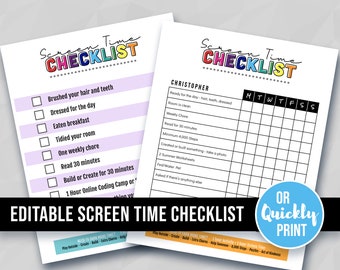
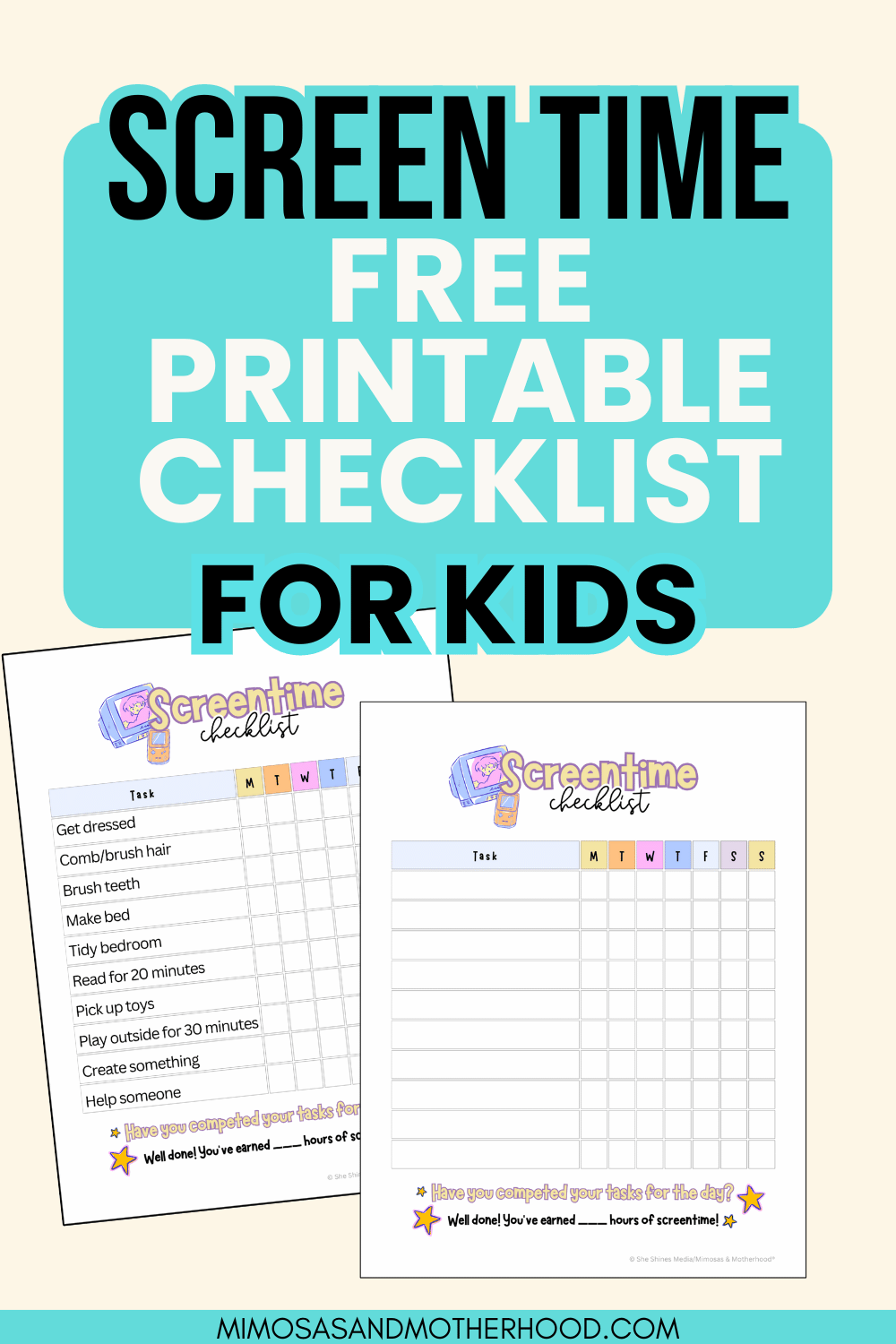
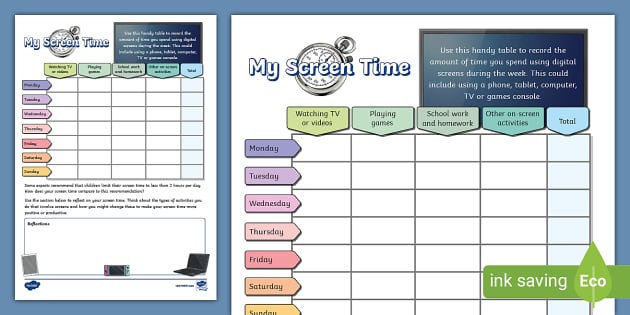
The “screen time habits checklist for students” is designed for versatile application in both educational and home environments. Its format typically includes reflective questions, self-assessment scales, and simple tracking elements, allowing students to record and evaluate their screen time behaviors. The difficulty level is adaptable, with clear instructions scaffolding learning progressively for a range of ages. It functions effectively as a standalone activity, prompting individual thought and self-evaluation. Within a classroom setting, the checklist can be integrated into a broader lesson plan on digital citizenship or health education, serving as a discussion starter or a pre-assessment tool. For home use, it provides a structured framework for family conversations about technology use, encouraging collaborative goal-setting. The worksheet’s design encourages honesty and self-reflection, making it a valuable instrument for fostering personal responsibility in managing digital habits.
Practical Tips for Parents and Teachers
Maximizing the educational impact of the “screen time habits checklist for students” involves thoughtful preparation and engagement.
- Introduce with Context: Before distribution, explain the purpose of the checklist, emphasizing self-awareness and improvement rather than judgment. Discuss why balanced screen time is important for overall well-being.
- Facilitate Open Discussion: After students complete the checklist, initiate a group or family discussion. Encourage sharing insights and challenges in a supportive environment, focusing on solutions and strategies.
- Model Healthy Habits: Adults can demonstrate responsible screen time practices themselves, showing how personal boundaries and balanced activities are maintained. This provides a tangible example for students.
- Set Collaborative Goals: Work with students to identify one or two realistic screen time goals based on their checklist responses. Make these goals specific, measurable, achievable, relevant, and time-bound (SMART).
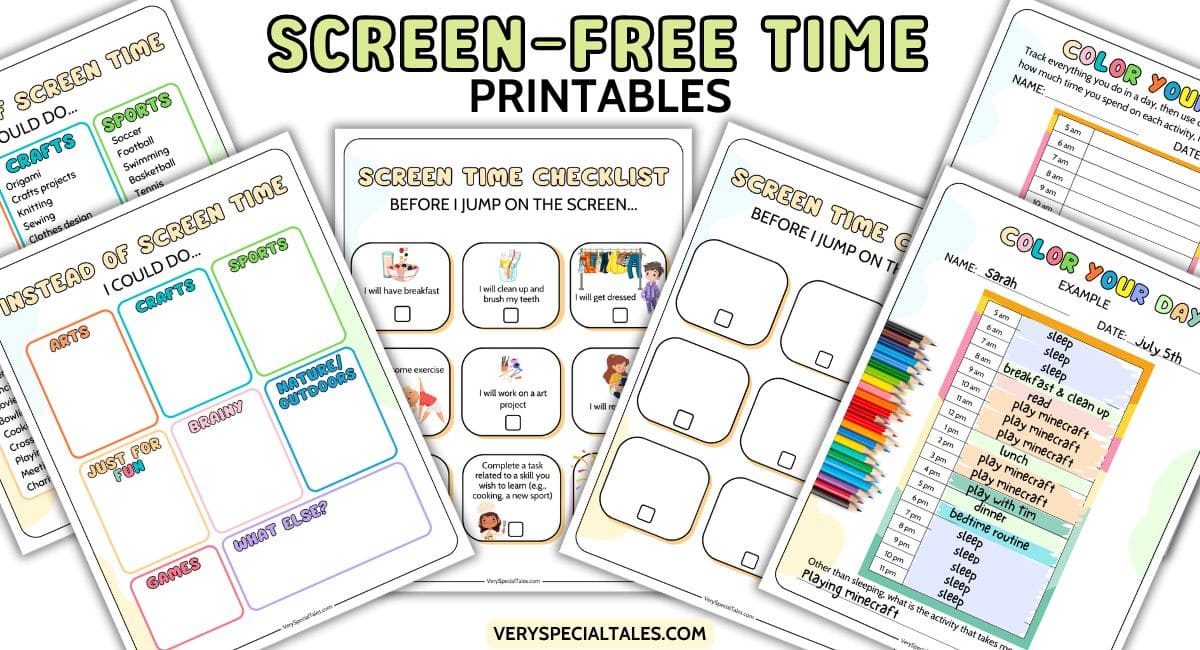
- Extend the Learning: Connect the checklist activity to real-world scenarios. Explore alternatives to screen time, such as outdoor play, reading, creative arts, or spending time with family and friends, reinforcing the value of varied activities.
Age-Appropriate Recommendations
Effective utilization of the “screen time habits checklist for students” requires tailoring the approach to different age groups within the 5-18 range. For Ages 6-10 (Early Elementary), the focus should be on basic awareness. Vocabulary support will be essential; simplify terms and provide clear examples of different screen activities. Activity pacing should be shorter, perhaps focusing on just one or two aspects of the checklist at a time. Parental or teacher involvement will be high, guiding students through each question and assisting with interpretation. Discussions should revolve around immediate feelings and simple rules. For Ages 11-14 (Middle School), students can engage with more nuanced concepts. Encourage independent completion of the checklist, followed by structured reflection and peer discussions. Vocabulary can be more sophisticated, and conversations can delve into the reasons behind habits and potential impacts on social life or academic performance. Teacher or parent involvement shifts to facilitation and guidance in setting personal goals. For Ages 15-18 (High School), the checklist serves as a tool for deeper self-analysis and the development of self-regulation strategies. Students are capable of more complex critical thinking, evaluating long-term effects, and designing comprehensive digital wellness plans. Adult involvement becomes more consultative, offering resources and support for self-directed habit formation and problem-solving.
Frequently Asked Questions
Q: How can the “screen time habits checklist for students” be accessed? A: This valuable resource is available for free download directly from the SafeWiredSchools.org website. Navigate to the “Worksheets” section to find and print the checklist at no cost, ensuring easy access for all educators and parents.
Q: Is this checklist suitable for all students, including those with special learning needs? A: The checklist’s straightforward format can be adapted for diverse learners. Educators and parents may provide additional verbal prompts, visual aids, or one-on-one support to ensure comprehension and meaningful engagement for students with varied learning styles.
Q: What if a student identifies unhealthy screen time habits using the checklist? A: The checklist is a starting point for positive change. If unhealthy habits are identified, it provides an opportunity for constructive dialogue, goal-setting, and exploring alternative activities to foster a more balanced digital lifestyle.
Explore More Free Printable Worksheets
The “screen time habits checklist for students” represents a single yet significant step in a comprehensive digital safety education journey. Consistent learning routines yield the most impactful results, making individual worksheets most effective when integrated into a broader collection of resources. Educators and parents are invited to explore a full collection of free printable internet safety worksheets, activity sheets, checklists, quizzes, and more at SafeWiredSchools.org Worksheets. This extensive library covers every essential internet safety topic, meticulously designed for every grade level and learning environment, ensuring continuous support for developing digitally responsible citizens.
Developmental Milestone & Activity Table
| Development Stage | Recommended Daily Duration | Primary Learning Objective |
|---|---|---|
| Preschool & Pre-K | 10 – 15 Minutes | Pencil grip development & basic pre-stroke lines |
| Kindergarten | 15 – 20 Minutes | Letter/number formation & spatial line awareness |
| Early Elementary (Grade 1–2) | 20 – 30 Minutes | Fluency, sentence construction & neatness |
Images References