Introduction
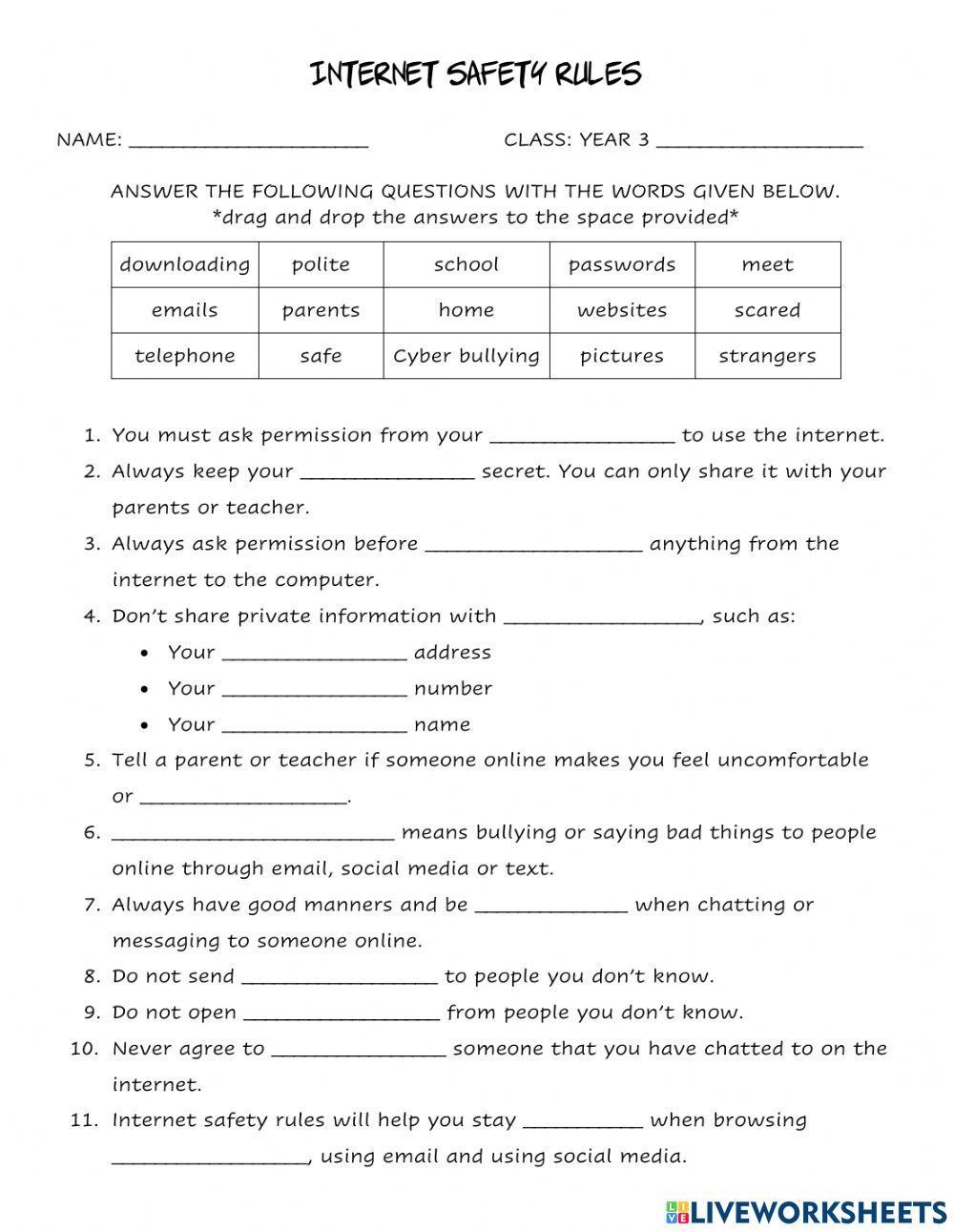
Educating children about internet safety begins with foundational understanding, often best achieved through tangible, interactive resources. The “cyberbullying worksheet for grade 3″ represents a critical tool in this effort, specifically tailored for elementary school learners. This resource reinforces essential internet safety concepts through hands-on, printable learning, making complex topics accessible for young minds. Printable worksheets consistently prove their value as trusted educational instruments for both educators and parents. They provide a structured approach to building digital awareness and fostering responsible online behavior from an early age. The tactile nature of these materials aids comprehension and retention, offering a practical pathway to instill crucial digital citizenship skills. This particular worksheet provides a direct, engaging method for discussing the realities of online interactions in a supportive environment.
💡 Educational Key Takeaways:
- Core Skill: Structured Cyberbullying Worksheet For Grade 3 focused on developing pencil grip, stroke control, and early literacy/math confidence.
- Target Scope: Suited for homeschoolers, preschool, kindergarten, and elementary learners.
- Best Recommendation: Practice 10–15 minutes daily with ergonomic writing tools to reinforce muscle memory without hand fatigue.
What This Worksheet Covers
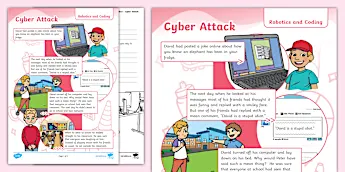
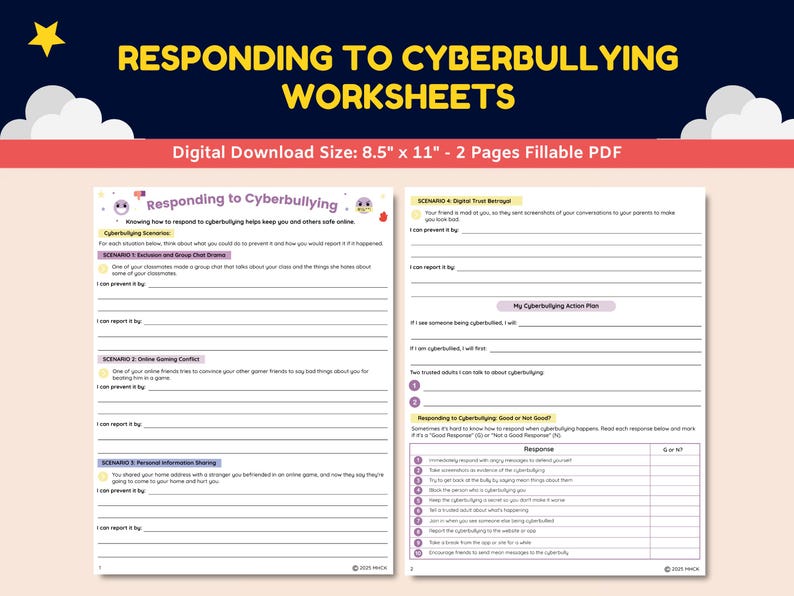
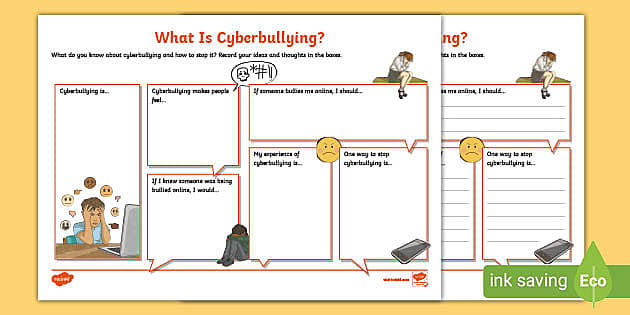
This dedicated “cyberbullying worksheet for grade 3″ addresses the vital internet safety topic of online harassment and unkindness. It carefully introduces concepts such as identifying what cyberbullying looks like, understanding the emotional impact on individuals, and learning appropriate responses. Scenarios presented within the worksheet guide young learners to recognize situations where someone might be experiencing or perpetrating cyberbullying. A core focus involves teaching the critical skill of reporting such incidents to a trusted adult, emphasizing that no child should face online negativity alone. The content of this worksheet directly aligns with recognized digital citizenship and child safety education standards, promoting respect, empathy, and responsibility in digital environments. It equips students with the knowledge to be upstanders rather than bystanders when encountering online unkindness.
Key Learning Outcomes
Completing this worksheet helps students develop several important skills and knowledge areas related to digital safety:
- Ability to define cyberbullying in simple, age-appropriate terms.
- Recognition of various forms of online unkindness, including hurtful messages or exclusion.
- Understanding the importance of seeking help from a trusted adult when encountering cyberbullying.
- Development of empathy for individuals who experience negative online interactions.
- Identification of safe and respectful behaviors for personal online engagement.
How to Use This Worksheet
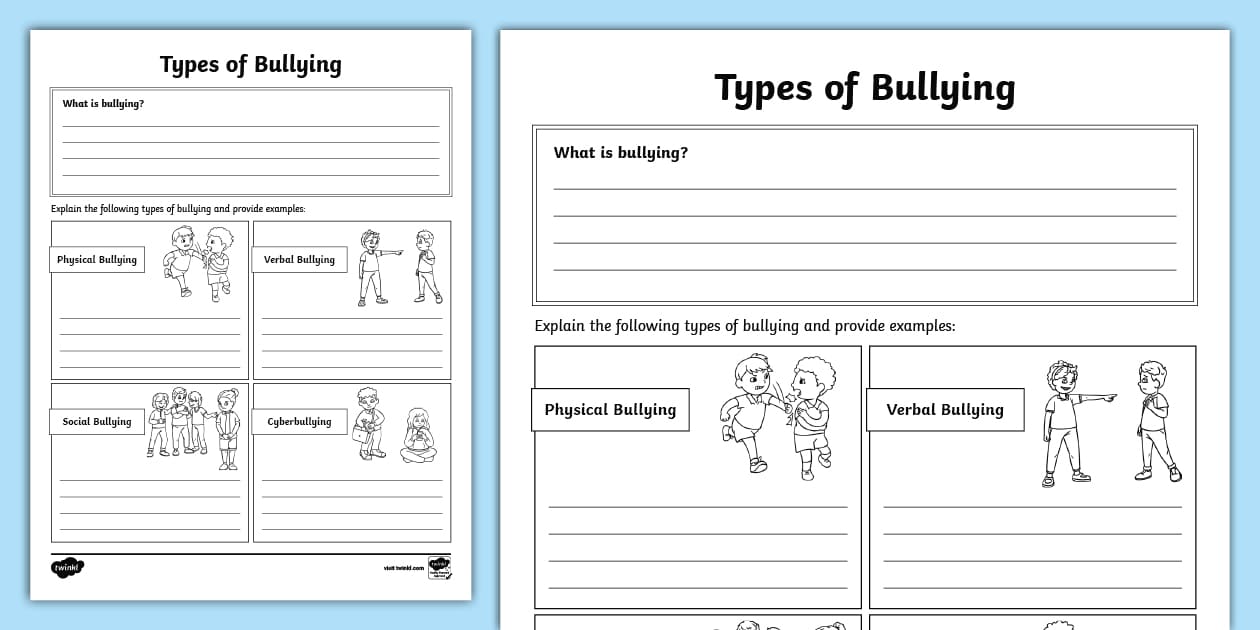
Educators and parents can effectively integrate the “cyberbullying worksheet for grade 3” into their internet safety curriculum or home learning routines. The worksheet typically features a blend of engaging activity types, designed to cater to diverse learning styles. These might include simple fill-in-the-blank questions, matching exercises, true or false statements, short scenario analysis, or opportunities for drawing and reflection. Its difficulty level is perfectly pitched for third graders, offering a challenging yet achievable learning experience. Instructions are clear and often scaffolded, progressively guiding learners through the concepts. This resource functions excellently as a standalone activity to initiate discussions on cyberbullying, serves as a valuable component within a broader internet safety lesson plan, or can be assigned as a thought-provoking homework exercise to extend learning beyond the classroom or dedicated safety session. Browse more guides on Safe Wired Schools.
Practical Tips for Parents and Teachers
- Review Content First: Before presenting the worksheet, thoroughly review its content to anticipate potential questions and prepare discussion points. This ensures a smooth and informed facilitation.
- Create a Safe Space: Encourage an open and non-judgmental environment where children feel comfortable sharing their thoughts and asking questions about sensitive topics. Emphasize that all feelings are valid.
- Discuss Scenarios Actively: Rather than simply having children complete tasks, engage them in conversations about the scenarios presented. Ask “What would you do?” or “How might this make someone feel?” to foster critical thinking and empathy.
- Reinforce Trusted Adults: Clearly identify who trusted adults are in the child’s life (parents, teachers, guardians, school counselors) and reiterate the importance of talking to them about any online concerns.
- Extend the Learning: Follow up the worksheet activity with related discussions, role-playing scenarios, or by creating a family internet safety pledge. Consistent reinforcement helps solidify the lessons learned.
Age-Appropriate Recommendations
The “cyberbullying worksheet for grade 3” is specifically designed for children typically aged 8-9 years old, making it an ideal resource for this elementary age group. For these learners, the approach should be highly interactive and discussion-based. Adults should be prepared to read instructions aloud and clarify any unfamiliar vocabulary, such as “cyberbullying” itself, “upstander,” or “digital footprint.” Activity pacing should allow ample time for reflection and open dialogue, ensuring children fully grasp the concepts rather than rushing through the tasks. Initial adult guidance will likely be high, gradually encouraging more independent thought and decision-making as children become more confident. For slightly younger elementary learners (Grades 1-2), the worksheet’s concepts could be introduced through simpler stories or direct conversations, focusing on general kindness online before tackling specific cyberbullying definitions. For older elementary students (Grades 4-5), the worksheet can serve as a strong foundation, allowing for deeper discussions about consequences, legal aspects, and the role of peer support.
Frequently Asked Questions
Q: What is cyberbullying and why is it important for Grade 3 students to learn about it?
A: Cyberbullying involves using digital technology to repeatedly and intentionally harm another person. Learning about it at Grade 3 helps young children identify unkind online behaviors, understand their impact, and know how to seek help, establishing crucial safety habits early.
Q: How can this “cyberbullying worksheet for grade 3” be accessed?
A: This free printable resource is available for direct download from the SafeWiredSchools.org website. Simply navigate to the worksheets section, locate the specific resource, and print it for immediate use.
Q: Is this worksheet suitable for home learning or just classrooms?
A: The worksheet is highly versatile and effective for both classroom and home learning environments. Its clear instructions and engaging activities make it suitable for independent work with adult supervision, fostering valuable discussions in either setting.
Explore More Free Printable Worksheets
A single worksheet, while valuable, functions best as part of a comprehensive and consistent digital safety learning routine. SafeWiredSchools.org offers a broad collection of free printable internet safety worksheets, activity sheets, checklists, quizzes, and more. These resources cover every essential internet safety topic, from online privacy and stranger danger to digital citizenship and media literacy. Each resource is thoughtfully designed for various grade levels and diverse learning environments, ensuring a continuous and progressive educational journey. Educators and parents are encouraged to explore the full collection and integrate these tools into ongoing digital safety education efforts at SafeWiredSchools.org Worksheets.
Developmental Milestone & Activity Table
| Development Stage | Recommended Daily Duration | Primary Learning Objective |
|---|---|---|
| Preschool & Pre-K | 10 – 15 Minutes | Pencil grip development & basic pre-stroke lines |
| Kindergarten | 15 – 20 Minutes | Letter/number formation & spatial line awareness |
| Early Elementary (Grade 1–2) | 20 – 30 Minutes | Fluency, sentence construction & neatness |
Images References