Introduction
Effective management of digital devices during academic tasks is a critical skill for young learners navigating today’s technology-rich environments. The “screen time during homework checklist for kids” is an invaluable educational resource designed primarily for Elementary grades 3-5 and Middle School grades 6-8, offering a structured approach to fostering responsible digital habits. This free printable worksheet directly addresses the common challenge of balancing educational screen use with potential distractions. The resource’s relevance lies in its ability to empower children with self-regulation strategies, transforming abstract concepts of digital responsibility into tangible, actionable steps. Printable worksheets, trusted tools by educators and parents for generations, remain foundational in building digital awareness and promoting responsible online behavior. Their hands-on nature provides a focused, low-tech method for reinforcing vital internet safety principles, allowing for active engagement and deeper comprehension away from screens. This particular checklist serves as a practical guide for developing the discipline necessary for academic success in a digitally connected world.
💡 Educational Key Takeaways:
- Core Skill: Structured Screen Time During Homework Checklist For Kids focused on developing pencil grip, stroke control, and early literacy/math confidence.
- Target Scope: Suited for homeschoolers, preschool, kindergarten, and elementary learners.
- Best Recommendation: Practice 10–15 minutes daily with ergonomic writing tools to reinforce muscle memory without hand fatigue.
What This Worksheet Covers
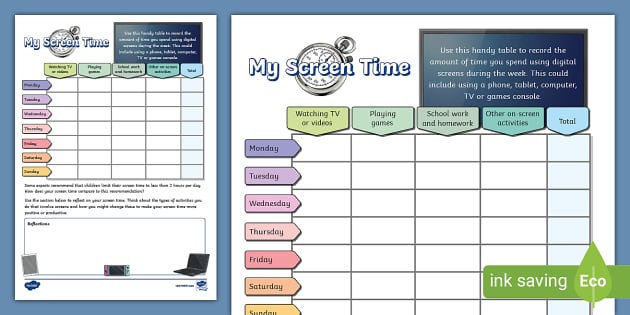
The “screen time during homework checklist for kids” specifically addresses the internet safety topic of responsible digital device usage and self-management during academic periods. This resource focuses on developing critical executive function skills alongside digital citizenship principles. It covers concepts such as identifying digital distractions, prioritizing academic tasks over recreational screen time, establishing personal boundaries for device use, and understanding the importance of focused attention for learning. The worksheet encourages children to actively reflect on their current screen time habits during homework and helps them formulate a personal plan for improvement. Content within the checklist directly connects to recognized digital citizenship education standards, emphasizing responsible online behavior, digital wellness, and the cultivation of healthy habits that extend beyond the screen. The structured prompts guide children through a process of self-assessment and goal-setting, making abstract concepts of time management and focus concrete and actionable.
Key Learning Outcomes
By completing the “screen time during homework checklist for kids,” students and children will develop several essential skills and knowledge areas:. Browse more guides on Safe Wired Schools.
- Ability to identify common screen-related distractions encountered during homework and study sessions.
- Skill in creating a personalized plan for managing screen time effectively, ensuring academic tasks receive priority.
- Understanding the direct link between focused attention, reduced digital distractions, and improved academic performance.
- Development of self-regulation strategies and personal rules for responsible digital device use during dedicated study periods.
- Increased awareness of healthy digital habits that contribute to overall well-being and academic success.
How to Use This Worksheet
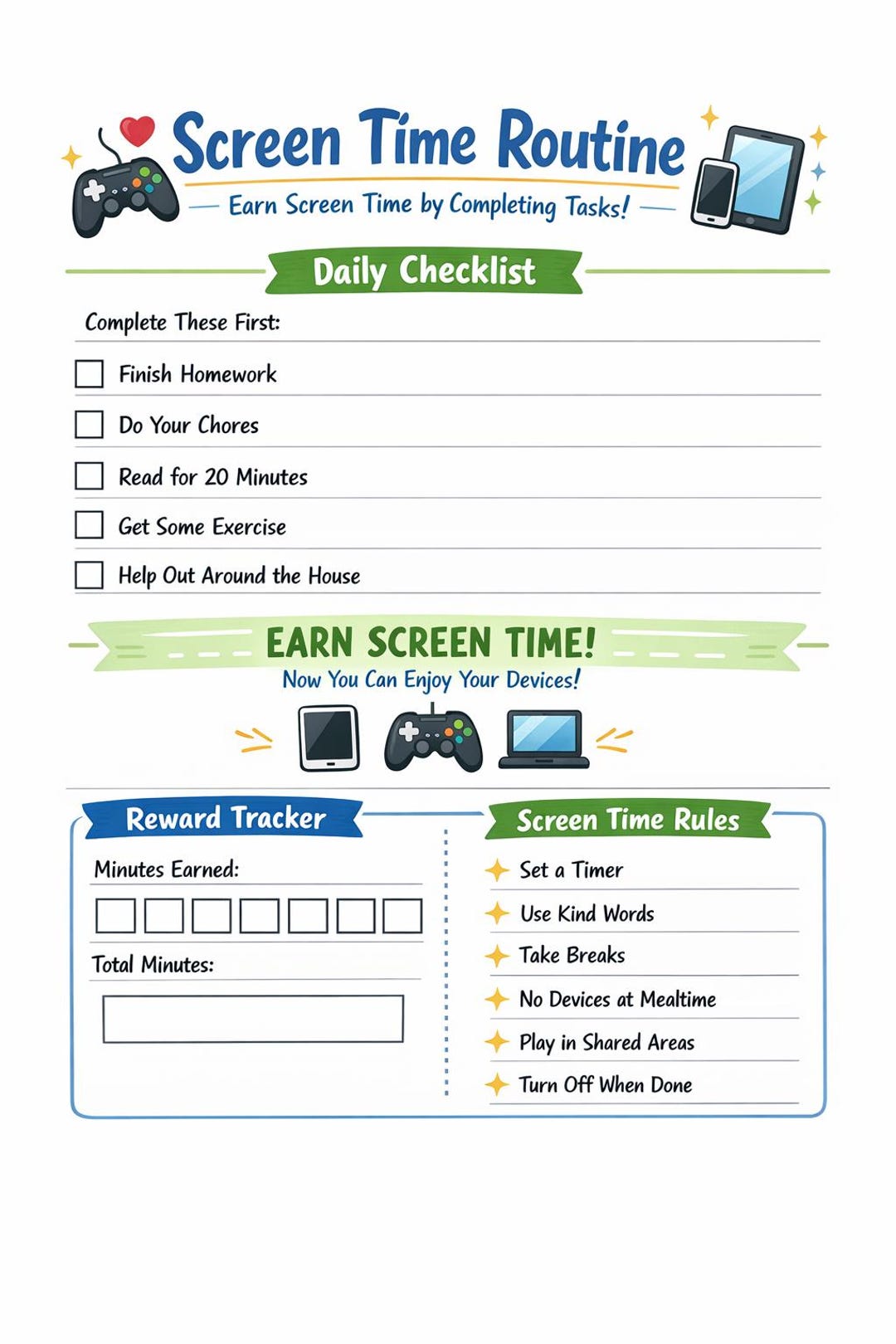
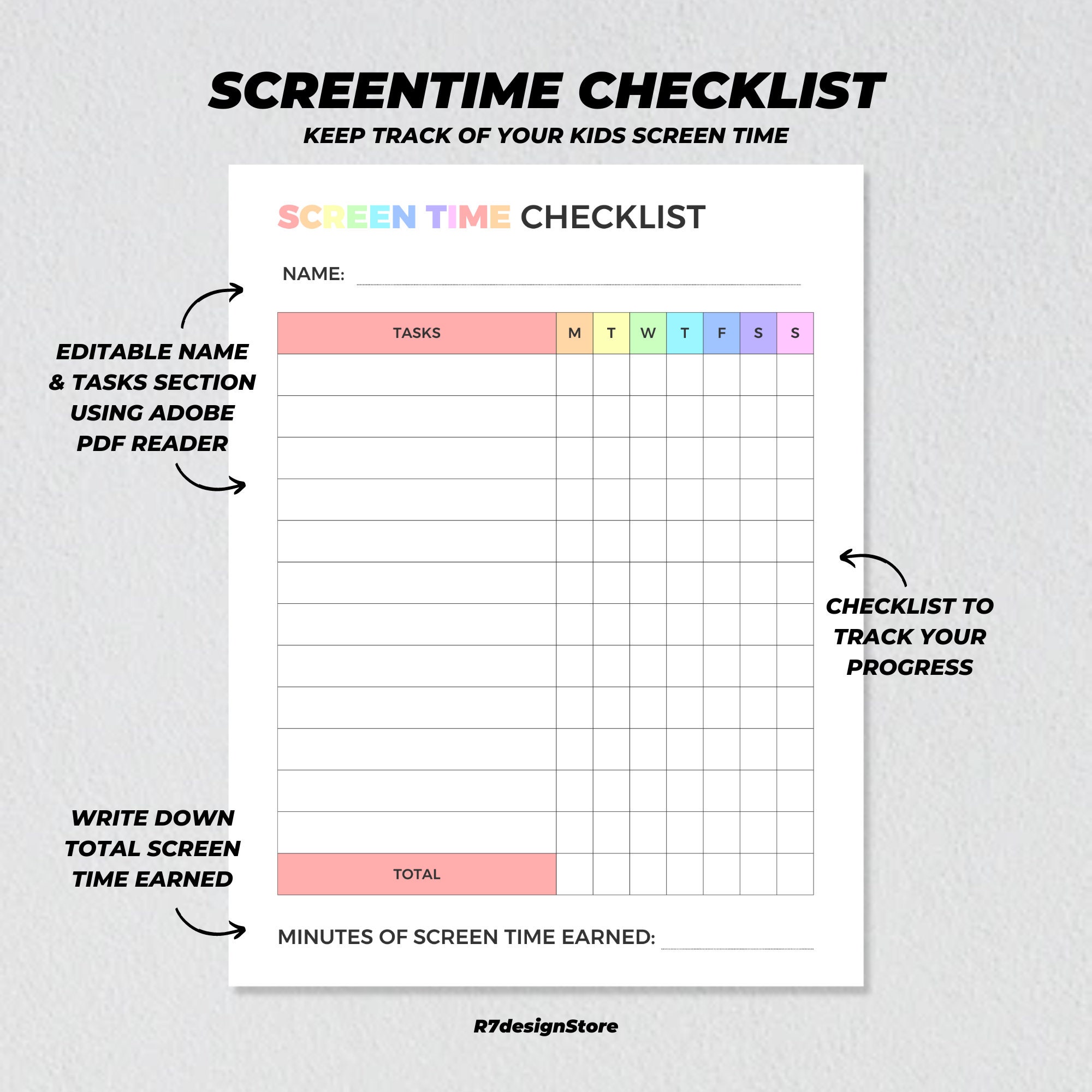
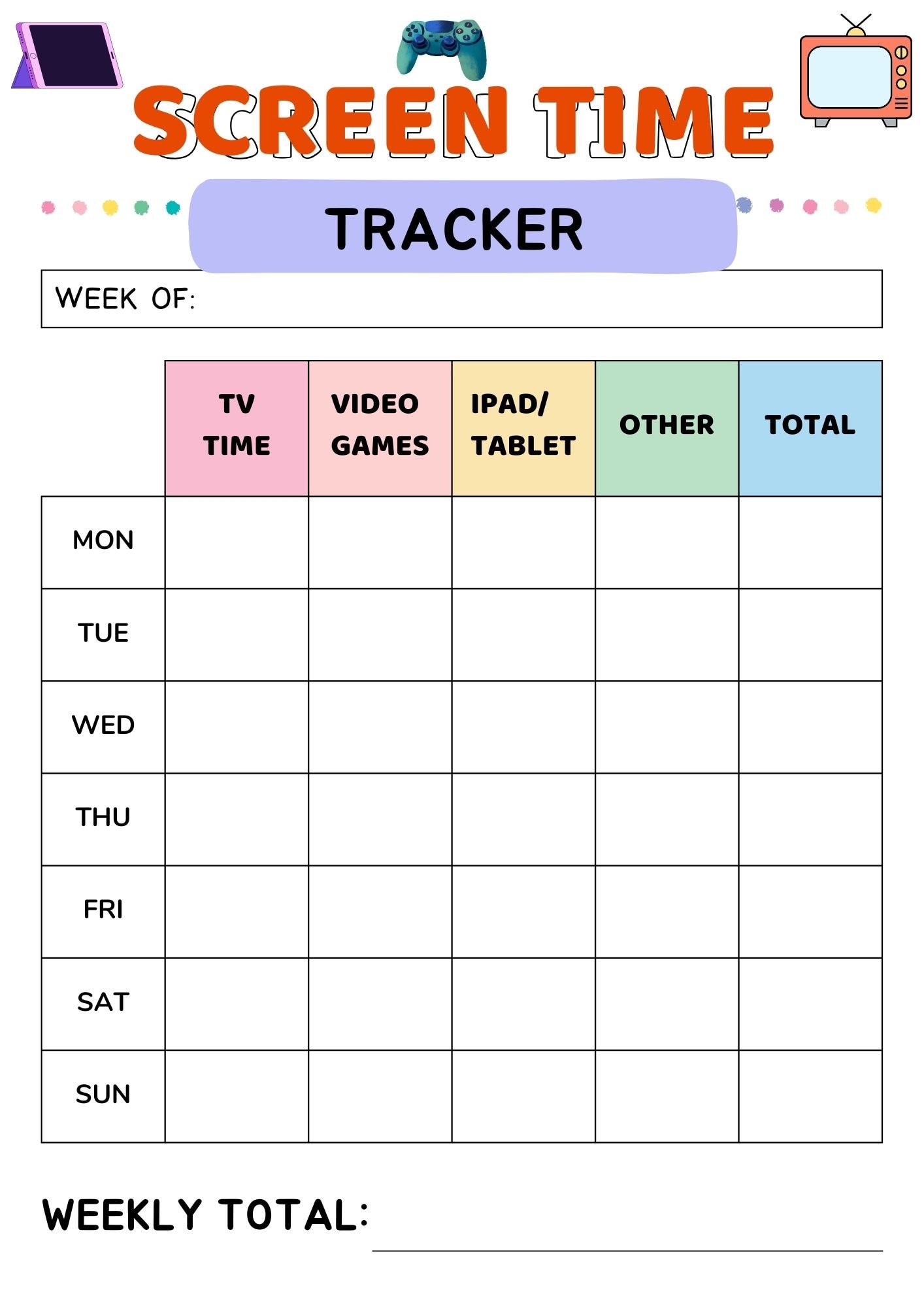
The “screen time during homework checklist for kids” is designed for straightforward implementation in both classroom and home settings. This worksheet typically features a combination of activity types, including checkboxes for self-assessment, fill-in-the-blank sections for goal setting, and simple reflection prompts that encourage critical thinking about digital habits. The difficulty level is appropriate for elementary and middle school students, with instructions that scaffold learning progressively through clear, concise language. Educators can integrate this worksheet as part of a digital citizenship lesson plan, a study skills workshop, or as a take-home assignment to foster collaboration between school and family. At home, parents can introduce the checklist during a dedicated family discussion about digital responsibilities. Its format allows for use as a standalone activity to initiate conversations about screen time boundaries or as a recurring tool to track progress in managing digital distractions. The tangible nature of the printable encourages active engagement, moving beyond passive consumption of information to active participation in habit formation.
Practical Tips for Parents and Teachers
- Initiate a Discussion: Before introducing the checklist, engage children in an open conversation about current screen time habits during homework. Discuss the benefits of focused work and the challenges distractions present, setting a positive and understanding tone.
- Model Good Behavior: Demonstrate responsible screen time management during personal work. Children often learn by observing, so showing a commitment to focused work without digital interruptions reinforces the checklist’s principles.
- Create a Dedicated Space: Collaborate with children to establish a quiet, distraction-free study area. This physical boundary helps reinforce the mental boundaries encouraged by the checklist, minimizing the temptation of nearby devices.
- Review and Reflect Together: After completion, review the checklist responses with the child. Discuss their choices, offer encouragement for areas of strength, and brainstorm solutions for challenges identified, turning it into a collaborative problem-solving exercise.
- Revisit Regularly: Digital habits evolve. Encourage periodic revisiting of the checklist (e.g., monthly) to assess progress, adjust strategies, and reinforce the ongoing commitment to healthy screen time management during academic endeavors.
Age-Appropriate Recommendations
Implementing the “screen time during homework checklist for kids” effectively requires tailoring the approach to the child’s developmental stage. For Ages 8-11 (Elementary School), a higher level of parental or teacher involvement is recommended. Vocabulary support may be necessary to ensure full comprehension of terms like “distraction” or “prioritize.” Activity pacing should be moderate, allowing ample time for discussion and reflection on each item. Focus should be on identifying simple distractions and establishing clear, easy-to-follow rules, such as “phone put away until homework is done.” For Ages 12-14 (Middle School), students can engage with the checklist with greater independence. The focus shifts to self-reflection, understanding the academic impact of screen time choices, and developing more sophisticated planning skills. Discussions can delve into the long-term benefits of self-discipline and digital wellness. The checklist can serve as a personal accountability tool, empowering young adolescents to take ownership of their study habits and digital environment. Adaptations might include more open-ended reflection questions, encouraging them to think about specific strategies for overcoming personal digital temptations.
Frequently Asked Questions
Q: What age range is this checklist most suitable for?A: The “screen time during homework checklist for kids” is primarily designed for Elementary grades 3-5 (ages 8-11) and Middle School grades 6-8 (ages 12-14), providing age-appropriate guidance for managing digital distractions during study time.
Q: How does this checklist support digital citizenship education?A: This checklist reinforces digital citizenship by teaching children responsible digital device use, promoting self-regulation, and encouraging a mindful approach to technology that prioritizes academic responsibilities and overall digital wellness.
Q: Where can “screen time during homework checklist for kids” be downloaded for free?A: The “screen time during homework checklist for kids” is available for free download directly from SafeWiredSchools.org. Visit the website’s worksheets section to access and print this valuable resource.
Explore More Free Printable Worksheets
A single resource, while valuable, works best as part of a comprehensive and consistent digital safety learning routine. The “screen time during homework checklist for kids” is one component within a broader collection of essential educational materials. SafeWiredSchools.org offers a full collection of free printable internet safety worksheets, activity sheets, checklists, quizzes, and more. These resources cover every internet safety topic, from identifying misinformation to understanding online privacy, and are designed for every grade level and learning environment. Educators and parents are invited to explore this extensive library to continuously reinforce positive digital habits and knowledge. Building a foundation of digital literacy requires ongoing engagement, and these printables provide accessible, effective tools for achieving that goal. Visit SafeWiredSchools.org Worksheets to enhance digital safety education efforts today.
Developmental Milestone & Activity Table
| Development Stage | Recommended Daily Duration | Primary Learning Objective |
|---|---|---|
| Preschool & Pre-K | 10 – 15 Minutes | Pencil grip development & basic pre-stroke lines |
| Kindergarten | 15 – 20 Minutes | Letter/number formation & spatial line awareness |
| Early Elementary (Grade 1–2) | 20 – 30 Minutes | Fluency, sentence construction & neatness |
Images References