Introduction
The “internet safety worksheet for grade 3″ represents a vital educational tool designed for Elementary school students. This resource specifically targets learners typically aged 8-9, reinforcing essential internet safety concepts through engaging, hands-on activities. Printable worksheets have long been trusted by educators and parents alike for their effectiveness in building foundational digital awareness and promoting responsible online behavior. They offer a tangible, focused approach to complex topics, allowing young learners to process information at their own pace. The structured format of a worksheet ensures consistent exposure to key safety principles, making it an invaluable component of any digital citizenship curriculum or home learning plan. This particular resource provides a practical pathway for children to internalize critical rules for navigating the digital world safely and confidently.
💡 Educational Key Takeaways:
- Core Skill: Structured Internet Safety Worksheet For Grade 3 focused on developing pencil grip, stroke control, and early literacy/math confidence.
- Target Scope: Suited for homeschoolers, preschool, kindergarten, and elementary learners.
- Best Recommendation: Practice 10–15 minutes daily with ergonomic writing tools to reinforce muscle memory without hand fatigue.
What This Worksheet Covers
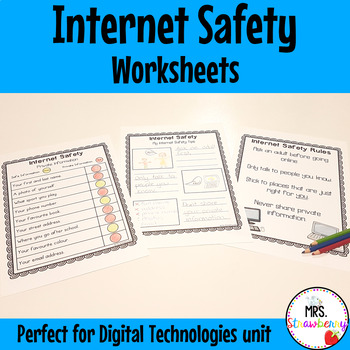
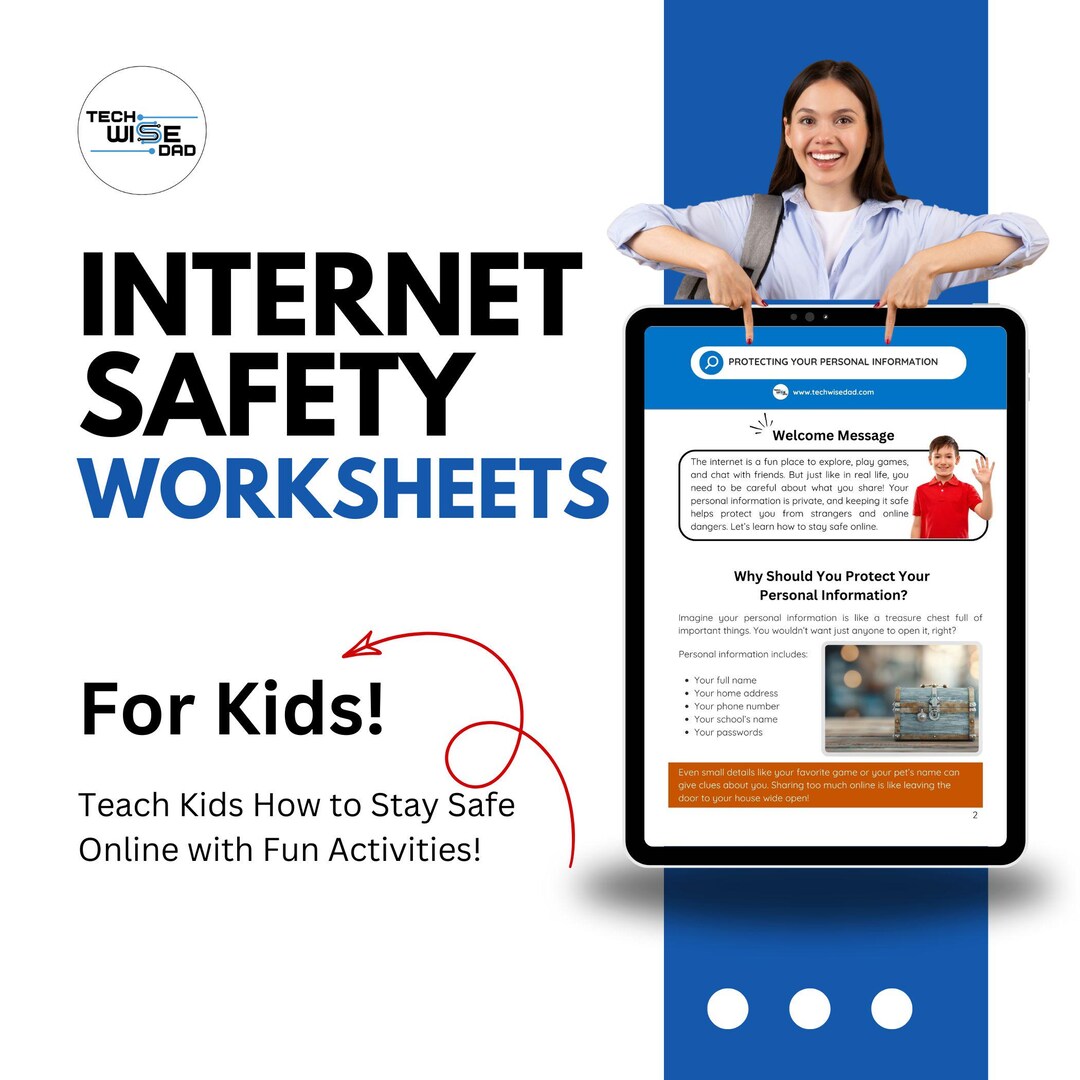
This “internet safety worksheet for grade 3″ addresses fundamental internet safety topics tailored for young elementary students. The content focuses on concepts such as identifying trusted adults for help, understanding the importance of not sharing personal information online, recognizing the difference between safe and unsafe websites, and the necessity of asking permission before downloading files or clicking links. It introduces scenarios that prompt critical thinking about online interactions, helping children discern appropriate behavior and potential risks. The worksheet aligns with foundational digital citizenship standards, emphasizing principles of privacy, safety, and responsible digital conduct. Its design helps establish a solid groundwork for more advanced internet safety discussions as children mature.
Key Learning Outcomes
Completing this resource cultivates several important skills and knowledge areas for young learners:
- Personal Information Protection: Students learn to identify what constitutes personal information and understand why it should never be shared online without adult permission.
- Trusted Adult Identification: Children develop the ability to recognize and name trusted adults (parents, teachers, guardians) who can provide assistance with online concerns.
- Permission-Seeking Habits: Learners are encouraged to always ask a trusted adult before accessing new websites, downloading content, or making online purchases.
- Safe Site Recognition: The worksheet helps students begin to differentiate between secure and potentially unsafe online environments through simple indicators.
- Responsible Online Conduct: It promotes an understanding of kindness and respect as essential components of all online interactions.
How to Use This Worksheet
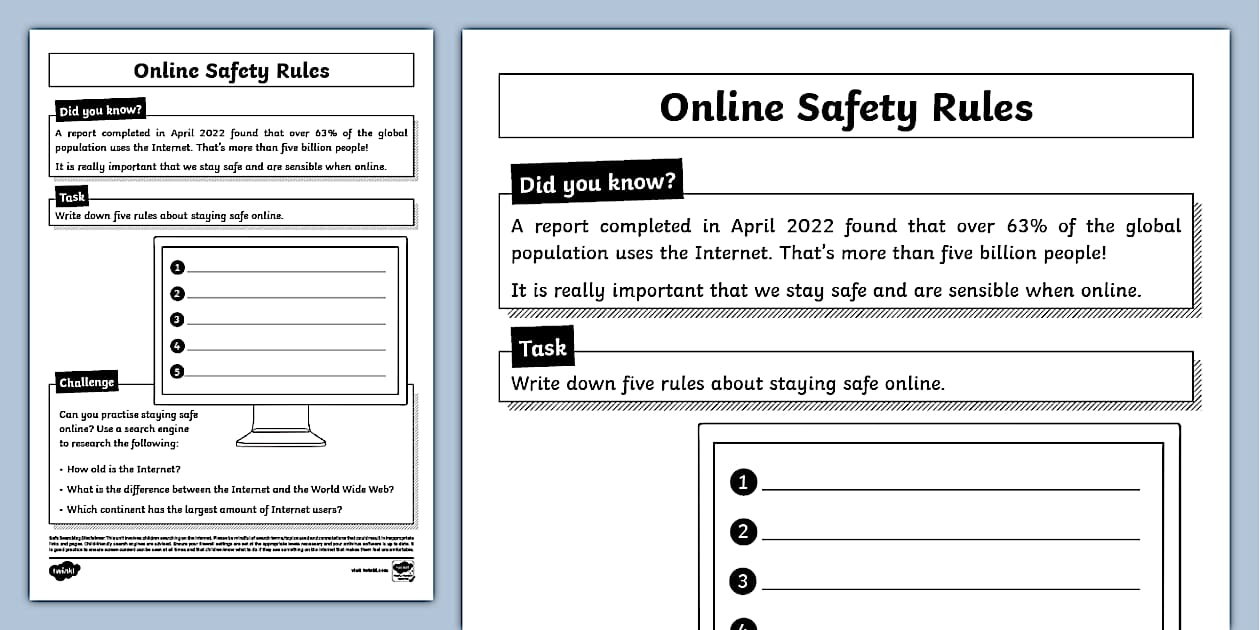
The “internet safety worksheet for grade 3” is designed for flexible implementation in both classroom and home settings. Its format incorporates a variety of activity types, including matching exercises, true or false questions, simple scenario analysis, and opportunities for drawing or short written responses. Instructions are clear and scaffold learning progressively, guiding students through each concept with appropriate support. The difficulty level is carefully calibrated for third graders, ensuring accessibility while still providing a meaningful challenge. This worksheet can serve as an effective standalone activity for a focused lesson on a specific safety topic, integrate seamlessly into a broader digital citizenship unit, or be assigned as homework to reinforce classroom learning. Its printable nature allows for repeated use and easy distribution. Browse more guides on Safe Wired Schools.
Practical Tips for Parents and Teachers
- Preparation: Review the worksheet beforehand to familiarize oneself with the topics and anticipate any questions a child might have. Ensure writing implements and a comfortable workspace are available.
- Facilitation: Offer encouragement and support without providing direct answers. Guide children to think critically about the scenarios presented, prompting them to explain their reasoning.
- Discussion Prompts: After completion, initiate a conversation about the worksheet’s themes. Ask open-ended questions like, “What was the most important thing you learned?” or “What would you do if this happened online?”
- Extend Learning: Connect the worksheet concepts to real-world examples. Discuss family rules for internet use, explore educational websites together, or create a family internet safety pledge.
- Positive Reinforcement: Celebrate effort and correct answers, focusing on the child’s growing understanding of digital safety rather than solely on accuracy.
Age-Appropriate Recommendations
The “internet safety worksheet for grade 3” is primarily tailored for children aged 8-9. For this age group, the approach should emphasize interactive discussion and clear, concise explanations of vocabulary. Activity pacing should allow ample time for reflection and questions, typically around 20-30 minutes for completion, followed by a discussion. Parental or teacher involvement is crucial, offering guidance and clarification as needed, especially for scenario-based questions. While designed for grade 3, the foundational concepts can be adapted for slightly younger or older elementary learners. For younger students (ages 6-7), a greater degree of adult assistance with reading and interpreting instructions might be necessary, focusing more on drawing and simple matching. For older students (ages 10-11) who might find the content less challenging, the worksheet can serve as a quick review or a springboard for deeper discussions on related topics, such as cyberbullying prevention or digital footprints, requiring less direct supervision but still benefiting from thoughtful engagement.
Frequently Asked Questions
Q: What specific internet safety topics are covered in the Grade 3 worksheet?
A: The worksheet covers essential topics like protecting personal information, identifying trusted adults, understanding the need for permission before online activities, and recognizing basic safe online practices. It introduces foundational digital citizenship principles.
Q: How can this worksheet be integrated into a typical classroom lesson plan?
A: This resource can be used as an introductory activity to a digital safety lesson, a mid-lesson check for understanding, or a concluding assessment. It also works effectively as a homework assignment to reinforce concepts taught in class.
Q: Where can educators and parents access or download this free printable worksheet?
A: The “internet safety worksheet for grade 3” is available for free download directly from the SafeWiredSchools.org website. Navigate to the worksheets section to find and print this valuable educational resource.
Explore More Free Printable Worksheets
A single resource, however valuable, works best as part of a comprehensive and consistent digital safety learning routine. The “internet safety worksheet for grade 3” provides a focused learning experience, yet true digital literacy is cultivated through ongoing engagement with diverse educational materials. Educators and parents are invited to explore a full collection of free printable internet safety worksheets, activity sheets, checklists, quizzes, and more at SafeWiredSchools.org Worksheets. These resources cover every essential internet safety topic and are meticulously designed for every grade level and learning environment, ensuring a robust and continuous learning pathway for all children navigating the complexities of the online world.
Developmental Milestone & Activity Table
| Development Stage | Recommended Daily Duration | Primary Learning Objective |
|---|---|---|
| Preschool & Pre-K | 10 – 15 Minutes | Pencil grip development & basic pre-stroke lines |
| Kindergarten | 15 – 20 Minutes | Letter/number formation & spatial line awareness |
| Early Elementary (Grade 1–2) | 20 – 30 Minutes | Fluency, sentence construction & neatness |
Images References