Introduction
Establishing healthy digital habits represents a critical component of modern education. For students in upper elementary, middle, and high school (grades 6-12), the concept of a formal agreement to manage digital engagement offers significant educational value. A “screen time contract printable free” resource provides a structured framework for families and educators to foster responsible online behavior. This type of printable worksheet serves as a trusted pedagogical tool, enabling tangible interaction with abstract digital citizenship concepts. Educators and parents consistently rely on printable resources for their ability to reinforce learning, provide clear guidelines, and facilitate discussions crucial for developing digital awareness. The act of physically engaging with a contract, writing down agreements, and signing them solidifies understanding and commitment in a way digital formats often cannot match. This hands-on approach builds a foundational understanding of boundaries, responsibilities, and mutual respect within the digital realm.
💡 Educational Key Takeaways:
- Core Skill: Structured Screen Time Contract Printable Free focused on developing pencil grip, stroke control, and early literacy/math confidence.
- Target Scope: Suited for homeschoolers, preschool, kindergarten, and elementary learners.
- Best Recommendation: Practice 10–15 minutes daily with ergonomic writing tools to reinforce muscle memory without hand fatigue.
What This Worksheet Covers
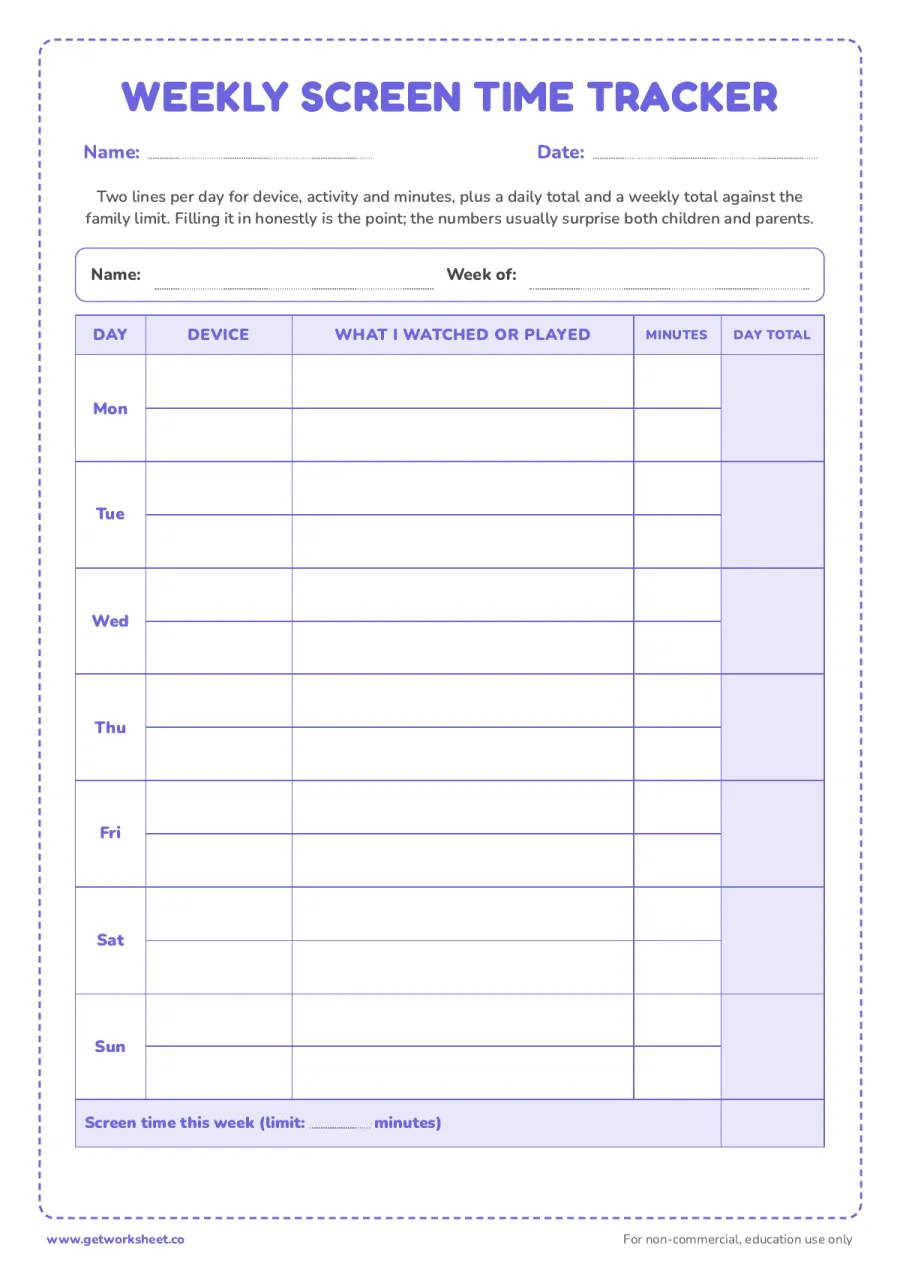
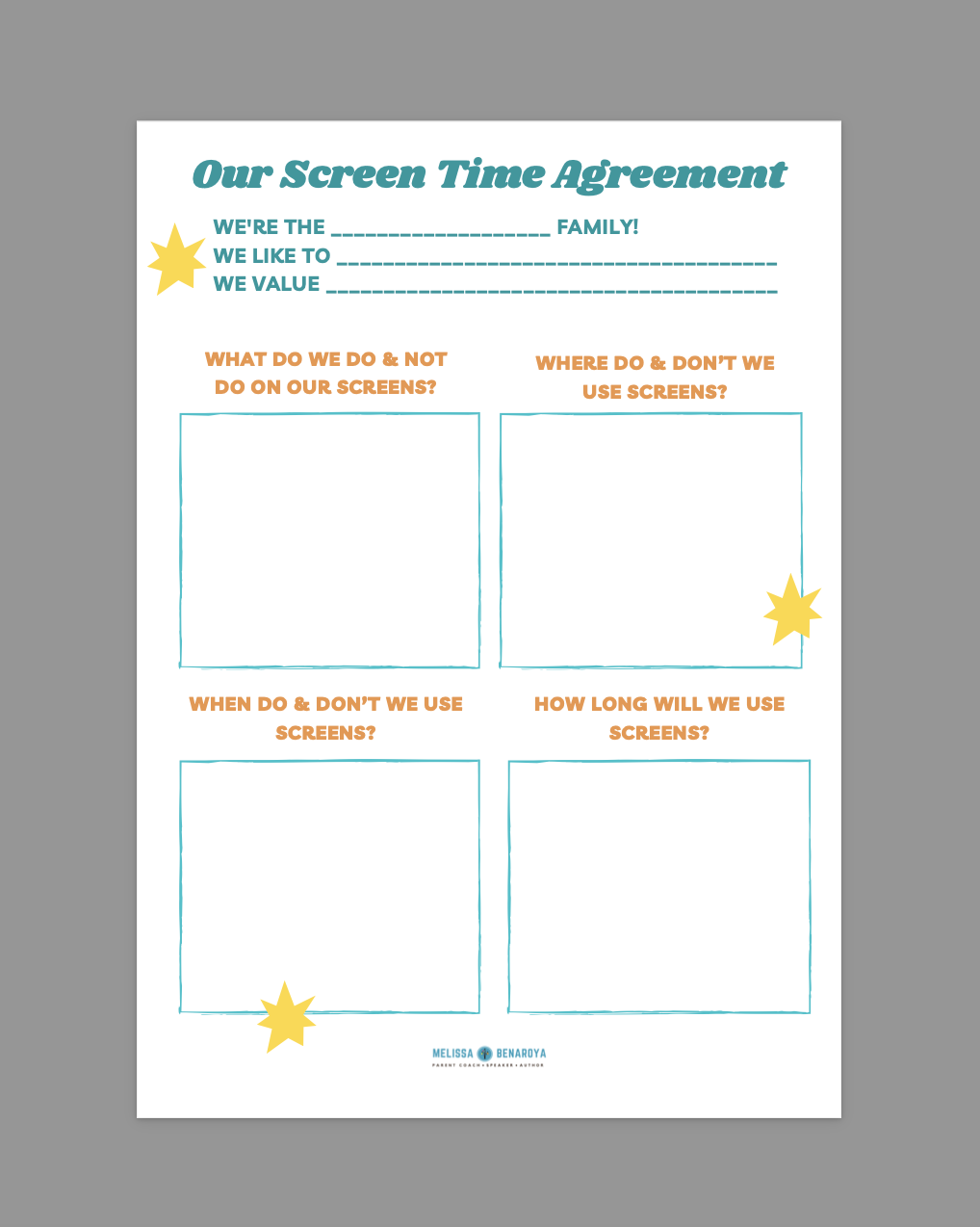
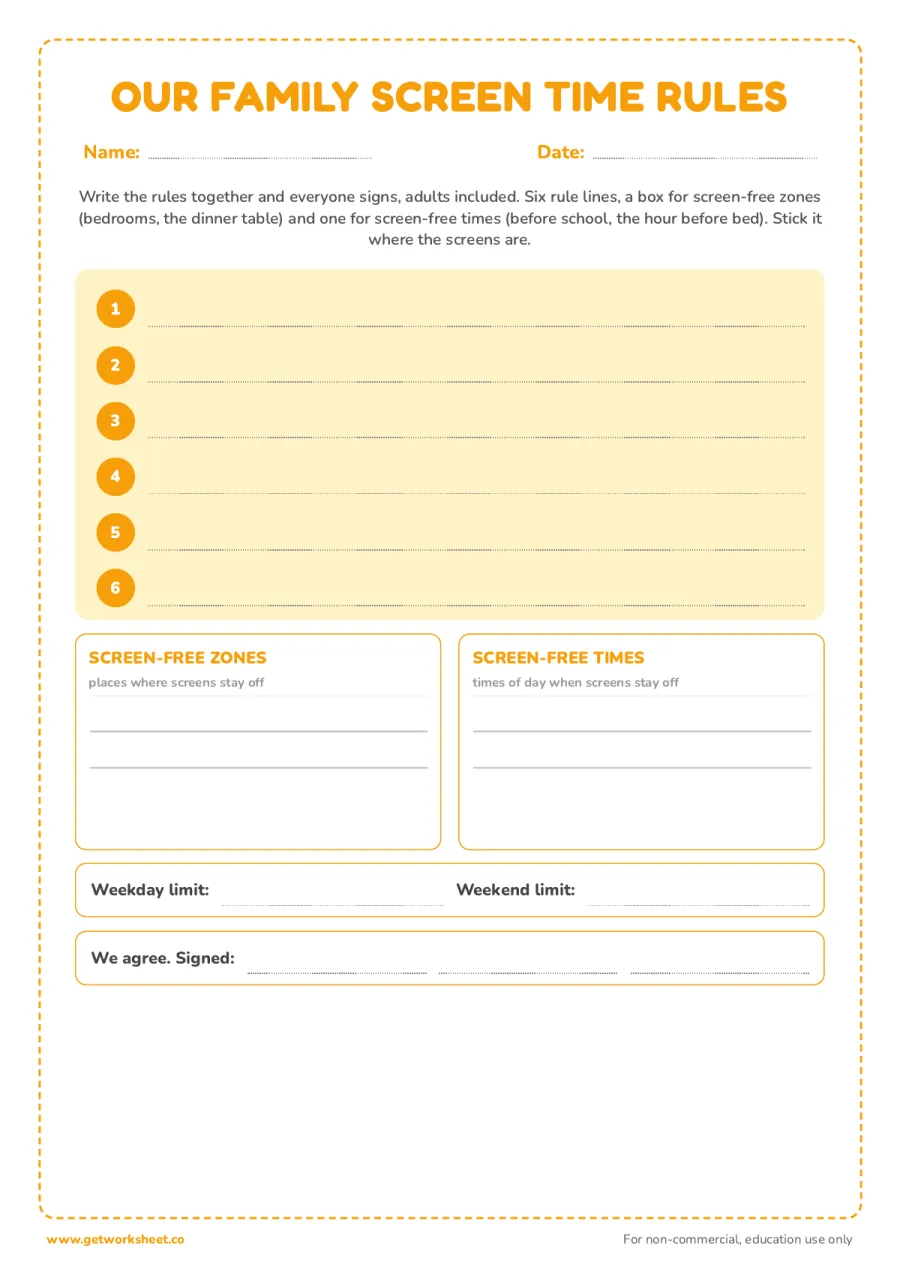
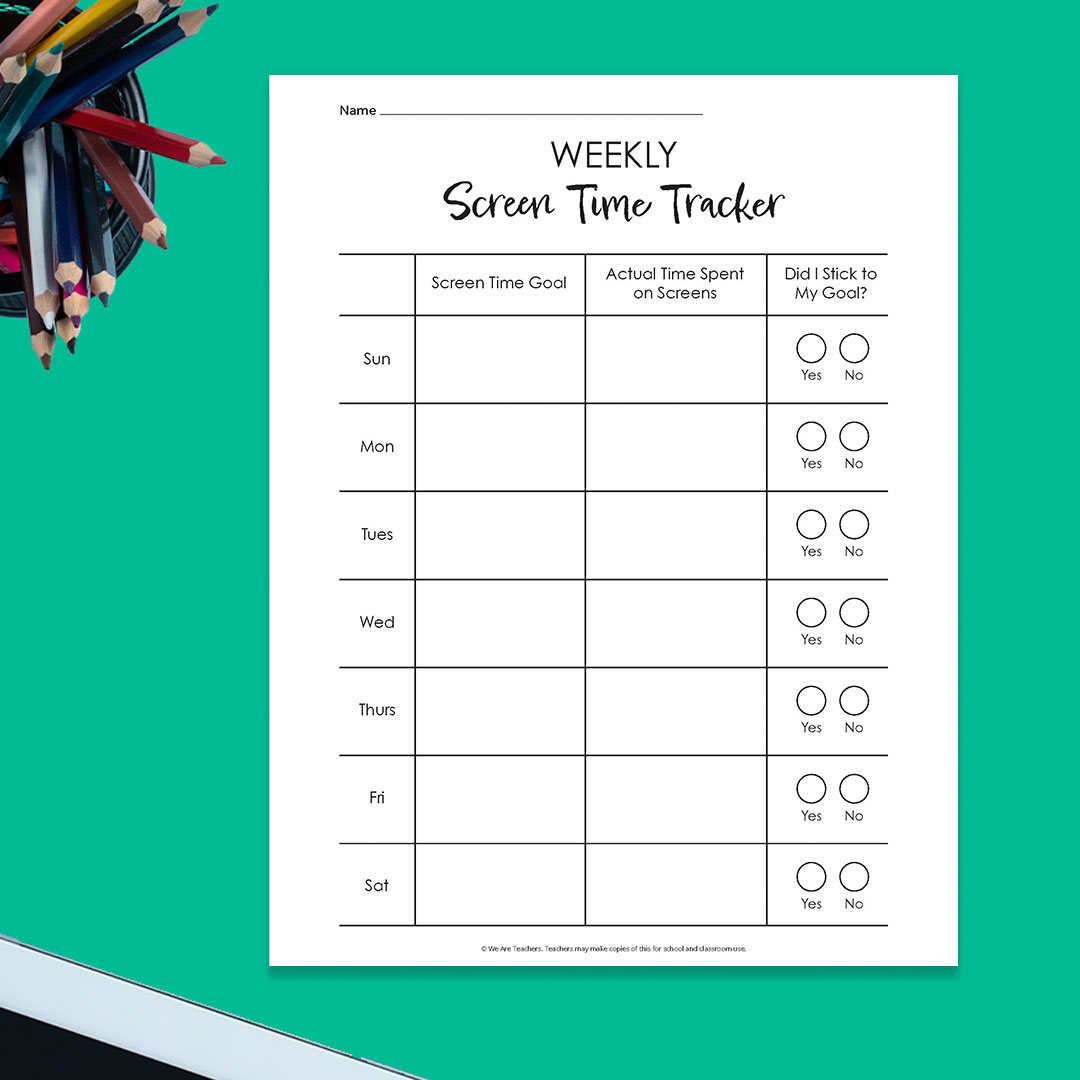
This worksheet specifically addresses the vital topic of digital well-being and responsible screen time management. It covers essential concepts such as setting clear time limits for various devices, identifying appropriate and inappropriate content, establishing device-free zones, and understanding the implications of excessive digital engagement. The “screen time contract printable free” resource guides users through defining personal digital boundaries and outlining the responsibilities associated with device use. Content within the worksheet connects directly to recognized digital citizenship and child safety education standards, which advocate for balanced digital lives, self-regulation, and critical media consumption. It encourages participants to consider the impact of screen time on academic performance, physical health, and social interactions, thereby promoting a holistic view of digital integration.
Key Learning Outcomes
Learners engaging with this resource will develop several crucial skills and areas of knowledge. They will gain the ability to articulate personal screen time boundaries and preferences effectively. An understanding of agreed-upon digital responsibilities, including consequences for breaches and rewards for adherence, will be cultivated. Students will enhance their skill in identifying the characteristics of healthy versus unhealthy screen habits. The resource also builds capacity for self-regulation in diverse digital environments. Finally, participants will increase their awareness of the critical importance of balancing digital activities with essential offline pursuits. Browse more guides on Safe Wired Schools.
How to Use This Worksheet
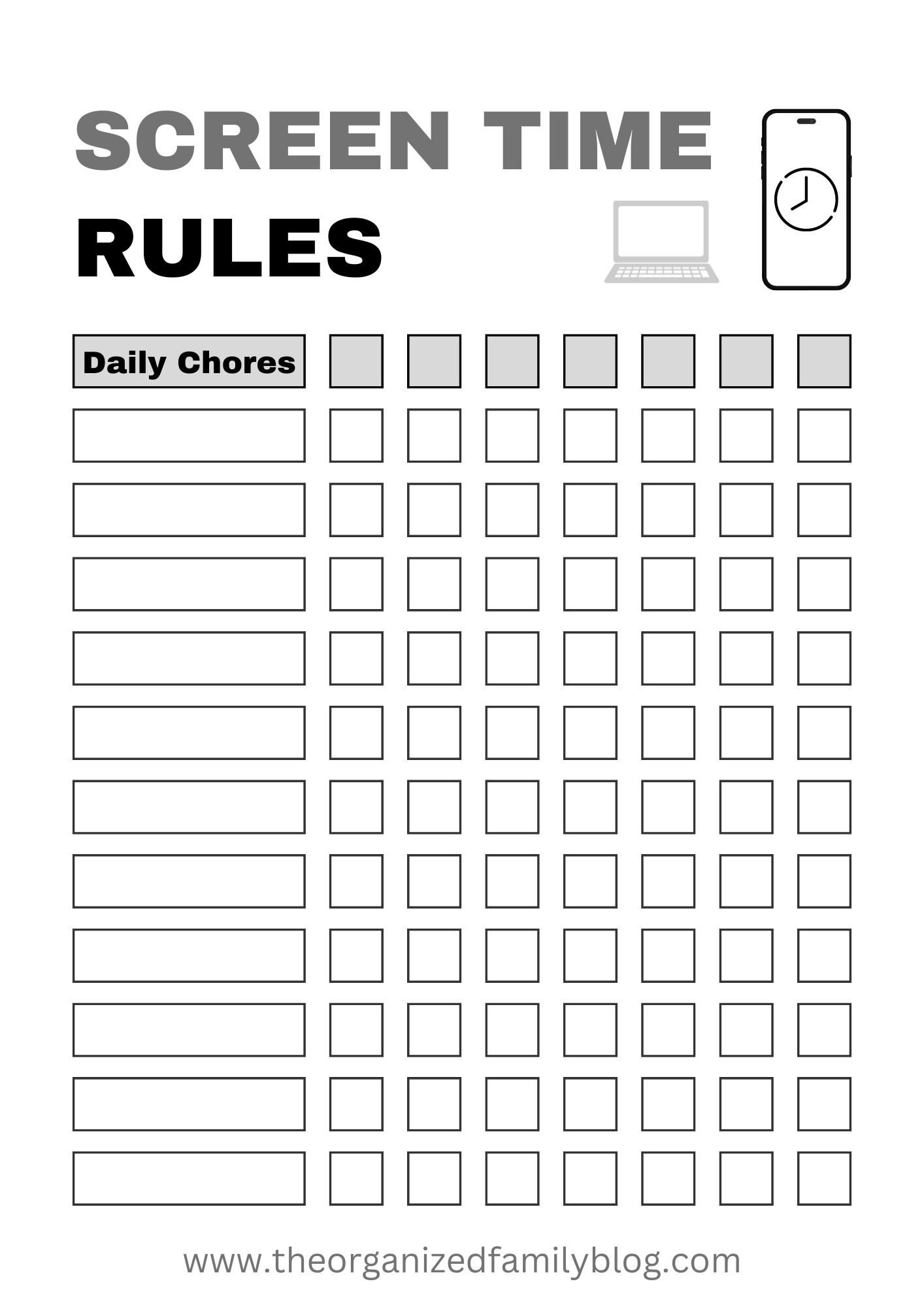
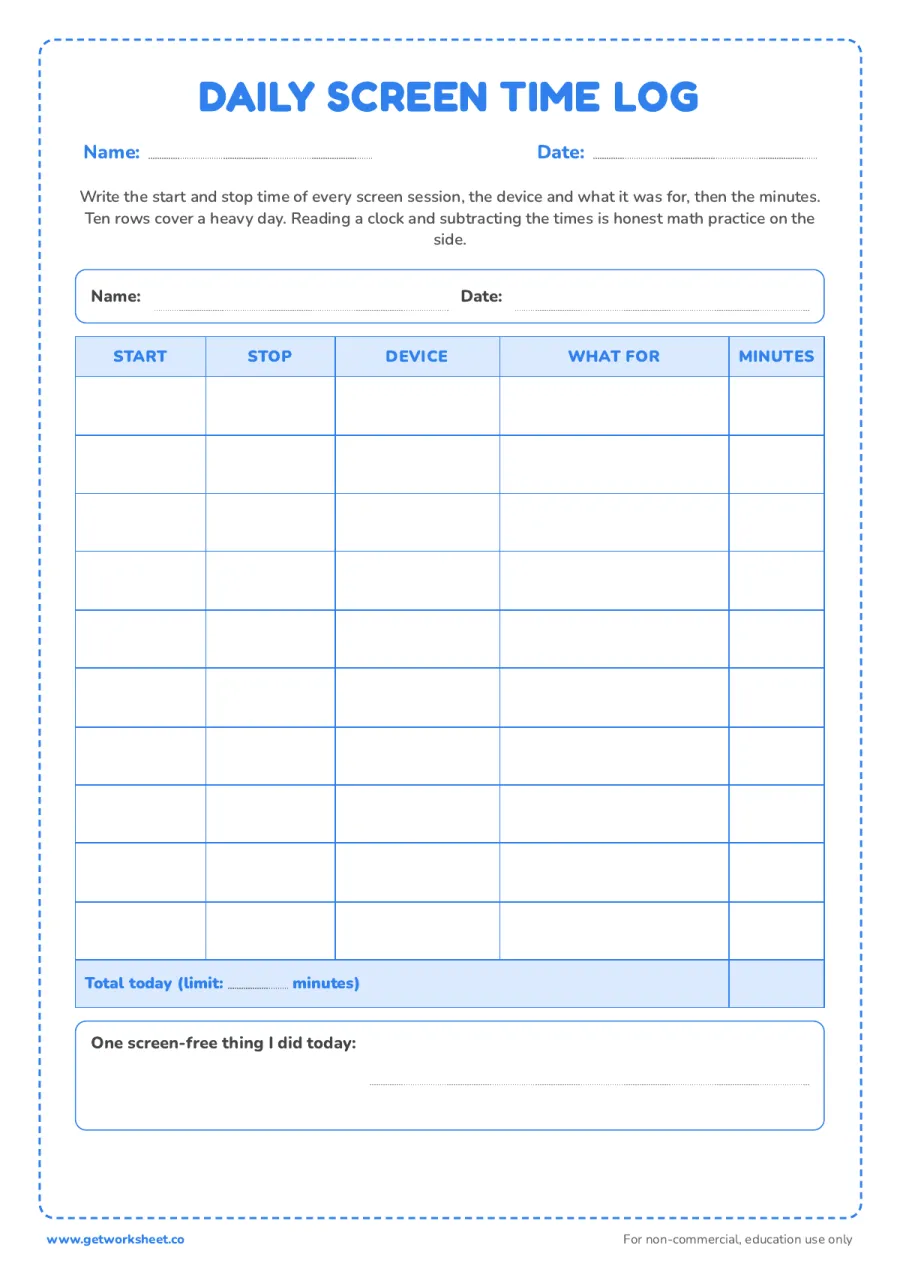
Educators can integrate the “screen time contract printable free” into digital citizenship lessons, while parents can utilize it as a foundational family discussion tool. The worksheet typically features fill-in-the-blank sections, reflection prompts, and dedicated spaces for outlining specific agreements and signatures. Its difficulty level is moderate, designed to encourage thoughtful consideration and collaborative input rather than simple recall. Instructions are structured to scaffold learning progressively, beginning with identifying current habits and moving towards establishing future expectations. This resource functions effectively as a standalone activity for initiating conversations about digital boundaries. It can also be incorporated as a key component of a broader lesson plan on media literacy or assigned as homework to facilitate important family dialogues about technology use.
Practical Tips for Parents and Teachers
Maximizing the educational impact of the “screen time contract printable free” involves thoughtful implementation. A collaborative approach is paramount; the contract should be completed with the child, not simply presented to them. Regular review and revision of the contract are essential, as digital habits and needs evolve over time. Adults can significantly influence outcomes by modeling responsible screen behavior themselves, demonstrating the principles outlined in the agreement. Focusing on the “why” behind each rule helps children understand the rationale, promoting internal motivation rather than mere compliance. Positive reinforcement, such as acknowledging consistent adherence to the contract, strengthens desired behaviors and encourages continued engagement.
Age-Appropriate Recommendations
Effective utilization of the “screen time contract printable free” varies depending on the learner’s developmental stage. For children aged 5-10 (Elementary), the approach should be highly guided, focusing on very basic rules presented in simpler language. This age group benefits from a more visual “family agreement” rather than a formal contract, perhaps including drawing pictures of desired activities. Parental involvement is crucial for explaining concepts and helping to write down agreements.
For individuals aged 11-14 (Middle School), the contract can include more detailed clauses and encourage active negotiation of terms. The emphasis shifts towards understanding consequences and fostering self-monitoring skills, with discussions centering on digital well-being and its impact on schoolwork and friendships. Adult guidance remains important for structuring discussions and ensuring clarity.
With older students aged 15-18 (High School), the resource becomes a tool for promoting advanced self-management and personal responsibility. Discussions can delve into time blocking, the long-term impact of digital habits on academic and future career goals, and the development of personal strategies for digital balance. The contract can serve as a framework for independent decision-making and accountability.
Frequently Asked Questions
Q: How can a “screen time contract printable free” benefit families? A: This resource helps establish clear expectations and boundaries for device use, reducing conflicts and fostering a shared understanding of responsible digital habits. It encourages open communication and mutual agreement, leading to healthier screen time practices for everyone involved.
Q: Is this resource suitable for all age groups? A: While primarily designed for upper elementary, middle, and high school students, the principles can be adapted for younger children with significant adult guidance. The core idea of setting boundaries and agreeing on terms is universally beneficial, though the formality and detail will vary.
Q: Where can this free printable contract be accessed? A: The “screen time contract printable free” and many other valuable digital safety resources are available for immediate download and printing directly from SafeWiredSchools.org. Visit the dedicated worksheets section to find this and other educational tools.
Explore More Free Printable Worksheets
A single educational resource works best when integrated into a consistent learning routine. The “screen time contract printable free” serves as an excellent starting point for establishing digital boundaries, but ongoing education requires a broader toolkit. Educators and parents are invited to explore a full collection of free printable internet safety worksheets, activity sheets, checklists, quizzes, and more at SafeWiredSchools.org Worksheets. These resources cover every essential internet safety topic and are carefully designed for every grade level and learning environment, ensuring comprehensive digital citizenship education.
Developmental Milestone & Activity Table
| Development Stage | Recommended Daily Duration | Primary Learning Objective |
|---|---|---|
| Preschool & Pre-K | 10 – 15 Minutes | Pencil grip development & basic pre-stroke lines |
| Kindergarten | 15 – 20 Minutes | Letter/number formation & spatial line awareness |
| Early Elementary (Grade 1–2) | 20 – 30 Minutes | Fluency, sentence construction & neatness |
Images References