Introduction
The “screen time agreement for families” is a vital educational resource designed for elementary grades 1-5 and extending through middle and high school grades 6-12, adaptable for various ages within the 5-18 range. This free printable worksheet reinforces crucial internet safety concepts through a tangible, hands-on learning experience. Educators and parents consistently trust printable worksheets as effective tools for building digital awareness and fostering responsible online behavior. These resources provide a structured framework for discussion and commitment, transforming abstract rules into actionable guidelines. The process of engaging with a physical document enhances comprehension and retention, laying a strong foundation for safe and productive digital engagement at home and in learning environments.
💡 Educational Key Takeaways:
- Core Skill: Structured Screen Time Agreement For Families focused on developing pencil grip, stroke control, and early literacy/math confidence.
- Target Scope: Suited for homeschoolers, preschool, kindergarten, and elementary learners.
- Best Recommendation: Practice 10–15 minutes daily with ergonomic writing tools to reinforce muscle memory without hand fatigue.
What This Worksheet Covers
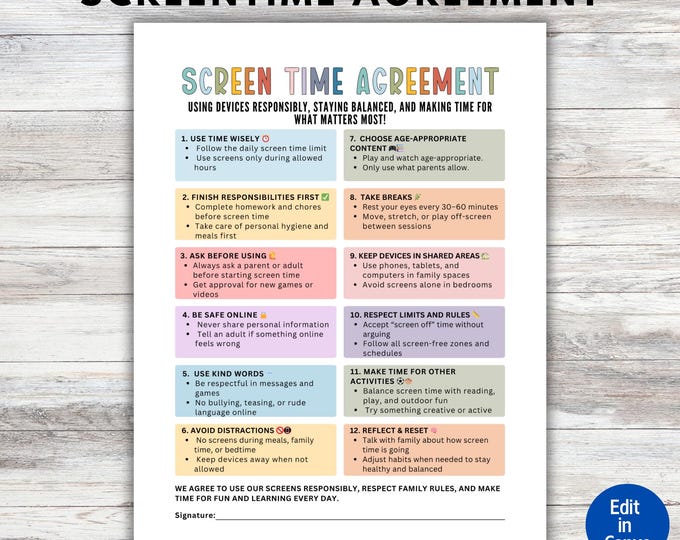
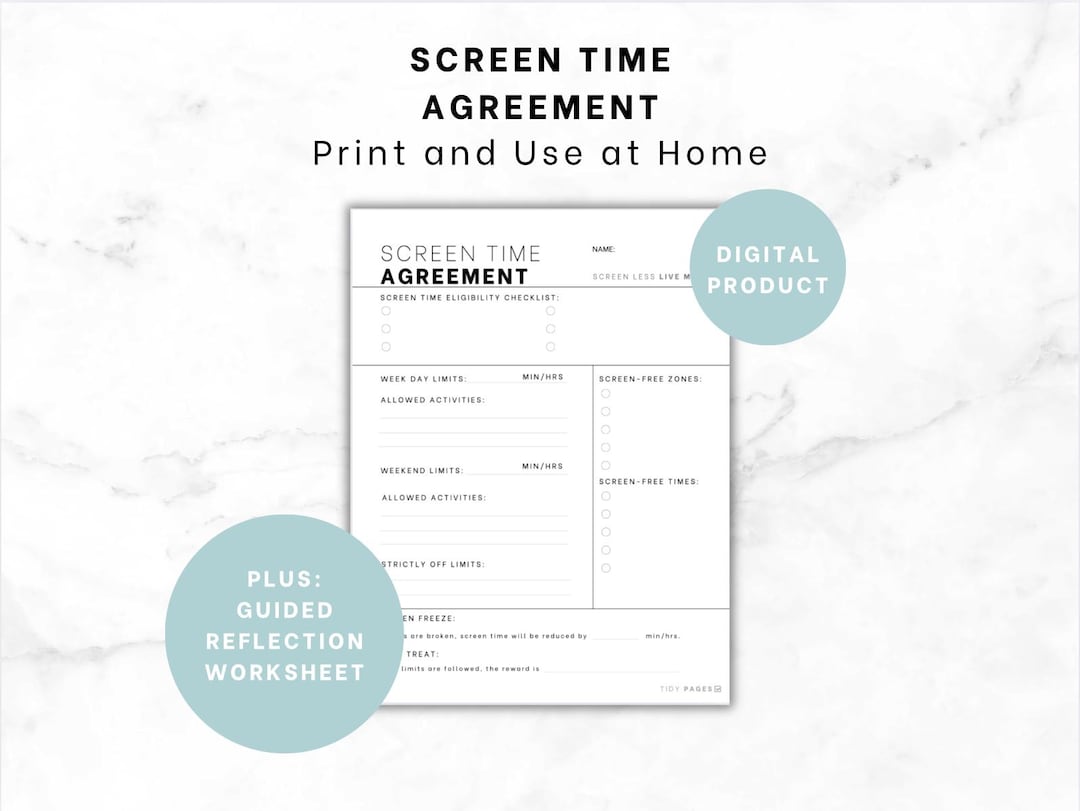
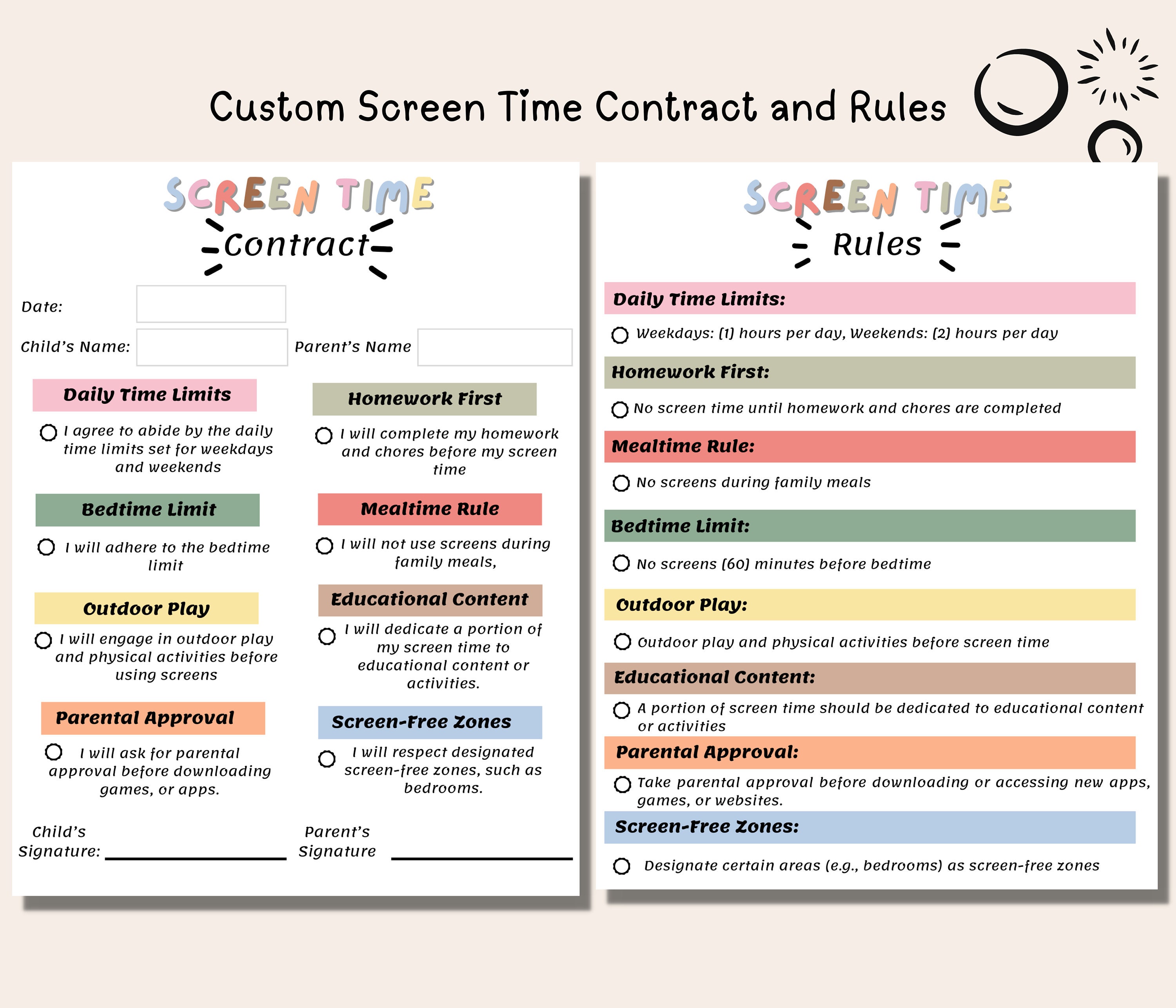
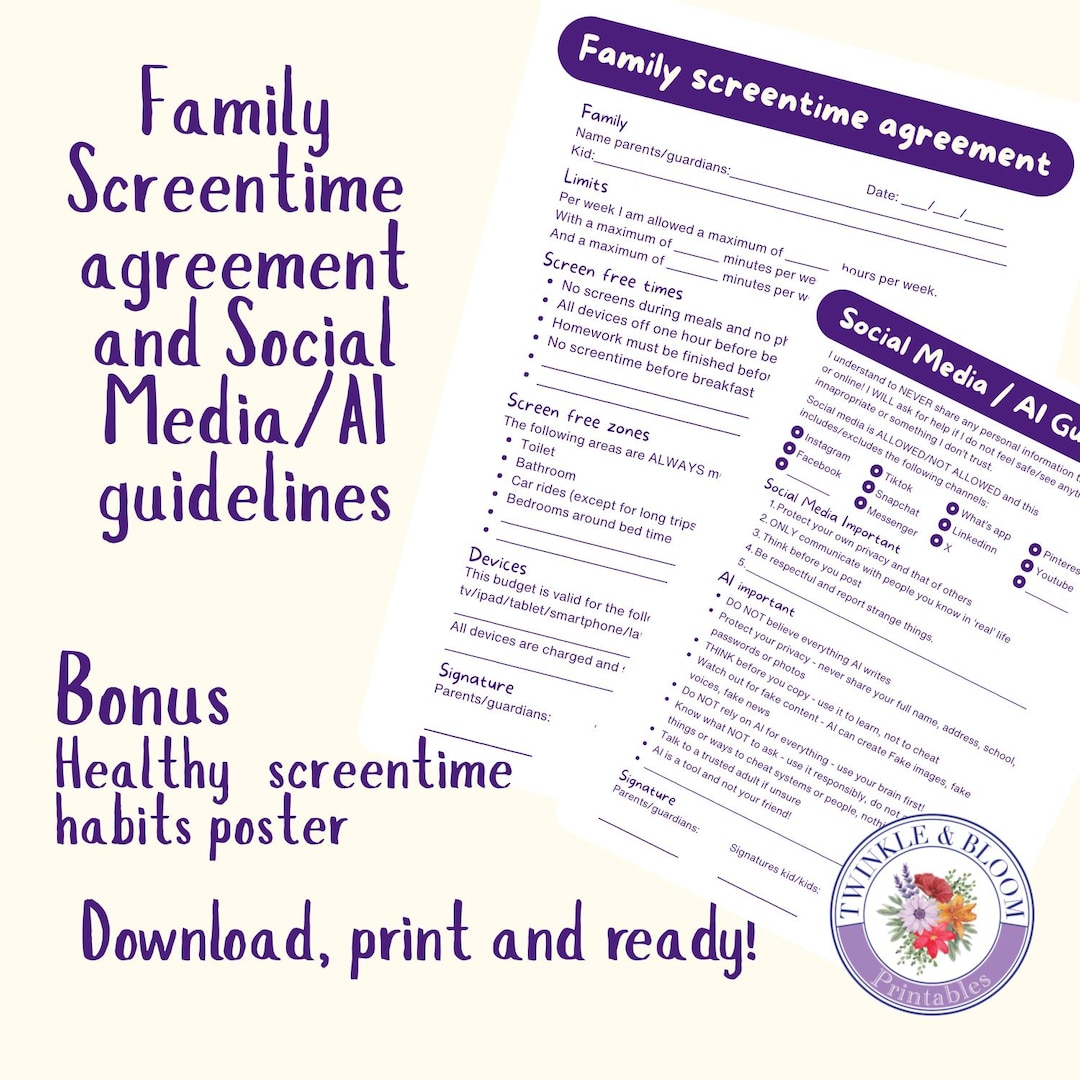
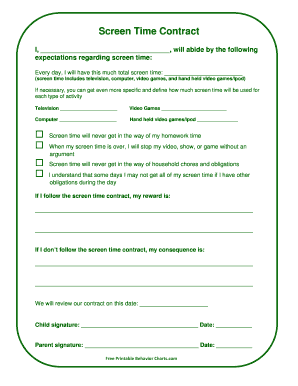
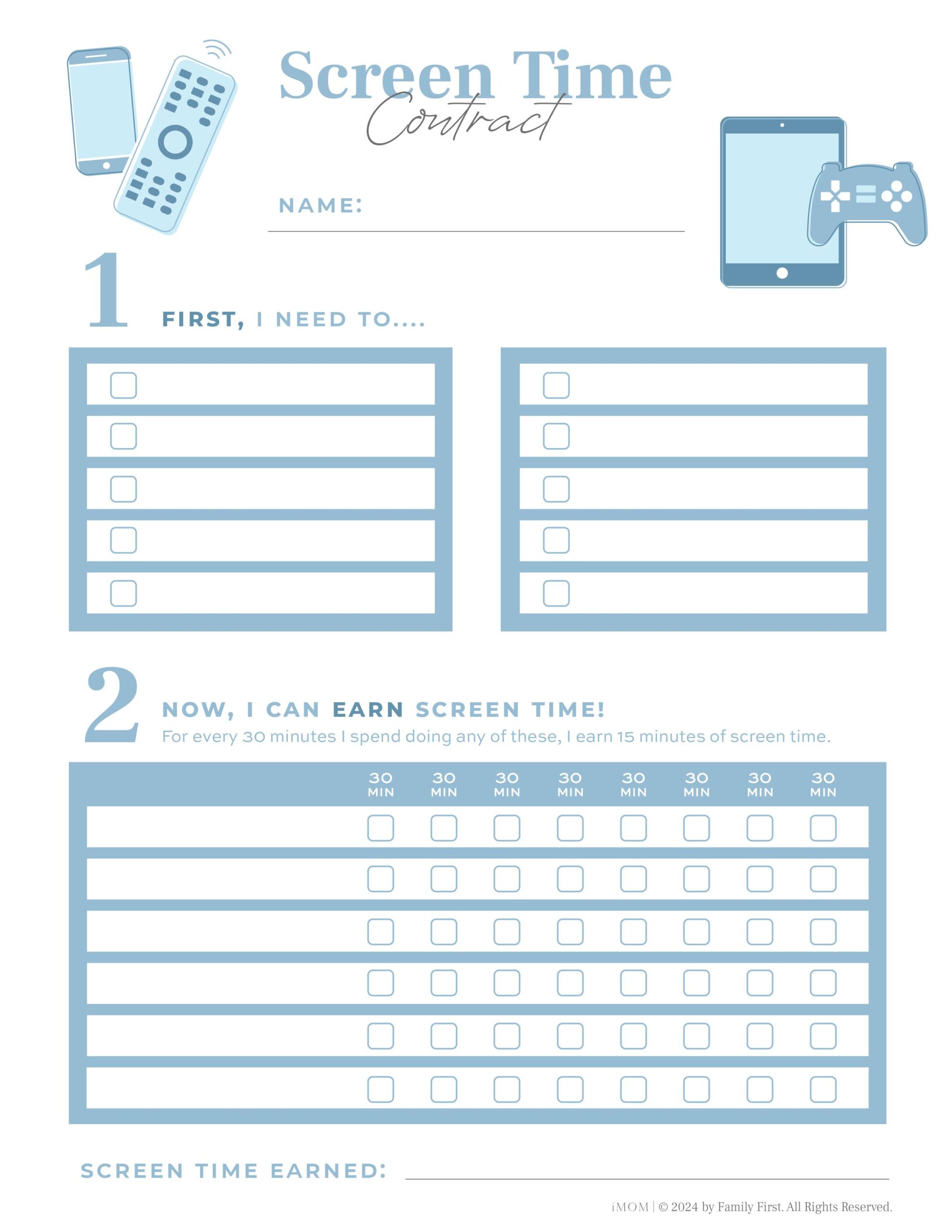
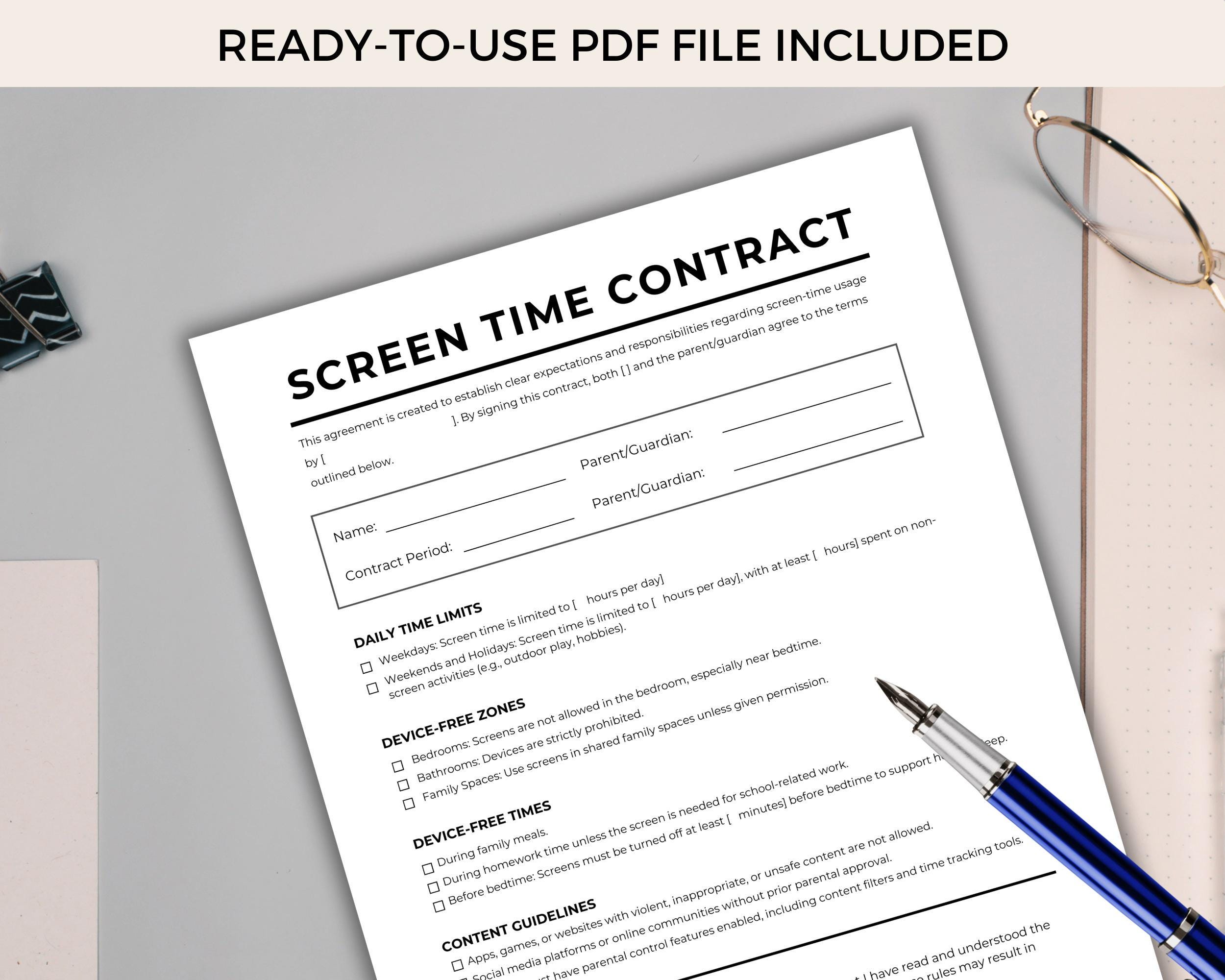
The “screen time agreement for families” worksheet addresses the critical internet safety topic of establishing clear, collaborative boundaries for digital device use. It covers concepts such as responsible screen time management, understanding the importance of digital balance, and practicing healthy online habits. The resource guides families through defining specific rules for device access, content consumption, online communication, and privacy settings. Furthermore, it encourages discussions about consequences for non-compliance and the benefits of adhering to agreed-upon guidelines. The worksheet content directly connects to recognized digital citizenship standards, emphasizing respect for self and others online, responsible use of technology, and the development of self-regulation skills in a digital world.
Key Learning Outcomes
Completing the “screen time agreement for families” worksheet helps students and children develop several essential skills and knowledge areas. Participants gain an understanding of personal responsibility regarding screen use, recognizing their role in maintaining a safe and balanced digital life. The activity fosters critical thinking about appropriate digital content and online interactions, promoting informed decision-making. Enhanced communication skills emerge as families collaboratively discuss and define digital boundaries. Children learn to practice self-regulation, understanding the value of managing their own screen time effectively. Finally, the process helps identify and integrate healthy online habits into daily routines, contributing to overall well-being. Browse more guides on Safe Wired Schools.
How to Use This Worksheet
Educators and parents can effectively utilize the “screen time agreement for families” worksheet as a foundational tool for digital literacy. The worksheet typically features sections for fill-in-the-blank rules, checkboxes for agreed-upon behaviors, and prompts for short answers or reflections on digital goals. Its difficulty level is adaptable, with clear instructions scaffolding learning progressively. The resource functions powerfully as a standalone activity, prompting immediate discussion and agreement. It also integrates seamlessly into a broader digital citizenship lesson plan, providing a practical application of theoretical concepts. Furthermore, assigning the worksheet as homework encourages family collaboration and reinforces learning in the home environment, ensuring consistent messaging across different settings.
Practical Tips for Parents and Teachers
To maximize the educational impact of the “screen time agreement for families,” several practical strategies prove effective. Before engaging with the worksheet, initiate an open discussion about current screen time habits and perceived challenges, creating a foundation for collaboration. Facilitate the completion of the agreement as a joint activity, allowing every family member or student to contribute ideas and express concerns. After the agreement is drafted, display it prominently in a common area at home or in the classroom as a constant reminder of shared commitments. Regularly schedule brief check-ins to review the agreement’s effectiveness, making adjustments as children grow or technology evolves. Extend the learning by role-playing scenarios related to the agreement, helping children practice how to respond to common digital dilemmas.
Age-Appropriate Recommendations
Implementing the “screen time agreement for families” requires tailored approaches for different age groups to ensure maximum impact and understanding.
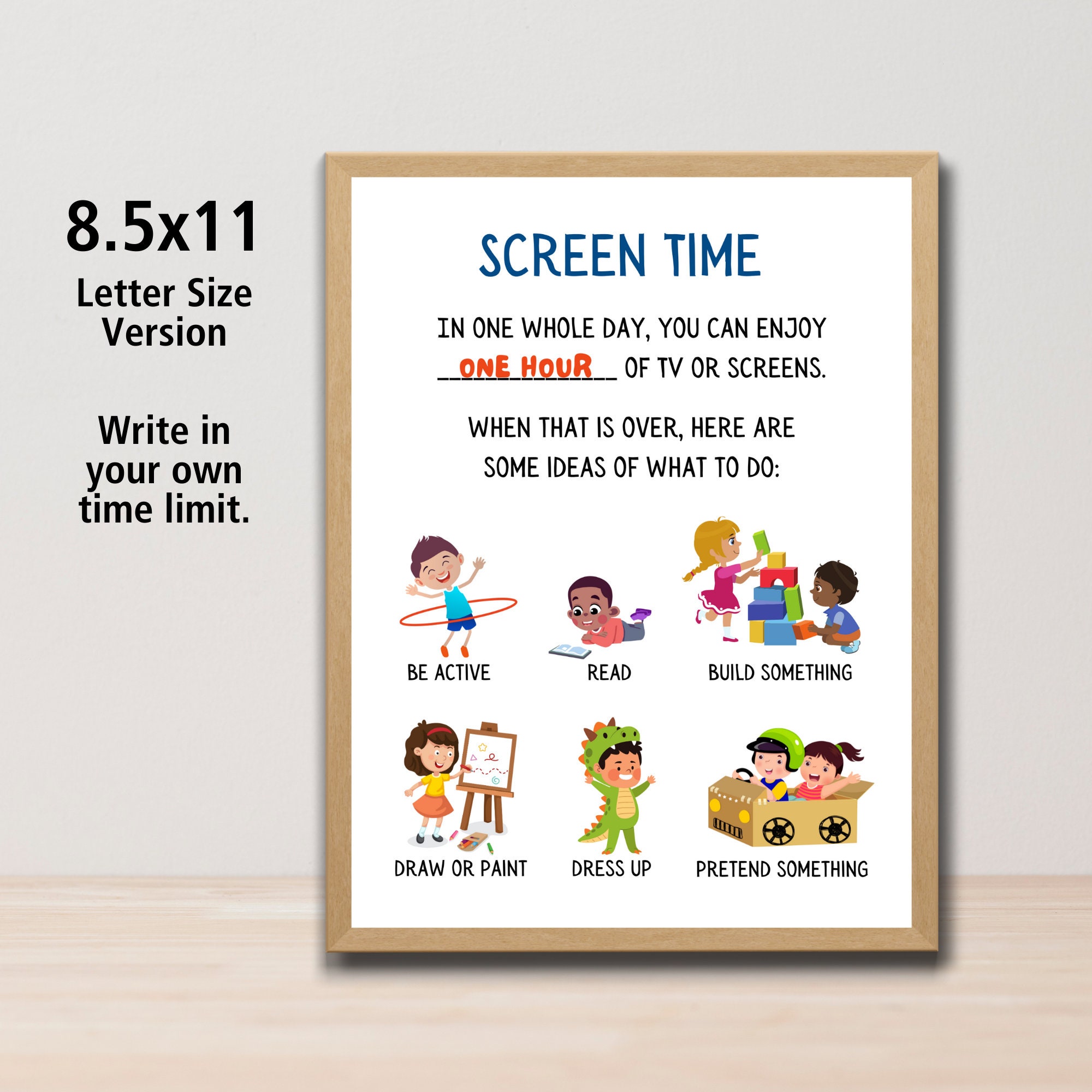
For Elementary Ages (5-10), the focus should be on basic concepts and clear, visual rules. Use simple language, short sentences, and incorporate drawings or emojis to represent rules. Adult involvement is crucial; parents or teachers should guide the discussion, helping children articulate their understanding of “too much” screen time or “safe” online content. Keep the agreement concise, focusing on core habits like asking permission before downloading apps, setting device curfews, and understanding that some content is not for children. Pacing should be slow, allowing ample time for questions and reinforcement.
For Middle School Ages (11-14), the agreement can delve into more nuanced topics and personal responsibility. Encourage active participation in drafting rules, discussing the reasoning behind limits, and exploring the impact of online behavior on well-being. Vocabulary can expand to include terms like “digital footprint,” “cyberbullying,” and “privacy settings.” The agreement might include sections on managing social media, understanding online friendships, and reporting inappropriate content. Discussions should facilitate critical thinking about screen time balance, academic performance, and real-world interactions. Reviewing and updating the agreement regularly with increased independence is beneficial.
For High School Ages (15-18), the “screen time agreement for families” shifts towards a collaborative partnership, emphasizing personal accountability and long-term digital wellness. The agreement can cover advanced topics such as online reputation management, ethical use of technology, responsible communication in professional contexts, and the risks associated with excessive screen time for mental health. Encourage students to research and propose their own guidelines based on their understanding of digital citizenship and future aspirations. The role of adults becomes more advisory, supporting self-advocacy and problem-solving. The agreement should reflect an evolving understanding of digital rights and responsibilities, promoting a lifelong commitment to healthy technology use.
Frequently Asked Questions
Q: What is the primary purpose of a screen time agreement? A: A screen time agreement serves to establish clear, mutually agreed-upon guidelines for digital device usage within a family or educational setting. It promotes responsible habits, open communication, and helps prevent conflicts related to technology use.
Q: How often should the agreement be reviewed or updated? A: Regular review is highly recommended, ideally every six to twelve months, or whenever new devices are introduced or significant changes occur in a child’s digital life. This ensures the agreement remains relevant and effective as children grow and technology evolves.
Q: Where can this free printable “screen time agreement for families” be accessed? A: The “screen time agreement for families” printable is available for free download directly from the SafeWiredSchools.org website. It can typically be found within the ‘Worksheets’ section, alongside other valuable internet safety resources.
Explore More Free Printable Worksheets
A single worksheet works best as part of a broader collection of printable resources, reinforcing a consistent digital safety learning routine. Educators and parents are invited to explore a full collection of free printable internet safety worksheets, activity sheets, checklists, quizzes, and more at SafeWiredSchools.org Worksheets. These resources cover every internet safety topic and are meticulously designed for every grade level and learning environment, ensuring comprehensive support for digital literacy education.
Developmental Milestone & Activity Table
| Development Stage | Recommended Daily Duration | Primary Learning Objective |
|---|---|---|
| Preschool & Pre-K | 10 – 15 Minutes | Pencil grip development & basic pre-stroke lines |
| Kindergarten | 15 – 20 Minutes | Letter/number formation & spatial line awareness |
| Early Elementary (Grade 1–2) | 20 – 30 Minutes | Fluency, sentence construction & neatness |
Images References