Introduction
The “phishing awareness worksheet for grade 6″ serves as an essential resource for cultivating crucial internet safety skills among middle school students. Specifically designed for learners in grade 6, this printable tool addresses a vital area of digital citizenship: recognizing and avoiding online scams. Educators and parents consistently rely on printable worksheets as effective, tangible instruments for reinforcing complex concepts. These resources provide a structured, hands-on learning experience that complements digital lessons and classroom discussions. By engaging with a physical worksheet, students can actively process information, solidify understanding, and practice responsible online behaviors in a safe, controlled environment. This approach builds a strong foundation for navigating the internet securely and confidently.
💡 Educational Key Takeaways:
- Core Skill: Structured Phishing Awareness Worksheet For Grade 6 focused on developing pencil grip, stroke control, and early literacy/math confidence.
- Target Scope: Suited for homeschoolers, preschool, kindergarten, and elementary learners.
- Best Recommendation: Practice 10–15 minutes daily with ergonomic writing tools to reinforce muscle memory without hand fatigue.
What This Worksheet Covers
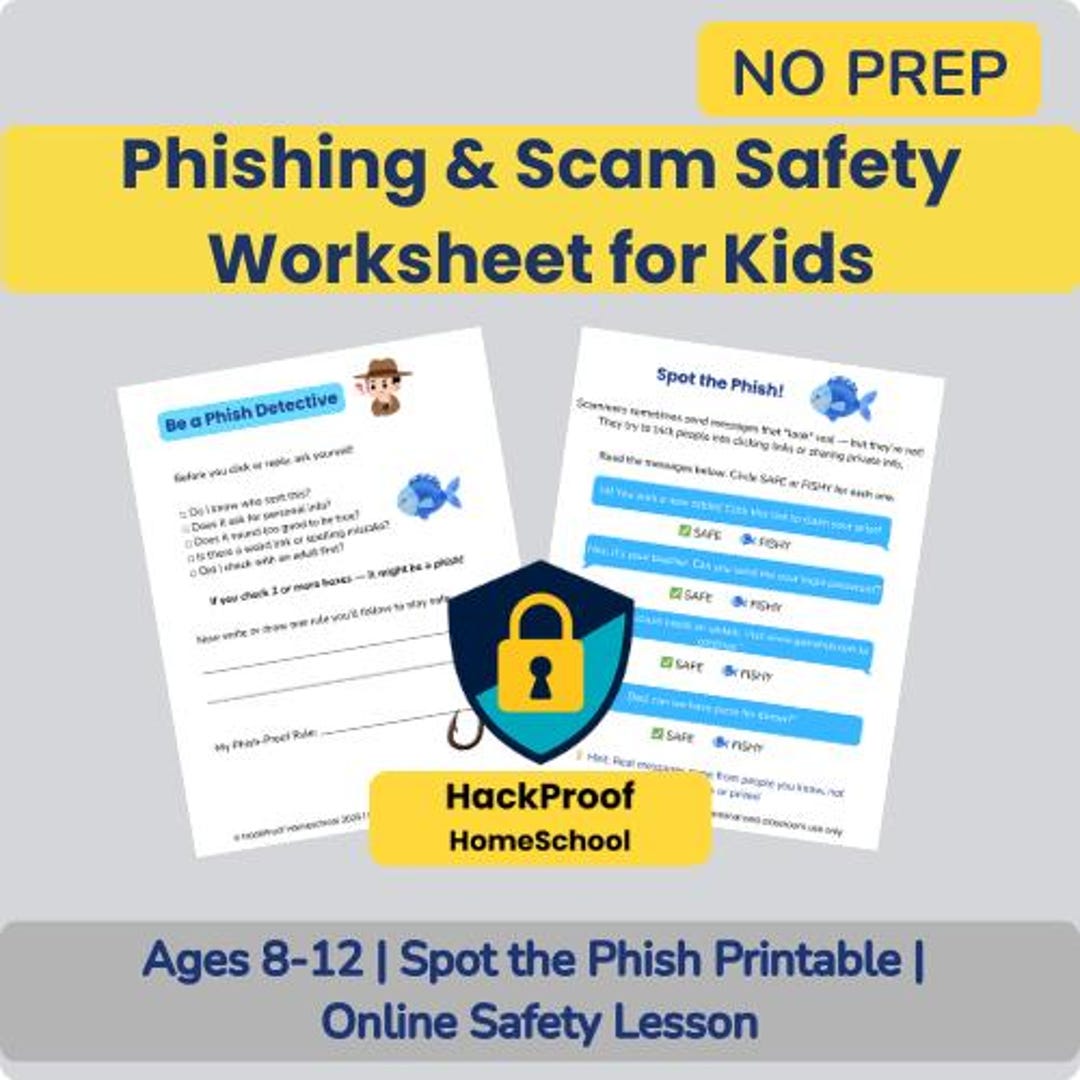
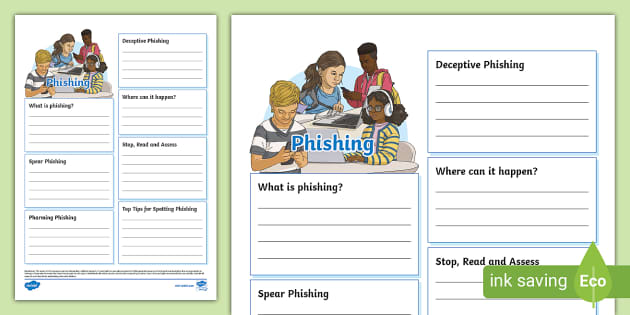
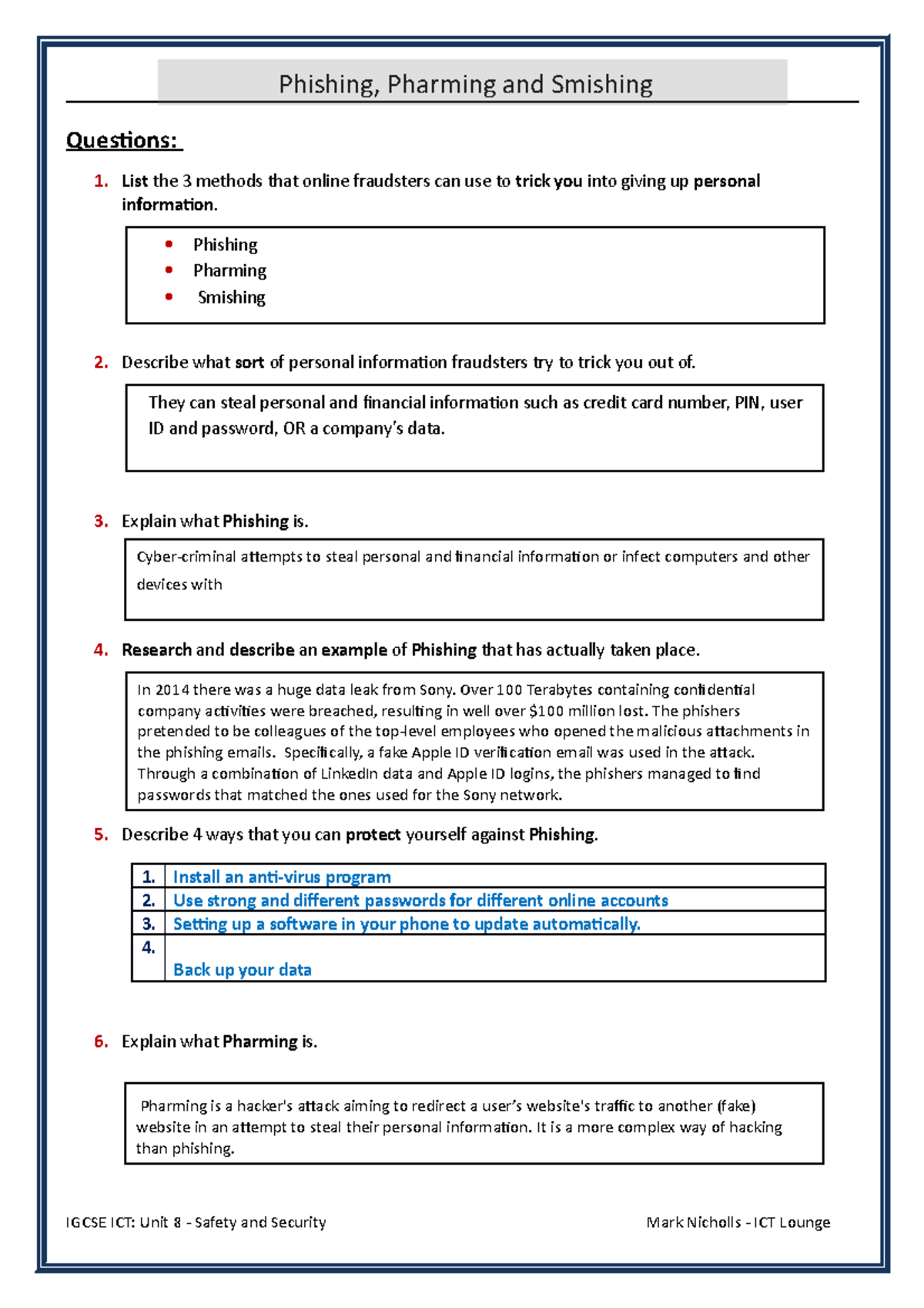
The “phishing awareness worksheet for grade 6″ directly tackles the pervasive threat of phishing. This worksheet introduces students to the concept of phishing as a deceptive attempt to trick individuals into revealing personal information, such as passwords, credit card numbers, or social security details. It covers various forms of phishing, including suspicious emails, malicious text messages (smishing), and fraudulent websites (pharming). The content elucidates common red flags associated with phishing attempts, such as urgent or threatening language, generic greetings, spelling errors, and unusual sender addresses. Furthermore, the worksheet explains the potential consequences of falling victim to a phishing scam, emphasizing identity theft, financial loss, and data breaches. This resource aligns with recognized digital citizenship standards by fostering critical thinking, media literacy, and responsible decision-making in online interactions.
Key Learning Outcomes
Upon completing the “phishing awareness worksheet for grade 6,” students will achieve several critical learning outcomes:
- Identify the common characteristics and warning signs of phishing attempts across different digital platforms.
- Understand the potential risks and consequences associated with sharing personal information through unsolicited requests.
- Develop strategies for verifying the legitimacy of emails, messages, and websites before responding or clicking links.
- Articulate appropriate actions to take when encountering a suspected phishing attempt, including reporting and seeking adult guidance.
- Enhance critical thinking skills necessary for evaluating online information and recognizing deceptive tactics.
How to Use This Worksheet
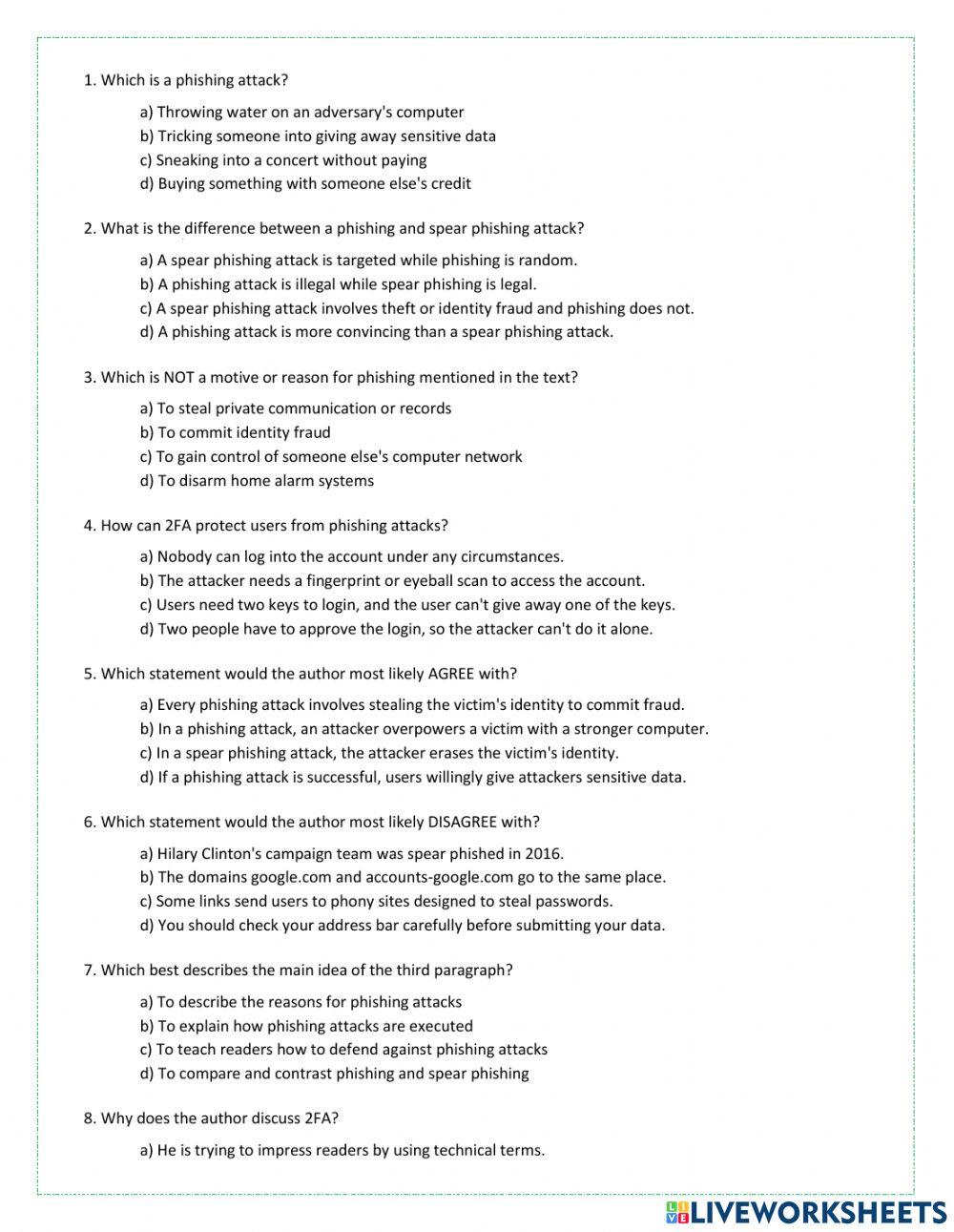
The “phishing awareness worksheet for grade 6” offers versatile application in both educational and home settings. The worksheet typically features a mix of engaging activity types, such as identifying fraudulent emails from genuine ones, matching phishing terms with their definitions, true or false questions about online safety myths, and short-answer scenarios requiring students to determine the safest course of action. Its difficulty level is tailored precisely for grade 6 students, balancing new concepts with familiar digital experiences. Instructions are clear and progressively scaffold learning, starting with definitions and moving to practical application. This resource functions effectively as a standalone activity to reinforce a specific topic, an integral component of a broader internet safety lesson plan, or a targeted homework assignment designed to extend learning beyond the classroom. Browse more guides on Safe Wired Schools.
Practical Tips for Parents and Teachers
- Preparation: Before distributing the worksheet, review its content and prepare to discuss any unfamiliar vocabulary or complex scenarios. Consider sharing a real-world (anonymized) example of a phishing attempt to provide context.
- Facilitation: Encourage students to work independently at first, allowing them to process the information. Circulate to offer support, answer questions, and prompt deeper thought without directly providing answers.
- Discussion Prompts: After completion, initiate a group discussion. Ask students to share their reasoning for specific answers, explain why certain emails were identified as phishing, and discuss personal experiences or concerns they might have about online scams.
- Extend Learning: Connect the worksheet concepts to other internet safety topics. Discuss how phishing relates to password security, privacy settings, or the importance of strong digital ethics. Encourage students to teach a family member one new thing they learned.
- Reinforce Reporting: Emphasize the importance of reporting suspicious activity to a trusted adult, whether a parent, teacher, or school administrator. Establish clear guidelines for who to contact and how.
Age-Appropriate Recommendations
While the “phishing awareness worksheet for grade 6” is specifically designed for its namesake, understanding its applicability across broader age bands ensures optimal impact.
For Ages 35 (Preschool), this worksheet is not suitable due to its complex vocabulary and abstract concepts. Digital safety for this age group focuses on basic screen time rules and recognizing trusted adults for help, not intricate scam identification. Simpler, visually-driven resources are needed for foundational concepts.
For Ages 610 (Elementary Grades 15), the “phishing awareness worksheet for grade 6” remains too advanced. Students in this range are developing foundational internet literacy. Their focus should be on personal information protection, understanding privacy, and basic rules for online interaction. Prerequisites like identifying safe websites and understanding “stranger danger” online must be firmly established before tackling phishing specifics.
For Ages 1118 (Middle/High School Grades 612), this worksheet is perfectly aligned with grade 6 learners. The content directly addresses their growing independence online and the increasing sophistication of threats they encounter. For students in grades 7-8, it serves as an excellent review and reinforcement tool, ensuring core concepts are solidified before exploring more advanced cybersecurity topics. For high school students (grades 9-12), the worksheet can act as a quick refresher or a foundational piece, especially for those new to formal digital safety education, preparing them for deeper dives into cybersecurity ethics, advanced scam analysis, and professional online conduct. Vocabulary support for grade 6 might involve defining technical terms, while older students can use it for peer-to-peer teaching exercises, enhancing their understanding and communication skills.
Frequently Asked Questions
Q: What specific types of phishing are covered in the worksheet? A: The worksheet primarily focuses on email phishing, but it also introduces concepts applicable to smishing (SMS phishing) and pharming (website redirection) by explaining the underlying deceptive tactics used across various platforms.
Q: How can parents access the “phishing awareness worksheet for grade 6”? A: This free printable resource, along with many others, is available for download directly from the SafeWiredSchools.org website. Simply navigate to the worksheets section to find and print the resource.
Q: Is this worksheet suitable for students with varying learning styles? A: Yes, the “phishing awareness worksheet for grade 6” incorporates a variety of activity types, including visual identification, critical thinking scenarios, and definitional matching, which caters to different learning preferences and promotes engagement for a wide range of students.
Explore More Free Printable Worksheets
A single worksheet, while valuable, achieves its greatest impact when integrated into a consistent digital safety learning routine. The “phishing awareness worksheet for grade 6” is part of a comprehensive collection designed to equip young learners with essential online safety knowledge. Educators and parents are invited to explore a full collection of free printable internet safety worksheets, activity sheets, checklists, quizzes, and more at SafeWiredSchools.org Worksheets covering every internet safety topic and designed for every grade level and learning environment.
Developmental Milestone & Activity Table
| Development Stage | Recommended Daily Duration | Primary Learning Objective |
|---|---|---|
| Preschool & Pre-K | 10 – 15 Minutes | Pencil grip development & basic pre-stroke lines |
| Kindergarten | 15 – 20 Minutes | Letter/number formation & spatial line awareness |
| Early Elementary (Grade 1–2) | 20 – 30 Minutes | Fluency, sentence construction & neatness |
Images References