Introduction
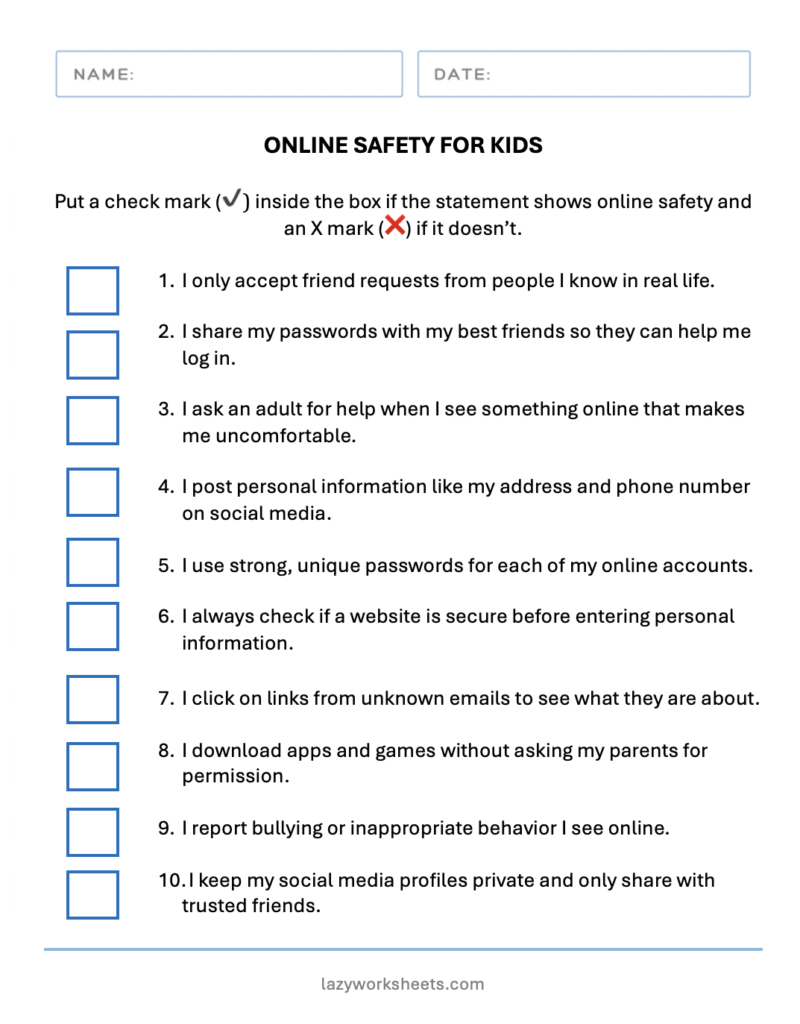
The digital landscape requires young learners to develop foundational skills in responsible technology use. For students in elementary grades 15, particularly those in second grade, understanding how to manage screen time is a crucial aspect of overall digital citizenship. A free printable internet safety resource, titled “screen time schedule for grade 2,” offers a practical tool for establishing healthy digital habits. This worksheet reinforces essential internet safety concepts through a hands-on, tangible learning experience. Printable worksheets are consistently trusted tools by educators and parents for building digital awareness and fostering responsible online behavior. Their tactile nature allows for focused engagement away from screens, providing a valuable contrast while discussing screen-related topics. The structured approach of such resources ensures that complex ideas are broken down into manageable, age-appropriate activities, making learning about digital well-being both accessible and effective for young children.
💡 Educational Key Takeaways:
- Core Skill: Structured Screen Time Schedule For Grade 2 focused on developing pencil grip, stroke control, and early literacy/math confidence.
- Target Scope: Suited for homeschoolers, preschool, kindergarten, and elementary learners.
- Best Recommendation: Practice 10–15 minutes daily with ergonomic writing tools to reinforce muscle memory without hand fatigue.
What This Worksheet Covers
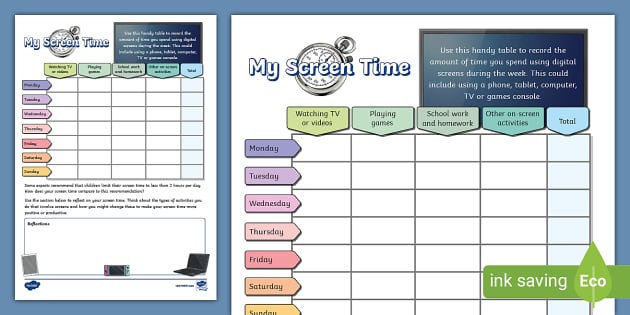
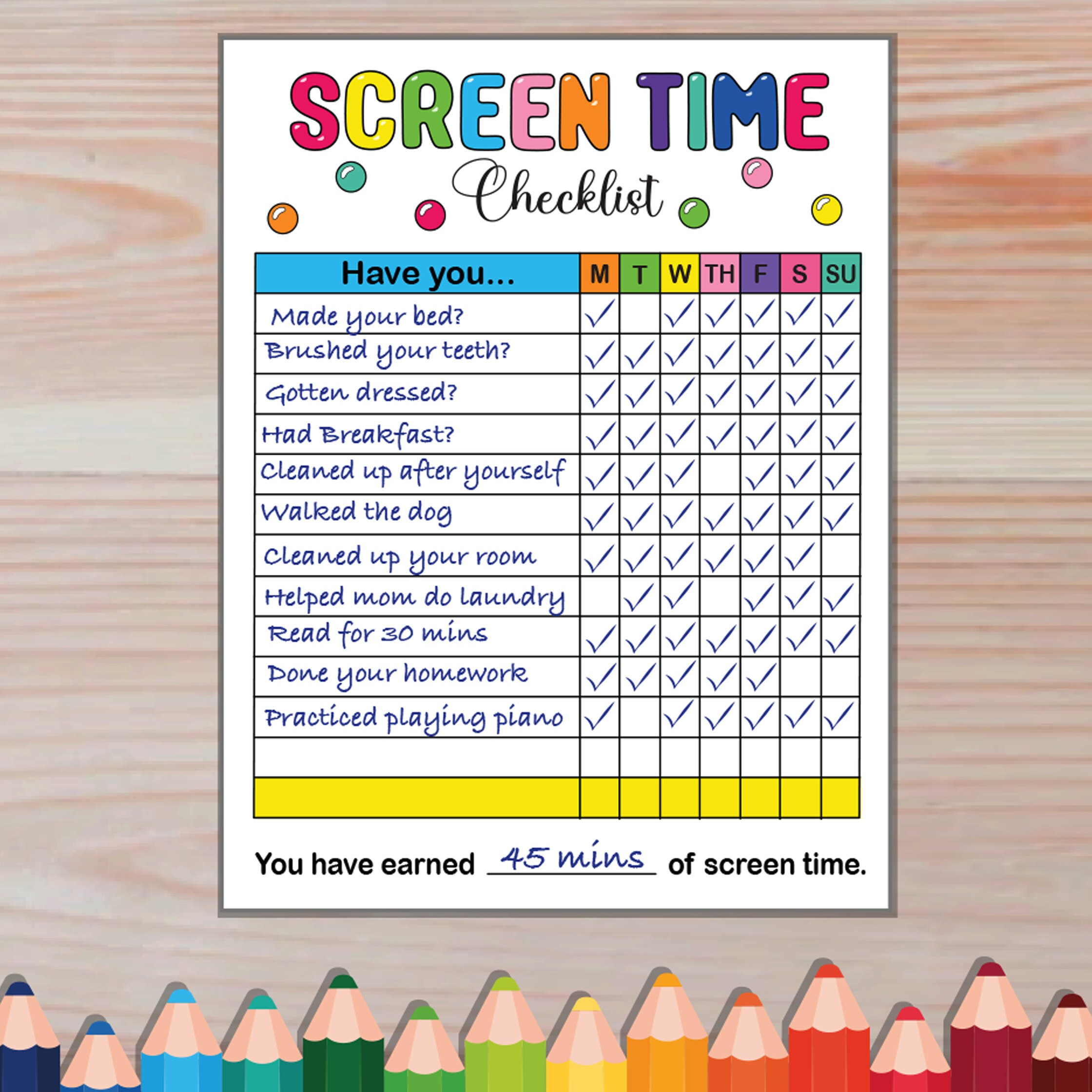
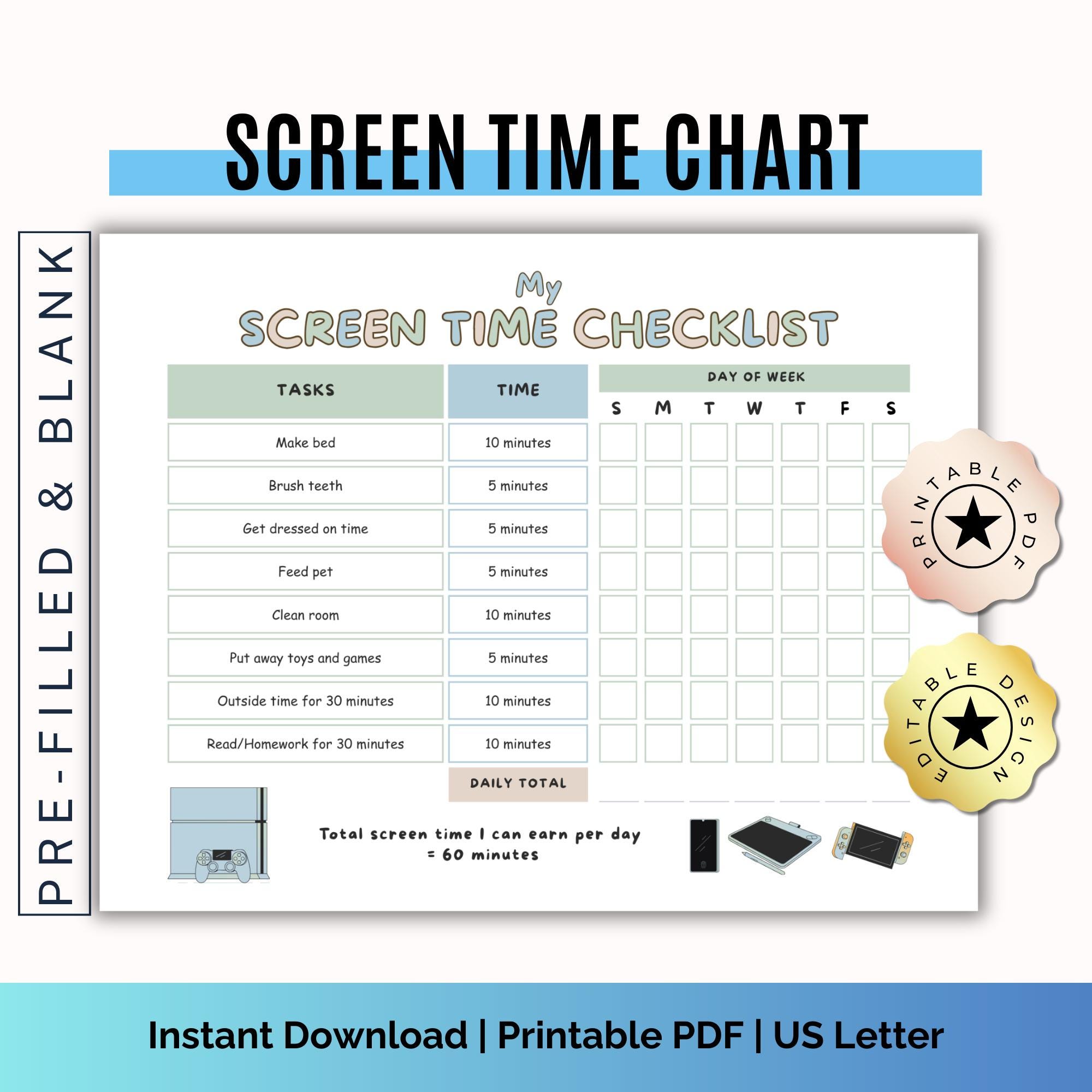
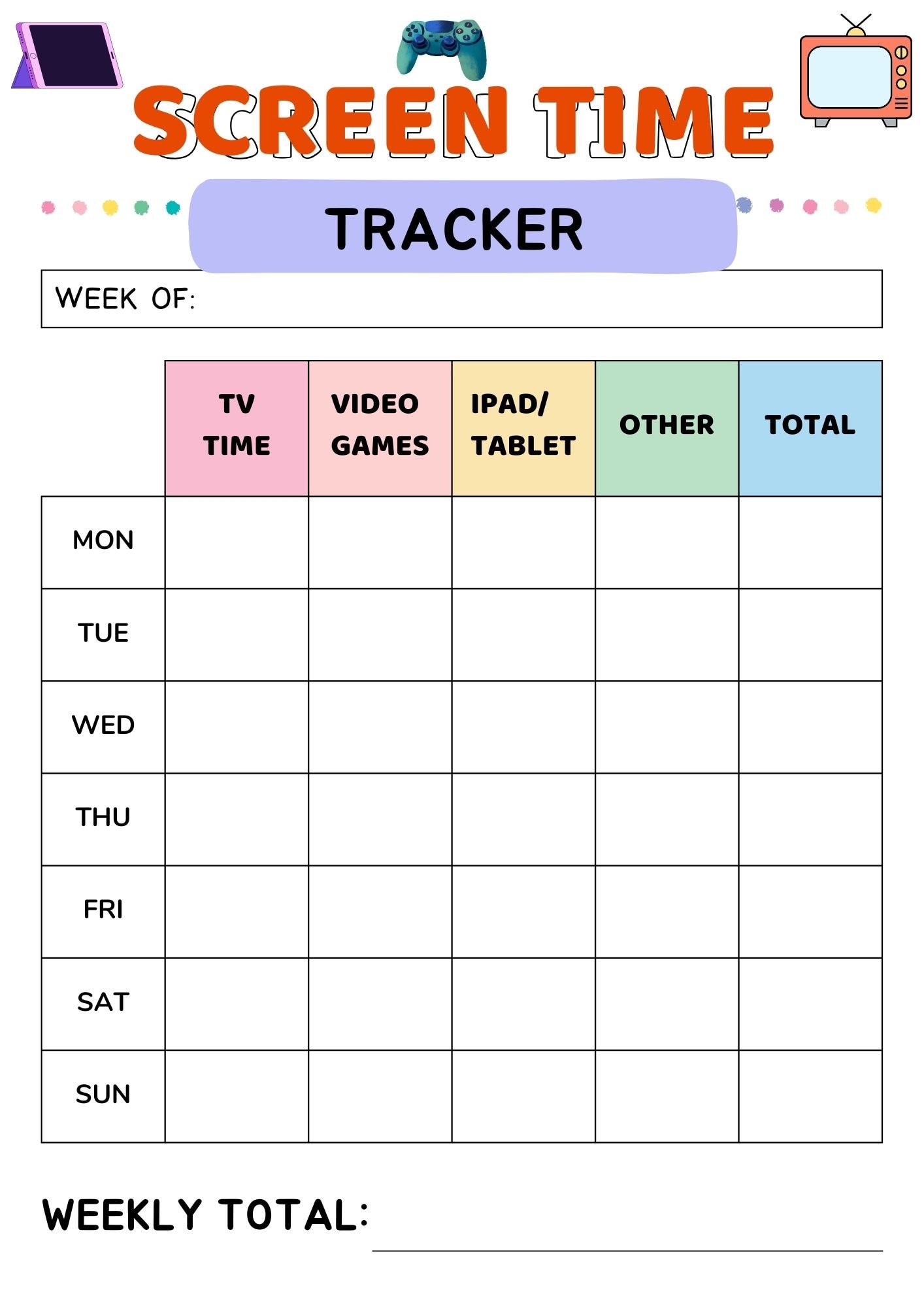
The “screen time schedule for grade 2” worksheet specifically addresses the topic of balanced screen time management and the development of healthy digital habits. It guides young learners through understanding appropriate screen use, recognizing different types of online activities, and establishing personal boundaries. Concepts explored within the worksheet include distinguishing between educational and entertainment screen time, identifying the importance of breaks, and acknowledging the value of offline pursuits. This resource aims to help children internalize the idea that screen time is one part of a balanced daily routine, not its entirety. The content directly connects to recognized digital citizenship and child safety education standards, which emphasize media literacy, personal responsibility, and well-being in the digital realm. It provides a concrete framework for discussing and planning daily activities, encouraging children to think critically about how they allocate their time, both online and off.
Key Learning Outcomes
By engaging with the “screen time schedule for grade 2” worksheet, students will develop several important skills and areas of knowledge:. Browse more guides on Safe Wired Schools.
- Understanding the concept of screen time balance and its importance for overall health.
- Identifying various types of screen activities and their appropriate durations.
- Developing basic self-regulation skills regarding the use of digital devices.
- Communicating personal screen time needs and limits to adults.
- Recognizing and valuing a diverse range of offline activities, such as reading, playing outdoors, and creative pursuits.
How to Use This Worksheet
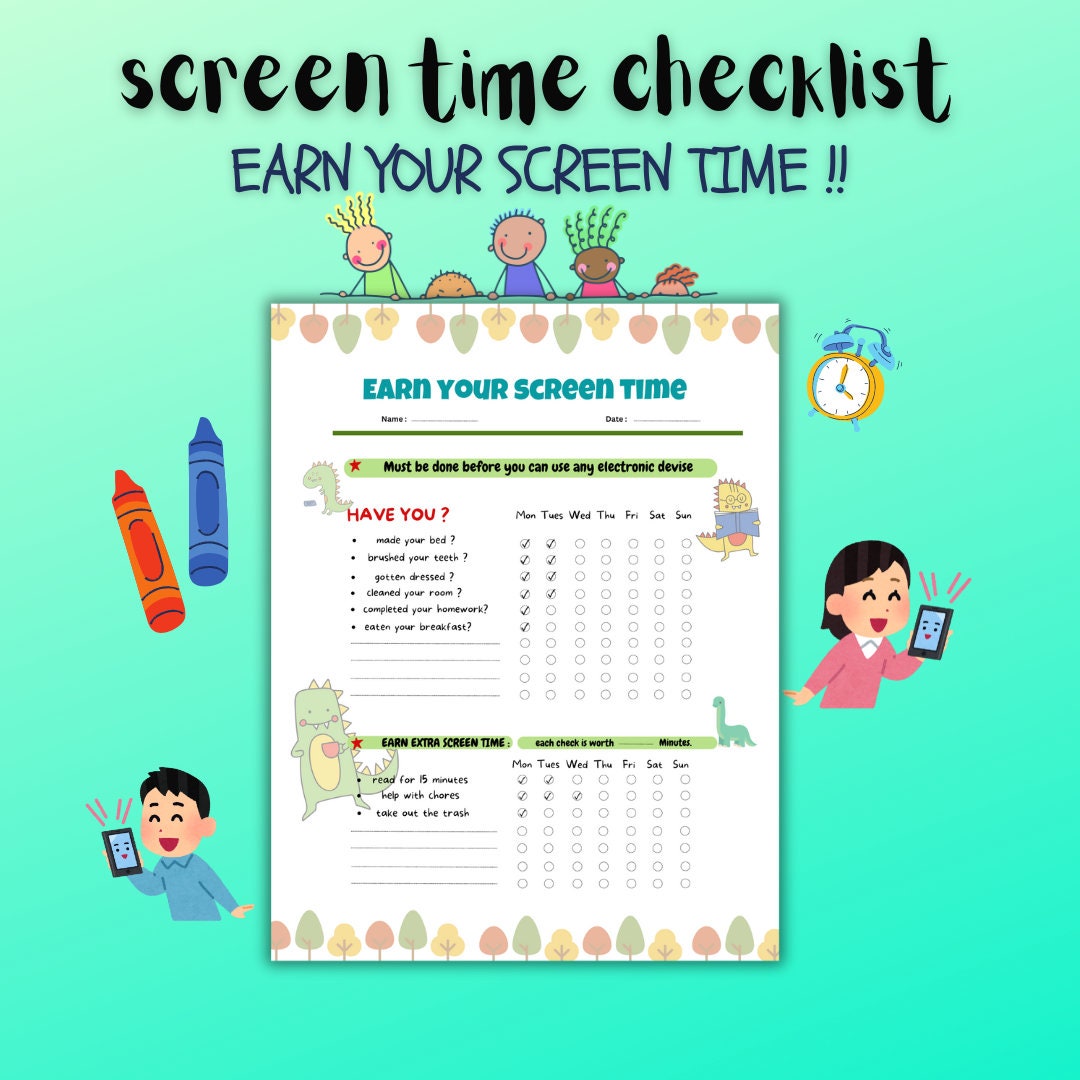
Educators and parents can effectively integrate the “screen time schedule for grade 2” worksheet into classroom lessons or home routines. The worksheet typically features a combination of activity types designed for second graders, including fill-in-the-blank sections where children identify preferred activities, simple drawing prompts to visualize their day, and guided scheduling exercises. Its difficulty level is perfectly suited for children aged 7-8, utilizing clear, direct language and visual cues to scaffold learning progressively. Instructions are straightforward, allowing children to follow along with minimal adult intervention once the task is introduced. This resource functions well as a standalone activity to initiate discussions on digital well-being, as an integral component of a broader lesson plan on media literacy, or as a practical homework assignment that encourages family discussion. The tangible nature of the worksheet allows children to physically plan their day, reinforcing the concept of time management and healthy choices in a concrete manner.
Practical Tips for Parents and Teachers
- Preparation and Introduction: Print the worksheet in advance and have coloring materials or pencils ready. Begin by discussing what “screen time” means and why a “schedule” can be helpful for a balanced day.
- Facilitation and Discussion: Encourage children to share their current screen habits and non-screen activities before starting. Guide them through each section, prompting them to think about how different activities make them feel.
- Personalization and Ownership: Allow children to personalize their schedule with drawings or colors. Emphasize that this schedule is a tool they create for themselves, fostering a sense of ownership over their choices.
- Beyond the Worksheet: After completion, display the schedule in a visible place as a reminder. Use it as a starting point for ongoing conversations about daily routines and healthy habits, adapting as needed.
- Positive Reinforcement: Acknowledge and praise efforts to follow the schedule. Focus on the benefits of balanced screen time, such as more energy for play or improved focus for schoolwork, rather than solely on restrictions.
Age-Appropriate Recommendations
For children aged 6-8, which encompasses the target audience for “screen time schedule for grade 2,” direct guidance and interactive engagement are most effective. The worksheet should be introduced with a brief, clear explanation of its purpose, using simple vocabulary that resonates with their understanding of daily routines. Activities should be completed together, with an adult reading instructions aloud and offering support as needed. Emphasis should be placed on the visual elements of the worksheet, encouraging children to draw or color their planned activities, making the abstract concept of a schedule more concrete. Discussions during and after the activity are crucial; adults should ask open-ended questions about their choices and feelings regarding screen time versus other activities. Parental or teacher involvement remains high at this age, providing consistent reinforcement and modeling healthy digital habits. For slightly older elementary students, such as those aged 9-11, the worksheet can serve as a valuable review or a prompt for more independent reflection. While they may complete the activity with less direct supervision, follow-up discussions can delve deeper into self-monitoring, the quality of screen content, and the personal benefits of a balanced digital life. The core principles of the schedule remain relevant, fostering continued awareness and self-management skills as children grow.
Frequently Asked Questions
Q: What is the primary purpose of the “screen time schedule for grade 2” worksheet? A: The worksheet’s main purpose is to help second-grade students understand and manage their screen time effectively. It promotes digital well-being by encouraging a balance between online activities and essential offline experiences. Q: How can this worksheet be integrated into a child’s daily routine at home? A: Parents can use this worksheet as a visual guide to plan daily activities with their child, including designated screen time slots and non-screen activities. Regular review and discussion of the schedule help reinforce healthy habits. Q: Where can this free printable “screen time schedule for grade 2” be downloaded? A: This valuable educational resource is available for free download directly from SafeWiredSchools.org. Navigate to the “Worksheets” section to access and print it instantly.
Explore More Free Printable Worksheets
A single worksheet works best as part of a broader collection of printable resources, providing continuous reinforcement for critical digital safety concepts. Establishing a consistent digital safety learning routine is paramount for young learners. SafeWiredSchools.org offers an extensive collection of free printable internet safety worksheets, activity sheets, checklists, quizzes, and more. These resources cover every internet safety topic imaginable and are meticulously designed for every grade level and learning environment. Educators and parents are invited to explore the full range of valuable tools available to support children in navigating the digital world safely and responsibly. Visit SafeWiredSchools.org Worksheets to enhance digital literacy and promote informed choices among students of all ages.
Developmental Milestone & Activity Table
| Development Stage | Recommended Daily Duration | Primary Learning Objective |
|---|---|---|
| Preschool & Pre-K | 10 – 15 Minutes | Pencil grip development & basic pre-stroke lines |
| Kindergarten | 15 – 20 Minutes | Letter/number formation & spatial line awareness |
| Early Elementary (Grade 1–2) | 20 – 30 Minutes | Fluency, sentence construction & neatness |
Images References