Introduction
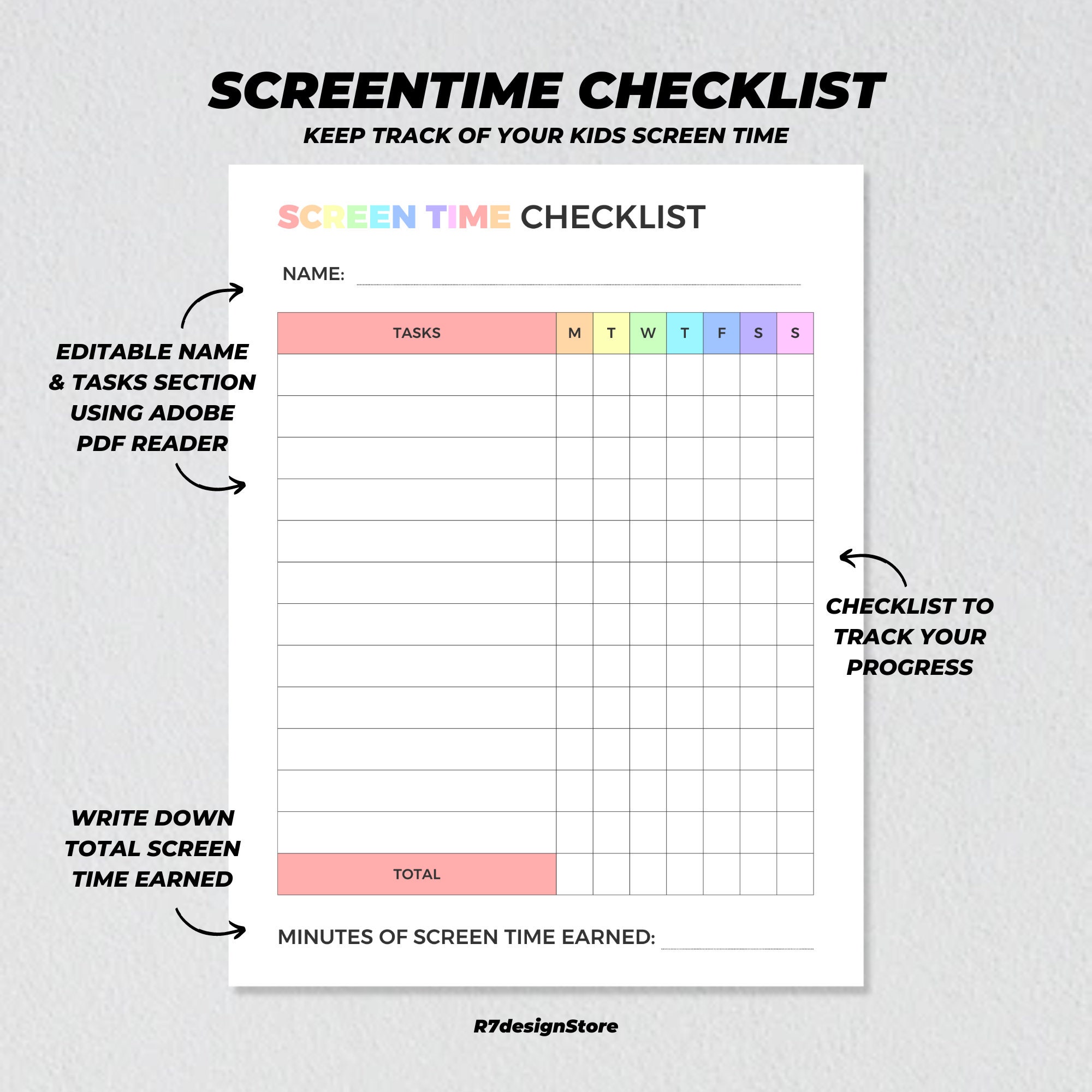
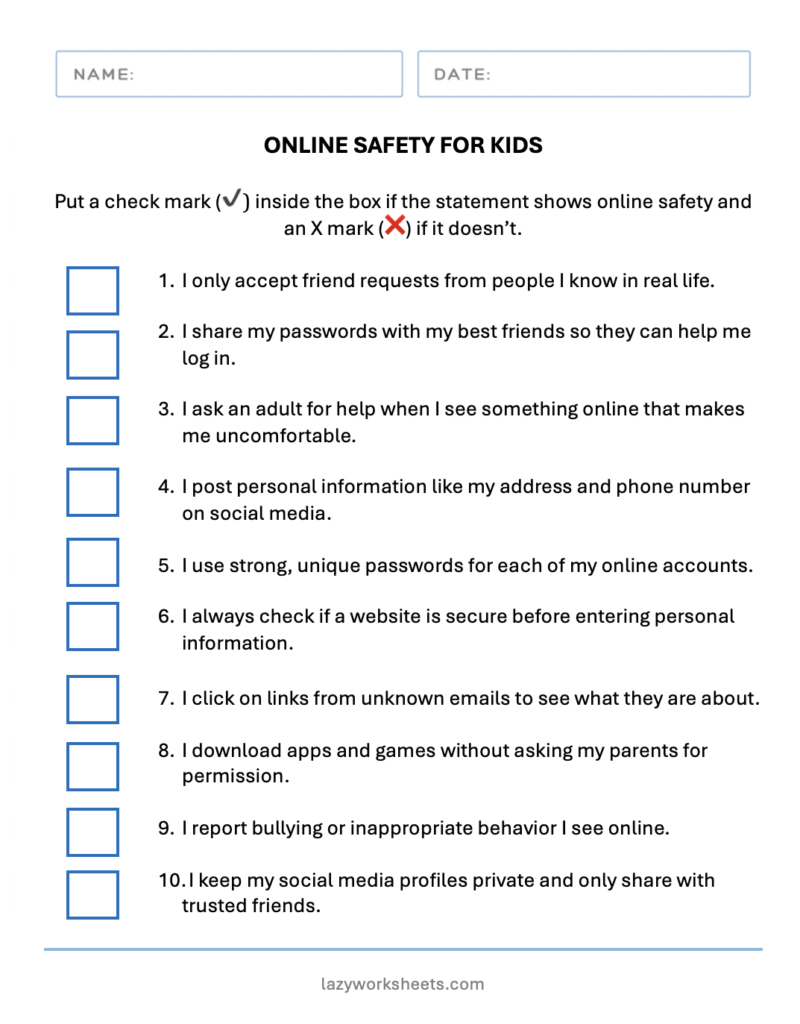
The establishment of healthy digital habits forms a cornerstone of comprehensive internet safety education. The printable resource, “free screen time schedule for kids,” offers a practical tool for guiding children, primarily within Elementary grades 1-5, toward responsible screen use. Its design also allows for adaptation across Middle School (grades 6-8) and High School (grades 9-12) to reinforce self-management skills. This worksheet plays a crucial role in reinforcing essential internet safety concepts through a hands-on, tangible learning experience. Educators and parents consistently trust printable worksheets for their proven efficacy in building digital awareness and fostering responsible online behavior. These resources provide a structured, engaging format for learners to internalize guidelines and develop routines that promote digital well-being. Such tools empower young people to navigate the digital world safely and productively, making informed choices about their online engagement.
💡 Educational Key Takeaways:
- Core Skill: Structured Free Screen Time Schedule For Kids focused on developing pencil grip, stroke control, and early literacy/math confidence.
- Target Scope: Suited for homeschoolers, preschool, kindergarten, and elementary learners.
- Best Recommendation: Practice 10–15 minutes daily with ergonomic writing tools to reinforce muscle memory without hand fatigue.
What This Worksheet Covers
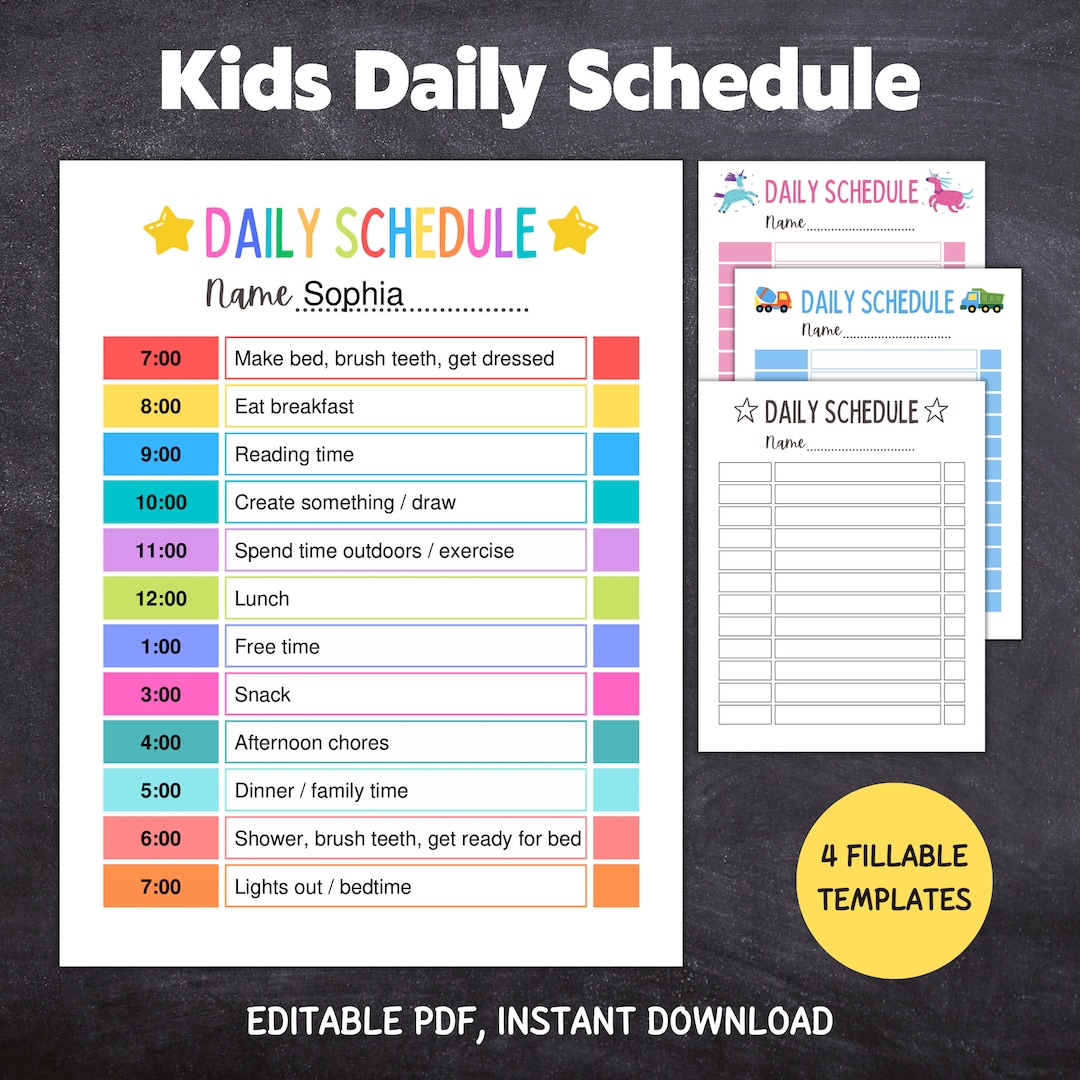
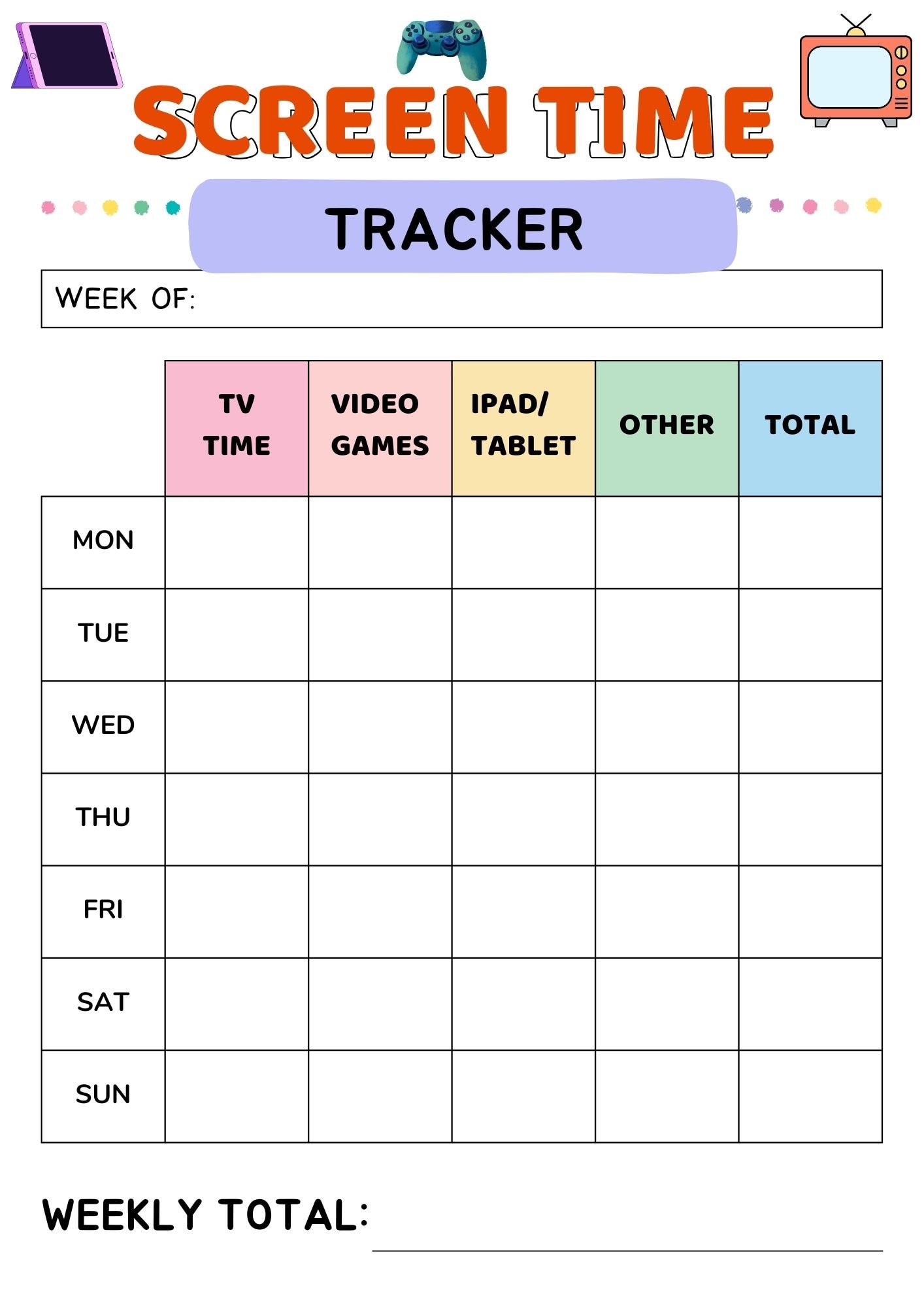
This “free screen time schedule for kids” worksheet directly addresses the critical internet safety topic of digital well-being and responsible screen time management. It guides children through the process of visualizing and planning their daily activities, distinguishing between screen-based and offline engagement. The resource covers fundamental concepts such as setting boundaries, understanding the value of balanced activities, and practicing self-regulation in a digital context. It helps establish practical rules for when and how screens are used, encouraging mindful interaction rather than passive consumption. The worksheet content connects directly to recognized digital citizenship and child safety education standards by promoting healthy habits, fostering critical thinking about media consumption, and supporting the development of personal responsibility online. Learners engage with scenarios that encourage thoughtful decision-making about their digital footprint and time allocation.
Key Learning Outcomes
Completing “free screen time schedule for kids” helps students and children develop several vital skills and knowledge areas. Children learn to differentiate between various types of screen activities and non-screen activities. Learners develop an understanding of time management principles in relation to digital device use. The worksheet encourages self-awareness regarding personal screen time habits and their potential impact. Participants gain practical skills in planning and adhering to a structured daily routine that balances online and offline pursuits. The resource fosters a sense of personal responsibility for digital choices and overall digital well-being. Browse more guides on Safe Wired Schools.
How to Use This Worksheet
Educators and parents can effectively integrate “free screen time schedule for kids” into various learning environments. The worksheet typically features activity types such as fill-in-the-blank sections for daily routines, simple drawing prompts to illustrate preferred offline activities, and reflective questions about screen use. Its difficulty level is accessible for elementary-aged children, with clear, concise instructions that scaffold learning progressively. The worksheet can serve as a standalone activity, providing an immediate focus on screen time planning. It integrates seamlessly into a broader lesson plan on digital citizenship or healthy habits, offering a tangible component for discussion. Furthermore, its format makes it an excellent homework assignment, encouraging family involvement in establishing and reviewing screen time guidelines at home.
Practical Tips for Parents and Teachers
Maximizing the educational impact of “free screen time schedule for kids” involves thoughtful preparation and engagement. Before starting, review the worksheet with children, explaining the purpose of a schedule and discussing examples of both screen and non-screen activities. Facilitate the completion of the worksheet by asking open-ended questions about their daily routines and preferred pastimes, guiding them to allocate time realistically. After completion, initiate a discussion about the created schedule, asking children how they feel about their plan and if they foresee any challenges. Extend the learning by encouraging children to display their completed schedule prominently and to review it regularly, making adjustments as needed. Consider pairing the worksheet with a brief, age-appropriate video or story about balancing screen time, reinforcing the concepts visually and narratively.
Age-Appropriate Recommendations
Implementing “free screen time schedule for kids” effectively requires tailoring the approach to different age groups. For Ages 5-8 (Early Elementary), focus on foundational concepts. Vocabulary support is crucial; define “screen time,” “offline activities,” and “schedule” simply. Activity pacing should be slow and deliberate, with significant parental or teacher involvement in brainstorming activities and filling in time slots. Encourage drawing and simple verbal explanations of choices. For Ages 9-12 (Upper Elementary to Middle School), emphasize greater independence and critical thinking. Children can complete more of the worksheet autonomously, with guidance on realistic time allocation and the benefits of diverse activities. Discussions can delve into the impact of excessive screen time on sleep or friendships. For Ages 13-18 (Middle to High School), the worksheet transforms into a self-assessment and planning tool for digital well-being. The approach shifts to fostering self-regulation and productivity. Discussions should center on digital citizenship, balancing academic demands with online social life, and using screens mindfully for learning and leisure. The worksheet prompts reflection on personal goals and the role of screen time in achieving them.
Frequently Asked Questions
Q: What specific types of screen activities does this schedule help manage? A: The schedule helps manage various screen activities, including gaming, social media use, video streaming, and educational app engagement. It encourages conscious choices about when and for how long these activities occur.Q: How often should the screen time schedule be reviewed or updated? A: The screen time schedule should be reviewed regularly, ideally weekly initially, and then monthly as habits become established. Flexibility is key, allowing for adjustments based on changing routines or new interests.Q: Where can this free printable worksheet be accessed and downloaded? A: This free printable “free screen time schedule for kids” worksheet can be accessed and downloaded directly from the resources section of SafeWiredSchools.org, typically found under the “Printable Worksheets” category.
Explore More Free Printable Worksheets
The “free screen time schedule for kids” worksheet represents a valuable component of a holistic digital safety learning routine. A single worksheet works best when integrated as part of a broader collection of printable resources. Educators and parents are invited to explore a full collection of free printable internet safety worksheets, activity sheets, checklists, quizzes, and more at SafeWiredSchools.org Worksheets. These resources cover every internet safety topic, including privacy, cyberbullying, critical thinking, and responsible online communication, and are designed for every grade level and learning environment. Building a comprehensive approach to digital literacy empowers young people to thrive in an interconnected world.
Developmental Milestone & Activity Table
| Development Stage | Recommended Daily Duration | Primary Learning Objective |
|---|---|---|
| Preschool & Pre-K | 10 – 15 Minutes | Pencil grip development & basic pre-stroke lines |
| Kindergarten | 15 – 20 Minutes | Letter/number formation & spatial line awareness |
| Early Elementary (Grade 1–2) | 20 – 30 Minutes | Fluency, sentence construction & neatness |
Images References