Introduction
Establishing healthy digital habits is a cornerstone of modern parenting and education. The “free printable screen time agreement for families” resource is an invaluable tool for reinforcing internet safety concepts through practical, hands-on learning. This agreement is particularly relevant for Elementary grades 1-5 and Middle/High School grades 6-12, offering a structured approach to managing device use. Printable worksheets consistently serve as trusted educational resources for both educators and parents, providing tangible pathways for building digital awareness and cultivating responsible online behavior. The tangible nature of a printed agreement allows for active participation and clear understanding, moving abstract concepts into concrete, actionable steps. This method is highly effective in fostering consistent engagement with crucial digital citizenship principles within various learning environments.
💡 Educational Key Takeaways:
- Core Skill: Structured Free Printable Screen Time Agreement For Families focused on developing pencil grip, stroke control, and early literacy/math confidence.
- Target Scope: Suited for homeschoolers, preschool, kindergarten, and elementary learners.
- Best Recommendation: Practice 10–15 minutes daily with ergonomic writing tools to reinforce muscle memory without hand fatigue.
What This Worksheet Covers
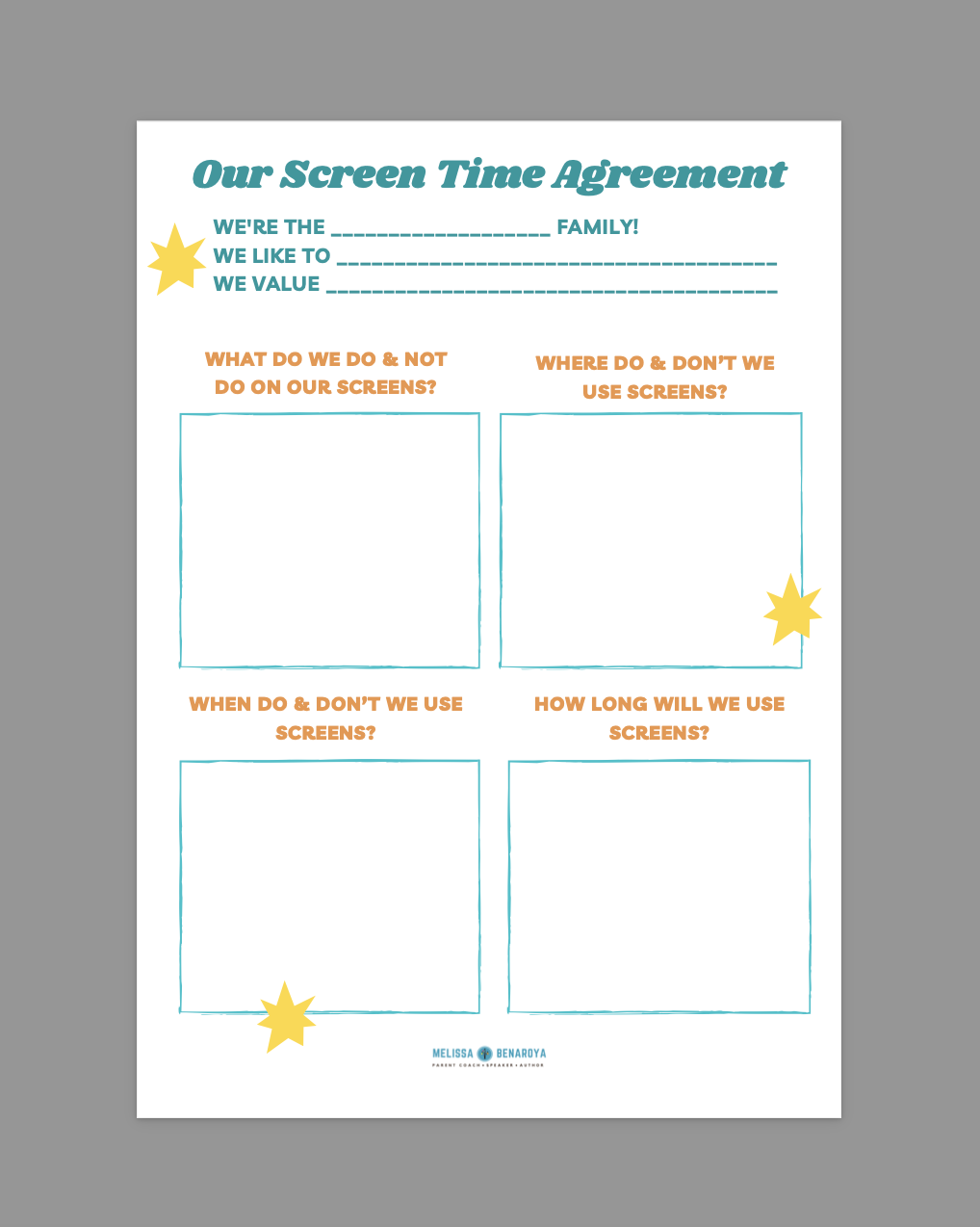
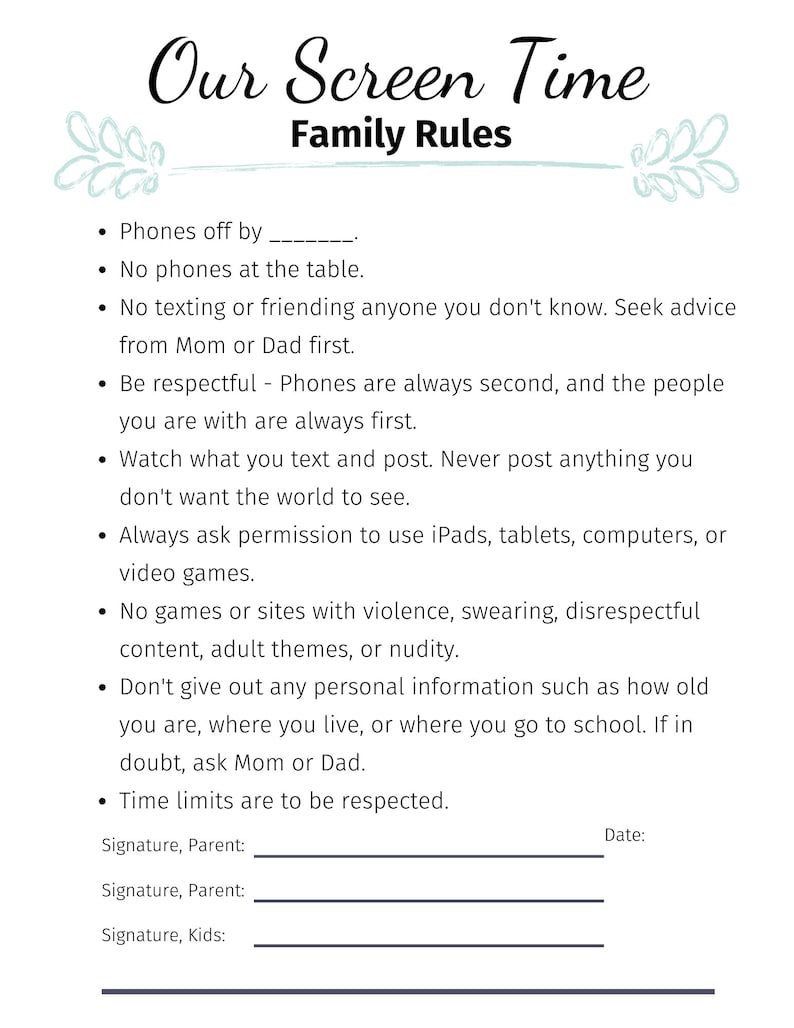
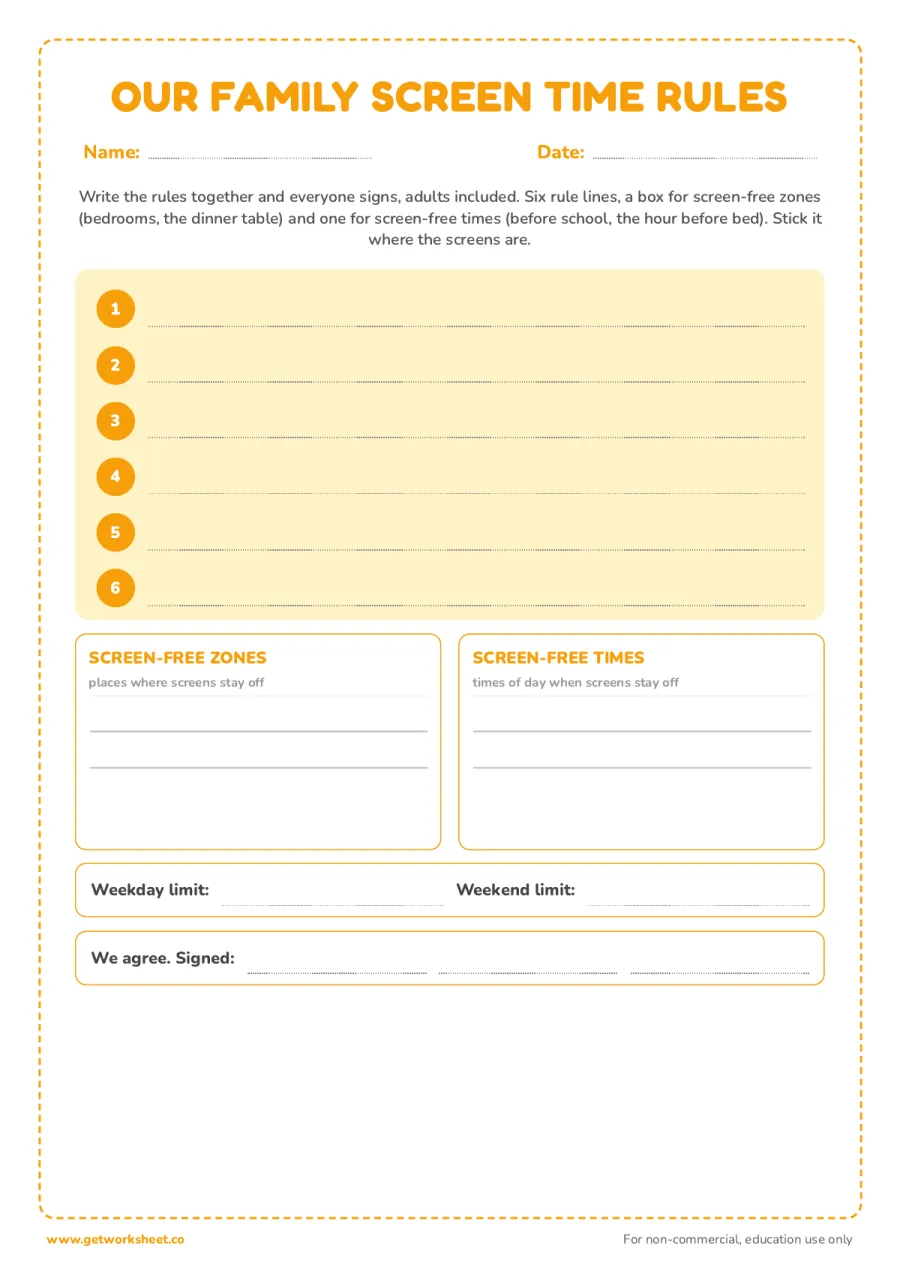
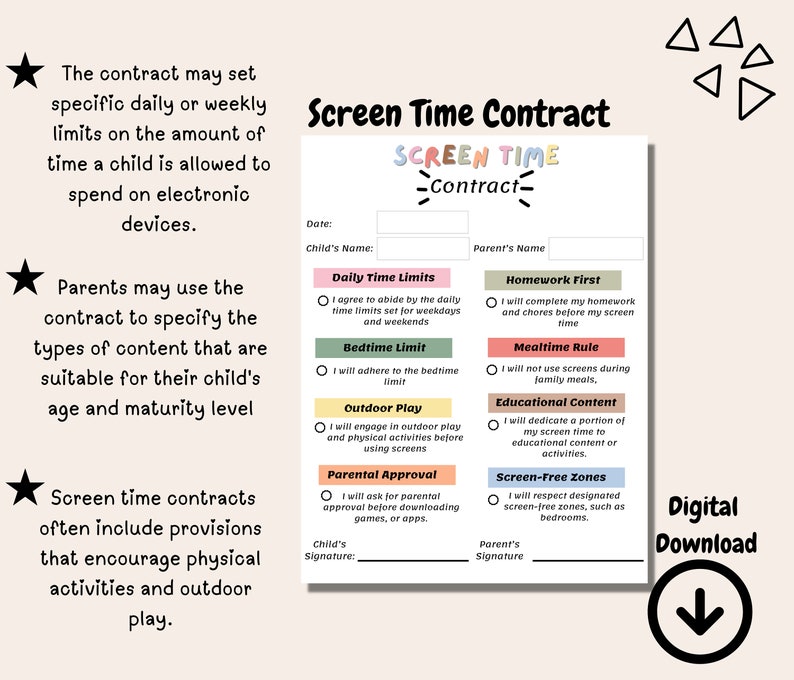
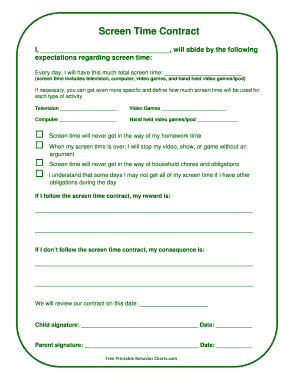
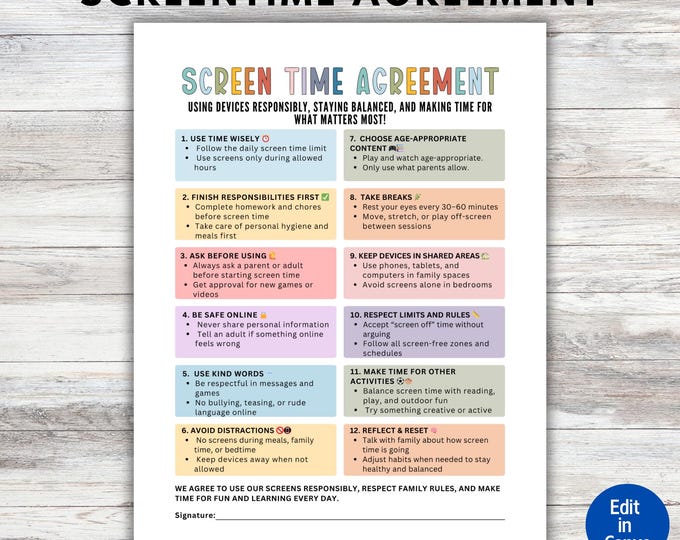
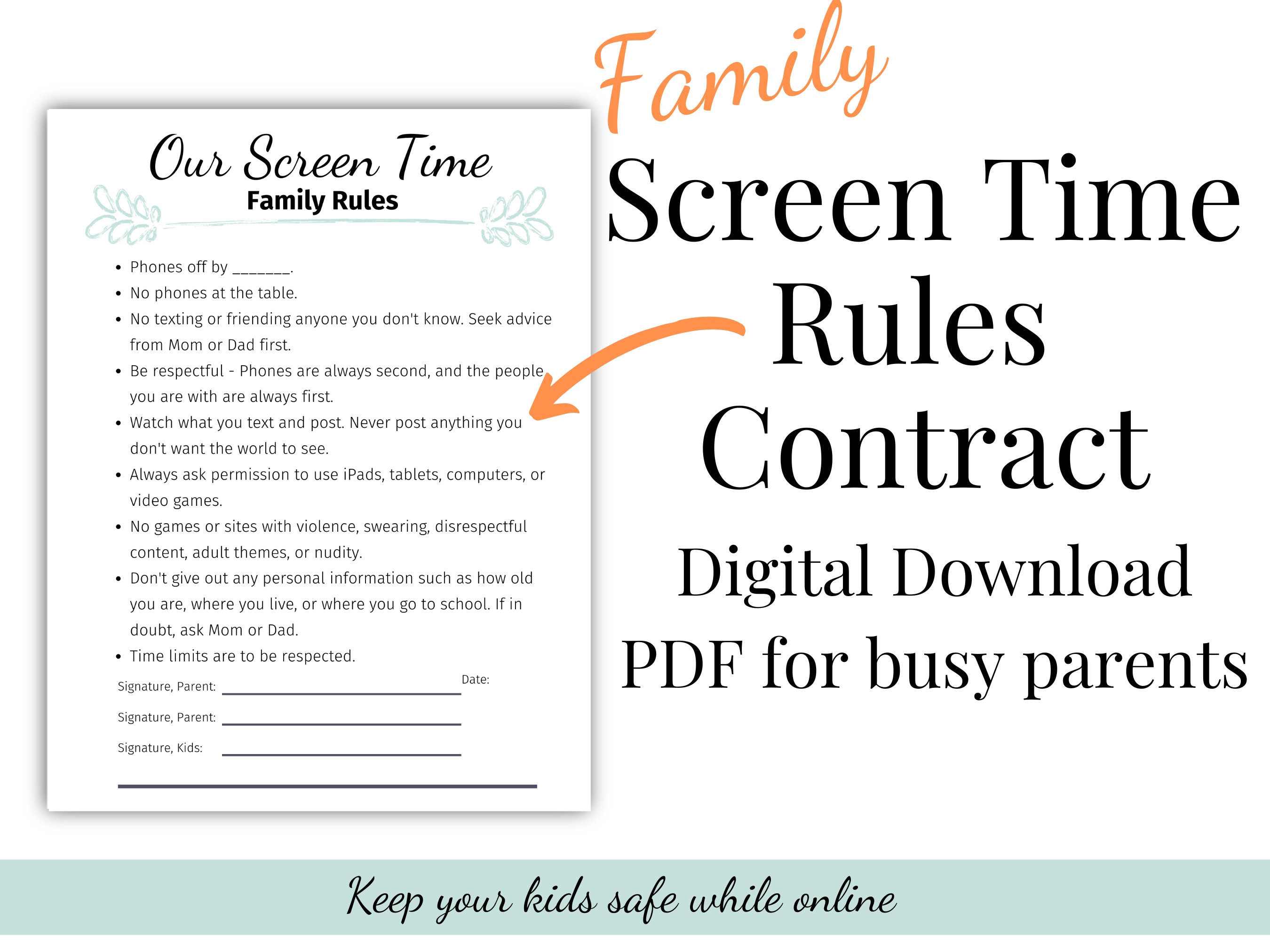
This resource directly addresses the critical topic of screen time management and the establishment of clear digital boundaries within a family unit. The “free printable screen time agreement for families” helps articulate specific rules, expectations, and consequences related to device usage. It covers concepts such as balanced screen consumption, the negotiation of privileges, the importance of breaks, and the identification of appropriate online content. Furthermore, the agreement prompts discussions around the impact of excessive screen time on other activities, including schoolwork, physical play, and family interactions. The content directly aligns with recognized digital citizenship and child safety education standards by promoting media literacy, responsible technology use, and effective family communication regarding digital devices. This foundational approach ensures learners grasp the significance of self-regulation and thoughtful engagement with technology. Related guide: Credible Sources For Kids.
Key Learning Outcomes
By engaging with the “free printable screen time agreement for families,” individuals develop several crucial skills and knowledge areas:. Browse more guides on Safe Wired Schools.
- Learners gain a comprehensive understanding of balanced screen use and its importance for overall well-being.
- Participants acquire the ability to negotiate and agree upon clear digital boundaries collaboratively.
- Children and teens identify responsible online behaviors and understand the potential consequences of rule violations.
- Family communication regarding technology use significantly strengthens through structured discussion.
- Individuals cultivate self-regulation skills essential for navigating a pervasive digital environment effectively.
How to Use This Worksheet
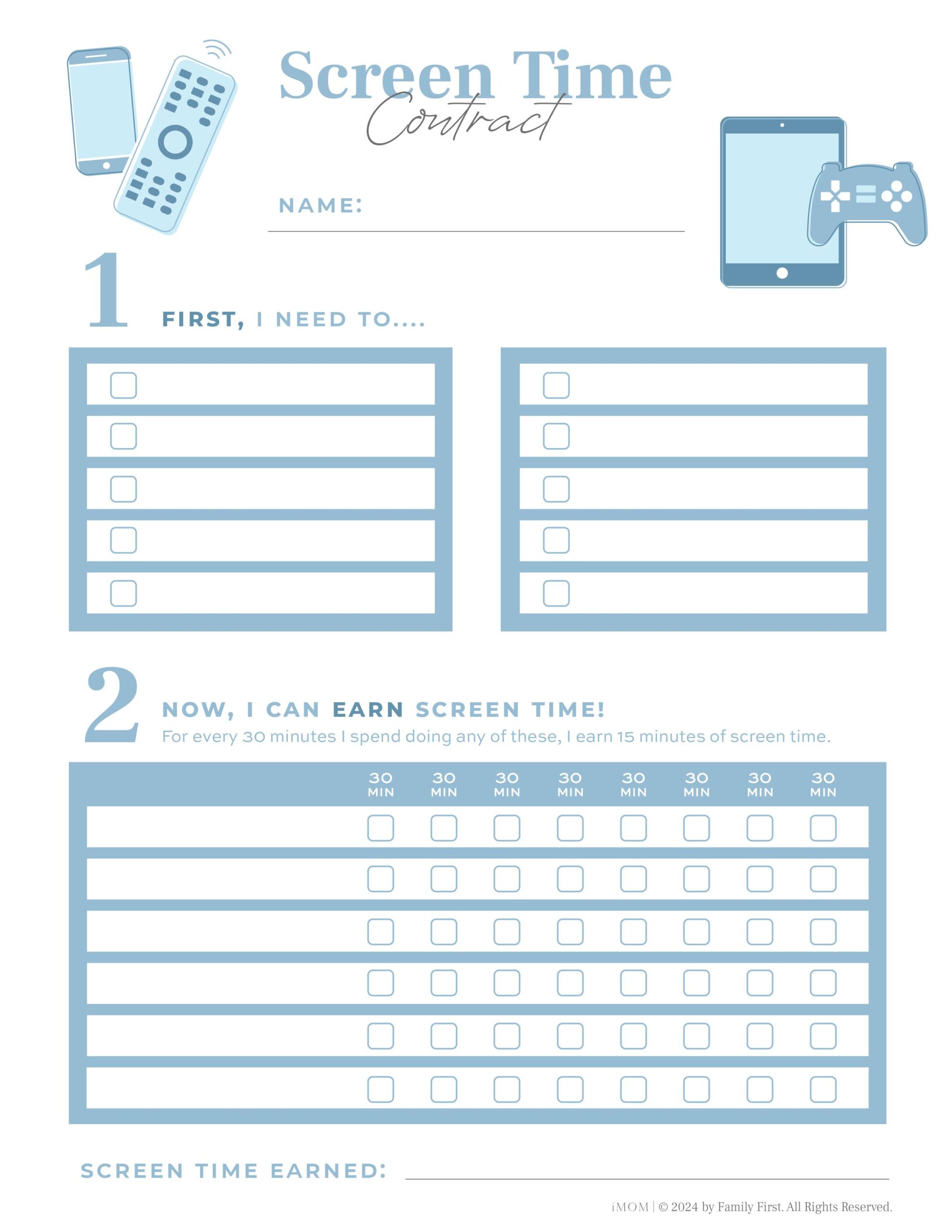
The “free printable screen time agreement for families” offers a versatile framework for guiding discussions and setting expectations around device use. Its format typically includes sections for listing agreed-upon rules, outlining specific time limits, defining appropriate online activities, and detailing consequences for non-compliance. There are often designated spaces for signatures from all family members, signifying commitment. The difficulty level is adaptable, ranging from straightforward rule-setting for younger children to more nuanced discussions about digital wellness for older students. Instructions within the resource scaffold learning progressively, encouraging open dialogue and collaborative decision-making. This worksheet functions effectively as a standalone activity to initiate family conversations, integrates seamlessly into a broader digital citizenship lesson plan, or serves as a thought-provoking homework assignment that bridges classroom learning with home practice.
Practical Tips for Parents and Teachers
- Preparation and Positive Tone: Before introducing the agreement, review its sections thoroughly. Approach the discussion with a positive and collaborative attitude, emphasizing the goal of promoting healthy habits rather than imposing strict restrictions.
- Facilitate Open Discussion: Encourage all family members or students to contribute their ideas and concerns. Listen actively to perspectives from children and teens, fostering an environment where negotiation and compromise are valued.
- Utilize Discussion Prompts: Guide conversations with questions such as, “Why are these specific rules important for our family’s well-being?” “What are fair consequences if a rule is broken?” or “How does our screen time affect other activities we enjoy?”
- Model Good Behavior: Adults should consistently model the behaviors outlined in the agreement. Demonstrating responsible screen use, taking breaks, and prioritizing face-to-face interactions reinforces the agreement’s principles.
- Regular Review and Revision: The digital landscape and family needs evolve. Schedule periodic check-ins (e.g., monthly or quarterly) to review the agreement, discuss its effectiveness, and make necessary adjustments collaboratively.
Age-Appropriate Recommendations
The application of the “free printable screen time agreement for families” can be tailored to suit various developmental stages, ensuring maximum impact and relevance for all learners.
For Ages 5-10 (Elementary School), the focus should remain on foundational rules and direct parental guidance. Discussions should employ simple, clear language, concentrating on basic concepts like “screen time limits,” “asking permission before using devices,” and “taking breaks for play.” Visual cues or simple drawings can help illustrate concepts. The agreement might include fewer items, emphasizing healthy habits like outdoor play and reading. Teacher involvement could include classroom discussions on shared responsibility for device use and the importance of balancing online and offline activities.
For Ages 11-18 (Middle and High School), the agreement becomes a tool for fostering greater independence and self-regulation. Emphasis shifts towards collaborative negotiation, understanding consequences, and discussing digital wellness more broadly. Students can take a more active role in drafting the agreement, incorporating aspects like device-free zones, impact on sleep, and managing social media use. Discussions should delve into the ethical considerations of online interactions and the long-term effects of screen habits. Teacher involvement at this level can include critical thinking exercises related to media consumption and digital citizenship principles that extend beyond the home.
Frequently Asked Questions
Q: What is a screen time agreement? A: A screen time agreement is a collaborative document outlining a family’s agreed-upon rules and expectations for digital device usage, designed to promote balanced and responsible online habits. It typically covers aspects like time limits, content guidelines, and consequences for non-compliance. Q: How does this agreement benefit families? A: This agreement fosters open communication about technology, sets clear expectations for all family members, and can significantly reduce conflicts related to device use. It also empowers children and teens to develop self-regulation skills and a sense of responsibility in their digital lives. Q: Where can this free printable be downloaded? A: The “free printable screen time agreement for families” is readily available for download directly from the SafeWiredSchools.org Worksheets page. Simply navigate to the resources section to access this and other valuable digital safety tools.
Explore More Free Printable Worksheets
While the “free printable screen time agreement for families” is a powerful standalone resource, its value is significantly amplified when integrated into a consistent digital safety learning routine. A single worksheet works best as part of a broader collection of printable resources, providing comprehensive coverage of internet safety topics. Educators and parents are invited to explore a full collection of free printable internet safety worksheets, activity sheets, checklists, quizzes, and more at SafeWiredSchools.org Worksheets. These resources cover every internet safety topic imaginable and are meticulously designed for every grade level and learning environment, ensuring a robust and continuous digital safety education.
Developmental Milestone & Activity Table
| Development Stage | Recommended Daily Duration | Primary Learning Objective |
|---|---|---|
| Preschool & Pre-K | 10 – 15 Minutes | Pencil grip development & basic pre-stroke lines |
| Kindergarten | 15 – 20 Minutes | Letter/number formation & spatial line awareness |
| Early Elementary (Grade 1–2) | 20 – 30 Minutes | Fluency, sentence construction & neatness |
Images References